
Australian Shepherd Weight Calculator — Free Puppy Growth Chart & Adult Size Predictor
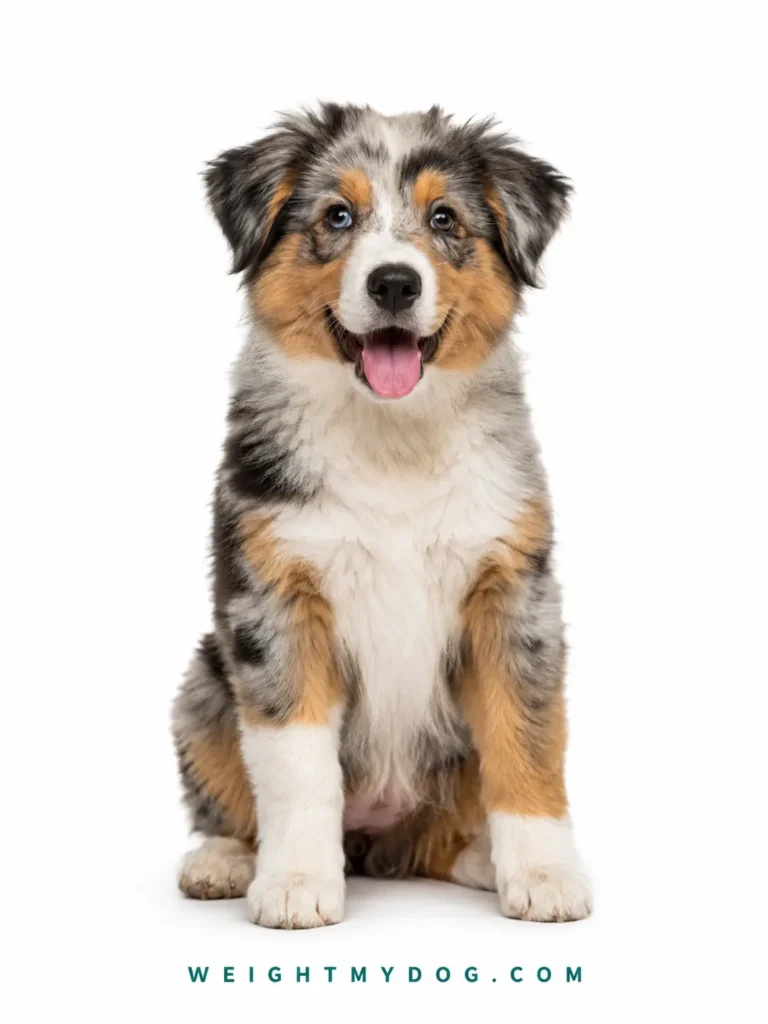
Australian Shepherd owners often wonder whether their puppy is growing at the right pace. Tracking weight and height monthly gives you reliable data points that reveal healthy growth trends unique to each breed.
A weight calculator helps pet parents avoid guesswork when monitoring their pup. Using current weight alongside current age produces a reasonably precise estimate of adult weight without requiring expensive veterinarian visits every month.
Growth charts specific to Australian Shepherds reveal how gender, genetics, and litter size collectively shape final size. Male dogs trend heavier, while female dogs stay slightly leaner throughout puppyhood and into adulthood.
Experienced breeders track each puppy’s birth weight because it often signals adult size patterns early. The largest puppy and smallest puppy in a litter frequently reflect the genetic factors their parents passed down directly.
Nutrition plays a defining role alongside genetics in determining whether a growing pup reaches adequate weight. High-quality puppy food formulated to AAFCO standards supports healthy growth plates and prevents poor growth or stunted growth.
Reliable weight tracking through consistent veterinary appointments ensures your Australian Shepherd stays within a normal weight range. Catching underweight or overweight trends early keeps joints, liver, and overall health protected long-term.
Australian Shepherd Weight Calculator
| Age | ♂ Male (Expected) | ♀ Female (Expected) | Your Dog |
|---|
How to use the Australian Shepherd weight calculator
Get your Australian Shepherd's ideal weight in under 10 seconds. No account needed.
Enter your dog’s details
Enter your English Australian Shepherd's current age, weight, and gender. Works in both lbs and kg — supports weeks, months, and years.
Get your instant weight results
See your Australian Shepherd's predicted adult weight range, current ideal weight, visual growth chart, and health status — instantly calculated.
Check your dog’s health status
Find out if your Australian Shepherd is underweight, ideal, or overweight based on AKC-verified breed standards — and get a personalised feeding guide.
Male Australian Shepherd Growth and Weight Chart by Age
| Age | Male Weight | Male Height |
|---|---|---|
| 1 Month | 3 – 8 lbs (1.4 – 3.6 kg) | — |
| 8 Weeks | 5 – 7 lbs (2.3 – 3.2 kg) | 3 – 5 in (8 – 13 cm) |
| 9 Weeks | 7 – 12 lbs (3.2 – 5.4 kg) | 5 – 8 in (13 – 20 cm) |
| 10 Weeks | 15 – 19 lbs (6.8 – 8.6 kg) | 7 – 11 in (18 – 28 cm) |
| 11 Weeks | 18 – 23 lbs (8.2 – 10.4 kg) | 9 – 12 in (23 – 30 cm) |
| 3 Months | 20 – 25 lbs (9.1 – 11.3 kg) | 11 – 13 in (28 – 33 cm) |
| 4 Months | 27 – 32 lbs (12.2 – 14.5 kg) | 12 – 14 in (30 – 36 cm) |
| 5 Months | 30 – 40 lbs (13.6 – 18.1 kg) | 13 – 15 in (33 – 38 cm) |
| 6 Months | 40 – 46 lbs (18.1 – 20.9 kg) | 15 – 17 in (38 – 43 cm) |
| 7 Months | 45 – 52 lbs (20.4 – 23.6 kg) | 16 – 18 in (41 – 46 cm) |
| 8 Months | 45 – 55 lbs (20.4 – 24.9 kg) | 17 – 19 in (43 – 48 cm) |
| 9 Months | 50 – 58 lbs (22.7 – 26.3 kg) | 18 – 20 in (46 – 51 cm) |
| 10 Months | 50 – 60 lbs (22.7 – 27.2 kg) | 19 – 21 in (48 – 53 cm) |
| 11 Months | 50 – 60 lbs (22.7 – 27.2 kg) | 20 – 22 in (51 – 56 cm) |
| 12 Months | 50 – 65 lbs (22.7 – 29.5 kg) | 20 – 23 in (51 – 58 cm) |
| 18 Months | 50 – 65 lbs (22.7 – 29.5 kg) | 20 – 23 in (51 – 58 cm) |
| 24 Months (Adult) | 50 – 65 lbs (22.7 – 29.5 kg) | 20 – 23 in (51 – 58 cm) |
Female Australian Shepherd Growth and Weight Chart by Age
| Age | Female Weight | Female Height |
|---|---|---|
| 1 Month | 2 – 6 lbs (0.9 – 2.7 kg) | — |
| 8 Weeks | 4 – 8 lbs (1.8 – 3.6 kg) | 3 – 5 in (8 – 13 cm) |
| 9 Weeks | 6 – 11 lbs (2.7 – 5.0 kg) | 5 – 8 in (13 – 20 cm) |
| 10 Weeks | 10 – 15 lbs (4.5 – 6.8 kg) | 7 – 11 in (18 – 28 cm) |
| 11 Weeks | 12 – 19 lbs (5.4 – 8.6 kg) | 9 – 12 in (23 – 30 cm) |
| 3 Months | 15 – 21 lbs (6.8 – 9.5 kg) | 11 – 13 in (28 – 33 cm) |
| 4 Months | 20 – 25 lbs (9.1 – 11.3 kg) | 11 – 14 in (28 – 36 cm) |
| 5 Months | 25 – 30 lbs (11.3 – 13.6 kg) | 12 – 14 in (30 – 36 cm) |
| 6 Months | 30 – 35 lbs (13.6 – 15.9 kg) | 13 – 15 in (33 – 38 cm) |
| 7 Months | 35 – 39 lbs (15.9 – 17.7 kg) | 14 – 16 in (36 – 41 cm) |
| 8 Months | 37 – 41 lbs (16.8 – 18.6 kg) | 15 – 17 in (38 – 43 cm) |
| 9 Months | 38 – 42 lbs (17.2 – 19.1 kg) | 16 – 18 in (41 – 46 cm) |
| 10 Months | 40 – 45 lbs (18.1 – 20.4 kg) | 17 – 18 in (43 – 46 cm) |
| 11 Months | 40 – 45 lbs (18.1 – 20.4 kg) | 18 – 20 in (46 – 51 cm) |
| 12 Months | 40 – 50 lbs (18.1 – 22.7 kg) | 18 – 21 in (46 – 53 cm) |
| 18 Months | 40 – 55 lbs (18.1 – 24.9 kg) | 18 – 21 in (46 – 53 cm) |
| 24 Months (Adult) | 40 – 55 lbs (18.1 – 24.9 kg) | 18 – 21 in (46 – 53 cm) |
Puppy Growth Chart And AKC Breed Weight Standard
| Breed Size | 8 Weeks | 3 Months | 4 Months | 6 Months | 1 Year |
|---|---|---|---|---|---|
| Toy | 0.9 – 1.8 kg | 1.4 – 2 kg | 2 – 2.5 kg | 2.5 – 3 kg | 3 – 5.5 kg |
| Small | 1.5 – 3 kg | 3 – 5 kg | 4 – 7 kg | 6 – 9 kg | 6 – 11 kg |
| Medium | 3 – 5 kg | 5 – 8 kg | 8 – 13 kg | 10 – 18 kg | 11 – 23 kg |
| Large | 5 – 9 kg | 9 – 12 kg | 12 – 20 kg | 18 – 30 kg | 23 – 45 kg |
| Giant | 7 – 12 kg | 12 – 18 kg | 18 – 28 kg | 28 – 40 kg | 45 – 70 kg |
Australian Shepherd Breed Overview
The Australian Shepherd is a medium-sized breed celebrated for its intelligence and hard-working nature. Originally developed as a ranching companion, this working dog was perfected in California by dedicated sheepherders and ranchers on horseback.
Despite the name suggesting Australia, this breed carries roots from the Basque region of Spain. Basque herders brought Pastor Dogs and Spanish Shepherds to America, where Americans refined the breed into the highly intelligent herding dog recognized today.
The AKC classifies the Australian Shepherd as a medium athletic dog with a square stance and body that is slightly longer than tall. Breed standard describes a well-balanced, confident dog built for expert herding of bulls and other animals.
Breed names varied across generations — California Shepherds, New Mexican Shepherds, and Spanish Shepherds all described this versatile ranch dog. The American Kennel Club officially standardized the name and breed characteristics, cementing AKC recognition and popularity across the States.
Australian Shepherds are energetic, cooperative, and loyal, making them ideal for competitive dog sports, dog agility, frisbee, and demanding service dog roles. Their cognitive abilities and work ethic rival border collie breeds in focused herding tasks.
This breed thrives with physical enrichment, mental enrichment, and consistent training. Without structured exercise and social enrichment, Australian Shepherds become easily bored, leading to repetitive behaviors, tail chasing, and resource guarding inside rooms and outdoor space.
When Will My Australian Shepherd Stop Growing?
Most Australian Shepherds complete substantial growing in height by 9–12 months, when growth plates begin closing. However, muscle mass and full weight continue developing until 16–18 months or sometimes as late as 2 years.
Growth plates are soft cartilage areas near the ends of legs and joints that harden as age increases. X-rays taken by a veterinarian can confirm whether growth plates have closed, signaling that full height and bone marrow density are essentially growth complete.
Male Australian Shepherds typically finish growing slightly later than female dogs. Females often reach maximum height around 9–12 months, while intact male dogs may show continued filling out of chest and neck through 16–18 months.
Genetic factors inherited from parents heavily influence when growth slows permanently. Dogs from larger litters or with larger frame parents tend to show accelerated growth early but may reach growth complete status closer to 24 months.
The transition from rapid growth to social maturity spans roughly 1–3 years in Australian Shepherds. During puppyhood, monthly weight tracking against a growth chart helps owners spot sudden growth spurts or unexpected growth rate deviations that may need veterinarian review.
By 18 months, most Australian Shepherds have reached adult size in both height and weight. Full-grown status officially arrives when growth plates close completely, confirmed through vet checkups and occasional X-rays to protect joints and surrounding bone marrow structure.
How Big Should a 6-Month-Old Australian Shepherd Be?
At 6 months, a male Australian Shepherd typically weighs between 30–35 pounds and stands approximately 16–18 inches at the withers. A healthy female at the same age usually weighs 23–30 lbs, reflecting natural gender differences in growth pattern.
The six-month-old Australian Shepherd is experiencing one of its most rapid growth phases, gaining notable weight and height simultaneously. Comparing your puppy’s numbers to a reliable growth chart at this age reveals whether development stays on a typical growth trajectory.
Weight range at 6 months varies depending on genetics, diet, litter background, and whether the dog is intact or altered. An intact male may trend heavier than a neutered counterpart due to hormones influencing muscle mass and weight distribution during sexual maturity phases.
A veterinarian should assess weight, height, and overall health at this age through scheduled developmental checkups. The vet will evaluate growth plates, joints, and nutritional balance to confirm the puppy follows a typical Australian Shepherd growth pattern for its gender.
Height at 6 months is measured at the withers — the highest point between the shoulder blades. A healthy male should measure roughly 16–18 inches, while a female typically stands between 15–17 inches, both tracking toward breed standard adult height targets.
Monitoring your six-month-old’s weight weekly using a reliable weight predictor or puppy weight predictor tool helps you catch underweight or overweight trends immediately. Early identification allows timely diet adjustments before nutritional needs go unmet and affect growth plates or joint health.
How Much Bigger Will My Australian Shepherd Get?
Predicting how much bigger your Australian Shepherd will grow requires understanding your puppy’s current age, current weight, and parents’ sizes. Most weight predictor tools use these data points to generate a reliable adult weight estimate within a reasonable range.
At 3 months, a puppy is typically at roughly 25–30% of its adult weight. Multiplying current weight by a specific factor based on age gives a rough weight estimate, though genetic factors and gender always introduce natural variation into any final prediction.
Male Australian Shepherds generally reach a maximum weight of 50–65 pounds, while females average 40–55 pounds fully grown. If your puppy’s parents were both on the heavier end, your pup will likely trend toward the upper weight range at adult size.
Between 9–12 months and 16–18 months, most Australian Shepherds shift from height growth to filling out — gaining muscle mass, chest width, and overall weight without significant height changes. This growth pattern is typical and reflects normal biological development.
Checking growth numbers against a growth chart monthly allows pet parents to monitor whether their dog is tracking toward a healthy weight for its breed. Breeders often share parents’ measurements to help predict adult size more accurately than generic weight calculator tools alone.
The puppy weight predictor remains most accurate when used between 4 months and 6 months of age. After 9 months, growth slows significantly, making adult weight increasingly easier to predict based on the dog’s current weight and visible growth rate trajectory.
What Is the Size of a Full-Grown Australian Shepherd?
A full-grown male Australian Shepherd stands 20–23 inches at the withers and weighs between 50–65 pounds according to AKC breed standard. A full-grown female measures 18–21 inches tall and typically falls between 40–55 pounds in healthy athletic condition.
Adult Australian Shepherds carry a well-balanced, proportionate frame described as slightly longer than tall with a square stance. Their weight distribution across legs, chest, and neck reflects years of selective breeding for ranch dog endurance and working dog efficiency.
Full-grown size depends significantly on gender, genetics, and diet quality during puppyhood. Dogs fed high-quality animal protein through AAFCO-approved puppy food typically develop lean muscle mass and reach the upper end of their genetically determined adult weight range.
The standard Australian Shepherd should never appear skinny or overweight in adult form. A trim, lean, athletic build with visible weight distribution across the body indicates proper weight management throughout the breed’s active life stages.
Healthy male adults in athletic condition weigh approximately 50–65 pounds, while healthy female adults average 40–55 pounds. These figures align with AKC breed standard measurements confirmed across thousands of purebred Australian Shepherd registrations in the States and UK.
Full-grown Australian Shepherds that fall outside the weight range should be evaluated by a veterinarian for underlying health issues. Overweight dogs face increased risks to joints and hip socket integrity, while underweight adults may signal intestinal parasites, hypothyroidism, or insufficient nutrition.
Factors Affecting the Size of Australian Shepherds
Genetics represent the single most powerful factor shaping an Australian Shepherd’s final size. The parents’ height, weight, and larger frame or smaller frame characteristics pass directly through the genome to influence each puppy in the litter.
Gender creates consistent size differences across the breed. Male Australian Shepherds are reliably heavier and taller than females, a biological pattern linked to hormones affecting muscle mass, bone marrow density, and overall weight distribution from early puppyhood onward.
Diet quality during rapid growth phases profoundly impacts adult size and health. Malnutrition or insufficient nutrition during 3–12 weeks causes poor growth and potentially stunted growth, while nutritional balance through high-quality puppy food supports growth plates and joints appropriately.
Intestinal parasites, hypothyroidism, and other health conditions can interrupt normal growth rate patterns in young Australian Shepherds. A veterinarian performing regular exams will catch health issues that suppress metabolism, reduce gut absorption of nutrients, and cause poor growth in growing dogs.
Spay or neuter timing also influences size. Pediatric spay or pediatric neuter before sexual maturity may cause dogs to grow slightly taller due to delayed growth plate closure. Alter status and its effects on hormones are worth discussing with your veterinarian before making any surgery decision.
Environmental factors including stress levels, exercise intensity, and living space affect how efficiently a puppy converts calories from food to muscle mass and bone structure. Active lifestyle conditions support healthy development, while sedentary environments may limit a growing pup’s full adult size potential.
Ideal Diet for Maintaining a Healthy Weight
Australian Shepherds thrive on high-quality puppy food and adult food rich in animal protein and moderate fat. AAFCO-approved formulas ensure nutritional balance by meeting established standards for amino acids, carbohydrates, dietary fiber, and essential vitamins including vitamin B12.
Protein derived from quality animal protein sources builds lean muscle mass and fuels the high-energy activity Australian Shepherds demand. By-products and artificial additives should be avoided in favor of natural ingredients that maximize digestibility and support a healthy digestive system throughout every growth stage.
Carbohydrates from starchy vegetables provide sustained energy for active lifestyle demands. Dietary fiber from sources like carrots and fresh fruits supports healthy bowels and stable weight management. Frozen vegetables and fresh fruits make excellent treats when offered in moderation alongside a well-balanced diet.
Calorie intake must match energy output precisely. Overweight Australian Shepherds face joint diseases, hip dysplasia, and elbow dysplasia risks that shorten longevity. Using a calorie calculator and consulting a veterinarian helps establish proper calories per day based on age, weight, and active lifestyle level.
Puppy food should remain the primary food source until the breed reaches approximately 12 months of age. Early transition to adult food disrupts nutritional balance during critical growth phases, while well-balanced puppy food provides the protein, fat, and vitamin B12 necessary for proper development.
Weight management improves dramatically when pet parents select food based on calorie content, nutritional quality, and digestibility rather than cost alone. High-fat diets promote overweight conditions, while well-balanced natural ingredients with appropriate moderate fat levels keep Australian Shepherds trim and healthy across adulthood.
How to Measure Your Australian Shepherd
Measuring your Australian Shepherd’s height requires a flat wall, a yardstick or ruler, and a tape measure for accurate height tracking. Have your dog standing squarely on level ground before marking the wall at the withers point with a pencil.
The withers — the highest point between the shoulder blades just above the neck — is the standard reference for all dog measurement in the breed. Position your ruler or tape measure from ground to the withers mark on the wall for a precise height measurement.
Weight tracking requires a reliable scale appropriate for medium-sized dogs. For accurate home weight tracking, hold your puppy while stepping on a bathroom scale, then weigh yourself alone and subtract. This simple tool provides reliable pounds readings without professional equipment.
For height accuracy, ensure the dog stands with all four legs evenly spaced, head level, and neck relaxed. A square stance matching breed standard posture gives the most accurate height reading at the withers, especially during monthly height tracking sessions.
Record weight and height measurements monthly in a dedicated growth chart to track trends over time. Comparing data points across months reveals your Australian Shepherd’s personal growth pattern and helps predict adult size with improving accuracy as age increases toward 12 months.
Professional dog measurement during veterinary appointments provides cross-referenced data points confirming your home measurements are accurate. A veterinarian may use a specialized tape measure and calibrated scale to verify height and weight, establishing baseline figures for ongoing health monitoring.
When Should My Australian Shepherd Be Spayed or Neutered?
Spay and neuter timing in Australian Shepherds remains a nuanced decision requiring veterinarian input based on gender, health, and alter status goals. Most veterinarians recommend waiting until 12–18 months to protect growth plates and hormones essential for healthy skeletal development.
Pediatric spay or pediatric neuter performed before 6 months carries documented risks to joint development and growth plate closure timing. Early alter procedures may cause dogs to grow taller than expected, as hormones that signal growth plate hardening are removed prematurely.
Intact male Australian Shepherds show continued muscle mass development and filling out through 16–18 months. Neutering before this window closes may affect final weight and overall size, though genetic factors still determine the primary adult weight range regardless of alter status.
Female Australian Shepherds benefit from waiting until after their first heat cycle before spay surgery in most cases. Spay decisions should factor in uterine placement considerations, pregnancy risks if intact, and the veterinarian’s assessment of overall health and growth complete status.
Breeding decisions should never override health considerations when timing spay or neuter procedures. Responsible breeders who practice genetic health testing generally recommend altering non-breeding dogs between 12–18 months to balance longevity, joint health, and cancer risk reduction through alter procedures.
Post-surgery weight management becomes critical because altered dogs often experience metabolism changes leading to gradual weight gain. Adjusting calories, diet, and exercise routines after spay or neuter prevents overweight conditions that stress joints and compromise the Australian Shepherd’s characteristic athletic condition.
When Should I Potty Train My Australian Shepherd?
Potty training an Australian Shepherd should begin the moment your puppy arrives home, typically around 8 weeks of age. This breed’s intelligence means young dogs absorb cues remarkably fast, making early positive reinforcement training highly effective for bathroom habits.
Puppy pads serve as a useful transitional tool during early potty training, particularly for owners without immediate outdoor space access. Gradually move puppy pads toward the door and then outside to teach the puppy that bathroom breaks happen outdoors as a responsible caregiver expectation.
Australian Shepherd puppys have small bladder capacity before 3 months and require bathroom breaks every 2 hours or less. Recognizing cues like hiding, circling, or sudden distress allows pet parents to redirect puppy outside before accidents occur indoors.
Consistent positive reinforcement using small treats or chewy treats immediately after successful outdoor bathroom trips strengthens the desired behavior quickly. Force-free and fear-free training methods build a secure attachment bond between caregiver and puppy without punishment or frustration.
Socialization during the potty training phase helps puppys feel comfortable outside amid novel experiences, sounds, scents, and textures that might otherwise trigger distress and accidents. A confident puppy that explores outside calmly is easier to potty train reliably.
Potty training completion typically occurs between 4–6 months of age for most Australian Shepherds when positive association and consistent routine are maintained. Separation anxiety or insecure attachment can delay bathroom reliability, so addressing emotional health alongside training accelerates full potty training success.
When Should My Australian Shepherd Stop Eating Puppy Food?
Transitioning an Australian Shepherd from puppy food to adult food should happen around 12 months for most dogs. Medium-sized breeds like the Australian Shepherd complete enough growth by 12 months to safely begin an early transition toward adult food formulations.
Puppy food contains higher protein, fat, and calories than adult food, supporting the energy demands of rapid growth phases. Continuing puppy food beyond 16 months risks overweight conditions because calorie content exceeds the reduced nutritional needs of a nearly full-grown Australian Shepherd.
A gradual transition over 7–10 days prevents digestive system upset by mixing increasing portions of adult food with decreasing puppy food amounts. Sudden changes to diet disrupt gut absorption, cause discomfort, and may produce digestive problems that require veterinarian guidance to resolve.
AAFCO-approved adult food formulated for medium breeds provides appropriate nutritional balance of protein, carbohydrates, moderate fat, and dietary fiber. Selecting high-quality adult food with natural ingredients and no artificial additives ensures continued healthy weight maintenance after the transition is complete.
Veterinarian guidance on transition timing should account for gender, spay or neuter status, and activity level. Female dogs spayed early may need transition to adult food sooner to prevent weight gain driven by metabolism changes post-surgery affecting daily calorie requirements significantly.
Monitoring weight closely during the adult food transition helps owners confirm the new diet supports healthy weight without weight loss or unexpected weight gain. Tracking pounds weekly during this transition period ensures nutritional quality remains consistent with the breed’s ongoing muscle mass and energy needs.
When Will My Australian Shepherd Start Losing Teeth?
Australian Shepherd puppys begin losing teeth around 3–4 months of age as adult teeth push through the jawline and replace the original 28 teeth of puppy teeth sets. By 6 months, most puppys have nearly all 42 teeth of their permanent adult dentition.
Teething causes sore gums, increased chewing, and a noticeable interest in chew toys and inappropriate items around the home. Providing appropriate chew toys, frozen vegetables, or a chewy treat helps redirecting chewing behavior onto safe toys during this naturally uncomfortable phase.
The 3–12 weeks window before losing teeth begins is critical for early socialization and positive association building. Puppys exploring novel experiences, scents, sounds, and textures during this window develop confidence and mellow temperaments that carry through adulthood and reduce fear responses.
Sore gums during teething may cause lethargic behavior, discomfort, and temporary reluctance to eat food with hard textures. Offering soft natural ingredients-based treats and frozen vegetables provides pain relief while maintaining adequate nutrition and calorie intake during puppy teeth loss phases.
Adult teeth should all be present and correctly positioned by 6 months of age. A veterinarian check at this point confirms 42 teeth are evenly spaced, properly positioned in the jawline, and free from genetic dental problems that sometimes appear in Australian Shepherd breed lines.
Owners sometimes find puppy teeth around the home after losing teeth phases, though many are swallowed harmlessly. If puppy teeth remain alongside adult teeth past 6 months, a veterinarian should evaluate whether surgical removal is necessary to prevent jawline crowding or discomfort during eating and chewing.
When Should I Start Training My Australian Shepherd?
Training an Australian Shepherd should begin as early as 8 weeks of age when positive reinforcement methods are used. This highly intelligent breed absorbs commands, tricks, and cues rapidly during the early socialization period, making early training investment extraordinarily valuable.
Positive reinforcement using food-based rewards, treats, or toys as a reinforcer works exceptionally well with food-driven Australian Shepherds. Force-free and fear-free approaches build cooperative, confident dogs capable of mastering complex commands like come, go to mat, and go to place reliably.
Life skills training during 3–12 weeks shapes how an Australian Shepherd puppy responds to sounds, novel experiences, scents, and sights throughout adulthood. Socialization during this early socialization period directly influences whether the dog grows into a mellow, well-balanced adult or develops fear-based behavioral symptoms.
Mental enrichment through training sessions prevents boredom and channels the breed’s endless energy productively. Australian Shepherds that master tricks, commands, sniffing games, and structured play sessions show fewer repetitive behaviors and are significantly less easily bored than undertrained dogs.
Skill progression should move from basic life skills like sit and come toward advanced cues including go to place, go to mat, and cooperative play games by 6 months. Training aligned with positive association and consistent rewards creates motivated, confident Australian Shepherds eager for every learning session.
A veterinary behaviorist or certified behaviorist should be consulted if training reveals behavioral symptoms like hyperexcitability, resource guarding, tail chasing, or separation anxiety. These patterns, if caught young, respond well to force-free training and mental enrichment strategies before becoming problematic long-term behaviors.
When Will My Australian Shepherd Calm Down?
Australian Shepherds are famously rambunctious and energetic through puppyhood, with calm behavior emerging gradually between 2–3 years of age. Social maturity — distinct from physical adulthood — is the true marker of a settled, mellow Australian Shepherd adult.
Energy levels remain high-energy through 12–18 months as the breed experiences peak physical enrichment demands. Even after growth complete status, many Australian Shepherds display rambunctious play, difficulty settling, and endless energy until consistent training and exercise routines channel these drives effectively.
Calm temperament development is linked to adequate mental enrichment, structured exercise, and a stable secure attachment bond with their primary caregiver. Australian Shepherds deprived of sufficient physical enrichment and social enrichment remain hyperexcitable and distressed well into adulthood.
Between 2–2.5 years, most Australian Shepherds begin transitioning into adult behavior that is noticeably more mellow and settled during resting periods. Cuddly and gentle tendencies emerge more consistently as the dog gains confidence, contentment, and a stronger secure attachment bond with familiar people.
Exercise requirements remain substantial even after calm behavior develops. 2 hours of daily active movement including running, swimming, frisbee, or dog agility keeps a settled Australian Shepherd happy, healthy, and mentally content without reverting to rambunctious or distressed behavioral states.
Age and training consistency are the two most reliable predictors of when calm truly arrives in an Australian Shepherd. Owners who invest in positive reinforcement training, abundant physical enrichment, and early socialization report their dogs becoming genuinely mellow and cooperative by 2 years of age.
How Do I Make Sure My Australian Shepherd Is Healthy? / Common Health Issues
Maintaining an Australian Shepherd’s health requires regular exams, consistent vet checkups, and awareness of hereditary conditions that affect this breed across 2–8 years of active life. Proactive veterinarian visits catch health problems before they escalate into costly, life-altering health complications.
Genetic diseases in Australian Shepherds include MDR1 (multi-drug resistance) mutations that cause dangerous drug sensitivity to common medications including flea medication. MDR1 testing should be completed early so your veterinarian can avoid medications that trigger severe health reactions in affected dogs.
Cobalamin malabsorption is a hereditary condition affecting gut absorption of vitamin B12, causing poor growth, sluggishness, weakness, and lethargic behavior. Cobalamin malabsorption requires lifelong medication to maintain adequate vitamin B12 levels and prevent health complications tied to nutritional deficiency in the digestive system.
Epilepsy, specifically idiopathic epilepsy, appears across Australian Shepherd breed lines and may require lifelong medication to control seizure activity. Genetic epilepsy diagnoses should be confirmed through veterinarian evaluation, ruling out other health issues before committing to long-term treatment protocols.
Hypothyroidism — a thyroid gland disorder — causes weight gain, lethargic behavior, sluggishness, and poor growth in Australian Shepherds. Hypothyroidism is treatable with daily medication once confirmed through blood testing by a veterinarian monitoring metabolism and thyroid gland function over time.
Congenital hearing loss, found most commonly in merle-colored and double merle Australian Shepherds, is a hereditary condition with no cure. Congenital hearing loss testing ensures responsible breeding practices reduce its population incidence, while affected dogs live fully through adapted training and positive reinforcement methods.
Eye Diseases and Defects
Collie Eye Anomaly is a congenital vision loss condition affecting the eye structure, present at birth in some Australian Shepherds. A veterinary ophthalmologist can identify this eye defect early, though no surgical cure exists for the congenital structural abnormalities involved.
Cataracts cause cloudy lens development that progressively worsens into blindness if untreated. Cataract surgery performed by a veterinary ophthalmologist restores functional vision in eligible dogs, preventing full blindness and restoring quality of life for affected Australian Shepherds experiencing impaired vision.
Coloboma — an eye defect creating gaps in eye structure — and retinal detachment represent serious congenital vision loss risks in merle-colored Australian Shepherds. Bright lights aggravate Coloboma symptoms, causing discomfort and increased sensitivity in one eye or both eyes depending on severity.
Hip and Elbow Dysplasia
Hip dysplasia develops when the hip socket fails to form correctly around the thigh bone, creating painful joint instability. The lameness, pain, and discomfort associated with hip dysplasia often appear between 4–8 months of rapid growth and worsen without veterinarian intervention.
Elbow dysplasia affects the elbow joint and surrounding cartilage, causing lameness and chronic pain in growing Australian Shepherds. Surgical replacement or surgery managed by a veterinarian alongside weight management and controlled exercise significantly reduces discomfort and preserves joint function long-term.
Both hip dysplasia and elbow dysplasia have genetic components that responsible breeders minimize through genetic health testing before breeding. X-rays confirming hip socket and elbow joint integrity in parents help breeders produce litters with reduced joint disease risks across generations.
Cancer
Hemangiosarcoma is an aggressive cancer affecting the spleen, liver, and heart in Australian Shepherds, often spreading without early behavioral symptoms. Ultrasound and biopsy procedures performed by a veterinarian confirm cancer diagnosis before cancer treatment options including surgery or chemotherapy are pursued.
Lymphoma causes enlarged lymph nodes, weight loss, lethargic behavior, and weakness in affected Australian Shepherds. Cancer treatment for lymphoma typically includes chemotherapy or radiation protocols managed by oncology veterinarians, extending longevity for dogs diagnosed in earlier cancer stages.
Cancers in Australian Shepherds carry increased risk due to genetic factors tied to the merle coat genetics and general breed predispositions. Tumor identification through regular veterinarian checkups, biopsy confirmation, and prompt treatment dramatically improves outcomes compared to cancer identified only after collapse or severe symptoms.
Other Conditions
Separation anxiety is a significant behavioral concern for Australian Shepherds, breeds deeply loyal to their caregiver. Distress, hiding, hyperexcitability, and difficulty settling when left alone indicate insecure attachment that responds well to gradual desensitization and veterinary behaviorist guidance.
MDR1 drug sensitivity places Australian Shepherds at serious health risk when prescribed standard medications without prior genetic testing. MDR1-positive dogs react severely to flea medication, certain pain relievers, and anesthesia compounds, making genetic screening a responsible caregiver priority before any surgery or medication.
Congenital hearing loss in double merle and some merle-colored Australian Shepherds results from the black pigment loss associated with extreme merle genetics. Affected dogs develop effective compensation through sight and scent channels, living full lives when caregivers adapt training with visual cues and positive reinforcement techniques.
Top 5 Fun Facts About Australian Shepherds
The Australian Shepherd is one of the most fascinating breeds in the AKC registry, carrying a history layered with colonization, trade routes, and continental ancestry. From Europe to America, this dog’s journey reflects centuries of herding tradition refined across multiple generations of dedicated breeders.
Australian Shepherds possess extraordinary cognitive abilities that have made them permanent fixtures in competitive dog sports, service dog roles, and therapy dog programs. Their intelligence, loyalty, and cooperative nature make them arguably the most versatile working dog breed still practiced in modern ranching.
This breed’s popularity exploded in post-WWII America through rodeo demonstrations that showcased expert herding and dog agility tricks before massive crowds. Americans watching rodeos fell in love with the energetic, hard-working nature of the Australian Shepherd, sparking a breed registration surge across the States.
Australian Shepherds hold 35 different breed names across historical records, reflecting genetic diversity introduced from Spain, the Basque region, Germany, and the UK. This breed’s name origin confusion stems directly from Basque sheepherders who passed through Australia before arriving in America with their prized herding dogs.
The breed’s eye characteristics — including heterochromia, blue eyes, green eyes, hazel eyes, amber eyes, and brown eyes — stem from merle genetics creating unpredictable irises patterns. One eye multiple colors, ghost eyes, bright blue eyes, and two different colored eyes are celebrated Australian Shepherd breed traits.
Australian Shepherds are among the most food-driven, motivated breeds for training, capable of learning hundreds of commands and tricks within their first year. Uncles, aunts, and multi-generational breeders have documented remarkable cognitive abilities that approach border collie intelligence levels in controlled study environments.
1. The Australian Shepherd Isn’t Australian
Despite the name, the Australian Shepherd is not Australian — it was perfected in California and across the American West. Basque sheepherders from Spain traveled through Australia before reaching America, bringing their prized Pastor Dogs and inadvertently lending the breed its misleading geographic name.
Ranchers across California and New Mexico developed the Australian Shepherd into a specialized ranch dog through careful selective breeding with imported herding stock. Native Americans and early cowboys both worked alongside these dogs, with the breed becoming synonymous with American ranching culture rather than any Australian tradition.
Historical records show Basque herders arriving via Australia during colonization-era trade routes, carrying Spanish Shepherds and UK Rural clade herding dogs. Americans assumed the dogs were Australian based on their handlers’ recent origin point, cementing a name origin that has confused breed enthusiasts ever since.
2. They’re a Dog of Many Names
The Australian Shepherd has carried at least 35 breeds worth of alternate names throughout its documented history. California Shepherds, New Mexican Shepherds, Spanish Shepherds, Pastor Dogs, Bob-tails, and Blue Heelers are among the most frequently cited historical breed names for this versatile working dog.
Breed naming inconsistency reflected the Australian Shepherd’s widespread use across different regions of America where local ranchers named dogs based on their geographic ancestry or visible physical traits. Bob-tails referenced dogs with naturally short tails — a genetic trait some Australian Shepherds carry — while Blue Heelers described merle-coated herding variants.
The American Kennel Club officially standardized the name Australian Shepherd during formal breed registration processes, ending the era of regional breed name variations. AKC standardization allowed purebred Australian Shepherds to compete in competitive dog sports and dog agility events under a single recognized breed identity.
3. They Became Popular Thanks to Rodeos
Rodeo performances in post-war America introduced the Australian Shepherd to millions of Americans who had never encountered a skilled herding dog in person. Cowboys and ranchers staged breathtaking herding and dog agility demonstrations that showcased the breed’s intelligence, speed, and work ethic before stunned audiences.
The Australian Shepherd’s popularity grew exponentially as rodeo crowds witnessed expert herding of bulls and livestock alongside intricate tricks and commands performed without training aids. Horseback ranchers demonstrated how seamlessly Australian Shepherds coordinated complex herding tasks with minimal verbal cues from their caregiver.
Competitive dog sports eventually channeled the breed’s rodeo-earned fame into organized dog agility circuits and frisbee competitions. The Australian Shepherd’s transition from farms and rodeos to competitive dog sports arenas cemented its popularity among families seeking an active, intelligent, and deeply cooperative breed.
4. They Have Amazing Eyes
Australian Shepherd eye genetics produce some of the most visually striking irises in the canine world. Heterochromia — two different colored eyes — bright blue eyes, ghost eyes, green eyes, and hazel eyes all occur naturally due to merle coat genetics influencing black pigment distribution in the irises.
One eye multiple colors — known as sectoral heterochromia — creates stunning irises with patches of blue eyes, amber eyes, brown eyes, and hazel eyes within a single eye. White sclera surrounding vibrant merle-influenced irises gives Australian Shepherds their characteristic piercing sights that breed enthusiasts find unforgettable.
Congenital vision loss risks tied to merle genetics mean that striking eye color sometimes accompanies underlying eye disease or structural defects. Double merle Australian Shepherds born bilaterally affected may experience vision loss in both eyes or one eye, requiring veterinary ophthalmologist evaluation to assess impaired vision severity.
5. They’re Around 4–8 Months When Their Ears Set
Australian Shepherd ear development is a notable puppy feature that owners track during early growth. The ear set — whether ears become floppy ears, stand up ears, or the characteristic rose fold — typically finalizes between 4–8 months as cartilage firms with age and nutrition.
Floppy ears that gradually fold forward or sideways are the breed standard ear set for Australian Shepherds. Some puppys display stand up ears temporarily during teething as calcium is redistributed, with floppy ears returning naturally once adult teeth are fully established by 6 months.
The ear set often changes multiple times between 4 months and 8 months as puppy cartilage responds to growth, calcium levels, and overall health. Breeders familiar with Australian Shepherd puppy development track ear set alongside weight and height as an informal indicator of overall growth progression.
Key Takeaways
Australian Shepherd growth follows a predictable typical growth pattern, with most dogs reaching full height by 9–12 months and full weight by 16–18 months. Monitoring weight and height monthly using a reliable growth chart ensures your breed stays on a healthy developmental trajectory.
Gender significantly influences final adult size, with male Australian Shepherds averaging 50–65 pounds and 20–23 inches, while females average 40–55 pounds and 18–21 inches. Both genders benefit from high-quality diet, structured exercise, and consistent vet checkups throughout puppyhood and adulthood.
Genetics, nutrition, spay or neuter timing, and environmental factors collectively shape an Australian Shepherd’s final size and health outcomes. Responsible breeders who conduct genetic health testing give puppys the strongest foundation for reaching their full adult weight within the breed standard range.
MDR1, hip dysplasia, elbow dysplasia, cobalamin malabsorption, epilepsy, and eye disease represent the most significant hereditary conditions Australian Shepherd owners should monitor. Early veterinarian screening, genetic testing, and regular exams dramatically improve longevity and quality of life for this breed.
Training should begin at 8 weeks using positive reinforcement and fear-free methods that build confidence, cooperative behavior, and a secure attachment bond. Australian Shepherds that receive consistent mental enrichment, physical enrichment, and social enrichment become settled, mellow adults by 2–3 years of age.
The Australian Shepherd is a medium-sized breed with endless energy, cognitive abilities, and a hard-working nature that demands engaged, responsible caregivership. Whether tracking growth chart numbers, selecting puppy food, or managing hereditary health risks, proactive veterinarian partnerships ensure every Australian Shepherd lives a healthy, happy, full-grown life.
Frequently Asked Questions — Australian Shepherd Weight
What is the average weight of an Australian Shepherd?
The average weight of a full-grown male Australian Shepherd ranges between 50–65 pounds, while a female typically weighs 40–55 pounds. These figures reflect AKC breed standard targets for healthy dogs in athletic condition with proper diet and exercise routines.
Weight varies based on genetics, gender, alter status, and nutrition quality throughout puppyhood. Overweight or underweight adults outside the normal weight range should be evaluated by a veterinarian to rule out health conditions affecting metabolism and proper weight management strategies.
How much should a 3-month-old Australian Shepherd weigh?
A 3-month-old male Australian Shepherd typically weighs between 15–20 lb, while a female at the same age averages 13–18 lbs. These weight range figures reflect typical early growth patterns seen across purebred Australian Shepherd litters with adequate nutritional balance from quality puppy food.
At 3 months, growth is still rapid and monthly weight tracking against a growth chart is essential. A veterinarian checkup at this age confirms growth plates are developing correctly and that the puppy’s diet provides sufficient protein, calories, and vitamin B12 for ongoing health.
How do I use an Australian Shepherd weight calculator?
An Australian Shepherd weight calculator requires inputting your puppy’s current age, current weight, and gender to generate an adult weight estimate. Most weight predictor tools use growth chart data from thousands of Australian Shepherds to produce a precise estimate of full-grown adult weight.
For best results, use the puppy weight predictor between 4 months and 6 months when growth rate data most reliably predicts adult size. Combining weight calculator outputs with parents’ known weight measurements gives the most accurate adult weight estimate available without professional veterinarian measurement.
When do Australian Shepherds reach their full weight?
Most Australian Shepherds reach full weight between 16–18 months of age, though some larger male dogs continue filling out until 24 months. Full-grown weight is confirmed when growth plates have closed and muscle mass stabilizes without further measurable monthly weight gain.
Female Australian Shepherds typically reach full weight slightly earlier than males, often completing adult weight development by 12–16 months. Vet checkups with X-rays confirming growth plate closure provide the most reliable confirmation that maximum weight and adult size have been reached.
Is my Australian Shepherd underweight or overweight?
An underweight Australian Shepherd shows visible ribs, prominent shoulder blades, and a noticeably skinny profile inconsistent with breed standard athletic build. Weight loss, lethargic behavior, and poor growth may indicate intestinal parasites, cobalamin malabsorption, or insufficient nutrition requiring veterinarian evaluation.
An overweight Australian Shepherd lacks visible waist definition and carries excess fat around the chest and neck. Overweight conditions increase joint disease, hip dysplasia, and elbow dysplasia risks significantly — adjusting calories, diet, and daily exercise with veterinarian guidance restores healthy weight progressively.
How big will my Australian Shepherd puppy get?
Your Australian Shepherd puppy’s adult size depends primarily on genetics, gender, and parents’ measurements. Male dogs typically reach 50–65 pounds and 20–23 inches, while females usually achieve 40–55 pounds and 18–21 inches at full-grown status within 16–18 months.
Using a puppy weight predictor with current age and current weight inputs generates a reasonable adult weight estimate for your specific puppy. Breeders who provide parents’ height and weight data enable significantly more accurate predictions than weight calculator tools using breed averages alone.
What factors affect an Australian Shepherd’s weight?
Genetics from parents establish the foundational weight range every Australian Shepherd operates within regardless of external environmental factors. Gender, litter position, diet quality, and spay or neuter timing all modify how fully a dog expresses its genetically determined maximum weight potential.
Health conditions like hypothyroidism, intestinal parasites, cobalamin malabsorption, and joint disease directly suppress normal growth rate and weight development. Exercise levels, calorie intake, and alter status further influence whether an Australian Shepherd reaches and maintains healthy weight throughout adulthood effectively.
How do I maintain a healthy weight for my Australian Shepherd?
Maintaining healthy weight requires feeding AAFCO-approved high-quality food with appropriate calories for your dog’s age, gender, and active lifestyle level. Regular weight tracking using a weight calculator or home scale confirms whether current diet and exercise support the normal weight range for the breed.
Exercise of at least 2 hours daily keeps Australian Shepherds trim and lean by converting calories into muscle mass rather than stored fat. Scheduling vet checkups every 6 months allows your veterinarian to assess weight management effectiveness and recommend diet or calorie adjustments as age and activity levels change.
Are male and female Australian Shepherds different in weight?
Male Australian Shepherds are consistently heavier and taller than females across all age stages, reflecting fundamental biological gender differences in hormone-driven muscle mass and bone structure development. This weight difference is normal and does not indicate health problems in either gender.
A healthy male typically weighs 50–65 pounds fully grown, while a healthy female averages 40–55 pounds. The weight difference between genders averages roughly 10–15 lb in full-grown purebred Australian Shepherds, consistent with AKC breed standard measurements documented across thousands of registered dogs.
What health problems can affect my Australian Shepherd’s growth?
Intestinal parasites, hypothyroidism, and cobalamin malabsorption are the most common health problems that suppress growth rate and cause stunted growth in Australian Shepherd puppys. Each condition impairs gut absorption of nutrients, reducing the nutritional balance available to support growth plates and muscle mass development.
MDR1 drug sensitivity doesn’t directly affect growth but creates serious medication risks during routine veterinarian treatment of health conditions that do. Genetic health testing for MDR1, cobalamin malabsorption, and epilepsy early in a puppy’s life enables caregivers to prevent health complications before they impact growth trajectories.
How do I measure my Australian Shepherd’s height?
Height is measured from level ground to the withers — the highest point between the shoulder blades — using a ruler, yardstick, or tape measure against a flat wall. Ensure your Australian Shepherd is standing squarely with a natural square stance before marking the wall with a pencil.
For accurate height measurement, use a tape measure from the wall mark to the ground rather than attempting to measure directly on a moving dog. Monthly height tracking recorded in a growth chart reveals whether your Australian Shepherd’s height progression aligns with typical breed standard development for its age and gender.
What should I feed my Australian Shepherd to support healthy growth?
Feed your Australian Shepherd AAFCO-approved puppy food rich in quality animal protein, appropriate moderate fat, and dietary fiber from fresh fruits and starchy vegetables. Avoid artificial additives, excessive fillers, and by-products that reduce digestibility and compromise nutritional balance during critical growth phases.
Vitamin B12, amino acids, and carbohydrates from natural ingredients support both bone marrow density and lean muscle mass development in growing Australian Shepherds. Fresh water should always be available, and treats like carrots and frozen vegetables supplement the primary diet without significantly disrupting daily calorie targets.
When should I transition my Australian Shepherd from puppy food to adult food?
Transition from puppy food to adult food should begin around 12 months for most Australian Shepherds, coinciding with the natural growth slows phase. Medium-sized breed formulations of adult food provide nutritional balance appropriate for dogs that have completed the majority of their growth without excess calorie loading.
A gradual transition over 7–10 days mixes increasing adult food portions with decreasing puppy food amounts, protecting the digestive system from sudden changes. Veterinarian guidance on exact transition timing accounts for spay or neuter alter status, gender, and individual weight management needs unique to each Australian Shepherd.
How can I predict my Australian Shepherd’s adult weight?
The most reliable method to predict adult weight combines current weight, current age, and known parents’ sizes into a weight predictor formula. At 4 months, doubling current weight and adding 10–15% gives a rough adult weight estimate for most Australian Shepherd puppys of either gender.
Growth chart tracking through 6 months of age generates increasingly accurate adult weight predictions as growth rate patterns stabilize. A veterinarian can provide professional weight estimate assessments using measurements, growth plate X-rays, and breed-specific growth data to refine your puppy weight predictor results significantly.
What is the weight of an Australian Shepherd at 6 months?
At 6 months, a male Australian Shepherd typically weighs between 30–35 lbs, while a healthy female usually falls between 23–30 lbs. These weight range figures represent typical mid-growth milestones seen in purebred Australian Shepherds with consistent high-quality diet and appropriate exercise routines.
A six-month-old Australian Shepherd should be evaluated by a veterinarian to confirm weight, height, and growth plate development align with breed standard expectations. Dogs significantly outside the normal weight range at 6 months may have nutrition, health, or genetics-related factors affecting growth rate that warrant prompt veterinarian attention.
Table of Contents
Toggle