
Basset Hound Weight Calculator — Free Puppy Growth Chart by Age
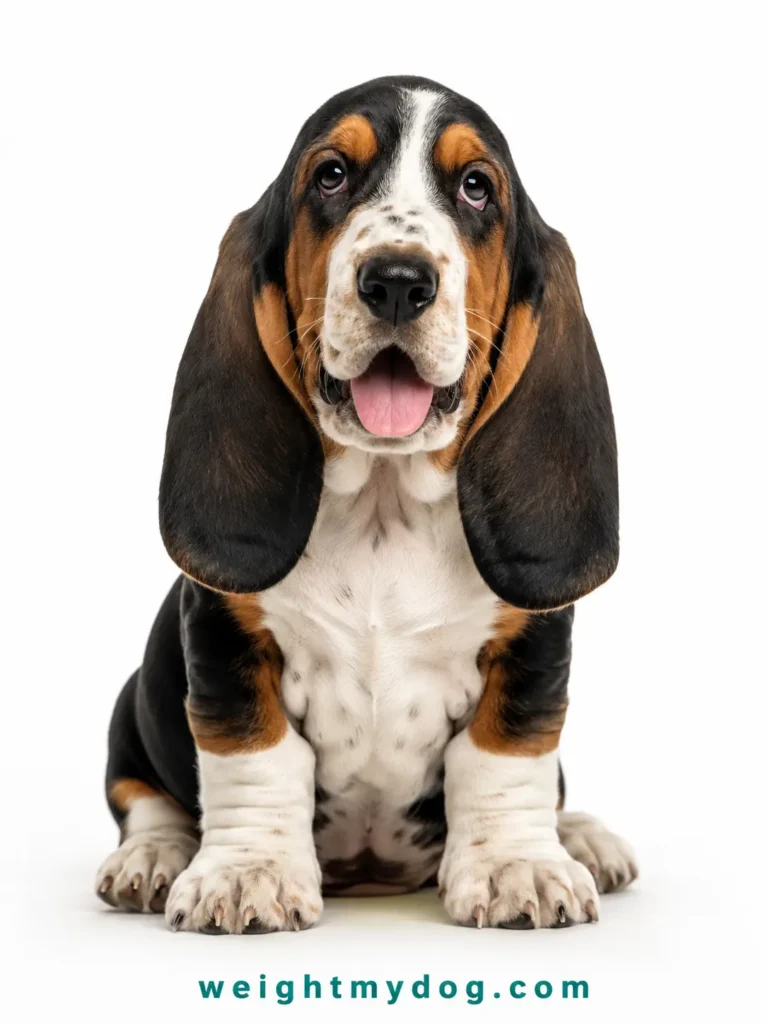
Basset Hounds carry a quiet dignity that most dog breeds overlook entirely. Their distinct physique — short legs, long bodies, and droopy ears — makes weight tracking uniquely important. Understanding growth patterns helps owners make better health decisions early.
Many pet parents underestimate how surprisingly dense and heavier these medium-sized dogs truly are. A balanced diet and consistent monitoring matter more than most realize. Their low stature does not reflect their actual body mass or nutritional demands during key development phases.
From birth through adulthood, Basset Hound puppies follow a gradual ascent in weight that demands careful tracking. Genetics, gender, and lifestyle all influence how individual puppies progress. No two individual dogs follow exactly the same growth trajectory throughout their first year of life.
Using a weight chart specific to this breed provides far more accurate estimates than generic tools. Males and females develop differently, and size difference between genders becomes apparent after 6 months. A growth chart tailored to Basset Hounds removes the guesswork entirely.
Veterinarian visits alongside regular home monitoring create the strongest foundation for long-term health. Annual veterinary exams catch subtle shifts in overall health before they escalate. Early preventative care consistently outperforms reactive treatment in every measurable way.
A dedicated owner who tracks weight, monitors diet, and schedules regular vet check-ups gives their Basset Hound the best chance at a genuinely happy life. The growth journey from newborn to full size is remarkable, rewarding, and worth every careful step forward.
Basset Hound Weight Calculator
| Age | ♂ Male (Expected) | ♀ Female (Expected) | Your Dog |
|---|
How to use the Basset Hound Weight Calculator
Get your Basset Hound's ideal weight in under 10 seconds. No account needed.
Enter your dog’s details
Enter your Basset Hound's current age, weight, and gender. Works in both lbs and kg — supports weeks, months, and years.
Get your instant weight results
See your Basset Hound's predicted adult weight range, current ideal weight, visual growth chart, and health status — instantly calculated.
Check your dog’s health status
Find out if your Basset Hound is underweight, ideal, or overweight based on breeder and parent-breed data — and get a personalised feeding guide.
Male Basset Hound Growth, Weight & Height Chart by Age
| Age | Male Weight | Male Height |
|---|---|---|
| 4 Weeks | 1 – 2 lbs (0.5 – 0.9 kg) | 2 – 3 in (5 – 8 cm) |
| 2 Months | 3 – 6 lbs (1.4 – 2.7 kg) | 4 – 6 in (10 – 15 cm) |
| 3 Months | 8 – 12 lbs (3.6 – 5.4 kg) | 6 – 8 in (15 – 20 cm) |
| 4 Months | 13 – 19 lbs (5.9 – 8.6 kg) | 7 – 9 in (18 – 23 cm) |
| 5 Months | 18 – 26 lbs (8.2 – 11.8 kg) | 8 – 10 in (20 – 25 cm) |
| 6 Months | 24 – 34 lbs (10.9 – 15.4 kg) | 9 – 11 in (23 – 28 cm) |
| 7 Months | 29 – 40 lbs (13.2 – 18.1 kg) | 10 – 12 in (25 – 30 cm) |
| 8 Months | 34 – 46 lbs (15.4 – 20.9 kg) | 11 – 13 in (28 – 33 cm) |
| 9 Months | 38 – 51 lbs (17.2 – 23.1 kg) | 12 – 14 in (30 – 36 cm) |
| 10 Months | 42 – 56 lbs (19.1 – 25.4 kg) | 12 – 14 in (30 – 36 cm) |
| 11 Months | 46 – 61 lbs (20.9 – 27.7 kg) | 13 – 15 in (33 – 38 cm) |
| 12 Months | 49 – 64 lbs (22.2 – 29.0 kg) | 13 – 15 in (33 – 38 cm) |
| 14 Months | 52 – 67 lbs (23.6 – 30.4 kg) | 14 – 15 in (36 – 38 cm) |
| 16 Months | 54 – 70 lbs (24.5 – 31.8 kg) | 14 – 15 in (36 – 38 cm) |
| 18 Months (Adult) | 55 – 75 lbs (25.0 – 34.0 kg) | Up to 15 in (38 cm) |
Female Basset Hound Growth, Weight & Height Chart by Age
| Age | Female Weight | Female Height |
|---|---|---|
| 4 Weeks | 1 – 2 lbs (0.5 – 0.9 kg) | 2 – 3 in (5 – 8 cm) |
| 2 Months | 3 – 5 lbs (1.4 – 2.3 kg) | 4 – 5 in (10 – 13 cm) |
| 3 Months | 7 – 10 lbs (3.2 – 4.5 kg) | 5 – 7 in (13 – 18 cm) |
| 4 Months | 11 – 16 lbs (5.0 – 7.3 kg) | 6 – 8 in (15 – 20 cm) |
| 5 Months | 15 – 22 lbs (6.8 – 10.0 kg) | 7 – 9 in (18 – 23 cm) |
| 6 Months | 20 – 29 lbs (9.1 – 13.2 kg) | 8 – 10 in (20 – 25 cm) |
| 7 Months | 24 – 35 lbs (10.9 – 15.9 kg) | 9 – 11 in (23 – 28 cm) |
| 8 Months | 28 – 40 lbs (12.7 – 18.1 kg) | 10 – 12 in (25 – 30 cm) |
| 9 Months | 32 – 45 lbs (14.5 – 20.4 kg) | 11 – 13 in (28 – 33 cm) |
| 10 Months | 36 – 49 lbs (16.3 – 22.2 kg) | 11 – 13 in (28 – 33 cm) |
| 11 Months | 39 – 54 lbs (17.7 – 24.5 kg) | 12 – 14 in (30 – 36 cm) |
| 12 Months | 42 – 57 lbs (19.1 – 25.9 kg) | 12 – 14 in (30 – 36 cm) |
| 14 Months | 44 – 60 lbs (20.0 – 27.2 kg) | 13 – 14 in (33 – 36 cm) |
| 16 Months | 45 – 62 lbs (20.4 – 28.1 kg) | 13 – 14 in (33 – 36 cm) |
| 18 Months (Adult) | 45 – 65 lbs (20.0 – 29.5 kg) | Up to 14 in (36 cm) |
Puppy Growth Chart And AKC Breed Weight Standard
| Breed Size | 8 Weeks | 3 Months | 4 Months | 6 Months | 1 Year |
|---|---|---|---|---|---|
| Toy | 0.9 – 1.8 kg | 1.4 – 2 kg | 2 – 2.5 kg | 2.5 – 3 kg | 3 – 5.5 kg |
| Small | 1.5 – 3 kg | 3 – 5 kg | 4 – 7 kg | 6 – 9 kg | 6 – 11 kg |
| Medium | 3 – 5 kg | 5 – 8 kg | 8 – 13 kg | 10 – 18 kg | 11 – 23 kg |
| Large | 5 – 9 kg | 9 – 12 kg | 12 – 20 kg | 18 – 30 kg | 23 – 45 kg |
| Giant | 7 – 12 kg | 12 – 18 kg | 18 – 28 kg | 28 – 40 kg | 45 – 70 kg |
Basset Hound Breed Overview
Basset Hounds originated in France and Belgium, developed by French aristocrats to hunt hare and follow trails through rough terrain. The French word bas literally means “rather low,” perfectly capturing this close-to-the-ground breed‘s defining trait and unique build.
Descended from the Bloodhound, Bassets inherited an incredible sense of smell that made them exceptional hunters. They were bred to follow ground scent, chase rabbits, and track deer with a methodical pace that matched human walkers across different environments remarkably well.
The American Kennel Club and Kennel Club both classify them as true hounds with a Category Three breed designation. Their unmistakable breed characteristics include elongated ears, soulful eyes, velvety ears, droopy expressions, and a solemn expression that masks a genuinely charming interior personality.
Male Basset Hounds tend to be bulky and heavier, while females are significantly lighter with unique proportions that remain pronounced throughout adulthood. Their deep chests, long back, long nose, and excess skin with visible wrinkles give them their head-turning looks and endearing personality.
Despite appearing lazy and laid-back attitude outwardly, Basset Hounds are intelligent, independent, loyal, affectionate, and friendly toward children, people, and other friendly dogs. They make excellent companions and genuinely good pets for families who appreciate low-key dogs with individual personalities.
Their moderate shedding, distinct odour, and floppy ears require attention, but their agreeable, playful, and eager-to-please nature consistently wins over even the most reluctant dog lovers. Few purebred dogs combine such head-turning looks with such a laid-back attitude so naturally and completely.
At What Age Is a Basset Hound Fully Grown?
Most Basset Hounds reach full height between twelve to fourteen months, though their bodies continue filling out well beyond that point. Physical maturity in terms of muscle mass and bulk typically isn’t complete until closer to 2 years old for most individuals.
The first year of life represents the most dramatic rapid growth phase, particularly during the first six months. After one year old, the growth rate slows down considerably, but development continues as the Basset Hound fills out with additional muscle and body weight gradually.
By 18 months, most Basset Hounds have reached approximately 90% adult size, with remaining changes being subtle. Eighteen months marks a critical transition from puppy to adult physiology, though some larger Basset Hounds continue developing until closer to 2 years fully.
Males typically finishes growing later than females, with some male Basset Hounds showing continued development through 16 months or even beyond. Females generally reach their final expected size earlier, often completing most growth between 12 and 18 months of consistent steady growth.
A professional breeder will often tell you that Basset Hounds are genuinely slow developers by medium dog breeds standards. Unlike a Retriever, which matures faster, Basset Hounds follow their own rate through each growth stage, making patience absolutely essential for accurate size prediction.
Understanding that full size involves both height and weight helps owners avoid premature diet changes. Switching to adult food too early can disrupt development. Always consult your veterinarian before making any transition from specially formulated puppy food to standard high-quality adult dog food.
How Big Should a 6-Month-Old Basset Hound Be?
At 6 months old, a Basset Hound puppy has typically completed a significant portion of its rapid growth phase. Male Basset Hound puppies generally weigh between 30–45 pounds at this stage, while females typically register between 25–38 pounds on a pet scale.
Height at six months old usually ranges from 8.5–12 inches measured at the shoulder. Some puppies fall toward the higher end while others remain in the medium range, both being perfectly normal depending on genetics and parents’ size. Checking a growth chart confirms whether your pup is on track.
The 6-month-old Basset Hound will show clearly pronounced short legs, a notably long chest, and beginning wrinkles forming across the face. Their adorably floppy ears may already sweep up dirt and debris from the ground as they explore different environments with curiosity.
By this age, the growth rate begins its first noticeable slows down, shifting from rapid growth periods to something more steady. Nutrients from specially formulated puppy food remain crucial at 6 months since developing joints and leg bones still require targeted nutritional support consistently.
Basset Hound puppies at six months should be receiving two meals per day or three measured meals depending on vet advice and individual appetite. Free-feeding is strongly discouraged since this breed is famously prone to obesity and will consistently overeat without carefully controlled diet intervention from owners.
Current age and weight should both be cross-referenced against a Basset Hound growth chart at this milestone. If your 6-month-old appears overweight or significantly lighter than averages, consult vet immediately. A veterinarian-approved solution now prevents more expensive long-term consequences requiring intensive treatment later.
How Much Bigger Will My Basset Hound Get?
Predicting exactly how much bigger your Basset Hound grow depends heavily on current age, genetics, and the size of both parents. A puppy with a larger parent will naturally trend toward the upper end of breed weight ranges as development continues progressing.
Between 6–7 months and 12 months, most Basset Hounds experience continued filling out rather than dramatic height gains. Weight increases of 1–2 pounds per month are typical during this growth window. Sudden increases beyond this may signal overfeeding or an underlying health concern worth investigating promptly.
Using the weight chart formula — weigh yourself, then pick up your Basset Hound and weigh again, then subtract — gives a reasonable approximate at home. A bathroom scale works acceptably for puppies, but a scale large enough or dedicated pet scale provides more precise measurements for adult Basset Hounds.
The breed predicts final adult height between 10–14 inches at the shoulder, with weight landing between 40 and 65 pounds for most adults. Estimates based on parents’ size and current age offer the most reliable approximate of your pup’s estimated adult size and full adult size.
Basset Hound puppies who are 8 months old have usually completed most vertical growth but continue adding bulk and muscle mass for several more months. Their bodies keep filling out through 18 months, and some males may show continued development in chest and neck girth well beyond that point.
A professional breeder familiar with your puppy’s litter sizes and ancestors can provide invaluable insight into likely final expected size. Combined with regular vet check-ups and growth chart monitoring, this gives pet parents the clearest possible picture of their Basset Hound’s growth trajectory and expected full size.
Factors Affecting a Basset Hound’s Size
Genetics represent the single most powerful factor shaping a Basset Hound‘s ultimate size and weight. Bigger parents consistently produce bigger offspring, while genetically inheritable diseases can sometimes affect muscle mass, growth rate, and development in ways that alter expected adult body mass.
Diet quality during the growth period profoundly influences how effectively Basset Hound puppies build muscle and bone. Underfeeding during rapid growth periods creates nutritional deficits that affect developing joints and leg bones. Conversely, overfeeding accelerates unhealthy amount of weight gain and stresses already prone skeletal systems significantly.
Exercise levels during the early years shape muscle mass and body composition in lasting ways. Over-exercising growing joints through high-impact activities causes serious harm, while adequate exercise supports healthy development. Short play sessions and short daily walks strike the right balance for Basset Hound puppies consistently.
Life stage transitions — from weaning through the teenage months and into adulthood — each carry distinct nutritional needs. Failing to adjust food appropriately across each life stage creates long-term illness risks. Vet instructions guide these transition points more reliably than manufacturer’s recommendations alone for this specific breed.
Hereditary conditions like hip dysplasia, elbow dysplasia, and intervertebral degenerative disc disease can subtly alter growth patterns and size outcomes. Genetically inheritable diseases affecting bone development may cause limping, discomfort, or temporarily lame episodes during rapid growth periods, indicating need for immediate vet consultation and complete examination.
Gender differences are real but often overstated. Males typically reach heavier weights, while females remain more compact. Litter sizes, birth conditions, and life expectancy projections all factor into understanding how each individual dogs will develop. Approximations from a growth chart remain approximations — never absolute certainties for every Basset Hound individually.
Ideal Diet for Maintaining a Healthy Weight
Basset Hounds are notoriously food-motivated and prone to obesity, making diet management one of the most critical aspects of responsible Basset Hound ownership. A nutrient-rich, balanced diet built around real meat as the primary ingredient provides the essential foundation for healthy weight maintenance throughout adulthood.
Puppy food should be specially formulated puppy food during the first year of life to support developing joints and rapid growth. Once your Basset Hound reaches approximately 12 months, consult your veterinarian about beginning a gradual transition to high-quality adult dog food with appropriate calorie intake targets established.
Feeding schedule consistency matters enormously for this breed. Serving two separate meals or three measured meals daily prevents gastric dilatation-volvulus, commonly known as bloat. Owners should wait one hour before and one to two hours after meals before allowing vigorous exercise or intense play sessions to reduce dangerous risk of bloat significantly.
Restricted calories are sometimes necessary for Basset Hounds with a tendency toward rapid weight gain. A prescription diet or diet dog food recommended by your veterinarian addresses obese conditions more safely than home-managed cut back approaches. Never restrict food dramatically without professional supervision, as underfeeding creates its own serious health problems.
Senior dog food becomes appropriate once your Basset Hound enters its later years, with adjusted calorie intake and appropriate supplements for joint health and long-term health maintenance. Senior Basset Hounds require fewer calories but more targeted nutrients to maintain healthy weight and muscle mass effectively throughout aging processes.
Avoid free-feeding entirely and monitor treats carefully — high-value treats like cheese should be offered sparingly during positive training sessions only. Feeding guidelines on packaging reflect averages, not individualized needs. Always cross-reference with vet recommendations and a weight management program tailored specifically to your Basset Hound‘s life stage and current age.
How to Measure Your Basset Hound
Accurately measuring a Basset Hound requires understanding their unique build. Height is measured from the ground to the highest point of the shoulder blades — this is called the withers. Place your Basset Hound on a firm, flat floor with all four paws positioned evenly for consistent exact measurement results.
Use a door frame or flat wall for standing height measurements. A measuring tape run from the ground to the shoulder gives height in inches. For body length, measure from the base of the neck to the base of the tail, capturing the full long back length that is a hallmark of the breed.
For weight, a bathroom scale works for puppies under 30 pounds. For adult Basset Hounds, weigh yourself first, then weigh yourself holding your dog, and subtract the difference. A dedicated weight scale or standard scale at your vet provides more precise measurements for accurate body mass tracking over time.
A pet scale designed for medium-sized dogs offers the most reliable readings for adult animals. Keep a growth chart and record measurements at consistent intervals — ideally monthly during the first year and twice daily weight checks if managing an obese or underweight Basset Hound under vet supervision closely.
Measure chest circumference just behind the front legs using a soft tape measure with light pressure. This additional measurement helps track bulk gain and filling out progress beyond simple weight numbers. Chest measurements combined with height and weight give a more complete picture of your Basset Hound’s actual development status.
Record all measurements consistently and bring them to annual veterinary exams for professional assessment. Veterinary visits that include precise measurements allow your vet to screen for health problems early and compare against Basset Hound Breed Standards. These records also help predict future size and monitor whether your pup is following a healthy growth pattern consistently.
How Do I Make Sure My Basset Hound Is Healthy?
Regular vet check-ups are the cornerstone of keeping your Basset Hound genuinely healthy. Annual veterinary exams combined with proactive preventative care dramatically reduce the risk of health problems escalating undetected. A complete examination each year gives your veterinarian the chance to assess overall health thoroughly and catch diseases early.
Dental cleanings are frequently overlooked but critically important for Basset Hounds. Adult teeth must be kept clean to prevent infections that can affect long-term health significantly. Regular dental cleanings through your vet and at-home care prevent the financial burden of major dental treatment procedures becoming expensive emergencies later in your Basset Hound‘s life expectancy.
Exercise regimen appropriateness matters greatly throughout all life stage phases. Short daily walks of five to ten minutes for young puppies protect developing joints while building healthy habits. As your Basset Hound matures, gradually increase walk lengths and exercise duration based on age, stamina, and vet guidance specific to your individual dog.
A pet insurance plan covering eligible costs reduces the financial burden of unexpected health problems. Basset Hounds are prone to numerous hereditary conditions, making insurance genuinely valuable. Preventative care combined with treatment coverage gives owners the freedom to consult vet immediately without hesitation whenever concerning symptoms appear in their loyal companions.
Socialisation during puppy stages significantly impacts mental and emotional health throughout adulthood. Exposing Basset Hound puppies to people, children, and other friendly dogs in different environments builds happy, well-adjusted adults. Consistent training during early years prevents stubborn behaviors from becoming entrenched patterns that are far harder to address in mature Basset Hounds.
Monitoring weight regularly at home between veterinary visits creates an invaluable health record. Sudden increases in weight or noticeable gaining weight outside normal growth patterns warrant immediate vet consultation. Keeping your Basset Hound within a healthy range of weight and providing a happy environment are the two most powerful long-term health investments any owner can make.
Signs Your Basset Hound Is Underweight
An underweight Basset Hound will show ribs that are easily visible rather than merely feel-able under light pressure. When ribs are clearly visible without needing to feel the body, this signals that weight has dropped below the safe healthy range requiring immediate vet attention and diet adjustment from your veterinarian.
Underfeeding or underlying health concern may both cause unhealthy amount of weight loss in Basset Hounds. Significant portion reductions in appetite, unusual sleeping patterns, or lethargy beyond their normal lazy resting behavior all signal potential health issue. Consult your vet immediately if your Basset Hound shows these signs, as no treatment delays are acceptable when weight loss is unusually uncomfortable.
Loss of muscle mass around the back, neck, and shoulders is another crucial indicator of underweight status. Basset Hounds should never appear tiny or wriggly pups-thin in adulthood. A veterinarian can determine whether long-term illness, genetically inheritable diseases, or diet issues are underlying health concern driving weight loss and recommend the right type of nutrient-rich food for recovery.
Signs Your Basset Hound Is Overweight
An overweight Basset Hound will have ribs that are impossible to feel even under firm pressure due to excess body mass accumulation. Additional weight across the chest, back, and neck changes the Basset Hound’s natural silhouette noticeably. Obese Basset Hounds often develop a distinct waddle that differs even from their normally slow and deliberate movement pace.
Rapid weight gain combined with reduced exercise tolerance are warning signs of obese trends. Basset Hounds that refuse short daily walks, seem unusually uncomfortable after minimal activity, or show discomfort when pick up likely carry excess weight stressing their short legs and long back. Implementing a weight management program with your vet and providing a carefully controlled diet reverses these dangerous long-term consequences for Basset Hounds.
Grooming
Basset Hounds require weekly brushing using a soft brush or rubber mitt to manage their moderate shedding effectively. Their smooth coat releases dead hair steadily throughout the year. Despite being short, the coat collects dirt, grime, and debris easily given how close-to-the-ground breed these dogs move through the world daily.
Their famous long ears are among the most maintenance-intensive features of the breed. Ear canals trap moisture, moisture build-up, and debris that create ideal conditions for yeast infections and recurring ear infections. Cleaning ears weekly with a damp cloth prevents moisture build-up and keeps the outer shaft and inner ear canals free of grime that leads to painful ear infections.
Skin folds and wrinkles must also be kept clean and dry to prevent skin fold dermatitis. A damp cloth gently wiped through skin folds removes trapped moisture and dirt. Skin diseases develop rapidly in not kept clean wrinkles, so weekly attention to these areas prevents infections and significant discomfort for your Basset Hound consistently.
Eye conditions are common in the breed, with lower eyelid droop and abnormal eyelids creating vulnerability to eye conditions including glaucoma. Droopiness around the eyes should be monitored at every vet visit. Preventative care through regular complete examination catches developing eye conditions before they progress to surgery or life-threatening complications requiring expensive ongoing treatment interventions.
The Basset Hound‘s velvety ears sweeps up debris from the ground with every step taken. Weekly ear cleaning is genuinely non-negotiable for this breed. Owners who develop a consistent grooming routine from puppy stages find their Basset Hounds far more agreeable about being handled during annual veterinary exams and other necessary health preventative care procedures.
Dental cleanings complement grooming routines beautifully. Baby teeth should be monitored as Basset Hound puppies develop, noting when adult teeth emerge. Using chew toys supports dental health between professional dental cleanings. A weekly grooming session covering coat, ears, skin folds, eyes, and teeth keeps your Basset Hound healthy, clean, comfortable, and looking genuinely their best.
Training
Basset Hounds are intelligent dogs who respond best to positive training sessions built around high-value treats and enthusiastic praise. Their independent and stubborn nature means harsh corrections are entirely counterproductive, damaging the loyal bond that makes Basset Hounds such wonderful companions over their life expectancy consistently.
Scent work is among the most effective and essential training activities for this scent hound breed. Activities that allow them to follow trails, use their incredible sense of smell, and engage in scent tracking fulfill deep instincts and make training feel rewarding. Basset Hounds trained through scent work show markedly improved consistent training responses overall.
Food-motivated Basset Hounds will work enthusiastically for cheese, real meat morsels, and other high-value treats during positive training sessions. Keep treats small to avoid contributing to overweight conditions. Patient and calmly delivered commands repeated across many consistent training sessions produce far better results than boisterous or vigorous training approaches with this breed.
Socialisation should begin during the puppy stage, ideally between 12–16 weeks, when Basset Hound puppies are most receptive. Introducing puppies to people, children, and other friendly dogs during this growth window shapes individual personalities positively. Boisterous play environments help developing Basset Hound puppies become coordinated, confident, and happy adults who train willingly.
Stubborn tendencies in Basset Hounds can be managed through patient repetition and consistent training schedules. Harsh corrections or vigorous exercise demands alienate these gentle hounds quickly. Short, engaging positive training sessions of five to ten minutes respect their independent nature while building essential obedience skills that make daily lifestyle management considerably easier for Basset owner families.
Adequate exercise through walking and structured play sessions directly supports training success. A physically satisfied Basset Hound focuses better during positive training sessions than a restless one. Combining regular exercise appropriate to age and life stage with consistent training creates a happy, healthy, and eager-to-please Basset Hound who is genuinely a joy to live with.
Key Takeaways
Basset Hounds reach full height by twelve to fourteen months but continue filling out until approximately 2 years old. Their unique build — short legs, long bodies, deep chests — means weight tracking requires breed-specific growth chart tools rather than generic medium-sized dogs resources. Always consult a veterinarian for personalized development guidance throughout every life stage transition.
Diet is the most controllable factor in maintaining your Basset Hound‘s healthy weight. Specially formulated puppy food during growth, high-quality adult dog food after 12 months, and senior dog food in later years all serve distinct essential purposes. Free-feeding must be avoided entirely since Basset Hounds are notoriously prone to obesity and will overeat given unlimited food access without hesitation.
Regular vet check-ups, annual veterinary exams, and proactive preventative care are non-negotiable for this breed. Hereditary conditions including hip dysplasia, intervertebral degenerative disc disease, elbow dysplasia, glaucoma, and skin fold dermatitis require monitoring. A pet insurance plan helps manage the financial burden of treatment for these genetically inheritable diseases throughout your Basset Hound‘s 12 to 13 years life expectancy.
Grooming routines — weekly brushing, ear cleaning, wrinkle maintenance, dental cleanings, and eye conditions monitoring — protect your Basset Hound from preventable infections and skin diseases. Establishing these habits during puppy stages makes adult Basset Hounds more agreeable about handling. Consistent grooming is true preventative care that saves owners significant treatment costs throughout their Basset Hound‘s happy life.
Training succeeds through patience, positive training sessions, high-value treats, and scent work that honors this breed‘s hunting breed heritage. Harsh corrections consistently backfire with Basset Hounds. Their independent, stubborn nature responds only to consistent training delivered calmly with genuine high-value treats reinforcement. Socialisation during 12–16 weeks creates happy, friendly, and loyal adult Basset Hounds who are true joy to train and live with.
Understanding your Basset Hound‘s growth from newborn through full grown status requires combining genetics awareness, weight chart monitoring, balanced diet management, and veterinarian guidance. No weight chart or growth chart replaces professional vet assessment for your individual dogs. Use all available tools — pet scale, growth chart, vet expertise — and your Basset Hound will thrive throughout every remarkable growth stage of their development journey beautifully.
Frequently Asked Questions — Basset Hound Weight
How Quickly Will My Basset Hound Puppy Grow?
Basset Hound puppies grow rapidly during the first six months, gaining several pounds each month as rapid growth drives both height and weight changes. After six months, the growth rate slows down noticeably as development shifts from vertical growth toward filling out and muscle mass accumulation steadily.
By one year old, most Basset Hounds have reached near full height, though continued development through 18 months to 2 years adds meaningful bulk and weight. Individual variation is significant — some puppies follow a gradual ascent, others show growth spurts — so tracking against a Basset Hound growth chart remains the most reliable monitoring approach.
Is My Basset Hound’s Long Body Typical for the Breed?
Absolutely — the long body and short legs are among the most defining trait characteristics of the Basset Hound breed. Their distinct physique results from centuries of selective breeding to create low hunters capable of navigating rough terrain while following scent at a methodical pace easily tracked by humans on foot.
The long bodies relative to short stature are entirely normal and essential to breed standards recognized by both the American Kennel Club and Kennel Club. Their unique proportions — including the long back, deep chests, and short-legged frame — distinguish Basset Hounds from other medium-sized dogs and reflect their ancestors’ purpose as true hounds bred for scent tracking.
How Much Should My Basset Hound Puppy Weigh at 3 Months?
At 3 months old, Basset Hound puppies typically weigh between 15–25 lb depending on gender and genetics. Males tend toward the higher end of this range, while females often fall toward 15 to 25 pounds’ lower boundary. This growth phase represents some of the most rapid development your puppy will experience.
Checking a Basset Hound growth chart for 3 months helps confirm whether your pup is on track. If your puppy’s weight falls significantly outside expected averages, consult vet without delay. Early identification of weight concerns at 3 months old prevents both underfeeding and overfeeding complications from creating long-term health problems for your growing Basset Hound.
When Will My Basset Hound’s Ears Fully Develop?
Basset Hound ears are already prominent at birth, but their full length and characteristic droopy ears shape typically fully develop by around 6–7 months. The velvety ears and elongated ears continue to deepen in droopiness as your Basset Hound matures, becoming one of the breed’s most defining trait features through adulthood.
The long ears serve a functional purpose — they were bred to help follow ground scent by channeling scent particles upward toward the long nose. Caring for adorably floppy ears throughout development is crucial since the ear canals remain prone to recurring ear infections as ears mature. Weekly cleaning becomes increasingly important as ears reach their full characteristic droopy ears shape.
How Can I Ensure My Basset Hound Puppy Doesn’t Become Overweight?
Preventing overweight conditions begins with establishing a feeding schedule from the very start of your Basset Hound puppy’s time in your home. Serve two meals per day or three measured meals rather than practicing free-feeding, and follow feeding guidelines adjusted according to vet advice rather than relying solely on packaging manufacturer’s recommendations alone.
Monitor weight monthly using a pet scale or bathroom scale method and compare against a Basset Hound growth chart. Avoid overfeeding high-value treats and keep calorie intake carefully tracked. Regular exercise through short daily walks and age-appropriate play sessions prevents rapid weight gain while supporting healthy development of muscle mass and joint health throughout all growth stages.
Are There Growth-Related Health Issues I Should Watch Out For?
Several growth-related health problems are common in Basset Hounds. Panosteitis, a condition causing temporarily lame and limping during rapid growth periods, affects many Basset Hound puppies between 5–8 months. Growing pains of this nature typically require pain medication and rest, with no treatment beyond anti-inflammatory drugs needed in most cases.
Intervertebral degenerative disc disease — known as IVDD or slipped disc — causes back pain, discomfort, paralysis risk, and sometimes requires surgery. Elbow dysplasia and hip dysplasia are additional genetically inheritable diseases affecting developing joints during growth. Early identification through regular vet check-ups and annual veterinary exams enables treatment before conditions progress to life-threatening severity or require highly expensive intervention.
How Often Should I Feed My Growing Basset Hound?
Basset Hound puppies under 4 months should be fed three times a day to support their rapid growth nutrient needs adequately. Between 4 months and 12 months, twice daily feeding with specially formulated puppy food maintains appropriate calorie intake while preventing overfeeding risks. Always measure food portions precisely rather than estimating amounts casually.
After twelve to fourteen months, transition to two separate meals of high-quality adult dog food following your veterinarian’s feeding guidelines. Consult vet before any transition in feeding schedule to ensure your Basset Hound receives appropriate nutrients for their current life stage. Consistent feeding schedule timing also reduces risk of bloat — a genuinely life-threatening condition for this deep chests breed that owners must take seriously.
How Tall Will My Basset Hound Get?
Basset Hounds typically reach adult height between 10–15 inches measured at the shoulder, with males more commonly reaching 13 to 15 inches and females slightly shorter. Their full height is usually established by twelve to fourteen months, though some individual dogs — particularly larger Basset Hounds — may continue gaining height marginally through 18 months of consistent development.
This famously short dog breed stands remarkably low to the ground despite their surprisingly heavy dogs body weight. Their 10–14 inches range reflects the Basset Hound Breed Standards established by both the American Kennel Club and Kennel Club. Heights beyond 15 inches are considered outside breed standard, while heights below 9 inches may indicate underlying health concern or hereditary conditions affecting bone development.
Do Basset Hounds Have Growth Spurts?
Yes — Basset Hounds absolutely experience growth spurts, particularly during the first six months of life. These rapid growth periods are characterized by noticeable weight gains, increased appetite, extended sleeping durations, and sometimes temporarily lame or clumsy movement as the body adjusts. Growth spurts are normal and expected during the growth period for this breed.
Growth spurts typically slow down after 6 months, transitioning into more gradual ascent steady growth through 12 months and beyond. Basset Hound puppies may seem unusually uncomfortable or clumsy during growth spurts as developing joints and leg bones adjust rapidly. Providing appropriate food and adequate exercise — without over-exercising — during growth spurts protects long-term health and supports smooth developmental milestones progression.
How Much Exercise Does My Basset Hound Puppy Need?
Basset Hound puppies require gentle, controlled exercise to protect developing joints while building appropriate muscle mass. A general guideline recommends five to ten minutes of walking per month of age, twice daily, during the first year of life. Exceeding this risks over-exercising growing joints and causing joint issues or back pain requiring treatment.
High-impact activities like vigorous exercise, jumping, or chasing over rough terrain should be avoided during rapid growth periods. Short daily walks combined with play sessions provide adequate exercise without straining developing joints or leg bones. As your Basset Hound reaches physical maturity near 2 years, moderate exercise can increase appropriately based on vet guidance and individual lifestyle considerations.
When Is It Safe to Take My Basset Hound Puppy for Longer Walks?
Longer walks become safer once your Basset Hound has passed their most intense rapid growth periods, typically after 12 months. Before this, over-exercising growing joints risks causing joint issues, limping, or early intervertebral degenerative disc disease onset. Gradually increase walk lengths between 12 to 16 months following vet instructions for your specific Basset Hound.
By 18 months, most Basset Hounds can handle moderate exercise including longer walks of one to two hours broken into segments throughout the day. Always watch for discomfort, limping, or back pain signs during any exercise increase. Regular vet check-ups during this transition period confirm your Basset Hound’s developing joints and muscle mass are ready for gradually increase physical demands safely.
How Do I Know if My Puppy’s Weight Is on Track?
The most reliable way to confirm your Basset Hound puppy’s weight is on track is comparing current age and weight measurements against a breed-specific weight chart or growth chart. Basset Hound weight chart data accounts for size difference between males and females, giving more accurate estimates than generic dog growth tools designed for medium-sized breeds generally.
At home, use the weigh yourself, then weigh yourself holding your puppy method, and subtract to find your pup’s weight. Record results monthly and bring to veterinary visits for professional review. If weight consistently falls outside expected averages on your Basset Hound growth chart, consult vet promptly — early intervention prevents both underfeeding and overfeeding from causing long-term developmental health problems.
When Do Basset Hounds Mature Mentally?
Basset Hounds mature mentally significantly later than they reach physical maturity. While full height arrives around twelve to fourteen months, genuine mental maturity and adult behavioral patterns typically solidify between 2 years old and 3 years. Until then, expect puppy-like boisterous, playful, and occasionally stubborn behavior even in physically full grown Basset Hounds.
The teenage months between 8–11 inches of growth and 2 years old represent the most challenging behavioral period for Basset Hound owners. Consistent training, patience, positive training sessions, and continued socialisation during this window significantly shape individual personalities and long-term loyal companion behaviors. Mentally mature Basset Hounds become the calm, affectionate, happy adults the breed is celebrated for across generations of devoted owners.
What’s the Difference Between Male and Female Growth Patterns?
Male Basset Hounds consistently reach heavier adult weight — typically 40–65 pounds — compared to females, who generally settle between 35–50 pounds. Males also tend toward greater muscle mass and chest bulk, while females remain more compact even at full size. Both genders follow similar growth rate trajectories but at slightly different timelines.
Female Basset Hounds often reach full height and near adult weight earlier than males — sometimes by 12 months — while male Basset Hounds may continue filling out until 18 months or beyond. Understanding this size difference helps owners set accurate growth chart expectations. Consult a professional breeder or veterinarian familiar with both genders for precise predictions based on your specific Basset Hound’s parents’ size and genetics.
Can Basset Hounds Experience Growing Pains?
Yes — Basset Hounds can experience genuine growing pains through a condition called panosteitis, which causes temporary limping, discomfort, and extreme pain in the leg bones during rapid growth periods. Panosteitis typically affects puppies between 5–7 inches of growth activity, often shifting between different legs unpredictably, making owners understandably concerned about what they observe.
Anti-inflammatory drugs and pain medication manage panosteitis effectively, with most Basset Hound puppies recovering completely without lasting health problems. No treatment beyond pain medication and controlled rest is usually necessary. However, consult vet immediately to distinguish growing pains from more serious conditions like hip dysplasia, elbow dysplasia, or slipped disc that require different treatment approaches and potentially surgery intervention for resolution.
How Long Should I Feed My Basset Hound Puppy Food?
Basset Hound puppies should receive specially formulated puppy food until approximately 12 months of age, when growth rate slows down and nutritional needs shift. Some larger Basset Hounds may benefit from extending puppy food through 12 to 16 months under vet guidance. Always consult your veterinarian before beginning the transition to adult food for your specific puppy.
Making the switch diet to high-quality adult dog food too early deprives developing joints and muscle mass of essential nutrients provided by puppy food formulations. Making the transition too late risks overfeeding calorie-dense puppy food to a Basset Hound whose growth has already slows down. Vet instructions ensure timing is correct, preventing both underfeeding concerns and obese outcomes during this crucial life stage transition period.
How Can I Prevent Joint Issues in My Growing Basset Hound?
Preventing joint issues in growing Basset Hounds starts with avoiding over-exercising during rapid growth periods. High-impact activities, vigorous exercise, and extended walking on rough terrain strain developing joints and leg bones before they are structurally ready. Sticking to short daily walks and five to ten minutes play sessions per age month protects joint health effectively during the growth period.
Appropriate supplements recommended by your veterinarian support joint health during development. Balanced diet with real meat and essential nutrients provides the building blocks developing joints require. Maintaining healthy weight through carefully controlled diet prevents additional weight from stressing short legs and the characteristic long back. Regular vet check-ups monitor joint health and catch early hip dysplasia or elbow dysplasia signs before they cause lasting intervertebral degenerative disc disease complications.
Is It Normal for My Basset Hound Puppy to Be a Bit Clumsy?
Absolutely — Basset Hound puppies being clumsy is entirely normal and even an endearing classic puppy feature of this breed. Their long bodies, short legs, and oversized paws relative to the rest of their body during early development create natural coordination challenges. Most Basset Hound puppies appear hilariously clumsy until their bodies begin filling out and muscular coordination improves naturally.
Clumsy movement that persists beyond 12 months or is accompanied by limping, discomfort, or apparent extreme pain should be evaluated by a veterinarian. Genuine coordination challenges may indicate developing joints issues or early intervertebral degenerative disc disease rather than normal puppy development. A complete examination distinguishes charming classic puppy feature clumsy behavior from actual health issue symptoms requiring treatment and monitoring.
When Will My Basset Hound Puppy Get His Adult Coat?
The puppy coat of a Basset Hound gradually transitions to the adult coat between 4 months and 12 months of age. This transformation is subtle compared to other dog breeds since both puppy coat and adult coat are smooth and short in texture. Most owners notice the adult coat becoming noticeably denser and more pronounced in smooth texture by 6–7 months consistently.
Weekly brushing during this coat transformation period removes dead puppy coat hair and stimulates healthy adult coat growth. A soft brush or rubber mitt works perfectly for this breed’s smooth coat texture. The adult coat requires the same weekly maintenance as the puppy coat — moderate shedding continues year-round, so establishing grooming habits during this transformation phase creates lasting positive coat management patterns for your Basset Hound.
Why Does My Basset Hound Puppy Sleep So Much?
Basset Hound puppies sleep extensively — often 16–18 hours daily — because sleep is when the most significant growth and development processes occur. During sleep, growth hormones drive muscle mass development, bone formation, and neurological development simultaneously. The rapid growth demands of the first year of life make extensive sleeping not just normal but genuinely essential for healthy Basset Hound development.
As your Basset Hound matures past 12 months, sleeping duration naturally reduces, though this breed’s laid-back attitude means they remain dedicated sleep enthusiasts well into adulthood. Basset Hounds are naturally low-key dogs who conserve energy between play sessions and walking through prolonged sleeping periods. This perfectly normal lifestyle characteristic becomes their most charming and endearing personality trait — they rest calmly and thoroughly, rising refreshed for whatever adventures await.
When Do Basset Hound Puppies Lose Their Baby Teeth?
Basset Hound puppies begin losing baby teeth around 3–4 months of age, with the teething process typically completing between 6–7 months as adult teeth fully emerge. Teething discomfort during this window makes chew toys absolutely essential — they soothe teething discomfort, protect household items, and support healthy dental development simultaneously in growing Basset Hound puppies.
By 7–8 months, most Basset Hound puppies will have their complete set of adult teeth fully established. If baby teeth haven’t been replaced by adult teeth by 8 months old, consult vet promptly — retained baby teeth can cause dental alignment problems requiring professional intervention. Regular dental cleanings beginning during puppy stages establish vital habits that protect your Basset Hound’s adult teeth and overall long-term health across their entire life expectancy.
Table of Contents
Toggle