
Stabyhoun Weight Calculator — Free Puppy & Dog Growth Chart by Age
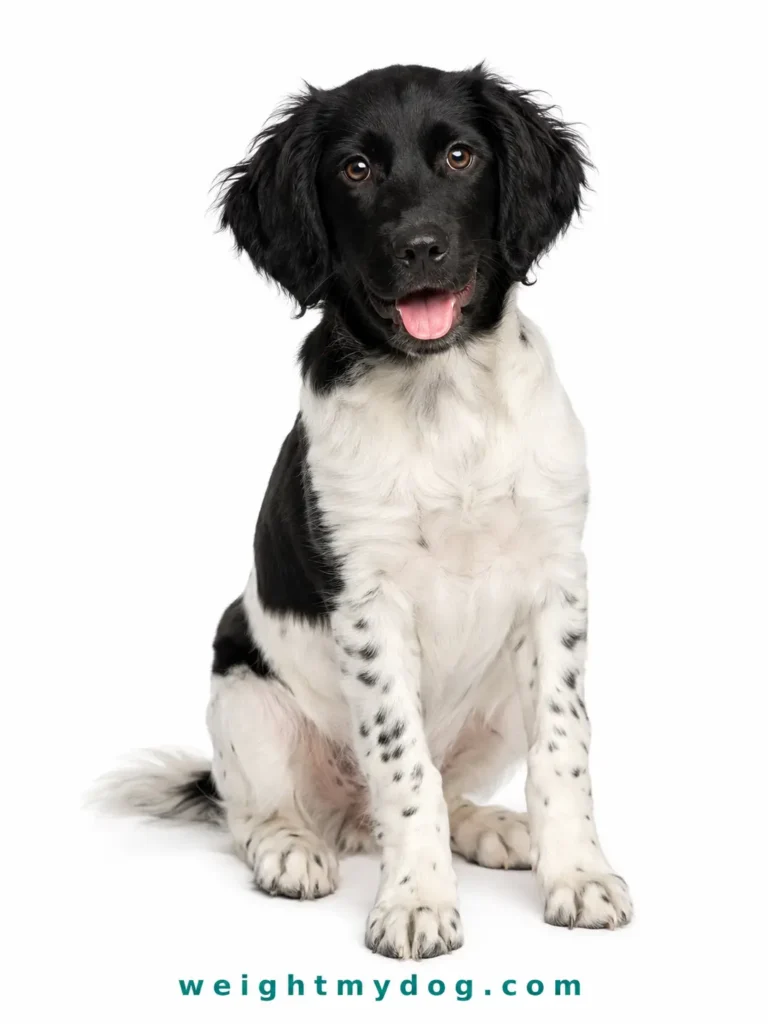
The Stabyhoun is a Dutch national treasure — a versatile, loyal, and highly-trainable breed with deep roots in Friesland. Understanding how your Stabyhoun puppy grows helps you make smarter health decisions from day one.
Working with a puppy weight calculator gives owners a reliable dog size predictor that tracks developmental milestones across every life stage. These tools make estimating your dog’s adult size far more predictable and accurate over time.
From 8 weeks to 24 months, your Stabyhoun moves through growth phases that affect nutrition, exercise, and vet care planning. Staying informed protects both vitality and long-term health for this magnificent breed.
A puppy growth chart combined with WALTHAM standardized growth charts provides a solid foundation for monitoring your dog’s weight trajectory across medium breeds and beyond throughout development.
Every Stabyhoun owner should understand breed-specific size milestones. Whether tracking male or female growth, a dog weight estimator removes guesswork and supports better veterinary planning across all life stage transitions.
The Netherlands produced one of the rarest dog breeds alive — fewer than 6000 registered worldwide. Knowing your Stabyhoun’s ideal body weight ensures they thrive across their full 13–14 years of life.
Stabyhoun Weight Calculator
| Age | ♂ Male (Expected) | ♀ Female (Expected) | Your Dog |
|---|
How to use the Stabyhoun Weight Calculator
Get your Stabyhoun's ideal weight in under 10 seconds. No account needed.
Enter your dog’s details
Enter your Stabyhoun's current age, weight, and gender. Works in both lbs and kg — supports weeks, months, and years.
Get your instant weight results
See your Stabyhoun's predicted adult weight range, current ideal weight, visual growth chart, and health status — instantly calculated.
Check your dog’s health status
Find out if your Stabyhoun is underweight, ideal, or overweight based on breeder and parent-breed data — and get a personalised feeding guide.
Male Stabyhoun Growth, Weight & Height Chart by Age
| Age | Male Weight | Male Height |
|---|---|---|
| 4 Weeks | 1 – 2 lbs (0.5 – 0.9 kg) | 3 – 4 in (8 – 10 cm) |
| 2 Months | 7 – 8 lbs (3.2 – 3.6 kg) | 6 – 7 in (15 – 18 cm) |
| 3 Months | 10 – 13 lbs (4.5 – 5.9 kg) | 8 – 9 in (20 – 23 cm) |
| 4 Months | 15 – 19 lbs (6.8 – 8.6 kg) | 10 – 12 in (25 – 30 cm) |
| 5 Months | 20 – 25 lbs (9.1 – 11.3 kg) | 12 – 14 in (30 – 36 cm) |
| 6 Months | 25 – 32 lbs (11.3 – 14.5 kg) | 14 – 16 in (36 – 41 cm) |
| 7 Months | 30 – 37 lbs (13.6 – 16.8 kg) | 15 – 17 in (38 – 43 cm) |
| 8 Months | 34 – 41 lbs (15.4 – 18.6 kg) | 16 – 18 in (41 – 46 cm) |
| 9 Months | 38 – 45 lbs (17.2 – 20.4 kg) | 17 – 19 in (43 – 48 cm) |
| 10 Months | 42 – 48 lbs (19.1 – 21.8 kg) | 18 – 20 in (46 – 51 cm) |
| 11 Months | 45 – 51 lbs (20.4 – 23.1 kg) | 18.5 – 20.5 in (47 – 52 cm) |
| 12 Months | 48 – 53 lbs (21.8 – 24.0 kg) | 19 – 21 in (48 – 53 cm) |
| 15 Months (Adult) | 50 – 55 lbs (22.7 – 24.9 kg) | 19 – 21 in (48 – 53 cm) |
Female Stabyhoun Growth, Weight & Height Chart by Age
| Age | Female Weight | Female Height |
|---|---|---|
| 4 Weeks | 0.8 – 1.5 lbs (0.4 – 0.7 kg) | 3 – 4 in (8 – 10 cm) |
| 2 Months | 6 – 7 lbs (2.7 – 3.2 kg) | 5 – 6 in (13 – 15 cm) |
| 3 Months | 9 – 11 lbs (4.1 – 5.0 kg) | 7 – 8 in (18 – 20 cm) |
| 4 Months | 13 – 16 lbs (5.9 – 7.3 kg) | 9 – 11 in (23 – 28 cm) |
| 5 Months | 17 – 21 lbs (7.7 – 9.5 kg) | 11 – 13 in (28 – 33 cm) |
| 6 Months | 21 – 27 lbs (9.5 – 12.2 kg) | 13 – 15 in (33 – 38 cm) |
| 7 Months | 25 – 31 lbs (11.3 – 14.1 kg) | 14 – 16 in (36 – 41 cm) |
| 8 Months | 28 – 34 lbs (12.7 – 15.4 kg) | 15 – 17 in (38 – 43 cm) |
| 9 Months | 31 – 37 lbs (14.1 – 16.8 kg) | 16 – 18 in (41 – 46 cm) |
| 10 Months | 34 – 40 lbs (15.4 – 18.1 kg) | 17 – 19 in (43 – 48 cm) |
| 11 Months | 37 – 42 lbs (16.8 – 19.1 kg) | 18 – 19.5 in (46 – 50 cm) |
| 12 Months | 40 – 44 lbs (18.1 – 20.0 kg) | 18.5 – 19.5 in (47 – 50 cm) |
| 15 Months (Adult) | 40 – 50 lbs (18.0 – 23.0 kg) | 18.5 – 20 in (47 – 51 cm) |
Puppy Growth Chart And AKC Breed Weight Standard
| Breed Size | 8 Weeks | 3 Months | 4 Months | 6 Months | 1 Year |
|---|---|---|---|---|---|
| Toy | 0.9 – 1.8 kg | 1.4 – 2 kg | 2 – 2.5 kg | 2.5 – 3 kg | 3 – 5.5 kg |
| Small | 1.5 – 3 kg | 3 – 5 kg | 4 – 7 kg | 6 – 9 kg | 6 – 11 kg |
| Medium | 3 – 5 kg | 5 – 8 kg | 8 – 13 kg | 10 – 18 kg | 11 – 23 kg |
| Large | 5 – 9 kg | 9 – 12 kg | 12 – 20 kg | 18 – 30 kg | 23 – 45 kg |
| Giant | 7 – 12 kg | 12 – 18 kg | 18 – 28 kg | 28 – 40 kg | 45 – 70 kg |
Stabyhoun Breed Overview
The Stabyhoun — pronounced stay-be-hoon — traces origins to the Frisian forest lands of Northern Europe, where poor farmers relied on this breed for hunting, vermin control, and protecting livestock simultaneously across small farms.
The name derives from the Frisian word sta mij bij, meaning stand by me — reflecting the breed’s deeply loyal, companion dog nature. Historical records reference the Stabyhoun as early as the 1800s in Dutch literature and Joost Halbertsma’s writings.
Recognized officially by the American Kennel Club through its Foundation Stock Service in 1994, the breed was formally documented in the Netherlands around 1942, with the Dutch Association establishing breeding guidelines and breed standard requirements throughout 1944 and 1947.
The Kynologenclub Friesland and Dutch Association continue safeguarding breed integrity today. Only 6 million dogs remain registered globally — making the Stabyhoun one of the top five rarest breeds in existence across worldwide canine registries.
Closely related to the Wetterhoun, the Stabyhouns were developed in the east and southeast regions of Friesland. Unlike the Wetterhouns, Stabys are not muscular powerhouses but instead physically well-balanced, agile working dogs built for versatility.
The breed served as farm dogs, hunting dog, watchdog, and companion dog across centuries. The Friesian Pointer — another name for this breed — reflects its pointer heritage within the broader hunting group of Dutch sporting dogs.
Stabyhoun Size, Weight & Dimensions
The Stabyhoun is classified as a medium-sized breed. Males typically reach a withers height male of 48–53 cm and weigh between 18–25 kg, while females measure 48–51 cm at withers height female with a female average weight of 15–20 kg.
Withers height for the breed generally falls between 19–21 inches, with male height reaching 20–22 inches in some well-grown individuals. Female height averages 18–20 inches, placing the Stabyhoun firmly within medium-large size categories across global breed standard measurements.
Adult body weight ranges from 40–55 lbs for males and 44–48 lbs for females. The Dutch Association confirms breed weight range guidelines of 18–25 kg for males and 14–18 months as the age of full maturity for most individuals.
Body length from chest to tail base typically measures 61–66 cm, with standing height at withers reaching 51–55 lbs equivalent in structural size classification. The Stabyhoun is sturdy, not slender, with well-muscled limbs and a powerfully built but refined head structure.
The slightly domed skull, rounded eyes, black nose, and moderately long medium-length coat define the Stabyhoun’s signature silhouette. Large paws, straight legs, and a bushy tail with feathering contribute to its functional body and agile working profile.
Adult dog heights at withers confirm 31–34 inches in body length for taller males, while the female standard sits closer to 19–20 inches in height. The size consistency across the breed reflects decades of careful Dutch breeding within tight breed standard parameters.
Stabyhoun Breed Physical Traits
The Stabyhoun’s coat is one of its most distinctive physical features — medium-length, weather-resistant, with a dense undercoat and a silky fur texture that sheds dirt naturally without excessive bathing or grooming intervention throughout most seasons.
Coat colors include black, brown, and orange, always combined with white markings. Patterns range from pied, blaze, ticking, roaning, freckling, spotting, and roan — giving each Stabyhoun an individually unique and long-haired piebald appearance.
The coat also features feathering along the legs, chest, tail, and ears, with a weather-resistant undercoat beneath the smooth, tidy length medium length outer layer. Coat density increases during shedding season, requiring a deshedder, pin brush, metal comb, and regular comb use.
Eye color is typically dark brown or round brown eyes — deep, warm, and alert. Eye rims, nose color, and lip pigmentation follow coat base tones — black pigmentation for black-and-white dogs, lighter brown for brown-and-white individuals per breed standard.
The Stabyhoun’s tail is long, straight, and carried low with a natural wave at the tip — never curl. The bushy tail with flopping forward motion at rest distinguishes it visually from pointer breeds and reflects its Frisian hunting heritage beautifully.
Physically, the Stabyhoun has a rounded point to the back, a slightly domed skull, straight legs, a well-balanced frame, and large paws ideal for soft Friesland forest terrain. The breed is not muscular in the Bulldog sense but powerfully built for endurance across varied working dogs tasks.
Stabyhoun Temperament
The Stabyhoun is famously loyal, affectionate, and even-tempered — a child’s friend and calm companion that rarely barks without reason. Their patient, gentle nature makes them exceptional family dogs across all ages and living environments.
Known for being eager-to-please and intelligent, the Stabyhoun responds well to consistent training and reward-based obedience training. They are highly-trainable yet carry an independent nature — occasionally stubborn or headstrong when bored or under-stimulated in daily routines.
The Stabyhoun loves children, tolerates cats, other pets, and even calm housemates like guinea pigs and ferrets with proper socialization. Their prey drive means small animals like mice, rats, moles, and rabbits may trigger their instinct to chase wildlife.
Wary of strangers yet never aggressive, the Stabyhoun functions naturally as a watchdog — alert, reserved, and confident around new situations. They are excitable during play sessions but relaxed and calm indoors with their family members at rest.
Their devoted, responsive temperament means mental depression and compulsive deviant disorder can arise when left overwhelmed, under-exercised, or isolated for extended periods. A mental workout through tricks, fetch, frisbee, or tracking prevents odd behaviors and supports mood stability.
The Stabyhoun rarely displays alarm barking or destructive tendencies when properly stimulated. Their well-rounded character — brave, lively, obedient, and smart — makes them one of the most well-mannered multipurpose breeds across canine sports and family life simultaneously.
Stabyhoun Grooming & Maintenance
Despite its medium-length coat and feathering, the Stabyhoun requires surprisingly minimal grooming. The weather-resistant coat sheds dirt naturally, meaning baths are rarely needed — just two times a year or after particularly muddy outdoor romps and hikes.
Brushing should occur weekly during normal seasons and increase to brushing daily during shedding season. Use a pin brush for everyday loose hairs and a metal comb for tangles in feathering zones around ears, legs, tail, and chest areas thoroughly.
Ears should be checked weekly for moisture, dirt, and early signs of recurring ear infections. The Stabyhoun’s drop ears trap humidity, so keeping them cleaned and trimmed of excess dense hair reduces the risk of irritants and chronic discomfort developing seasonally.
Nails require monthly trimming with a proper nail clipper to prevent discomfort during daily walks and jogs. Overgrown nails affect mobility and place strain on joints — especially important for an active, athletic breed during field trials or canine sports participation.
Dental hygiene is critical — daily teeth brushing with canine toothpaste prevents buildup that leads to chronic health issues. Supplement at-home care routine with professional teeth cleaning and professional dental cleanings as part of the dental plan during regular visits to the veterinary clinic.
Seasonal shedding produces loose hairs across beds, collars, harnesses, and home furnishings. A deshedder used seasonally alongside weekly brushing frequency keeps the coat smooth, shinier coat, and tidy length — reflecting the Stabyhoun’s naturally dirt resistant and self-purifying outer coat texture.
Stabyhoun Exercise Needs
The Stabyhoun is a highly active breed that needs daily walks, jogs, hikes, fetch, and frisbee sessions to stay physically and mentally healthy. As working dogs, they carry natural energy levels that demand structured exercise across every day without exception.
Play sessions in a backyard or open property satisfy their prey drive and instinct to dig, hunt, and chase wildlife naturally. Without adequate exercise, Stabys become bored, headstrong, and prone to odd behaviors including compulsive deviant disorder tendencies over time.
Field trials, tracking, obedience, agility, and canine sports are ideal outlets for the Stabyhoun’s versatile, athletic body and intelligent mind. These multipurpose working dogs thrive when given structured jobs — not just casual walks or passive play around the home.
Puppies need moderated exercise to protect growing joints and growth plate closure timing. Avoid fast, high-impact romps before 12–18 months — joint growth is still active and excessive strain may accelerate elbow dysplasia or hip dysplasia risks in developing Stabyhoun frames.
Adult Stabys enjoy field trial work, jogs, and off-lead romps across Friesland-style terrain. Their ligaments, muscles, and bones were built for lightning speed across varied farm landscapes — making them ideal sporting dogs for obedience, agility, and tracking disciplines worldwide.
Mental workout is equally important as physical exercise for this intelligent, eager-to-please breed. Tricks, puzzle toys, frisbee, fetch, and learning new commands during daily training sessions prevent mental depression, lethargy, and mood instability in highly active adult Stabyhouns.
Stabyhoun Training
The Stabyhoun responds exceptionally well to reward-based obedience training — making consistency, patience, and positive reinforcement the most effective approach. Their eager-to-please and highly-trainable nature means training progress feels natural with the right patient handler.
Despite being intelligent and obedient, the Stabyhoun carries an independent nature that surfaces when training feels repetitive or boring. Mixing tricks, tracking, obedience, fetch, and agility tasks keeps learning fresh and prevents stubborn behaviour from becoming entrenched.
Early socialization around strangers, children, kids, cats, other pets, and new situations shapes a well-mannered, confident adult. Stabyhoun puppies introduced to varied environments between 8 weeks and 16 weeks develop far more even-tempered and calm adult personalities consistently.
The breed’s historical role across small farms — hunting, vermin control, guard dog, and field trial work — means they possess versatile working intelligence. Channel this through obedience, canine sports, field trials, and structured tracking for best behavioral development outcomes.
Avoid harsh methods — the Stabyhoun is sensitive and responds to mood cues from their handlers. Brain engagement through mental workout activities like tracking, toys, tricks, and games supports better behaviour, reduces boredom, and prevents compulsive deviant disorder in under-stimulated adults.
Consistent training from 8 weeks onward — covering fetch, frisbee, and structured obedience — builds the loyal, responsive, alert adult the Stabyhoun is naturally designed to become. Their brain development peaks during early puppy months, making early training investment genuinely life-changing.
Stabyhoun Health Conditions
The Stabyhoun is a healthy breed overall, but carries specific hereditary health problems tied to its genetics and rarest gene pool. Key breed-specific health risks include hip dysplasia, elbow dysplasia, epilepsy, intervertebral disc disease (IVDD), and von Willebrand’s Disease.
Von Willebrand’s Disease Type 1 — a blood clotting disorder — affects bleeding tendencies and blood protein levels in some Stabys. Von Willebrand’s factor deficiency can cause excessive blood clots during surgery or injuries, making DNA testing and pre-surgical veterinarian screening essential before any procedure.
Hip dysplasia and elbow dysplasia affect mobility, joint health, and quality of life significantly in aging Stabys. OFA screening and regular X-rays during milestone visits help detect skeletal disorder early — allowing joint-support supplements like glucosamine, green-lipped mussel, and collagen production support to begin early.
Intervertebral disc disease (IVDD) and chondrodystrophy (CDDY) affect spinal discs and may cause disc herniation, limb weakness, or shortened limbs in affected Stabys. CDDY is a brain disorder affecting spinal structure — genetic testing helps identify carriers before breeding decisions are finalized.
Patent ductus arteriosus (PDA) is a heart condition occasionally recorded in the breed. PDA affects blood circulation and immune development — requiring early first check-up detection through veterinary cardiac screening during the vaccination schedule and routine check-ups in young Stabyhoun puppies.
Epilepsy, autoimmune diseases, and chronic skin issues round out the breed-specific risk profile. Cerebral dysfunction and brain disorder symptoms — including odd behaviors, mental depression, and immune weakness — should prompt immediate veterinarian review and formal genetic testing for inherited genetic conditions affecting long-term health.
Stabyhoun Nutrition & Feeding
Feeding a Stabyhoun correctly starts with understanding their canine diet requirements as facultative carnivores — animals biologically suited to animal protein-rich diets with moderate plant matter, grains, vegetables, and fruits providing complementary nutrients alongside core muscle meat sources.
High-quality proteins form the biological staple of a Stabyhoun’s diet — organ meats, muscle meat, offal, liver, bone, and ground bone supply bioavailable protein, structural minerals, calcium, phosphorus, and manganese critical for healthy organs and resilient joints throughout life.
Avoid ultra-processed foods, starchy fillers, denatured proteins, rancid fats, synthetic additives, artificial additives, mystery fillers, preservatives, and synthetic vitamins found in most commercial dog food and canned dog food formulations — these deplete nutrients and compromise gut health and immune function over time.
Fresh food, whole food, moisture-rich meals, and minimally processed ingredients support robust digestion, healthy fats absorption, omega-3 and omega-6 uptake, and hydration — all essential for maintaining vibrant life, mental clarity, mood, coat quality, and energy levels across every life stage.
Bowl additions like bone broth, raw egg, turmeric, prebiotics, gut health supplements, green-lipped mussel, antioxidants, and omega-rich ingredients enhance digestion, immune strength, inflammation control, collagen production, and joint support naturally within a balanced diet framework.
Overfeeding causes obesity, weight gain, and accelerated chronic conditions in the Stabyhoun. Underfeeding leads to weight loss, lethargy, poor gut health, coat dullness, and stunted growth in puppies. Feeding 2–3% of ideal body weight in high-quality food daily balances calorie needs against healthy weight maintenance effectively.
Understanding Puppy Growth Patterns
Puppy growth follows a predictable curve — rapid in early months, then gradually slowing as bone growth, height growth, and muscle development consolidate toward full maturity. Understanding this growth curve helps owners avoid overfeeding or underfeeding during critical developmental milestones.
Small breeds like the Chihuahua or Yorkie stop growing by 9–12 months, while medium breeds like the Stabyhoun typically reach adult size between 14–18 months. Large breeds and giant breeds like the Great Dane or Mastiff may not achieve full maturity until 18–24 months or beyond.
Growth plate closure marks the end of active bone growth in puppies. In medium-sized dogs, growth plates typically close between 12–14 months — after which height gains stop, though weight and muscle tone may continue developing toward the adult size benchmark until 18–24 months fully.
Veterinary growth research from WALTHAM Petcare Science Institute and PLOS ONE confirms that growth curve data and standardized growth charts provide accurate prediction of adult size when current weight at 8 weeks or 16 weeks is entered correctly into a puppy weight calculator formula.
The percentage-of-adult-weight method — using current weight divided by the percentage-of-adult-weight at that age — gives a rough indicator of adult body weight. This standard formula is most accurate between 8–16 weeks for medium breeds and offers predictable percentages when genetics and parents’ weights are factored alongside.
Individual puppies may show growth stalls, plateaus, or deviations from the average curve — this is normal and reflects litter size, genetics, nutrition, and exercise levels differences. Monitoring with veterinary patient records and growth assessments ensures healthy growth trajectory and catches stunted growth or unexpected weight gain patterns early.
Factors That Affect Puppy Growth
Genetics is the primary determinant of adult size — your Stabyhoun puppy’s biggest parent provides the strongest predictor of final size. Inherited traits, breed mix, ancestry, and genetic conditions all shape height, weight, coat density, and overall body structure during puppy development.
Nutrition during early life dramatically impacts bone growth, muscle repair, joint growth, and immune development. Puppies fed high-quality protein, essential fats, calcium, phosphorus, and structural minerals from 8 weeks grow more consistently and reach ideal body weight with fewer deviations from expected growth curve data.
Exercise levels influence muscle tone, joint development, and metabolic changes through puppyhood. Too much fast, highly active exercise before growth plate closure risks skeletal disorder and disc herniation. Moderate daily walks, play sessions, and jogs support healthy growth without stressing fragile growing joints excessively during vulnerable developmental windows.
Gender and sex impact weight trajectories significantly. Male dogs consistently develop heavier heads, taller frames, and bigger size overall than females within the same breed. Desexing — neutering or spaying — affects hormonal development and may slightly alter final size and weight gain patterns post-procedure.
Litter size affects early life nutrition — puppies from large litters may receive less milk and show slower initial growth than those from small litters. By 8 weeks, most puppies have normalized through weaning, but first few months nutrition patterns established early continue shaping adult size outcomes.
Health conditions, parasites, worms, chronic illnesses, and digestive upset all slow puppy growth meaningfully. Regular deworming, vaccination schedule adherence, immunisations, and check-ups at a veterinary clinic protect growth continuity and ensure developmental milestones remain on track across the Stabyhoun’s first 12–18 months of life.
Is Raw Food Good for a Stabyhoun?
A raw diet — often called the BARF diet or biologically appropriate raw food diet — aligns closely with the Stabyhoun’s biology as facultative carnivores. Raw food provides bioavailable protein, natural healthy fats, raw fats, ground bone, organ meats, and moisture-rich nutrition that commercial dry dog foods cannot replicate effectively.
Raw dog food benefits include less smelly poos, better digestion, shinier coat, healthier skin, reduced allergy symptoms, improved energy, better dental health, robust digestion, and healthy organs — outcomes consistently reported by owners who transition Stabyhouns from kibble to real-food diet programs.
Muscle meat, offal, liver, organ meat, raw egg, bone broth, ground bone, and goat milk form the core of a species-appropriate diet for Stabys. Vegetables like broccoli, kale, cooked greens, berries, blueberries, raspberries, and pumpkin seeds add antioxidants, fibre, vitamins, and minerals naturally.
Raw fats, omega-3, omega-6, and essential fats from animal protein sources support coat health, inflammation control, immune function, brain development, eye development, collagen production, and overall longevity — delivering nutrients in their natural state without heat processing or heat manufacturing degradation.
Gut health improves significantly on a raw diet — prebiotics, gut-healing foods, digestive support, bone broth, and moisture-rich meals rebuild gut microbiome balance after processed food and kibble damage. Digestion reset over 12–24 hours of fasting before transition helps Stabys adapt more smoothly to raw protocols.
Science supports raw feeding for healthy dogs — a 2013 and 2017 study published in PLOS ONE confirmed facultative carnivores process animal protein and raw nutrients more efficiently than starchy carbohydrates from ultra-processed kibble. Biologically aligned feeding reduces inflammatory compounds, synthetic additives, and nutrients depleted outcomes measurably.
Transitioning from Kibble to Raw
Transitioning from kibble to a raw diet requires a gradual switch to protect digestion and prevent digestive upset, loose stools, or gas in your Stabyhoun. A rapid switch often overwhelms the gut, causing poor digestion and inconsistent appetite that discourages owners from continuing.
The recommended gradual switch follows this transition schedule:
- 10% raw / 90% old food — Days 1–3
- 20% raw / 80% old food — Days 4–6
- 50% raw / 50% kibble — Week 2
- 100% raw — complete switch after two to three weeks of progressive transition
Defrost meals thoroughly before serving — raw dog food served partially frozen risks digestion issues and bacterial exposure. Always defrost meals in the fridge overnight and serve at room temperature to support gut health and digestive function in your Stabyhoun’s sensitive stomach.
Loose stools and digestive upset during transition are normal — the gut is adjusting from processed food dependency to biologically aligned diet patterns. Adding prebiotics, bone broth, pumpkin seeds, and gut-healing foods during transitioning accelerates digestion reset and supports digestive support naturally.
Monitor weight, coat quality, energy levels, poo consistency, mood, and activity carefully during transition. Weight loss of 1–2 kg is common initially as water weight from starchy fillers reduces. Stable weight and improved poo quality typically appear within three to four weeks of complete switch to raw.
Once transitioned, most Stabys show less smelly poos, improved energy, better digestion, shinier coat, healthier skin, reduced allergy symptoms, and stronger immune function. The real-food diet becomes self-sustaining — a biologically designed feeding pattern the Stabyhoun’s body evolved to process naturally and efficiently across its lifespan.
Common Health Conditions and Feeding Tips
The Stabyhoun faces several breed-specific health risks that respond positively to targeted nutrition and diet adjustments. Understanding how feeding choices influence joint, skin, digestion, and immune health prevents chronic conditions from escalating unnecessarily across the breed’s active lifespan.
Joint & Mobility Issues
Hip dysplasia, elbow dysplasia, intervertebral disc disease, and arthritis affect Stabys with varying severity across their life. Joint-support supplements including glucosamine, green-lipped mussel, collagen production support, manganese, and omega-3 essential fats reduce inflammation and slow degeneration in affected joints progressively.
Diet changes that eliminate inflammatory compounds, starchy carbohydrates, ultra-processed foods, and synthetic additives reduce the inflammatory triggers that worsen joint discomfort and stiffness in aging Stabys. Moisture-rich meals, raw diet, and anti-inflammatory whole food ingredients support mobility and quality of life measurably.
Feeding anti-inflammatory ingredients — turmeric, omega-rich fish oils, bone broth, green-lipped mussel, joint-supporting minerals, and antioxidant-rich foods — while reducing starchy fillers and processed food supports joint recovery and resilient joints in working Stabyhoun adults throughout their physically demanding lives.
Digestive Upsets & Sensitive Stomachs
Sensitive stomachs in Stabys respond poorly to commercial dog food containing mystery fillers, starchy carbohydrates, ultra-processed foods, artificial additives, fillers, and grain-free dog food formulas that swap grains for legumes — which can cause gas, loose stools, and poor gut health worsening.
Digestive support through prebiotics, bone broth, gut-healing foods, pumpkin seeds, fermented vegetables, and fibre-rich ingredients rebuilds gut microbiome health in Stabys with poor digestion. A fresh diet with moisture-rich ingredients and minimally processed whole food proteins reduces digestive function disruption measurably.
Digestion reset protocols — brief 12–24 hours fasting, followed by bone broth introduction and gradual switch back to fresh food — help Stabyhoun dogs recover from digestive upset, loose stools, and inconsistent appetite triggered by diet changes, novel proteins, or transitioning between feeding systems effectively.
Allergies & Skin Conditions
Allergies and chronic skin issues — itchy skin, skin flare-ups, hot spots, recurring ear infections, and seasonal allergies — often trace to inflammatory triggers in commercial dry dog foods, grain-free formulas, starchy fillers, synthetic additives, and mystery fillers that overload the immune system progressively.
An elimination diet using novel proteins — venison, goat, duck, or other single-protein fresh food sources — identifies food sensitivities driving skin inflammation, poor gut health, and coat dullness in affected Stabys. Eliminating irritants through diet consistently reduces skin flare-ups and hot spots within two to three weeks.
Omega-3, omega-6, essential fats, antioxidants, blueberries, berries, turmeric, prebiotics, gut health supplements, and antioxidant-rich foods reduce inflammation, support healthier skin, improve coat texture, and strengthen the immune system against autoimmune diseases and seasonal allergies in nutritionally supported Stabyhoun adults.
Energy Dips & Immune Weakness
Energy dips, lethargy, immune weakness, and weight loss in Stabys often signal poor gut health, nutrient deficiency, or excessive ultra-processed foods in the diet. Addressing nutrition quality — replacing kibble with high-quality protein, organ meats, and fresh food — typically restores vitality and energy levels within weeks.
Immune strength depends on bioavailable protein, essential fats, antioxidants, vitamins, minerals, magnesium, calcium, phosphorus, and gut health — all delivered optimally through a species-appropriate diet. Multivitamin and gut health supplements fill gaps during transition phases or recovery from chronic illnesses and veterinary interventions.
Immunisations, regular vet visits, deworming, parasite prevention, and targeted nutrition form the complete immune support framework for Stabys experiencing energy dips. Combining antioxidant-rich foods, omega-rich fats, bone broth, and prebiotics into daily meals rebuilds immune function and restores vibrant life in nutritionally depleted Stabyhouns.
What’s the Best Food for a Stabyhoun Puppy?
Stabyhoun puppies need high-quality food rich in animal protein, bioavailable protein, calcium, phosphorus, healthy fats, omega-3, essential fats, and structural minerals — delivered through fresh food, raw puppy diet, or minimally processed whole food diets rather than ultra-processed commercial dog food formulations.
A raw puppy diet — muscle meat, organ meats, ground bone, offal, liver, bone broth, raw egg, and vegetables — provides species-appropriate diet nutrition that supports brain development, eye development, immune development, bone growth, joint growth, and coat quality during the most critical puppy development phases.
Puppy feeding guide recommendations suggest feeding Stabyhoun puppies 3–4% of body weight daily across 3–4 meals until 6 months, reducing to 2–3% across 2 meals from 6–12 months. These general feeding guidelines reflect the puppy’s rapid growth demands and shift toward adult meal range as metabolic changes gradually slow.
Avoid starchy carbohydrates, legumes in grain-free dog food formulas, artificial additives, preservatives, denatured proteins, heat manufacturing damage, and synthetic vitamins in puppy feeding. These ultra-processed ingredients interfere with calcium, phosphorus, and manganese absorption — critical structural minerals during puppy skeletal development and bone formation stages.
Kibble-fed Stabyhoun puppies benefit from bowl additions — bone broth, organ meat, raw egg, blueberries, berries, cooked greens, prebiotics, and omega-rich fats added directly to meals improve nutrient density, hydration, digestion, gut health, and immune function without requiring a complete switch immediately.
The best food for a Stabyhoun puppy is digestible, moisture-rich, protein-rich, minimally processed, and biologically aligned — whether 100% raw, fresh diet, or high-quality food kibble with real-food diet bowl additions. Prioritize long-term health over convenience and monitor weight, coat, energy levels, and poo quality weekly to adjust.
Combine the Puppy Growth Calculator with Trusted Vet Care
A puppy weight calculator provides a rough indicator of adult size but should never replace veterinary expertise. Combining dog weight estimator data with veterinary patient records, growth assessments, and milestone visits gives a far more accurate and validated picture of your Stabyhoun’s healthy growth trajectory.
Veterinary growth research from WALTHAM Petcare Science Institute confirms that standardized growth charts, WALTHAM charts, and percentage-of-adult-weight method tools produce statistically predictable outcomes when paired with regular visits and check-ups at a veterinary clinic throughout puppy development phases.
Vet visits during 6–8 weeks, 10–12 weeks, 16 weeks, 6 months, 9–12 months, and 12–18 months allow veterinarians to assess weight gain, height, coat, joint health, immune development, and nutrition status alongside vaccination schedule and deworming completion for comprehensive puppy care.
Calculator tools shine when used alongside at-home care routine monitoring — weekly weigh sessions using consistent method, logged data, and current weight entries produce better growth curve tracking than sporadic measurements. Database records kept at home complement veterinary patient records for complete developmental milestones oversight.
Combine DNA testing, OFA screening, genetic testing, X-rays, and blood protein checks with calculator prediction data to build a complete health status picture. Breed-specific health risks like hip dysplasia, von Willebrand’s Disease, epilepsy, and PDA require veterinary intervention beyond what any puppy weight estimator tool alone can address.
Trust the calculator as a helpful guide — not absolute authority. Individual variations, genetics, litter size, gender, nutrition, exercise levels, and health conditions all create deviations from standardized growth predictions. The veterinarian remains the most validated, accurate, and reliable authority on your Stabyhoun puppy’s lifelong health and growth trajectory.
Frequently Asked Questions — Stabyhoun Weight
How Accurate Is a Puppy Weight Calculator?
Puppy weight calculators are reasonably accurate for medium breeds like the Stabyhoun when current weight at 8 weeks or 16 weeks is entered correctly. WALTHAM research confirms predictable percentages within a 10% margin for most purebred dogs using validated standard formula calculations.
Individual variations — including genetics, litter size, gender, nutrition, and health conditions — mean no calculator is 100% accurate. Use as a rough indicator and helpful guide alongside veterinary patient records and growth assessments for the most reliable adult size prediction available.
How Big Will My Stabyhoun Puppy Get?
Stabyhoun males typically reach 40–55 lbs and 20–22 inches at the withers — classified as a medium-large breed. Females average 44–48 lbs and 18–20 inches in height — making the Stabyhoun a sturdy, powerfully built, medium-sized dog at adult size.
The biggest parent’s weight and height provide the strongest predictor of final size for your individual Stabyhoun puppy. A puppy weight calculator using percentage-of-adult-weight method at 8 weeks gives a reliable estimate of adult body weight within a predictable weight range.
When Do Puppies Stop Growing?
Medium breeds like the Stabyhoun typically stop growing in height between 12–14 months, with full maturity in weight and muscle tone achieved between 14–18 months. Growth plate closure marks the end of bone growth and height growth in most medium-sized dogs reliably.
Large breeds and giant breeds take longer — potentially 18–24 months for height and 24 months for complete weight stabilization. Small breeds finish earlier — sometimes by 9–12 months. The Stabyhoun’s growth curve peaks fastest between 3–6 months before gradually slowing toward adulthood.
What Factors Affect Puppy Growth Rate?
Genetics is the primary determinant — parents’ size, breed mix, and inherited traits shape adult size most powerfully. Nutrition quality, exercise levels, gender, litter size, health conditions, parasites, and desexing timing all influence growth rate and developmental milestones in Stabyhoun puppies.
Hormonal development affected by spaying or neutering timing alters growth plate closure slightly — desexed dogs sometimes grow marginally taller due to delayed hormonal signaling. Veterinary growth research confirms these deviations are minor but statistically measurable across medium breeds and large breeds consistently.
Does Neutering or Spaying Affect My Puppy’s Adult Weight?
Desexing — spaying or neutering — affects hormonal development and can alter growth plate closure timing in Stabyhoun puppies. Dogs neutered or spayed before 12 months may grow marginally taller and heavier than intact individuals due to delayed hormonal closure signals.
Weight gain after neutering or spaying is a well-documented risk — desexed dogs have slower metabolic changes and require reduced calories to maintain ideal body weight. Adjusting food intake and increasing exercise after the procedure prevents obesity and supports healthy adult weight maintenance.
What If My Puppy Is a Mixed Breed?
Mixed breed puppies with Stabyhoun ancestry present more complex prediction challenges. A dog weight estimator using percentage-of-adult-weight method still provides a rough indicator, but DNA testing identifying the breed mix improves adult size estimate accuracy significantly.
Crossbred puppies inherit traits from two breeds or more — making genetics, biggest parent weight, and breed group classifications the most useful indicators. Veterinary growth research and standardized growth charts offer size categories guidance, but individual variations remain broader in crossbreeding outcomes.
Why Is My Puppy’s Growth Different From the Chart?
Puppy growth charts reflect average curves across populations — individual puppies naturally show deviations, growth stalls, and plateaus that differ from standardized projections. Litter size, nutrition, exercise, health conditions, genetics, and hormonal development all create individual variations in growth rate patterns.
Digestive upset, parasites, worms, chronic illnesses, or poor gut health during early life can temporarily slow growth. Recovery typically restores normal trajectory. If deviations persist, veterinary growth research review and growth assessments during check-ups confirm whether intervention is needed for your Stabyhoun.
How Often Should I Weigh My Puppy?
Weighing your Stabyhoun puppy weekly during the first 6 months provides the most useful growth curve data for a puppy weight calculator. Weekly tracking identifies growth stalls, unexpected weight loss, or excessive weight gain before they become serious health concerns requiring veterinary intervention.
After 6 months, monthly weigh sessions are sufficient for most Stabyhoun owners. Log current weight, height, and food intake consistently in a database or records system — this data becomes invaluable during milestone visits and supports accurate adult size prediction throughout puppy development.
Can a Puppy’s Paw Size Determine Their Final Size?
Paw size is a popular but rough indicator of adult size — large paws on a Stabyhoun puppy suggest a bigger size adult, but this method lacks the accuracy of percentage-of-adult-weight calculator tools. Paw size correlates loosely with body length and height but varies significantly across individuals.
Genetics and parents’ size remain far more reliable predictor tools than paw size alone. A puppy weight calculator using current weight at 8 weeks or 16 weeks delivers more accurate adult size estimates than visual paw size assessment — especially for medium breeds like the Stabyhoun.
What Is the Stabyhoun’s Lifespan?
The Stabyhoun’s lifespan averages 13–15 years — considered excellent for a medium-large breed. Some individuals reach 13–14 years comfortably, with well-cared-for Stabys occasionally achieving 15 years of vibrant life through optimal nutrition, regular vet visits, and consistent exercise throughout adulthood.
Longevity in the Stabyhoun depends heavily on genetics, nutrition, weight management, breed-specific health risks monitoring, and veterinary care quality. Preventing obesity, managing hip dysplasia, supporting gut health, and maintaining healthy organs through fresh food diets contributes meaningfully to maximizing the Stabyhoun’s remarkable life span.
Is the Stabyhoun a Rare Breed?
Yes — the Stabyhoun is one of the rarest dog breeds in the world. Fewer than 6000 individuals exist worldwide, with most registered in the Netherlands and a small but growing United States population following Foundation Stock Service recognition by the American Kennel Club in 1994.
The Dutch Association and Kynologenclub Friesland maintain strict breeding guidelines to protect genetic diversity in this rarest breed. The Stabyhoun remains a Dutch national treasure — celebrated in Netherlands culture but still largely unknown beyond Northern Europe and dedicated rare breed enthusiast communities worldwide.
Is the Stabyhoun Good With Children?
The Stabyhoun is exceptional with children — patient, gentle, affectionate, and loyal by nature. Their even-tempered, calm temperament makes them a reliable child’s friend across all ages — from toddlers to teenagers — without the excitability or prey drive reactivity seen in other hunting breeds.
Their devoted, companion dog nature means Stabys actively stand by their family — monitoring kids during play, remaining alert without aggression, and adjusting their energy to match their human companions’ mood. Early socialization ensures the Stabyhoun remains well-mannered and responsive around children and other pets throughout life.
How Much Exercise Does a Stabyhoun Need?
The Stabyhoun needs a minimum of 60–90 minutes of exercise daily — combining daily walks, jogs, hikes, fetch, frisbee, and play sessions across backyard or property environments. As highly active working dogs, Stabys thrive on field trials, tracking, agility, and canine sports participation regularly.
Mental workout through tricks, obedience, puzzle toys, and structured training complements physical exercise — preventing boredom, lethargy, and compulsive deviant disorder behaviors in under-stimulated adults. Puppies require moderated exercise to protect growing joints until growth plate closure is confirmed through veterinary X-rays around 12–14 months.
How Much Should I Feed My Stabyhoun?
Adult Stabyhouns should receive 2–3% of their ideal body weight in food daily — split across two meals for optimal digestion and gut health. High-quality food — fresh food, raw diet, or minimally processed kibble — provides the animal protein, healthy fats, and nutrients needed for healthy weight maintenance.
Puppies require 3–4% of body weight daily across 3–4 meals until 6 months, adjusted to 2–3% across 2 meals from 6–12 months onward. Use general feeding guidelines as a foundation, adjusting based on activity level, weight monitoring, life stage, and veterinarian guidance during regular visits and check-ups.
Table of Contents
Toggle