
Dutch Shepherd Weight Calculator – Free Puppy & Dog Growth Chart by Age
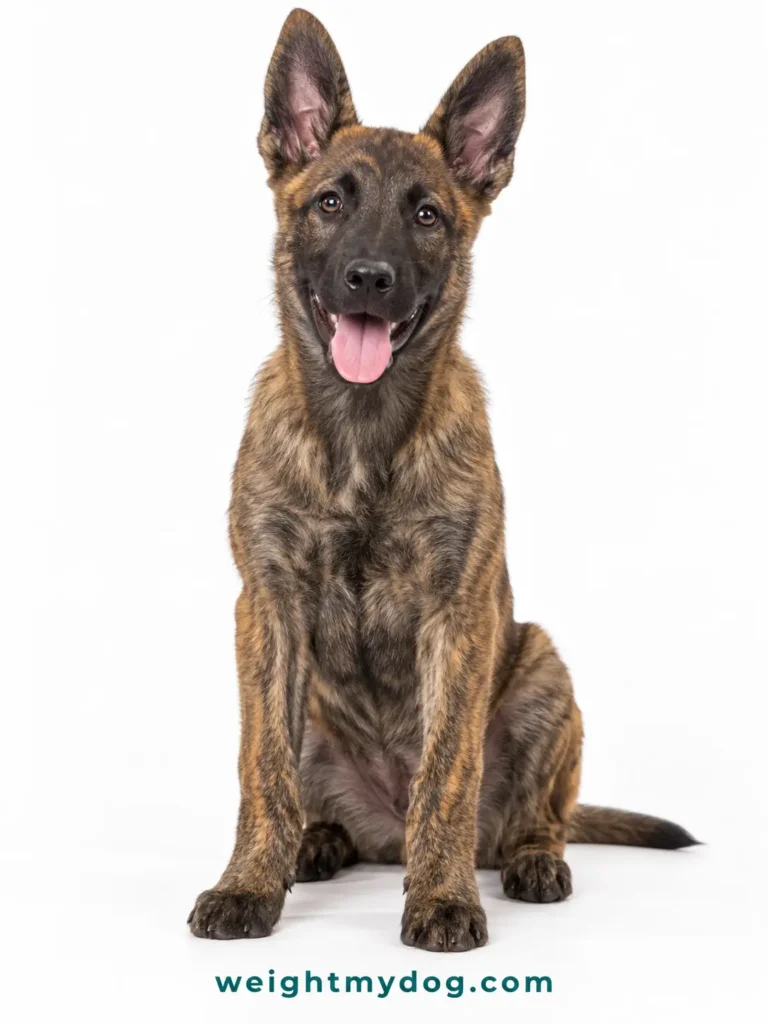
The Dutch Shepherd is a high-energy, athletic, working breed with roots in the Netherlands, originally bred as a farm dog for herding and protection. Understanding growth patterns early helps pet parents make confident decisions.
Many dog owners underestimate how rapidly a Dutch Shepherd puppy develops during the first year. Tracking weight and height from the first week forward gives you a powerful starting point for monitoring overall health.
A reliable puppy weight calculator removes guesswork from growth planning. Whether you’re tracking pounds or kilograms, having accurate estimates means smarter feeding choices and better vet conversations every month.
Male Dutch Shepherds and female Dutch Shepherds follow slightly different growth timelines. Gender influences adult size, muscle development, and how quickly your puppy reaches full-grown weight and physical maturity.
Genetics, diet, exercise, and nutrition all shape your Dutch Shepherd’s development. Breed standards from the AKC set clear height and weight ranges that help you determine if your puppy is developing appropriately.
Working with a licensed vet and referencing breed-specific growth chart data ensures your Dutch Shepherd stays on a healthy trajectory throughout every growth phase from newborn to adult.
Dutch Shepherd Weight Calculator
| Age | ♂ Male (Expected) | ♀ Female (Expected) | Your Dog |
|---|
How to use the Dutch Shepherd Weight Calculator
Get your Dutch Shepherd's ideal weight in under 10 seconds. No account needed.
Enter your dog’s details
Enter your Dutch Shepherd's current age, weight, and gender. Works in both lbs and kg — supports weeks, months, and years.
Get your instant weight results
See your Dutch Shepherd's predicted adult weight range, current ideal weight, visual growth chart, and health status — instantly calculated.
Check your dog’s health status
Find out if your Dutch Shepherd is underweight, ideal, or overweight based on AKC-verified breed standards — and get a personalised feeding guide.
The Basics: Dutch Shepherd 101
The Dutch Shepherd is classified under the AKC miscellaneous class and recognized for versatility in law-enforcement, military, search-and-rescue, and agility roles. Few breeds combine loyalty, intelligence, and endurance so seamlessly.
Dutch Shepherds are medium-to-large working dogs with a robust, muscular physique. Males typically stand between 21.5 inches and 24.5 inches at the shoulder, while females are shorter and lankier in early development stages.
Breed standards describe three coat varieties: short-haired, long-haired, and wire-haired. Each variety shares the same athletic build, strength, and high-drive temperament that makes this breed exceptional for physical tasks and demanding working environments.
This breed thrives with mental stimulation, obedience training, and structured play. Without proper exercise and cognitive development, a Dutch Shepherd can develop destructive habits from boredom, making early training and socialization absolutely essential.
Dutch Shepherds are intelligent, confident, and driven by purpose. Their all-purpose working potential extends from herding on a farm to police duty, which is why breed enthusiasts and law-enforcement professionals consistently select this breed above others.
Knowing the breed basics shapes every decision about feeding, exercise routines, grooming, and vet check-ups. A well-socialized, well-nourished Dutch Shepherd demonstrates remarkable versatility and a heartwarming bond with its family throughout its lifespan.
Male Dutch Shepherd Growth, Weight & Height Chart by Age
| Age | Male Weight | Male Height |
|---|---|---|
| Newborn (0–1 Month) | 5 – 9 lbs (2.3 – 4.1 kg) | 20 – 28 cm (8 – 11 in) |
| 2 Months | 11 – 17 lbs (5 – 7.7 kg) | 28 – 36 cm (11 – 14 in) |
| 3 Months | 22 – 33 lbs (10 – 15 kg) | 36 – 43 cm (14 – 17 in) |
| 4 Months | 33 – 44 lbs (15 – 20 kg) | 43 – 51 cm (17 – 20 in) |
| 5 Months | 44 – 55 lbs (20 – 25 kg) | 51 – 56 cm (20 – 22 in) |
| 6 Months | 55 – 60 lbs (25 – 27.2 kg) | 53 – 58 cm (21 – 23 in) |
| 7 Months | 60 – 64 lbs (27.2 – 29 kg) | 56 – 61 cm (22 – 24 in) |
| 8 Months | 64 – 68 lbs (29 – 30.8 kg) | 58 – 61 cm (23 – 24 in) |
| 9 Months | 66 – 70 lbs (30 – 31.8 kg) | 58 – 63 cm (23 – 25 in) |
| 10 Months | 68 – 72 lbs (30.8 – 32.7 kg) | 58 – 63 cm (23 – 25 in) |
| 11 Months | 70 – 74 lbs (31.8 – 33.6 kg) | 58 – 63 cm (23 – 25 in) |
| 12 Months | 72 – 77 lbs (32.7 – 35 kg) | 61 – 63 cm (24 – 25 in) |
| 24 Months (Adult) | 65 – 90 lbs (29.5 – 40.8 kg) | 58 – 63 cm (23 – 25 in) |
Female Dutch Shepherd Growth, Weight & Height Chart by Age
| Age | Female Weight | Female Height |
|---|---|---|
| Newborn (0–1 Month) | 4 – 8 lbs (1.8 – 3.6 kg) | 18 – 25 cm (7 – 10 in) |
| 2 Months | 10 – 15 lbs (4.5 – 6.8 kg) | 25 – 33 cm (10 – 13 in) |
| 3 Months | 20 – 30 lbs (9 – 13.6 kg) | 33 – 40 cm (13 – 16 in) |
| 4 Months | 30 – 40 lbs (13.6 – 18.1 kg) | 40 – 48 cm (16 – 19 in) |
| 5 Months | 40 – 50 lbs (18.1 – 22.7 kg) | 46 – 53 cm (18 – 21 in) |
| 6 Months | 50 – 55 lbs (22.7 – 25 kg) | 51 – 56 cm (20 – 22 in) |
| 7 Months | 55 – 60 lbs (25 – 27.2 kg) | 53 – 58 cm (21 – 23 in) |
| 8 Months | 60 – 63 lbs (27.2 – 28.6 kg) | 53 – 58 cm (21 – 23 in) |
| 9 Months | 62 – 65 lbs (28.1 – 29.5 kg) | 56 – 58 cm (22 – 23 in) |
| 10 Months | 63 – 67 lbs (28.6 – 30.4 kg) | 56 – 61 cm (22 – 24 in) |
| 11 Months | 65 – 68 lbs (29.5 – 30.8 kg) | 56 – 61 cm (22 – 24 in) |
| 12 Months | 67 – 70 lbs (30.4 – 31.8 kg) | 56 – 61 cm (22 – 24 in) |
| 24 Months (Adult) | 50 – 70 lbs (22.7 – 31.8 kg) | 56 – 61 cm (22 – 24 in) |
Puppy Growth Chart And AKC Breed Weight Standard
| Breed Size | 8 Weeks | 3 Months | 4 Months | 6 Months | 1 Year |
|---|---|---|---|---|---|
| Toy | 0.9 – 1.8 kg | 1.4 – 2 kg | 2 – 2.5 kg | 2.5 – 3 kg | 3 – 5.5 kg |
| Small | 1.5 – 3 kg | 3 – 5 kg | 4 – 7 kg | 6 – 9 kg | 6 – 11 kg |
| Medium | 3 – 5 kg | 5 – 8 kg | 8 – 13 kg | 10 – 18 kg | 11 – 23 kg |
| Large | 5 – 9 kg | 9 – 12 kg | 12 – 20 kg | 18 – 30 kg | 23 – 45 kg |
| Giant | 7 – 12 kg | 12 – 18 kg | 18 – 28 kg | 28 – 40 kg | 45 – 70 kg |
How Does a Puppy Weight Calculator Work?
A puppy weight calculator uses your puppy’s current weight and puppy age in weeks to produce an estimated adult weight. The most common formula divides current weight by age in weeks, then multiplies by 52 for a rough estimate.
The medium-large dog formula works well for Dutch Shepherds because of their breed size and growth trajectory. Inputting data like birth weight, current age, and gender into a dog size calculator gives you a more accurate expected adult weight projection.
Most online puppy weight calculator tools also factor in breed-specific data and parentage to refine outputs. Tools like a dog size predictor can reference breed averages and individual variations to deliver a broad estimate of your Dutch Shepherd’s final size.
These calculators are most helpful during the rapid growth period between 8 weeks and 6 months. At this stage, weight changes are noticeable week-to-week, making regular weight checks an important habit for responsible pet parents and breeders.
No calculator is an exact science—individual dogs vary based on genetics, diet, nutrition, and pre-existing health conditions. Think of calculator results as a handy guide rather than a fixed prediction, and always consult a veterinarian for personalized care plan advice.
A puppy growth chart combined with a dog size calculator gives you a simplified but realistic picture of what to expect. Used consistently alongside vet visits, these tools help you monitor growth and catch any signs of underdevelopment or stunted growth early.
How Big Will My Dutch Shepherd Be When Fully Grown?
Male Dutch Shepherds typically reach an adult size of 21.5 inches to 24.5 inches in height and weigh between 65 lbs and 90 lbs at full maturity. Female Dutch Shepherds are generally smaller, averaging 21 inches to 23 inches and 50 lbs to 70 lbs.
Breed standards from the AKC place the Dutch Shepherd in the medium-large size category, which means growth continues well past 12 months. Most males don’t reach full size until 24 months, with muscle and bulk continuing to fill out into the second year.
Genetics from puppy parents play the largest role in determining final size. If both parents weight falls within breed standards, you can reasonably estimate your Dutch Shepherd’s adult weight will land within a predictable weight range using a growth chart.
The biggest parent rule is a rough indicator many breeders use: your puppy will likely not exceed the weight of its biggest parent. This formula works particularly well for purebred Dutch Shepherds with documented bloodlines and breed-specific growth records.
Body weight ranges for fully grown Dutch Shepherds vary by gender and individual physique. A male might reach 29.5 kg (65 lbs) while another in the same litter hits 40.8 kg (90 lbs) depending on inherited traits and lifestyle choices like diet and exercise.
Referencing breed-specific growth charts alongside a puppy weight calculator offers the most realistic expected adult size picture. Always track height at the shoulder bones and weight in both lbs and kg for a complete view of your Dutch Shepherd’s adult size trajectory.
When Will My Dutch Shepherd Stop Growing?
Most Dutch Shepherds stop major height growth by 12 months, but muscle mass and body bulk continue developing until 18 months to 24 months. This is consistent with most large breed timelines, where skeletal maturity precedes physical maturity by several months.
Growth plates, the soft cartilage near bone ends, close at different closure times depending on size category. In medium-large breeds like the Dutch Shepherd, growth plate closure typically occurs between 14 months and 18 months, signaling the final growth phase of bone structure development.
Male dogs tend to grow taller and heavier for a longer period than female dogs. A male Dutch Shepherd may still show noticeable growth in muscle and stature at 16 months, while females often plateau in height closer to 12 months of age.
Genetics and nutrition directly influence when growth slows. Puppies on a nutrient-dense diet with controlled calories and appropriate exercise levels tend to reach adult size gradually without the joint problems associated with overfeeding or rapid growth during high growth phase periods.
Owners sometimes confuse settling of muscle with stopped gaining weight, but these are different growth signals. Weight can stabilize at 12 months while body shape continues filling out, especially in males working toward full-grown weight goals between 18 months and 24 months.
Once your Dutch Shepherd reaches two years, most major size changes are complete. At this point, shift focus to maintaining ideal weight, supporting joint health, and adjusting feeding to adult food portions that prevent excess weight gain during adulthood.
Puppy Growth Stages Explained
Newborn Dutch Shepherd puppies weigh approximately 0.9 kg to 1.8 kg at birth weight. During Week 1 and Week 2, puppies are completely dependent on their mother, sleeping most of the day while their bodies begin foundational development.
By Week 3 and Week 4, puppies open their eyes and start limited coordination. This is when cognitive development begins, and Week 3 marks the start of sensory experiences that shape behavior and temperament well into adulthood. Weight roughly doubles in this window.
Week 5 through Week 7 introduce socialization milestones and positive exposure to noises, environments, and siblings. This socialization window is critical—puppies begin puzzle games, gentle play sessions, and early calm boundaries that support emotional maturity later on.
By Week 8, most Dutch Shepherd puppies weigh between 4 kg and 5 kg. At eight weeks, puppies transition to their new home, beginning house training, crate adjustment, and the first stages of obedience and basic commands work with new owners.
From 3 months to 6 months, Dutch Shepherd puppies enter a rapid growth phase where height and weight soar. At four months, expect weight around 13 kg to 15 kg depending on gender, and noticeable changes in leg length and overall body stature.
Between 9 months and 12 months, growth begins slowing down as growth plates approach closure. Puppies start looking more like adults, muscles become more defined, and daily exercise needs increase to match their expanding energy levels and working instincts.
Factors That Affect Your Dutch Shepherd’s Growth
Genetics remain the most significant factor in Dutch Shepherd growth. Inherited traits from puppy parents determine baseline adult size, bone structure, muscle density, and metabolism, making parentage review essential when estimating your puppy’s expected adult weight.
Nutrition quality directly impacts growth rate and lean muscle mass development. Dutch Shepherd puppies require high-quality proteins, healthy fats, digestible carbohydrates, vitamins, and minerals in proper nutrient ratios to support rapid growth without causing skeletal deformities or joint issues.
Overfeeding is one of the most common mistakes that affects growth negatively. Excess calories cause fat deposits, obesity, and dangerous joint stress that can lead to hip dysplasia, elbow dysplasia, and orthopedic disease in large-breed puppies during critical development stages.
Exercise type and intensity matter enormously during growth phases. Strenuous activity, hard running, and jumping on hard surfaces can damage developing joints and growth plates in puppies under 6 months, while gentle play sessions and short walks promote healthy muscle development.
Health conditions like parasites, worms, roundworms, and hookworms can cause poor weight gain and stunted growth. Chronic illnesses, genetic conditions, and liver disorders also interrupt normal development, which is why regular vet checkups and first-year vet visits are non-negotiable for growing Dutch Shepherds.
Neuter status affects growth in measurable ways. Neutering or spaying before growth plates close can cause Dutch Shepherd puppies to grow taller and lankier, since hormonal development influences when bone growth plates finalize. Timing of desexing should always involve vet guidance.
Health & Wellness for Dutch Shepherds
Dutch Shepherds are generally robust working breeds with fewer health issues than many large dogs, but they remain susceptible to hip dysplasia, elbow dysplasia, and joint problems tied to their rapid growth phase and high activity level.
Regular vet checkups and a consistent schedule of boosters and core vaccine series are foundational to long-term health. Vet visits during the first year should occur monthly or as recommended to track weight, height, digestion, and development milestones accurately.
Signs of illness like vomiting, diarrhea, bloating, irritability, appetite loss, or lost weight should prompt immediate vet consultation. Dutch Shepherd puppies are particularly vulnerable to digestive upset and parasites, making monitoring of daily eating habits critically important.
Screening for orthopedic disease, heart disease, kidney disorders, cancer, diabetes, and skin issues should be part of every annual vet plan for adult Dutch Shepherds. Genetic conditions like allergies and spinal cord problems are also worth discussing with your veterinarian during regular checkups.
Mental stimulation plays a direct role in health and wellness. Dutch Shepherds that lack adequate puzzle games, training games, dog sports, and structured play develop stress, irritability, and destructive habits that negatively affect both physical and emotional maturity.
Vet guidance should always accompany changes in lifestyle, diet, and exercise routines. Whether you’re adjusting calorie amounts, introducing advanced exercises, or noticing growth-related changes, a licensed vet is your most knowledgeable partner in maintaining your Dutch Shepherd’s long-term optimal health.
Nutrition Requirements for Dutch Shepherds
Dutch Shepherds require a balanced diet rich in high-quality proteins, healthy fats, and digestible carbohydrates to fuel their high-energy lifestyle. Proteins support lean muscle mass, while fats provide the energy needed for endurance and high-performance work.
Large-breed puppy formulas are designed with controlled nutrient ratios to prevent overgrowth and skeletal deformities in rapidly growing puppies. These large-breed puppies formulas differ from standard puppy food by managing calcium and phosphorus levels that influence bone growth plates and joint alignment.
Vitamins and minerals play a supporting role in digestion, immune function, and muscle development. A nutrient-dense diet that includes premium proteins and digestible carbohydrates ensures your Dutch Shepherd maintains lean muscle, strong bones, and efficient nutrient absorption throughout every growth phase.
Controlled calories are essential for large-breed dogs to prevent obesity, fat deposits, and joint problems. Avoid fatty foods and overfeeding by following treat guidelines and adjusting daily calorie intake based on your Dutch Shepherd’s activity level, age, and current ideal weight range.
Water intake is as important as food quality. Providing fresh water at all times supports digestion, kidney function, and metabolism in working dogs like the Dutch Shepherd. Dehydration can mimic signs of illness and negatively impact energy levels and growth monitoring results.
Dietary recommendations should always come from a veterinarian or knowledgeable breeder familiar with Dutch Shepherd breed-specific needs. Generic guidelines may not account for your individual dog’s metabolism, genetic conditions, or pre-existing health conditions that affect nutrient ratios and daily food requirements.
Feeding & Nutrition for Healthy Puppy Growth
Feeding a Dutch Shepherd puppy correctly from the first week sets the foundation for healthy growth and development. Start with 3 meals to 4 meals per day for puppies under 3 months, transitioning to twice daily as they mature toward six months.
Portion sizes should reflect breed size, age, and current weight. At 3 months, a Dutch Shepherd puppy may need approximately 2 cups to 2.5 cups per day, increasing to 3 cups to 4 cups by 6 months as energy levels and muscle development demands rise.
High-quality large-breed puppy formulas deliver the right nutrient ratios without excess calories that cause digestive upset or bloating. Follow feeding guidelines on the food packaging as a starting point, then adjust based on weight monitoring and vet recommendations specific to Dutch Shepherd breed needs.
Avoid overfeeding by using treat guidelines and keeping training treats bite-sized and manageable. Excessive training treats add hidden calories that disrupt controlled growth and lead to overweight conditions in Dutch Shepherd puppies during the rapid growth phase between four months and nine months.
Watch for digestive upset signals like vomiting, diarrhea, or bloating when introducing new food. Transition gradually over seven days to avoid stomach disruption and maintain digestion stability in growing puppies. A bigger appetite is normal during growth spurts, but portions should remain controlled.
Feeding schedules should stay consistent to support metabolism and digestion. Feed your Dutch Shepherd puppy at the same times daily, track weight weekly, and adjust cups per day based on body condition checks and vet feedback. Consistent feeding routines also support house training and calm behavior.
When Should My Dutch Shepherd Stop Eating Puppy Food?
Dutch Shepherd puppies should transition from puppy food to adult food around 12 months for females and closer to 18 months for males due to their extended growth timeline. Large breed dogs need puppy food longer than small breeds to support bone and muscle development.
The shift from puppy food to adult food should happen gradually over two weeks to prevent digestive upset. Mix increasing amounts of adult food with decreasing puppy food portions, monitoring for vomiting, diarrhea, or appetite changes during the transition period.
Adult food contains fewer calories and adjusted nutrient ratios suited to a mature Dutch Shepherd’s metabolism. Continuing puppy food beyond 18 months risks overfeeding excess nutrients that promote fat deposits, obesity, and long-term joint stress in fully grown Dutch Shepherds.
Watch for signs that your Dutch Shepherd is ready: slowing down of growth, weight stabilizing, and a plateau in height at the shoulder. These indicators suggest puppy food is no longer needed, and adult feeding schedule routines with an appropriate daily portion should replace the puppy formula.
Breed-appropriate adult food for a Dutch Shepherd should still prioritize high-quality proteins, healthy fats, and digestible carbohydrates to fuel their working lifestyle. Large-breed dogs benefit from formulas that support joint health, lean muscle mass, and controlled body weight ranges.
Always consult your veterinarian before making the transition to confirm your Dutch Shepherd’s growth plates have closed and physical maturity is on track. A vet can confirm the right timing based on weight, height, body condition, and breed-specific development patterns.
Exercise and Lifestyle Tips for Growing Dutch Shepherds
Dutch Shepherd puppies need exercise that matches their developing joints and growth plate status. Under 6 months, stick to short walks, gentle play sessions, and 5 minutes to 10 minutes of structured play per day for every month of age to protect bone and joint health.
Avoid hard running, jumping, climbing stairs, and strenuous activity on hard surfaces until growth plates close around 14 months to 18 months. These activities cause joint stress, injuries, and long-term orthopedic disease in large-breed puppies whose bones are still developing appropriately.
Swimming is one of the best low-impact exercise options for growing Dutch Shepherds. It builds lean muscle mass, improves endurance, and protects developing joints without placing harmful stress on growth plates or shoulder bones—making it ideal during the high growth phase months.
Mental stimulation through puzzle games, puzzle toys, training games, and obedience sessions is equally important as physical activity. A Dutch Shepherd without adequate cognitive development opportunities becomes bored, stressed, and prone to destructive habits that affect overall health and behavior.
Exercise routines should gradually increase in duration and intensity as your Dutch Shepherd matures. By 12 months, moderate exercise including walking, agility, and controlled play is appropriate. By 18 months, daily dog sports, running, and advanced exercises can be introduced gradually.
Rest is as crucial as exercise for growing Dutch Shepherds. Puppies need 15 hours to 20 hours of sleep per day, and interrupted rest negatively affects muscle development, growth, and cognitive development. Provide a comfortable dog bed and crate to support healthy rest routines.
Methods to Predict Your Dutch Shepherd’s Adult Weight
The most widely used prediction method involves a formula: take your puppy’s current weight at 8 weeks, divide by puppy age in weeks, then multiply by 52 for an estimated adult weight. This online method is a simplified starting point for Dutch Shepherd growth planning.
A medium-large dog formula adjusts this calculation for Dutch Shepherd breed size, factoring in gender differences between male Dutch Shepherds and female Dutch Shepherds. Using lbs or kg consistently in your formula prevents errors and gives more accurate expected adult weight results.
Breed-specific puppy growth chart data from researchers and AKC breed standards offer another prediction tool. By plotting your Dutch Shepherd’s weight and height against average breed growth curves, you can identify whether their individual growth pattern is within the expected range or shows underdevelopment signs.
Parentage is one of the strongest prediction indicators available. Reviewing parents weight, height, body structure, and breed standards compliance gives you insight into what adult size your Dutch Shepherd will likely reach. The biggest parent rule offers a natural upper limit for size predictions.
Paw size is a popular but less reliable rough indicator. Oversized paws or abnormally large paws suggest your puppy still has significant growing to do, while proportional paw size to body suggests growth is settling. It’s a rough estimate tool, not a precise formula.
The most accurate approach combines current weight, puppy age in weeks, parentage, breed-adata, and regular vet check-ups into a personalized care plan. No single method offers a perfect prediction, but using multiple approaches gives the most realistic expected adult size range for your Dutch Shepherd.
Is My Dutch Shepherd Growing on Track?
Monitoring your Dutch Shepherd’s growth against a puppy growth chart is the most reliable way to confirm developing appropriately progress. Weight milestones vary by gender, but general breed averages give a helpful guide to assess whether your puppy is within the expected range.
A Dutch Shepherd puppy at 3 months should weigh approximately 10 kg to 13 kg depending on gender. At 6 months, weight should fall between 20 kg and 25 kg for males and 15 kg to 20 kg for females, tracking the medium-large breed growth curve.
Use body condition assessment alongside weight checks. Run your hands along the ribs—you should feel them without excess fat, see a slight waist when viewed from above, and observe a well-proportioned physique with no prominent hip bones, sagging waist, or pot-bellied appearance.
Growth spurts are normal and often appear as sudden noticeable changes in height or weight over two weeks. Between spurts, growth may appear indistinct or intermittently slow—this is part of normal development and not a sign your Dutch Shepherd has stopped gaining weight prematurely.
Weight checks should happen weekly during rapid growth phases and transition to monthly as growth slows after 12 months. Keep a weight chart at home and compare results to breed-specific growth formulas and vet recommendations to catch growth-related problems early.
If your Dutch Shepherd’s weight falls significantly below breed averages or above the expected range, schedule a vet appointment immediately. Outlier growth patterns may indicate genetic conditions, poor weight gain, overfeeding, parasites, or other health concerns requiring professional veterinarian attention.
Signs Your Dutch Shepherd Is Underweight
An underweight Dutch Shepherd shows visible ribs, prominent hip bones, a sagging waist, and thin legs without adequate lean muscle mass. These physical indicators suggest underfeeding, parasites, chronic illnesses, or genetic conditions affecting nutrient absorption and weight gain.
Underweight puppies often appear sleepy, lethargic, and show poor weight gain despite eating. If your Dutch Shepherd puppy looks thin, consult a veterinarian immediately to rule out worms, roundworms, hookworms, liver disorders, or digestion problems causing underdevelopment.
Underfeeding is sometimes unintentional—owners following outdated feeding guidelines may not provide enough cups per day to support rapid growth. A licensed vet can calculate the right daily calorie intake based on current weight, age, and activity level to catch up on growth.
Signs Your Dutch Shepherd Is Overweight
An overweight Dutch Shepherd shows difficulty breathing, fat deposits around the lower back and stomach, ribs you cannot feel through layers of fat, and a body that lacks a slight waist. These signs indicate obesity risk and demand immediate diet changes.
Obese Dutch Shepherds face heightened risks of hip dysplasia, elbow dysplasia, arthritis, diabetes, heart disease, and shorter lifespan. Excess weight places dangerous joint stress on a breed already predisposed to orthopedic disease, making controlled calories and exercise essential components of recovery.
A pot-bellied appearance in puppies may indicate worms or overfeeding rather than true obesity. Vet check-ups can distinguish between parasites and genuine overweight body condition, allowing for targeted diet adjustments and deworming treatment as needed.
When to Talk to a Vet About Your Dutch Shepherd’s Weight
Talk to your vet immediately if your Dutch Shepherd shows signs of illness like vomiting, diarrhea, bloating, lost weight, appetite loss, or sudden weight increase that cannot be explained by normal growth spurts or feeding adjustments.
If your puppy falls significantly below or above breed averages on a puppy growth chart, a vet visit is essential. Outlier growth patterns may signal genetic conditions, orthopedic disease, poor weight gain, parasites, or chronic illnesses that require professional diagnosis and a personalized care plan.
Weight monitoring should include regular vet checkups every 3 months during the first year and at least twice yearly from 12 months onward. Consistent vet visits allow early screening for hip dysplasia, elbow dysplasia, joint problems, and growth-related health concerns before they become serious issues.
When Should My Dutch Shepherd Be Spayed or Neutered?
The timing of spaying or neutering your Dutch Shepherd significantly affects growth, hormonal development, and joint health. Many veterinarians recommend waiting until 18 months to 24 months for large-breed dogs, allowing growth plates to fully close before altering hormonal function.
Neutering before growth plate closure can cause Dutch Shepherd puppies to grow taller and lankier than typical breed standards, since hormonal development signals bone growth plates to finalize. Early desexing may also increase risk factors for orthopedic disease and joint problems in large breeds.
Spaying females before the first heat reduces cancer risks but may affect growth if done too early. Responsible breeders and veterinarians typically recommend scheduling spaying between 12 months and 18 months for female Dutch Shepherds based on individual development and health assessments.
When Should I Start Training My Dutch Shepherd?
Training should begin from the first week your Dutch Shepherd puppy arrives home. Basic commands, crate training, house training, and calm boundaries can start at eight weeks—Dutch Shepherds are intelligent and respond quickly to consistent, rewarding obedience work from a very young age.
Socialization is part of training and should begin during the socialization window between 3 months and 4 months. Positive exposure to noises, environments, people, and other breeds during this window builds a well-socialized, confident Dutch Shepherd with strong emotional maturity and temperament.
Obedience sessions should be frequent sessions kept to 5 minutes to 10 minutes for young puppies to match their attention span and cognitive development stage. Mentally engaging training games and puzzle toys supplement structured play and keep a high-drive Dutch Shepherd stimulated and focused.
What Commands Should I Teach My Dutch Shepherd First?
Start with simple commands: sit, stay, come, down, heel, and a recall command are the basic commands every Dutch Shepherd should master in the first year. These simple commands form the foundation for advanced exercises, agility, police work, and obedience competitions later in life.
The sit command is typically the easiest starting point and should be introduced with bite-sized training treats and positive reinforcement during frequent sessions of 10 minutes. Dutch Shepherds are intelligent and driven, making them exceptionally fast learners when rewarding methods are used consistently.
Use bite-sized training treats that fit within treat guidelines to avoid excess calories disrupting your Dutch Shepherd’s balanced diet. Obedience work should be mentally stimulating and physically manageable, keeping training sessions brief, rewarding, and aligned with your puppy’s current cognitive development and energy levels.
When Will My Dutch Shepherd Start Losing Teeth?
Dutch Shepherd puppies begin teething around 3 months to 4 months when baby teeth start loosening. By six months, most puppies complete the transition to their full set of adult teeth, and teething discomfort typically resolves as adult teeth settle into proper alignment.
Teething causes irritability, increased need to chew, and discomfort that can affect appetite and behavior temporarily. Providing safe chews and chew toys during this stage helps Dutch Shepherd puppies manage teething pain while protecting furniture, shoes, and accessories in your home.
Tooth care should begin during teething to establish lifelong dental habits. Use breed-appropriate tooth care routines including gentle cleaning to prevent buildup, and incorporate ear care and nail care checks during the same grooming session for an efficient schedule.
Grooming
Dutch Shepherds require grooming routines tailored to their coat type—short-haired, long-haired, or wire-haired varieties each have different needs. Short-haired coats need brushing once a week, while long-haired varieties benefit from frequent grooming sessions to prevent shedding buildup.
Wire-haired Dutch Shepherds require hand stripping rather than standard brushing to maintain their distinctive coat texture and colors. This specialized grooming technique should be done by a professional groomer familiar with herding breeds or learned carefully through experienced breeder guidance.
Bathing should occur only when necessary—Dutch Shepherds are relatively low-maintenance in bathing frequency. Overbathing strips natural coat oils, causing skin issues and coat dullness. A monthly bathing schedule or less is typically recommended for maintaining coat health without disruption.
Nail care should be part of weekly grooming checks, especially for Dutch Shepherds doing police or military work on varied surfaces. Overgrown nails cause joint alignment issues and discomfort during daily exercise, impacting the breed’s trademark athletic physique and working performance.
Ear care prevents infections common in active, high-energy breeds. Check Dutch Shepherd ears weekly for signs of illness, buildup, or parasites like ticks. Clean gently with breed-appropriate solutions and consult a vet if you notice irritability, scratching, or discomfort during ear care sessions.
Shedding management through regular brushing reduces coat buildup in your home. Dutch Shepherds shed twice a day—just kidding—seasonally in spring and fall, so increase brushing frequency during peak shedding periods to keep your house and dog bed comfortable and hair-free.
Other Dog Breeds Similar to the Dutch Shepherd
The Belgian Malinois is the Dutch Shepherd’s closest working cousin, sharing similar high-drive temperament, athletic physique, and law-enforcement roles. Both breeds share similar appearance traits, though the Dutch Shepherd is slightly heavier and more versatile as an all-purpose working breed.
The Belgian Tervuren offers a similar appearance to the Dutch Shepherd in coat length and herding heritage, but tends toward a calmer temperament. Two breeds from the same breed group, they share genetics, size ranges, and obedience training compatibility with experienced dog owners.
The Belgian Sheepdog rounds out the Belgian working breeds with comparable intelligence, loyalty, and medium-large size. While all three share herding roots and companion qualities, the Dutch Shepherd remains the preferred choice for high-performance work and military roles due to its superior endurance.
The German Shepherd is often compared to the Dutch Shepherd given their similar appearance, size category, and working breed origins. However, the German Shepherd is more widely recognized by the American Kennel Club, while the Dutch Shepherd remains among rare breeds prized for authenticity and working potential.
The King Shepherd is a larger variation with robust build and calm temperament compared to the Dutch Shepherd’s intense high-drive nature. The King Shepherd is better suited for pet parents seeking a companion rather than a working breed with police or military application.
The Shiloh Shepherd shares genetics with the German Shepherd and offers a gentle, confident temperament appealing to dog owners who find the Dutch Shepherd’s energy levels too demanding. Both breeds share herding heritage but differ significantly in working potential and lifestyle compatibility.
Frequently Asked Questions — Dutch Shepherd Weight
How can I estimate my Dutch Shepherd’s full-grown weight?
Use a puppy weight calculator with your Dutch Shepherd’s current weight and puppy age in weeks. The formula: divide current weight by age in weeks, multiply by 52 for an estimated full-grown weight in lbs or kg.
Parentage review also provides strong predictions — check parents weight and breed standards from AKC records. Combining calculator results with vet check-ups and growth chart data gives the most accurate expected adult weight estimate for your Dutch Shepherd.
How much will my Dutch Shepherd weigh when fully grown?
Male Dutch Shepherds typically weigh 65 lbs to 90 lbs (29.5 kg to 40.8 kg) when fully grown. Female Dutch Shepherds generally reach 50 lbs to 70 lbs (23 kg to 31.8 kg), with individual variation based on genetics, diet, and activity level.
Breed standards indicate Dutch Shepherds fall in the medium-large size category. Full-grown weight is typically reached between 18 months and 24 months, with males often continuing muscle and bulk development into their second year beyond initial height plateau.
How accurate are puppy weight calculators?
Puppy weight calculators offer a rough estimate rather than an exact science. Accuracy depends on current weight precision, puppy age in weeks, breed-specific data, and parentage information. Results are typically within 10% to 15% of the actual adult weight for most Dutch Shepherds.
Individual variations in genetics, nutrition, overfeeding, and health can shift outcomes beyond calculator predictions. Think of calculator outputs as a helpful guide and combine them with regular vet check-ups and growth chart monitoring for the most realistic expected adult size picture.
How often should I weigh my Dutch Shepherd puppy?
Weigh your Dutch Shepherd puppy weekly during rapid growth phases, especially from 8 weeks to 6 months. Regular weekly weight checks reveal noticeable growth, poor weight gain, or unexpected weight loss that may indicate digestive upset, parasites, or underfeeding problems.
After 6 months, transition to monthly weight checks as growth slows. Record results in a weight chart alongside height measurements at the shoulder to build a complete growth picture. Share this data with your veterinarian at vet visits for informed personalized care plan adjustments.
How big will my Dutch Shepherd get?
Dutch Shepherds typically stand 21.5 inches to 24.5 inches tall at the shoulder and weigh 50 lbs to 90 lbs depending on gender. Males are taller and heavier, while females are generally shorter in height and lighter in adult weight.
Genetics from puppy parents ultimately determine final size. Use a dog size calculator or puppy growth chart with your Dutch Shepherd’s breed-specific data to generate a broad estimate of expected adult size. Confirming with your breeder and vet adds the most reliable insight.
What factors affect Dutch Shepherd puppy growth rate?
Genetics, nutrition, overfeeding, exercise, and neuter status are the primary factors affecting Dutch Shepherd growth rate. Parasites, chronic illnesses, genetic conditions, and pre-existing health conditions also slow growth, while a balanced diet with high-quality proteins and controlled calories supports optimal development.
Hormonal development, gender, and birth weight further influence how quickly Dutch Shepherd puppies reach adult size. Males typically have a longer growth timeline than females, and neutering before growth plates close can alter typical growth trajectories, making vet guidance on timing critically important.
Can a puppy’s paw size determine their final size?
Paw size is a rough indicator of future adult size — oversized paws or abnormally large paws relative to body suggest more growing remains. However, paw size alone is not a reliable formula for predicting final weight or height in Dutch Shepherds.
Breed-specific growth formulas and parentage data are far more accurate predictors than paw size observations. Use paw size as one of many indicators alongside current weight, puppy age in weeks, and breed standards to build a realistic picture of your Dutch Shepherd’s expected adult size.
Do mixed-breed puppies grow differently?
Mixed breeds involving Dutch Shepherd genetics grow differently depending on the two breeds combined. Mixed-breed puppies may show individual variations in adult size, height, weight, muscle density, and growth rate compared to purebred Dutch Shepherds following predictable breed-specific growth charts.
Mixed-breed growth is harder to predict because inherited traits from two breeds interact in unpredictable ways. A dog size predictor or puppy weight calculator with parentage input can still provide a broad estimate, but expect more variation than with purebred Dutch Shepherd growth projections.
When do Dutch Shepherd puppies stop growing?
Dutch Shepherd puppies stop significant height growth by 12 months but continue filling out in muscle and body bulk until 18 months to 24 months. Growth plates typically close between 14 months and 18 months, marking the end of skeletal maturity for this medium-large breed.
Males reach full size later than females, often showing continued muscle development past 18 months. Once your Dutch Shepherd hits two years, major size changes are largely complete. Confirm skeletal maturity through vet screening and growth plate assessment for the most accurate developmental status.
Does the smallest puppy stay small?
Not necessarily — the smallest puppy in a litter can catch up significantly with proper nutrition and health management. Birth weight differences within a litter often equalize by 8 weeks if underfeeding or competition for milk is addressed early in the first week.
Genetics ultimately determine each puppy’s adult size regardless of litter position or birth weight. The smallest puppy may still reach breed average sizes with a nutrient-dense diet, regular vet checkups, and monitoring for signs of illness or poor weight gain throughout the first year.
At what age do puppies double their weight?
Most Dutch Shepherd puppies double their birth weight within the first week to two weeks of life. This rapid growth is driven by daily nursing and metabolic demands during the Newborn stage when bodies are developing foundational bones and muscle at an extraordinary rate.
By 8 weeks, puppies have typically increased their birth weight four times over. Doubling continues at significant rates through 3 months, after which growth becomes more gradual and steady rather than exponential, aligning with breed-specific growth chart expectations for Dutch Shepherds.
Do puppies grow more in height or weight first?
Height typically develops first in Dutch Shepherd puppies, with significant leg lengthening occurring during the rapid growth phase from 3 months to 6 months. Weight and muscle mass tend to fill out later, creating the temporarily gangly, lankier appearance seen in adolescent large-breed puppies.
By 12 months to 18 months, weight and muscle begin catching up to height, producing the robust, well-proportioned physique characteristic of adult Dutch Shepherds. This sequence is normal for medium-large breeds and should not cause concern unless weight falls significantly below breed averages.
Is my puppy done growing at 6 months?
No — Dutch Shepherd puppies at 6 months are far from fully grown. At six months, most puppies have completed roughly 70% to 80% of their height growth but still have significant muscle, bulk, and weight development ahead through 18 months to 24 months.
Growth plates remain open at 6 months, meaning bones are still developing and strenuous activity should be avoided. Continue monitoring growth with a puppy growth chart, maintain large-breed puppy formulas in feeding, and follow vet guidance to support healthy development through the remaining growth phases.
Do dogs eat less when they stop growing?
Yes — adult Dutch Shepherds require fewer calories than growing puppies because their metabolism slows and rapid growth energy demands decrease. Continuing puppy food portions for an adult Dutch Shepherd leads to overfeeding, obesity, and dangerous fat deposits affecting joint health and lifespan.
Transition to an adult feeding schedule with controlled calories around 12 months for females and 18 months for males. Adjust cups per day based on activity level, weight monitoring, and vet dietary recommendations to maintain ideal weight without excess energy intake becoming stored fat.
How fast do Dutch Shepherd puppies grow in their first year?
Dutch Shepherd puppies grow dramatically during the first year — from roughly 0.9 kg to 1.8 kg at birth weight to 25 kg to 35 kg by 12 months. The most rapid growth occurs in the first six months, with noticeable changes in height and weight observable week-to-week.
From 6 months to 12 months, growth continues but at a slower rate as the high growth phase begins to taper off. By the first birthday, most Dutch Shepherds have reached near adult height, though muscle and body mass continue developing toward full maturity over the second year.
What should I feed my Dutch Shepherd puppy to support healthy growth?
Feed your Dutch Shepherd puppy a large-breed puppy formula rich in high-quality proteins, healthy fats, digestible carbohydrates, vitamins, and minerals. Avoid generic puppy food that lacks controlled nutrient ratios suited to large-breed puppies with specific bone and muscle development needs.
Follow feeding guidelines and treat guidelines carefully, adjusting portions based on current weight, age, and vet recommendations. Provide fresh water at all times and avoid fatty foods, overfeeding, and excessive training treats that add hidden calories beyond your Dutch Shepherd’s daily calorie intake needs.
How often should I feed my Dutch Shepherd puppy?
Feed Dutch Shepherd puppies 3 meals to 4 meals per day under 3 months to support their rapid growth and high metabolism. From 3 months to 6 months, 3 meals per day is appropriate, transitioning to twice daily feeding around six months as digestion matures.
By 12 months, most Dutch Shepherds do well on an adult feeding schedule of 2 meals per day. Consistent feeding schedules at the same times daily support digestion, house training, and behavior stability. Always consult your veterinarian to confirm the right feeding frequency for your individual Dutch Shepherd.
What are the signs of a growth spurt in Dutch Shepherd puppies?
Growth spurts in Dutch Shepherd puppies appear as sudden increases in height, weight, and appetite — your puppy may seem constantly hungry, sleepy, and gangly as legs lengthen faster than muscle fills. Noticeable growth in leg length overnight is a classic growth spurt sign.
Irritability, increased need to chew, and temporary coordination clumsiness also signal growth spurts in developing Dutch Shepherds. These phases are normal, energetic periods requiring extra nutrition, rest, and sleep support. Increase daily food portions gradually during growth spurts with vet guidance.
Can overfeeding my Dutch Shepherd puppy affect their growth?
Overfeeding a Dutch Shepherd puppy accelerates growth too quickly, causing skeletal deformities, joint problems, overgrowth, and orthopedic disease. Excess calories lead to fat deposits and obesity, placing dangerous joint stress on developing joints and growth plates that haven’t fully hardened.
Large-breed puppies are particularly vulnerable to overfeeding consequences because their rapid growth phase amplifies the impact of excess nutrients. Follow controlled calories guidelines, use measured portions, and avoid fatty foods to protect your Dutch Shepherd’s joint health, bone structure, and long-term health outcomes.
How can I tell if my Dutch Shepherd puppy is overweight?
Check body condition by running hands along the ribs — you should feel ribs easily without pressing through excessive fat. An overweight Dutch Shepherd puppy lacks a slight waist when viewed from above, appears pot-bellied, and has fat deposits around the lower back and stomach.
Use a puppy growth chart to compare your Dutch Shepherd’s current weight against breed averages for their age. If weight significantly exceeds the expected range, consult a veterinarian to develop a controlled calories feeding plan and appropriate exercise routine to restore ideal weight safely.
What is the ideal weight for a Dutch Shepherd puppy at six months?
At six months, a male Dutch Shepherd puppy should weigh approximately 20 kg to 25 kg (45 lbs to 55 lbs). Female Dutch Shepherds at six months typically weigh 15 kg to 20 kg (35 lbs to 45 lbs), reflecting gender differences in growth rate and adult size trajectory.
These figures represent average weight range values from breed-specific growth chart data. Individual Dutch Shepherds may fall slightly above or below these averages depending on genetics, diet, and activity level. Confirm your puppy’s weight milestones align with vet assessments and breed standards.
What physical activities are recommended for Dutch Shepherd puppies?
Gentle play sessions, short walks, swimming, and structured play are best for Dutch Shepherd puppies under 6 months. Keep exercise to 5 minutes to 15 minutes per day per month of age to protect developing joints and growth plates from strenuous activity damage.
Avoid jumping, hard running, and climbing stairs on hard surfaces until growth plates close around 14 months to 18 months. Mental stimulation through puzzle games, puzzle toys, and obedience sessions supplements physical activity and keeps high-drive Dutch Shepherd puppies stimulated without risking joint injuries.
Is there a difference in growth rates between male and female Dutch Shepherd puppies?
Yes — male Dutch Shepherds grow at a faster rate and reach heavier adult weight than female Dutch Shepherds. Males continue developing muscle and bulk until 24 months, while females often plateau in height closer to 12 months and in weight by 18 months.
Gender differences appear clearly by 4 months to 6 months, when male dogs typically outweigh female dogs by 2 lbs to 5 lbs. By 12 months, male Dutch Shepherds may weigh 10 lbs to 15 lbs more than females of the same litter, reflecting fundamental genetic and hormonal development differences.
What are common health concerns related to growth in Dutch Shepherds?
Hip dysplasia, elbow dysplasia, orthopedic disease, and joint problems are the most common growth-related health concerns in Dutch Shepherds. These conditions are linked to genetics, overfeeding, strenuous activity on hard surfaces, and rapid growth during critical development stages.
Skeletal deformities, stunted growth, liver disorders, kidney issues, and spinal cord problems can also emerge during growth phases. Regular vet check-ups, screening for genetic conditions, maintaining controlled calories, and avoiding joint stress during large-breed puppy development are the best preventive health strategies.
How much sleep does a growing Dutch Shepherd puppy need?
Growing Dutch Shepherd puppies need 15 hours to 20 hours of sleep per day to support muscle development, cognitive development, bone growth, and immune function. Sleep is when growth hormones peak, making adequate rest as important as nutrition and exercise for healthy development.
Provide a comfortable dog bed and quiet crate space where your Dutch Shepherd puppy can rest undisturbed. Interrupted sleep causes irritability, slower growth, and reduced cognitive development in growing puppies. Daily rest routines that mirror natural sleep cycles support both physical and emotional maturity.
How does spaying or neutering impact the growth of a Dutch Shepherd puppy?
Spaying or neutering before growth plates close causes Dutch Shepherd puppies to grow taller and lankier than breed standards predict, because hormonal development normally signals bone growth plates to finalize. Early desexing can also increase risk factors for orthopedic disease and joint problems.
Neutering male Dutch Shepherds after 18 months and spaying females between 12 months and 18 months is generally recommended by veterinarians. This timing allows growth plates to close naturally, reducing risk of skeletal deformities, joint alignment issues, and long-term health concerns related to altering hormonal function early.
When should I transition my Dutch Shepherd from puppy food to adult food?
Transition female Dutch Shepherds to adult food around 12 months and males closer to 18 months, reflecting their longer growth timeline. Large-breed dogs benefit from staying on large-breed puppy formulas longer than small breeds to support bone and muscle development through the second year.
The transition should be gradual over two weeks, mixing adult food into puppy food in increasing ratios to avoid digestive upset. Your veterinarian can confirm the right timing based on weight, height, growth plate closure status, and body condition assessment specific to your Dutch Shepherd.
Do Dutch Shepherd puppies experience teething, and how does it affect their growth?
Dutch Shepherd puppies begin teething around 3 months to 4 months when baby teeth loosen and adult teeth emerge. By six months, the full set of adult teeth is typically in place. Teething causes irritability, discomfort, and a strong urge to chew anything within reach.
Teething can temporarily interrupt appetite and eating patterns, affecting short-term weight tracking. Provide safe chews to redirect chew behavior and protect home items. Tooth care routines introduced during teething establish lasting dental health habits that benefit your Dutch Shepherd throughout its 14 years life span.
When should I vaccinate my puppy?
Vaccinations should begin at six weeks to eight weeks with the core vaccine series covering distemper, parvovirus, and adenovirus. Boosters follow at 12 weeks and 16 weeks, with first-year vet visits ensuring your Dutch Shepherd puppy receives complete protection against common parasites and infectious diseases.
Annual vet visits maintain vaccination schedules and screening for signs of illness, parasites, ticks, worms, and genetic conditions. A licensed vet will create a schedule of boosters and checkups tailored to your Dutch Shepherd’s age, lifestyle, and pre-existing health conditions for comprehensive health protection.
How early should I start socializing my Dutch Shepherd puppy?
Socialization should begin during the socialization window between 3 weeks and 12 weeks — the most critical period for behavior and temperament development. Positive exposure to noises, environments, people, siblings, and other breeds during this window shapes a well-socialized, confident Dutch Shepherd.
Early socialization reduces stress, fear, and destructive habits in adolescent and adult Dutch Shepherds. Continue socialization through training sessions, dog sports, and structured play beyond 12 weeks to reinforce positive behavior patterns. A well-socialized Dutch Shepherd performs better in obedience, agility, and demanding working roles.
How Accurate Are Puppy Weight Calculators?
Puppy weight calculator tools deliver accurate projections within 15% of final size for most medium breed dogs, including the Brittany Spaniel, when current weight, age, and gender are entered correctly. Accuracy improves significantly after 3 months, when growth rate patterns become more consistent and breed-specific formulas can operate with more reliable input data.
For mixed-breed dogs, the puppy weight estimator operates as a rough indicator rather than a precise number, producing a final weight range rather than a single target. Combining calculator output with veterinary growth curves and vet assessments gives a more complete picture than either source provides independently.
How Often Should I Weigh My Brittany Puppy?
Weekly weigh-ins are ideal during the high growth phase between 3-8 months, when rapid growth makes frequent monitoring necessary for catching lagging weight or excess weight early. After 12 months, monthly weight checks are sufficient for most Brittany Spaniel dogs unless a health issue warrants more frequent vet monitoring.
A consistent weigh-in schedule creates a database of weight readings that becomes invaluable during any emergency or vet consultation. Use the same home scale each time and log every reading with the date and your Brittany puppy’s age in months to maintain a reliable guide for pattern recognition.
What Is the Average Weight of a Fully Grown Brittany Spaniel?
The average weight of a fully grown Brittany Spaniel is 30-40 lbs, with female dogs typically landing between 30 and 36 lbs and male dogs between 35 and 39.7 lbs at adulthood. These figures come directly from AKC breed standards and reflect decades of data from registered dogs across the breed’s population.
Individual dogs may legitimately fall outside this average weight range without indicating a health issue — lineage, genetics, and physical characteristics inherited from parents all produce natural variation. A fully grown Brittany at 28-33 lbs or 39.68 lbs may both be perfectly healthy if their body weight aligns with their ideal weight relative to height and build.
How Accurate Are Puppy Weight Calculators?
Puppy weight calculator tools deliver accurate projections within 15% of final size for most medium breed dogs, including the Brittany Spaniel, when current weight, age, and gender are entered correctly. Accuracy improves significantly after 3 months, when growth rate patterns become more consistent and breed-specific formulas can operate with more reliable input data.
For mixed-breed dogs, the puppy weight estimator operates as a rough indicator rather than a precise number, producing a final weight range rather than a single target. Combining calculator output with veterinary growth curves and vet assessments gives a more complete picture than either source provides independently.
When Is the Brittany Spaniel Fully Grown?
The Brittany Spaniel is considered fully grown in height by 12-14 months, though body weight and muscle density continue developing until 24 months in most individual dogs. Male Brittany Spaniel dogs may not reach their expected adulthood weight and final muscular development until 16 months, slightly later than female counterparts.
Adulthood age for growth purposes is generally accepted as 24 months for the Brittany Spaniel, which is when both bone development and muscle growth have consolidated completely. After this point, weight changes reflect diet and exercise rather than ongoing development, making consistent weight control the primary health focus going forward.
What Is the Typical Size of a Brittany Spaniel?
The typical Brittany Spaniel measures 17.5 to 20.5 inches in shoulder height and weighs 30-40 lbs at full adult height, placing it firmly in the medium sized category of AKC registered dogs. This size combines compact build with genuine athletic capability, making the typical Brittany physically smaller than most people expect from a hunting dog.
Average weight for a Brittany Spaniel female sits around 30-36 lbs, while male counterparts average 35-40 lbs, reflecting the gender differences codified in AKC breed standards. These averages represent breed standard midpoints rather than absolute targets — individual dogs within registered populations show legitimate variation on either side.
What Is the Typical Size of a Brittany Spaniel?
The typical Brittany Spaniel measures 17.5 to 20.5 inches in shoulder height and weighs 30-40 lbs at full adult height, placing it firmly in the medium sized category of AKC registered dogs. This size combines compact build with genuine athletic capability, making the typical Brittany physically smaller than most people expect from a hunting dog.
Average weight for a Brittany Spaniel female sits around 30-36 lbs, while male counterparts average 35-40 lbs, reflecting the gender differences codified in AKC breed standards. These averages represent breed standard midpoints rather than absolute targets — individual dogs within registered populations show legitimate variation on either side.
How Often Should I Weigh My Brittany Puppy?
Weekly weigh-ins are ideal during the high growth phase between 3-8 months, when rapid growth makes frequent monitoring necessary for catching lagging weight or excess weight early. After 12 months, monthly weight checks are sufficient for most Brittany Spaniel dogs unless a health issue warrants more frequent vet monitoring.
A consistent weigh-in schedule creates a database of weight readings that becomes invaluable during any emergency or vet consultation. Use the same home scale each time and log every reading with the date and your Brittany puppy’s age in months to maintain a reliable guide for pattern recognition.
What Factors Affect Puppy Growth Rate?
Genetics, nutrition, exercise levels, hormonal development, and the presence of parasites or chronic illnesses are the primary factors shaping a Brittany puppy’s growth rate. Genetics establishes the ceiling, while everything else determines how closely the dog approaches its inherited growth potential.
Spaying or neutering timing also influences growth rate by altering hormonal development and growth plate closure. Desexing before 12 months in Brittany dogs may produce slightly taller adults with slower growth plate closure, a factor worth discussing with your veterinarian before scheduling the procedure.
Can a Puppy’s Paw Size Determine Their Final Size?
Paw size is often cited as a rough indicator of final size in growing puppies, but its accuracy for Brittany dogs specifically is limited. Large paws relative to body at 3 months correlate loosely with a taller dog outcome, but paw size alone cannot predict adulthood weight or shoulder height reliably without breed context.
A dog size predictor that combines current weight, age, and gender consistently outperforms paw size as a final size estimation method. Paw size observations are best treated as one informal indicator among many rather than a standalone prediction tool for Brittany Spaniel growth.
Do Mixed-Breed Puppies Grow Differently?
Mixed-breed puppies frequently show growth rates and development stages that don’t cleanly align with either parent breed’s growth chart, making mixed-breed weight tracking inherently less predictable. The dominant breed within the cross exerts the strongest influence, but individual dogs within the same litter can vary substantially.
Mixed-breed Brittany dogs may experience growth spurts at intervals outside the standard breed windows, potentially growing past the point when purebred Brittany Spaniel dogs typically stop. Using a mixed-breed range calculator calibrated to both parent breed sizes gives the most accurate trajectory estimate available for these dogs.
How Big Will My Brittany Puppy Get?
A fully grown Brittany Spaniel typically reaches 30-40 lbs in body weight and 17.5-20.5 inches in shoulder height, per AKC breed standards. Male dogs trend toward 39.7 lbs at the upper average, while female dogs more commonly stabilize between 30-36 lbs by 24 months.
The most accurate predictor of final size remains the parents’ adult size, supplemented by current weight at 3 months doubled or tripled as a rough estimate. A puppy weight calculator using breed-specific data refines this estimate considerably, giving a tighter weight range than rule-of-thumb doubling methods produce.
How to Use This Puppy Weight Predictor?
Using the Puppy Weight Predictor is straightforward: enter your Brittany puppy’s current age in months, current weight in lbs or kgs, and gender to receive a projected adult size estimate calibrated to medium-large breeds. The dog size calculator then applies a breed-specific formula to your inputs and returns a final weight range rather than a single number.
For mixed-breed Brittany dogs, the calculator accepts dominant breed selection alongside current weight to adjust the formula weighting appropriately. Update your inputs monthly throughout the high growth phase for the most accurate estimate, and always cross-reference Puppy Weight Predictor outputs with your veterinarian’s veterinary growth curves for a complete, clinically grounded picture of your Brittany’s growth trajectory.
How Big Is a 30-40 lb Dog?
A fully grown Brittany Spaniel typically reaches 30-40 lbs in body weight and 17.5-20.5 inches in shoulder height, per AKC breed standards. Male dogs trend toward 39.7 lbs at the upper average, while female dogs more commonly stabilize between 30-36 lbs by 24 months.
The most accurate predictor of final size remains the parents’ adult size, supplemented by current weight at 3 months doubled or tripled as a rough estimate. A puppy weight calculator using breed-specific data refines this estimate considerably, giving a tighter weight range than rule-of-thumb doubling methods produce.
What Is the Average Lifespan of a Brittany Spaniel Dog?
The Brittany Spaniel carries an average life expectancy of 12-14 years, with well-cared-for dogs regularly reaching 15 years or beyond when health problems are caught early and vet care remains consistent. Life span in this breed correlates strongly with healthy weight maintenance and active exercise habits sustained through adulthood.
Breed-specific health risks like epilepsy, hip dysplasia, and inherited congenital disorders can shorten life expectancy if left unmanaged, underscoring the value of responsible pet care from puppyhood onward. Brittany Spaniel dogs that receive consistent vet check-ups, balanced diet, and appropriate exercise consistently show better healthy lives outcomes and longer years.
Table of Contents
Toggle