
Pitbull Weight Calculator — Free Puppy & Dog Growth Chart by Age
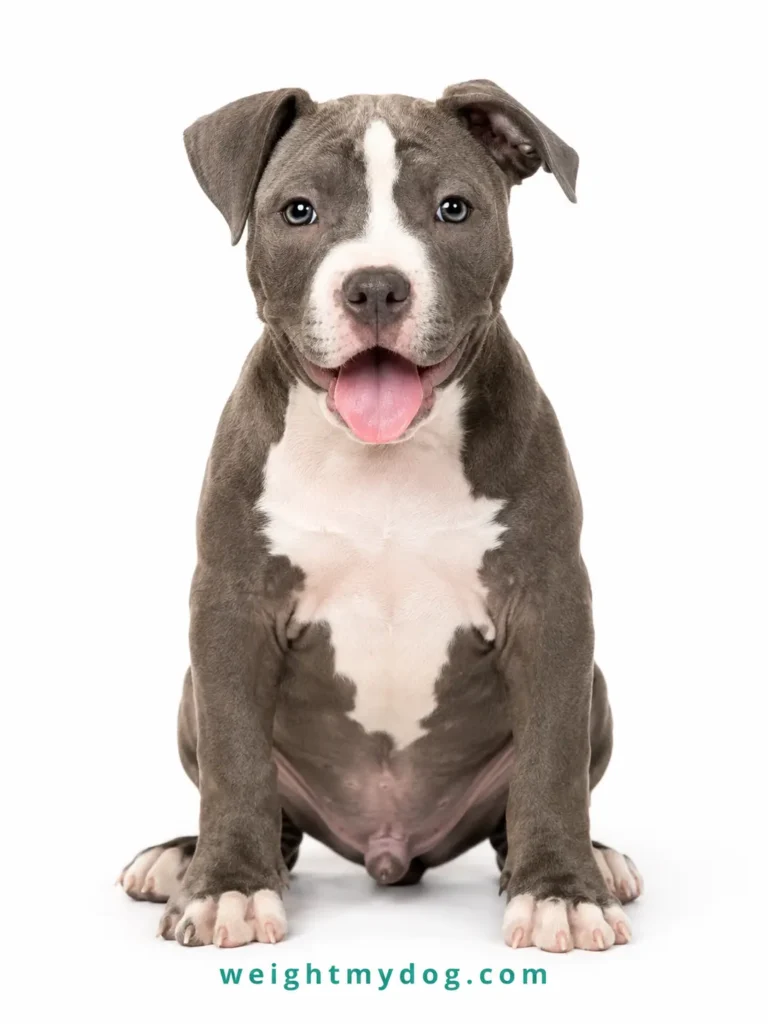
Pitbulls are among the most muscular, loyal, and courageous breeds in canine history. Their weight and development timelines often confuse new owners, especially when puppyhood transitions into adolescence unpredictably.
Understanding your pit bull’s growth isn’t just about numbers — it directly impacts health, diet, and exercise decisions that shape the dog’s lifelong wellbeing and longevity.
Most pitbulls follow predictable monthly milestones, but genetics, gender, and bloodlines introduce variances that make every puppy unique in their size, muscle definition, and body structure.
From newborn to full-grown adult, tracking your pitbull’s weight accurately ensures you’re meeting nutritional and physical needs at every stage — avoiding both underweight and overweight conditions.
Personalized tools like a pitbull weight calculator give owners reliable, estimated adult weight predictions based on current age, sex, and parents’ size — making responsible ownership far more precise.
This guide breaks down every critical growth phase, muscular development pattern, diet requirement, and health condition relevant to American Pit Bull Terriers and Staffordshire Terrier breeds alike.
Pitbull Weight Calculator
| Age | ♂ Male (Expected) | ♀ Female (Expected) | Your Dog |
|---|
How to use the Pitbull Weight Calculator
Get your Pitbull's ideal weight in under 10 seconds. No account needed.
Enter your dog’s details
Enter your Pitbull's current age, weight, and gender. Works in both lbs and kg — supports weeks, months, and years.
Get your instant weight results
See your Pitbull's predicted adult weight range, current ideal weight, visual growth chart, and health status — instantly calculated.
Check your dog’s health status
Find out if your Pitbull is underweight, ideal, or overweight based on breeder and parent-breed data — and get a personalised feeding guide.
Male Pitbull Growth, Weight & Height Chart by Age
| Age | Male Weight | Male Height |
|---|---|---|
| 4 Weeks | 3 – 5 lbs (1.4 – 2.3 kg) | 3 – 5 in (8 – 13 cm) |
| 2 Months | 7 – 10 lbs (3.2 – 4.5 kg) | 6 – 8 in (15 – 20 cm) |
| 3 Months | 15 – 20 lbs (6.8 – 9.1 kg) | 9 – 12 in (23 – 30 cm) |
| 4 Months | 22 – 28 lbs (10.0 – 12.7 kg) | 11 – 14 in (28 – 36 cm) |
| 5 Months | 28 – 35 lbs (12.7 – 15.9 kg) | 13 – 16 in (33 – 41 cm) |
| 6 Months | 35 – 45 lbs (15.9 – 20.4 kg) | 14 – 17 in (36 – 43 cm) |
| 7 Months | 38 – 48 lbs (17.2 – 21.8 kg) | 15 – 17 in (38 – 43 cm) |
| 8 Months | 40 – 52 lbs (18.1 – 23.6 kg) | 15 – 18 in (38 – 46 cm) |
| 9 Months | 43 – 55 lbs (19.5 – 24.9 kg) | 16 – 18 in (41 – 46 cm) |
| 10 Months | 45 – 58 lbs (20.4 – 26.3 kg) | 16 – 19 in (41 – 48 cm) |
| 11 Months | 48 – 60 lbs (21.8 – 27.2 kg) | 17 – 19 in (43 – 48 cm) |
| 12 Months | 50 – 65 lbs (22.7 – 29.5 kg) | 17 – 19 in (43 – 48 cm) |
| 18 Months (Adult) | 55 – 70 lbs (24.9 – 31.8 kg) | 17 – 21 in (43 – 53 cm) |
Female Pitbull Growth, Weight & Height Chart by Age
| Age | Female Weight | Female Height |
|---|---|---|
| 4 Weeks | 2 – 4 lbs (0.9 – 1.8 kg) | 3 – 4 in (8 – 10 cm) |
| 2 Months | 5 – 8 lbs (2.3 – 3.6 kg) | 5 – 7 in (13 – 18 cm) |
| 3 Months | 12 – 17 lbs (5.4 – 7.7 kg) | 8 – 11 in (20 – 28 cm) |
| 4 Months | 18 – 24 lbs (8.2 – 10.9 kg) | 10 – 13 in (25 – 33 cm) |
| 5 Months | 22 – 30 lbs (10.0 – 13.6 kg) | 12 – 15 in (30 – 38 cm) |
| 6 Months | 28 – 38 lbs (12.7 – 17.2 kg) | 13 – 16 in (33 – 41 cm) |
| 7 Months | 30 – 42 lbs (13.6 – 19.1 kg) | 14 – 16 in (36 – 41 cm) |
| 8 Months | 33 – 45 lbs (15.0 – 20.4 kg) | 14 – 17 in (36 – 43 cm) |
| 9 Months | 35 – 48 lbs (15.9 – 21.8 kg) | 15 – 17 in (38 – 43 cm) |
| 10 Months | 36 – 50 lbs (16.3 – 22.7 kg) | 15 – 18 in (38 – 46 cm) |
| 11 Months | 38 – 52 lbs (17.2 – 23.6 kg) | 16 – 18 in (41 – 46 cm) |
| 12 Months | 40 – 55 lbs (18.1 – 24.9 kg) | 16 – 18 in (41 – 46 cm) |
| 18 Months (Adult) | 40 – 55 lbs (18.1 – 24.9 kg) | 16 – 20 in (41 – 51 cm) |
Puppy Growth Chart And AKC Breed Weight Standard
| Breed Size | 8 Weeks | 3 Months | 4 Months | 6 Months | 1 Year |
|---|---|---|---|---|---|
| Toy | 0.9 – 1.8 kg | 1.4 – 2 kg | 2 – 2.5 kg | 2.5 – 3 kg | 3 – 5.5 kg |
| Small | 1.5 – 3 kg | 3 – 5 kg | 4 – 7 kg | 6 – 9 kg | 6 – 11 kg |
| Medium | 3 – 5 kg | 5 – 8 kg | 8 – 13 kg | 10 – 18 kg | 11 – 23 kg |
| Large | 5 – 9 kg | 9 – 12 kg | 12 – 20 kg | 18 – 30 kg | 23 – 45 kg |
| Giant | 7 – 12 kg | 12 – 18 kg | 18 – 28 kg | 28 – 40 kg | 45 – 70 kg |
Pitbull Breed Overview
American Pit Bull Terriers trace their background to centuries of hunting, police work, and hard-working human companion roles across the United States, earning fierce loyalty and gentleness simultaneously.
The breed carries a complicated reputation — fiercely dominant yet sweet, loving, and friendly toward families, making them one of the most versatile canine companion choices for active pet owners.
Staffordshire Bull Terriers and American Staffordshire Terriers belong to the same family, sharing genetics, temperament, and physique, though size variances across Staffies and Bullies remain significant and predictable.
Kennel Club standards from the American Kennel Club classify pit bulls as medium-sized, athletic, short-coated dogs with well-defined chest, broad shoulders, and notably muscular legs and jaw.
The breed’s demeanor combines affection and athleticism — qualities shaped by generations of breeding focused on strength, courage, and sweetness, making them ideal for families seeking loyal, lively dogs.
Pitbulls are classified across standard, XL, and XXL categories, with non-standard lines like Razor Edge and Bully breeds pushing weight and size beyond traditional breed standards significantly.
What Is the Size of a Full-Grown Pit Bull?
A full-grown male Pit Bull typically stands 18 to 21 inches tall at the shoulder and weighs between 35 and 65 pounds under standard breed guidelines and Kennel Club standards.
Female pit bulls generally run lighter, averaging 30 to 50 pounds and standing 17 to 20 inches tall — leaner in frame but equally muscular and athletic in physique and body composition.
XL and XXL pit bulls — bred from larger bloodlines — can weigh 70 to 100 pounds or more, with chest widths and shoulder broadening that push them firmly into large-breed dog categories.
Body condition varies dramatically based on genetics, diet, and exercise regime. A well-conditioned adult pitbull should show a visible waist, well-defined ribs, and a lean, muscular build without excess fat.
Height ranges for Pit Bulls span 17 to 22 inches, though non-standard breeds and mixed lines can produce taller, bulkier individuals whose adult size falls well outside traditional standard averages.
Full-grown pitbulls have impressive chest definition, broad neck, and stocky legs — features that develop steadily from puppyhood through maturity, usually completing by 24 months in most standard breed individuals.
When Do Pitbulls Stop Growing?
Most pitbulls stop growing in height around 12 to 18 months, but muscular bulk and chest broadening often continue developing until the dog reaches 2 to 3 years of adult maturity.
Skeletal growth plates close first — usually by 12 months — after which height gains stop entirely. However, muscle mass, body weight, and chest definition continue filling out well into adulthood.
Male pit bulls tend to bulk out later than females, with full muscular development sometimes not peaking until 2.5 to 3 years of age, especially in larger XL and XXL bloodlines.
Female pitbulls typically mature faster, reaching full-grown size by 18 months in most cases. Pregnancy and spay timing can affect how quickly or slowly females fill out their adult frame.
Watching monthly growth rates helps owners gauge whether their pit bull is developing on track. Stunted growth may signal health issues, diet deficiencies, or early spay/neuter effects on hormones.
Understanding when growth plates become permanent helps owners avoid high-impact exercise too early, which can cause lasting joint damage, ligaments stress, and skeletal problems in developing puppies.
How Much Bigger Will My Pit Bull Get?
Using a pitbull weight calculator, owners can estimate their puppy’s adult weight using a simple formula: divide the puppy’s current weight by their age in weeks, then multiply by 52.
At 12 weeks, a puppy weighing 9 lbs is predicted to reach approximately 39 lbs as a full-grown adult, though genetics, sex, and parent size introduce variances into any projection.
Parent size offers the most reliable clue — if both parents are larger pitbulls, expect offspring to trend heavier. Siblings and grandparents from the same litter also provide useful estimates for projected adult weight.
Paw size is another physical clue — oversized paws on a puppy typically indicate a larger full-grown frame. Gangly, awkward legs and lanky body structure often signal significant growth still ahead.
Breeder records, pedigree lines, and veterinarian estimates using growth charts provide the most accurate projected adult weight — far more reliable than statistical formula-based tools alone.
Expect radically different adult sizes between standard pitbulls and XL Bully breeds — the latter reaching 80 to 120 pounds while standard American Pit Bull Terriers average just 40 to 65 pounds.
What Affects Pit Bull Growth?
Genetics
Genetics remain the dominant factor in determining pitbull size, muscle mass, and growth rate. Bloodlines, pedigree, and inherited genes from both parents shape body structure more than any environmental factor.
Dominant genes passed from grandparents, uncles, aunts, and grandchildren across generations influence muscle definition, bone density, chest width, and adult height in ways diet alone cannot override or change.
Pure-bred pitbulls with documented bloodlines show more predictable growth patterns than mixed breeds or shelter dogs with unknown background — making breeder records invaluable for planning care.
Early Spay/Neuter
Early spay or neuter significantly affects pitbull development by altering hormones that regulate bone growth plates and skeletal maturity — often causing dogs to grow taller but with lighter muscle mass.
Neutered males and spayed females experience slower muscular bulk gaining and sometimes develop longer legs and a leaner frame compared to intact counterparts who fill out more completely.
The timing of spay/neuter decisions carries long-term health consequences — veterinarian advice on optimal timing helps owners balance reproductive health against developmental growth outcomes for each individual dog.
Exercise Regime
A structured exercise regime directly influences muscular development in pitbulls. Activities like fetch, tug, walks, and runs build well-defined muscle mass without stressing joints or ligaments in growing dogs.
High-impact jumping and pulling exercises should be avoided during puppyhood when growth plates remain open — introducing resistance training only after skeletal maturity protects joint health and coordination long-term.
Daily walks combined with mental stimulation and structured play keep pitbulls active, happy, and well-exercised — maintaining ideal body condition score (BCS) without encouraging obesity or excess fat deposits.
Diet
High-protein diet choices are essential for pitbull muscle development — protein-rich food sources like chicken, beef, and raw meat fuel muscle growth while supporting bone density and healthy weight gain.
Balanced nutrition requires the right ratio of proteins, carbs, and fats, supplemented with calcium, phosphorus, vitamins, and minerals that support skeletal development during critical puppyhood growth phases.
Avoid fillers and lower-quality kibble with low-quality ingredients — these fail to meet the calorie and nutrient demands of active, developing pitbulls, leading to stunted growth and poor muscle definition.
Health Issues
Underlying health issues — including thyroid problems, intestinal parasites, metabolic conditions, and congenital defects — can cause stunted growth, unexpected weight loss, and poor muscular development in young pitbulls.
Parasites like intestinal worms rob puppies of critical nutrients, causing weight loss and muscle atrophy — making regular fecal exams, vaccinations, and veterinary checkups essential preventative care steps.
Monitoring monthly weight milestones alongside regular vet visits helps detect and diagnose underlying conditions early, before they cause permanent damage to growth plates, joints, or overall health.
Can Pit Bulls Weigh 100 Pounds?
Yes — XL and XXL Pit Bull breeds bred from larger Bully bloodlines can absolutely weigh 100 pounds or more, though standard American Pit Bull Terriers rarely exceed 65 pounds at full-grown adult size.
Zeus, one of the largest documented pitbulls, demonstrated how selective breeding across giant bloodlines can push weight far beyond normal breed averages — though such size often introduces joint and health problems.
A 100-pound pitbull should still maintain a well-conditioned body — visible waist tuck, well-defined ribs, and lean muscle rather than obese fat deposits — otherwise obesity-related joint damage becomes a serious concern.
Pit Bull Puppy Growth Stages
Newborn pitbull puppies are born weighing just 7 to 10 oz (0.2 to 0.4 kg), completely dependent on their mother to nurse, staying close for warmth and nutrition during the first critical weeks of life.
By 2 weeks, puppies begin gaining weight steadily, doubling their birth weight as they nurse frequently. Eyes remain closed, legs are soft and uncoordinated, and muscle definition is essentially absent at this stage.
At 3 to 4 weeks, puppies are weaned gradually onto soft food, beginning to explore their whelping environment. Body weight increases from roughly 1 to 2 lbs, and early movement coordination improves rapidly.
The 8-week milestone marks a critical birthday — most pit bull puppies weigh 5 to 7 lbs at this stage, ready for adoption. Paws appear oversized, legs seem gangly, and bodies look roly-poly and chunky.
From 3 to 6 months, pitbull puppies enter a rapid growth surge — gaining weight fast, developing taller legs, broader chest, and increasingly muscular shoulders that hint at their eventual adult physique.
Between 6 and 12 months, the teenage phase brings a lanky, awkward appearance — pitbulls look scrawniest during this adolescence stage as skeletal growth outpaces muscular fill-out, which catches up later.
Is My Pit Bull Overweight?
Determining overweight status in a pitbull requires more than a scale — the Body Condition Score (BCS) system helps owners assess fat coverage over ribs, waist definition, and belly tuck accurately.
A healthy pitbull should have ribs you can feel with light finger pressure but not clearly see from a distance — visible ribs without touching signal underweight, while buried ribs confirm overweight or obese condition.
Overweight pitbulls show drooping belly, absent waist tuck, excess fat around the neck and chest, and uncomfortable movement — joint pain, slower walks, and difficulty with everyday activities often follow obesity.
A 70-pound pitbull is NOT automatically overweight — size context matters enormously. A 70-pound XL Pit Bull with well-defined muscle and a clear waist scores a perfectly healthy BCS of 4 to 5.
BMI-equivalent scoring tools designed for dogs help owners and veterinarians make more accurate condition assessments — measuring chest width, waist circumference, and rib coverage comfortably rather than relying solely on pounds.
Monthly weigh-in sessions combined with regular vet checkups create a baseline record of weight trends — catching excess weight gain early before it causes joint damage, diabetes, or heart conditions.
Is My Pit Bull Underweight?
An underweight pitbull shows visible ribs, prominent spine, sharp hip bones, and a significant loss of muscle mass — all signs that nutrition is falling short of the dog’s daily calorie and protein needs.
Thin pitbulls during the teenage phase — roughly 8 to 14 months — are often normal slow growers still filling out their frame. This lanky, lean look is completely expected and resolves as muscular development catches up.
Underlying conditions including intestinal parasites, thyroid disease, and metabolic disorders can cause pitbulls to appear underweight despite adequate food intake — making vet diagnosis essential before increasing feeding amounts.
Never starve or severely restrict a growing pitbull’s diet in hopes of maintaining a thin appearance — muscle mass and bone density suffer permanently when nutrition is deliberately withheld during critical development phases.
A vet can diagnose whether thinness reflects normal breed type or a serious underlying health issue — fecal exams, blood tests, and physical exams quickly reveal parasites, disease, or nutritional deficiencies.
Protein-rich food, increased daily meals, and targeted supplements of calcium, phosphorus, and vitamins can help underweight pitbulls gain healthy weight and muscle mass steadily without overfeeding or causing digestive stress.
Pitbull Puppy Growth Patterns: How Much Does a Pitbull Weigh?
Pitbull puppy growth patterns show steady monthly weight gain from newborn birth through 24 months, with males consistently heavier and taller than females at every age milestone across standard breeds.
Growth spurts occur most dramatically between 3 and 6 months, when pitbull puppies can gain 2 to 3 pounds per week — a rapid rise in both height and weight that often surprises new owners.
Female pitbulls show leaner growth curves throughout puppyhood, reaching their final adult weight earlier than males — typically by 18 months — while males continue filling out through their second year.
Mixed breed pitbulls from shelter backgrounds show less predictable patterns — growth rates and adult size depend heavily on which genes prove dominant, making chart-based estimates less reliable for these dogs.
Monthly tracking using a reliable scale and consistent recording gives owners the most accurate picture of their pitbull’s individual growth trajectory — far more useful than general chart averages alone.
Pit Bull Muscular Development by Age
Newborn to 4 weeks: muscles are soft, undeveloped, and used primarily for nursing and basic movement. Body condition is roly-poly, fat-heavy, and entirely unlike the athletic physique that defines adult pitbulls.
At 2 to 3 months, early muscular definition begins appearing in the legs, shoulders, and neck — a direct result of increased activity as puppies explore, play, and develop coordination through daily physical exercise.
The 6-month stage reveals a gangly, lanky body where skeletal growth has outpaced muscular fill-out. Pitbulls look uncoordinated and thin here — but this is a completely normal phase in canine development.
Between 12 and 18 months, muscular development accelerates dramatically — chest thickens, shoulders broaden, neck widen, and the classic well-defined, stocky pitbull physique begins emerging solidly with proper diet and exercise.
Peak muscle mass is typically achieved by 24 to 36 months in males and slightly earlier in females — well-exercised, high-protein-fed pitbulls develop the most impressive, well-conditioned muscular structure at maturity.
Muscle atrophy becomes a risk in senior pitbulls beyond 8 years — regular, moderate exercise, protein-rich diet, and joint supplements help maintain muscle mass and mobility throughout the dog’s later life stages.
How Much to Feed a Pit Bull by Age
Pitbull puppies at 8 weeks need 4 small daily meals totaling 0.5 to 1 cup of high-quality large-breed puppy food per day — frequent feeding supports steady blood sugar and consistent nutrient absorption during growth.
By 6 months, pitbull puppies transition to 3 meals per day — approximately 1.5 to 2.5 cups of protein-rich dry kibble or wet food daily, adjusted based on activity level and body condition score.
Adult pitbulls between 1 and 7 years thrive on 2 daily meals totaling 2.5 to 3.5 cups — amount varies based on weight, activity, sex, and whether the dog is neutered or intact and active.
Senior pitbulls aged 8 and older require fewer calories as metabolism decreases — smaller, balanced meals with added joint supplements and omega fats support healthy aging without encouraging excess weight gain.
Avoid overfeeding at any age — excess calorie intake consistently leads to obesity, joint stress, heart conditions, and significantly shortened lifespan in pitbulls regardless of breed size or activity level maintained.
Never overfeed protein supplements beyond what balanced food already provides — excess protein strains kidneys and disrupts the delicate calcium-to-phosphorus ratio that’s critical for healthy bone development in growing pitbulls.
How Important Is Diet in a Puppy’s Development?
Diet is arguably the single most important factor a pitbull owner controls — nutrition during the first 12 months determines skeletal density, muscle mass, immune function, and long-term health outcomes more than any other variable.
High-protein food with meat as the first ingredient — chicken, beef, or cooked proteins — provides the amino acid foundation required for pitbull muscle development, jaw strength, and body composition during puppyhood.
Calcium and phosphorus ratios in large-breed puppy formulas are carefully calibrated to prevent too fast bone growth — which paradoxically weakens skeletal structure and increases the risk of joint problems and hip dysplasia.
Low-quality food filled with carbs, fillers, and artificial ingredients starves pitbull puppies of essential nutrients — producing stunted, underweight dogs with poor immune systems and increased susceptibility to disease and infections.
Wet food or cooked meat mixed with dry kibble improves hydration, palatability, and overall nutrient density — particularly valuable for picky pitbull puppies who resist eating sufficient amounts of dry food alone.
Good-quality puppy food with adequate vitamins, minerals, and fats contributes directly to immune system strength, dental health, coat condition, and the mental stimulation your growing pitbull needs for happy, confident development.
Other Factors to Keep in Mind
Lifestyle factors beyond diet and exercise — including stress levels, environmental stressors, mental stimulation, hydration, and dental health — profoundly affect pitbull development, wellbeing, and long-term health outcomes.
Dental health is frequently overlooked — pitbulls with neglected teeth suffer pain, infections, and chewing difficulties that reduce food intake and indirectly cause weight loss and muscle mass decline over time.
Regular ear checks prevent infections common in active pitbulls — ear infections cause discomfort, stress, and behavioral changes that reduce activity levels and eating habits, indirectly affecting growth milestones and weight.
Mental stimulation through training, puzzle play, and social activities reduces stress and overactive behaviors that burn excess calories — keeping pitbulls balanced, happy, and less prone to metabolic irregularities from chronic stress.
Hydration is critical — water intake directly affects nutrient absorption, joint lubrication, kidney function, and overall metabolism. Active pitbulls need consistent access to clean water, especially during and after exercise sessions.
Preventative care including vaccinations, fecal exams, dental chews, and monthly parasite preventive medication keeps pitbulls healthy, active, and developing on track without unexpected health disruptions throughout puppyhood and adulthood.
How Do I Make Sure My Pit Bull Is Healthy?
Regular vet visits — ideally monthly during puppyhood and at least twice yearly in adulthood — provide the professional monitoring needed to catch health conditions early and keep vaccinations, screenings, and checkups current.
Physical exams at each vet visit should include weight recording, body condition scoring, dental inspection, heart monitoring, and joint assessment — creating a comprehensive health baseline for every pitbull across their lifespan.
Proactive health management involves routine bloodwork, fecal exams for parasites, ear checks, and genetic screening for inherited conditions — giving owners early detection tools before symptoms become severe problems.
A consistent routine combining balanced diet, structured exercise, mental stimulation, dental care, and regular vet appointments forms the foundation of lifelong health for every pitbull regardless of size category or bloodline.
Owners who maintain detailed monthly weight and health records can identify unexpected changes quickly — sudden weight loss, gain, coordination problems, or changes in eating habits all signal potential underlying issues needing vet attention.
Pet insurance and budgeting for veterinary costs ensures pitbull owners never delay needed medical treatment — proactive spending on preventive care dramatically reduces long-term costs of treating advanced health conditions in adult dogs.
Common Health Conditions in Pitbulls
Pitbulls are predisposed to several common health conditions including hip dysplasia, kneecap dislocation, degenerative myelopathy, congenital heart defects, allergies, cataracts, and skin conditions that require proactive veterinary management.
Understanding these conditions helps owners recognize early symptoms — pain during movement, shortness of breath, irregular heartbeat, licking or itchy skin, and coordination problems all signal issues that worsen without treatment.
Genetic screening of parents and grandparents before breeding reduces the risk of passing inherited conditions to offspring — responsible breeders test for hip dysplasia, heart defects, and eye conditions before breeding pitbulls.
Hip Dysplasia
Hip dysplasia occurs when the femoral head doesn’t fit properly into the hip socket — causing joint instability, pain, cartilage damage, and progressive deterioration of the femur and surrounding joint surfaces over time.
Pitbulls are susceptible to hip dysplasia due to their muscular build and rapid growth rates — excess weight, high-impact exercise, and poor nutrition during puppyhood dramatically increase the risk of developing this painful condition.
Treatment ranges from diet adjustments and joint supplements to surgery in severe cases — early detection through veterinary screening and regular physical exams significantly improves outcomes and quality of life for affected pitbulls.
Kneecap Dislocation (Luxating Patella)
Luxating patella — or kneecap dislocation — occurs when the kneecap slips medially or laterally out of its normal position in the femoral groove, causing pain, lameness, and an abnormal bent-leg gait.
Pitbulls with patellar luxation may show intermittent leg lifting, sudden lameness, and knee pains that come and go — mild cases are managed with physical therapy, while severe dislocation requires surgery.
Genetic predisposition makes patellar dislocation common in certain pitbull lines — breeders should screen parents for kneecap instability before breeding, and owners should monitor their dog’s gait closely for early signs.
Degenerative Myelopathy
Degenerative myelopathy is a progressive spinal cord disease caused by a SOD1 gene mutation — similar to ALS (Lou Gehrig’s disease) in humans — that causes gradual deterioration of nerve function in the hindquarters.
Symptoms begin with coordination loss and weakness in the back legs, progressing to complete paralysis — the disease is debilitating and currently has no cure, though physical therapy and supportive care slow deterioration significantly.
Genetic testing for the SOD1 mutation identifies pitbulls at risk — dogs with two copies of the mutation are most susceptible, making screening of parents and adult pitbulls a responsible ownership priority for longevity.
Congenital Heart Defects
Congenital heart defects in pitbulls include aortic stenosis — a narrowing of the aortic valve — and other structural CHD problems affecting the left ventricle, blood pressure, heartbeat rhythm, and overall cardiac function.
Symptoms of heart defects include shortness of breath, murmur detected during vet exam, exercise intolerance, and drooping energy levels — early detection through regular veterinary checkups is critical for managing these conditions.
Congenital defects are inherited — responsible breeding requires cardiac screening of both parents before breeding, while affected pitbulls may require medication, diet adjustments, and activity restrictions throughout their adult life.
Difference Between Male and Female Pit Bulls
Male pitbulls are consistently larger than females — averaging 35 to 65 lbs and 18 to 21 inches tall, while females average 30 to 50 lbs and 17 to 20 inches — a significant size and weight difference between sexes.
Males develop broader shoulders, thicker neck muscles, wider chest, and heavier jaw structure than females — physical differences that emerge more clearly after 12 months as testosterone drives muscular bulk in intact males.
Female pitbulls are leaner, lighter, and reach full maturity earlier than males — their growth plates close sooner, skeletal development completes by 18 months, and muscular fill-out happens more predictably and steadily.
Neutered males often develop closer to female size and muscular profile — hormones play a critical role in driving the size difference between intact males and females, making neuter timing a meaningful factor in final adult size.
Pregnant females require special nutritional attention — body weight increases significantly during pregnancy, and post-pregnancy weight loss must be managed carefully to protect muscle mass and overall health after whelping.
Understanding the male-female size difference helps owners interpret growth charts correctly — applying male pitbull weight averages to a female dog produces misleading results and unnecessary concern about underweight status.
Breed Size Categories
Pitbulls span multiple size categories — standard American Pit Bull Terriers are classified as medium-sized dogs, while XL and XXL Bully breeds push into large and even giant breed categories by adult weight standards.
Standard Pit Bulls weigh 30 to 65 lbs — comparable in size to Labrador retrievers, Beagles, Corgi, Dachshund, and Samoyed breeds, placing them firmly in the medium dog size range used by most Kennel Club standards.
XL Pit Bulls weigh 65 to 100 lbs — approaching size ranges associated with Bernese Mountain Dog, Alaskan Malamute, and Bullmastiff breeds, reflecting how selective breeding has dramatically expanded pitbull size categories beyond traditional standards.
XXL Pit Bulls exceeding 100 lbs represent the largest category — these dogs rival Great Dane and Great Pyrenees in weight, though their muscular structure and physique remain distinctly pitbull in appearance and athleticism.
Toy or miniature pitbull claims represent non-standard breeding — genuine toy pitbulls don’t exist within recognized breed standards, and small-framed pitbulls marketed as toy breeds are typically the scrawniest individuals from normal-sized litters.
Breed size category determines appropriate food amounts, exercise intensity, joint supplement needs, and veterinary care protocols — owners must correctly identify their pitbull’s size category for accurate nutritional planning and health monitoring.
Key Takeaways
Pitbull weight and growth follow predictable patterns — males grow larger than females, growth plates close by 12 months, muscular bulk peaks by 24 to 36 months, and diet remains the most controllable development factor.
Genetics and bloodlines determine adult size more than any other factor — use a pitbull weight calculator, parent size, and monthly vet checkups to track growth milestones and catch health concerns early.
Avoid high-impact exercise during puppyhood, invest in high-quality large-breed puppy food, maintain regular vet visits, and monitor body condition score monthly — these steps protect pitbull health across every life stage.
Common health conditions — hip dysplasia, patellar luxation, degenerative myelopathy, and congenital heart defects — are most manageable when detected early through routine screening and responsible breeding practices.
Overweight and underweight conditions both harm pitbull health — use BCS scoring, regular weigh-in sessions, and veterinarian guidance to maintain optimal body condition at every age stage of your dog’s life.
Whether your pit bull is standard, XL, or XXL, the principles of balanced nutrition, consistent exercise, proactive health monitoring, and loving ownership apply equally — supporting a healthy, happy, loyal companion for life.
Frequently Asked Questions — Pitbull Weight
How much should a 4-month-old Pit Bull weigh?
A 4-month-old Pit Bull puppy typically weighs 20 to 25 lbs for males and 17 to 22 lbs for females — exact weight depends on genetics, parent size, diet, and whether the puppy is a standard or larger breed type.
At 4 months, pitbull puppies should be eating 3 to 4 meals per day of high-quality large-breed puppy food — a vet can confirm healthy weight range at the monthly checkup if growth concerns arise.
How big should a 6-month-old Pit Bull be?
A 6-month-old Pit Bull typically weighs 30 to 38 lbs (males) and 25 to 30 lbs (females), standing approximately 16 to 18 inches tall at the shoulder — this stage marks a rapid growth surge before the teenage phase.
At 6 months, expect a lanky, uncoordinated appearance as skeletal growth outpaces muscular fill-out — this is completely normal and resolves as muscular bulk catches up with height over the following months.
What is the average weight of a male Pitbull at 12 months?
The average male Pitbull weighs 45 to 60 lbs at 12 months — some larger individuals may approach 65 lbs depending on genetics and bloodlines, while smaller standard breed males may remain closer to 40 to 50 lbs.
At 12 months, male pitbulls have largely completed skeletal growth but continue filling out muscular bulk — diet quality, exercise regime, and whether the dog is neutered or intact all influence final adult weight significantly.
When do Pitbulls stop growing?
Pitbulls stop growing in height between 12 and 18 months when growth plates close permanently — but muscular bulk, chest broadening, and overall body weight continue increasing until 2 to 3 years of adult maturity.
Males bulk out later than females — expect full muscular development by 30 to 36 months in larger pitbulls. Diet and exercise during this filling out phase significantly shape the dog’s final adult physique.
How much does a full-grown male Pit Bull weigh?
A full-grown male Pit Bull weighs 35 to 65 lbs under standard breed guidelines — XL males reach 65 to 100 lbs, and XXL Bully breed males can exceed 100 lbs depending on bloodlines and breeding program.
Intact males tend to weigh more than neutered males due to testosterone-driven muscular bulk — a well-conditioned full-grown male should show visible waist tuck, defined ribs, and a lean, muscular physique rather than excess fat.
How much does a full-grown female Pit Bull weigh?
A full-grown female Pit Bull typically weighs 30 to 50 lbs and stands 17 to 20 inches tall — leaner and lighter than males with a smaller frame but equally athletic and muscular body structure proportionally.
Female pitbulls reach full adult weight by 18 to 24 months — pregnancy can temporarily increase weight significantly, while spayed females may gain weight more easily, requiring diet adjustments and consistent exercise monitoring.
Why isn’t my Pit Bull gaining weight?
Pitbulls that fail to gain weight despite adequate feeding may have intestinal parasites, thyroid issues, metabolic disease, or food allergies that impair nutrient absorption — a vet exam including fecal test and bloodwork should be the first step.
Diet quality also matters enormously — low-quality food filled with fillers provides insufficient protein and calories for pitbull muscle development and weight gain. Switching to high-quality, protein-rich large-breed food often resolves gaining difficulties quickly.
Is a 70-pound Pit Bull overweight?
A 70-pound Pit Bull is not automatically overweight — size context and body condition score matter more than scale numbers alone. A 70-pound XL male with visible waist, well-defined muscle, and feel-able ribs scores completely healthy.
However, a 70-pound standard-sized female or smaller male with a drooping belly, buried ribs, and absent waist tuck would be considered significantly overweight — always assess BCS alongside weight for accurate condition evaluation.
Do Pit Bulls gain muscle naturally?
Yes — pitbulls gain muscle naturally through daily activity, play, walks, and runs without specialized training equipment. Their genetics program them for muscular development, making them naturally athletic dogs with impressive physique potential even on moderate exercise.
Structured exercise including tug, fetch, swimming, and leash walks accelerates natural muscle gain — combined with high-protein diet, pitbulls develop well-defined, impressive muscle mass that reflects their naturally athletic, hard-working canine heritage.
My Pit Bull looks thin at 8 months. Is that normal?
Yes — 8-month-old pitbulls frequently look thin and gangly as skeletal growth outpaces muscular fill-out during this teenage phase. This scrawniest-looking stage is completely normal and resolves naturally as muscular development catches up over the next several months.
If your 8-month pit bull appears severely thin with prominent ribs, hip bones, and significant weight loss, consult a vet — parasites, disease, or diet deficiencies could be causing genuine underweight that requires professional diagnosis and treatment.
How can I ensure my Pitbull puppy is healthy?
Ensuring a healthy pitbull puppy requires monthly vet checkups, complete vaccination schedules, regular fecal exams for parasites, dental care, high-quality diet, appropriate exercise, and consistent monitoring of weight milestones and body condition score.
Establish a proactive care routine from birth — preventive veterinary visits, genetic screening of parents, and responsible ownership decisions about spay/neuter timing set the foundation for a lifelong healthy, happy pitbull companion.
What are common health issues in Pitbulls?
Common health issues in pitbulls include hip dysplasia, luxating patella, degenerative myelopathy, congenital heart defects, skin allergies (atopy), cataracts, ear infections, and thyroid conditions — many are inherited and detectable through genetic screening.
Proactive monitoring through regular vet visits, physical exams, bloodwork, and breed-specific health screenings allows early detection of these conditions — dramatically improving treatment outcomes, quality of life, and overall lifespan for affected pitbulls.
How much should I feed my Pitbull puppy?
Pitbull puppies need 4 small meals daily at 8 weeks (0.5 to 1 cup total), transitioning to 3 meals by 4 months (1 to 1.5 cups), and 2 to 3 meals by 6 months (1.5 to 2.5 cups) of high-quality large-breed puppy food.
Amount should be adjusted based on body condition score, activity level, and monthly weight milestones — avoid overfeeding which causes obesity and joint stress, and avoid underfeeding which causes stunted growth and muscle mass deficiency.
How big will my puppy grow if he is 9 lbs at 12 weeks?
A puppy weighing 9 lbs at 12 weeks (3 months) uses the formula: (9 ÷ 12) × 52 ≈ 39 lbs estimated adult weight — though genetics, parent size, sex, and breed type all introduce variability into this projected full-grown weight estimate.
This formula provides a reasonable baseline estimate for standard American Pit Bull Terriers — XL or XXL breed lines often grow significantly larger than formula-based predictions suggest, so parent size and breeder records are equally important clues.
What should I feed my Pit Bull puppy to support growth?
Feed your Pit Bull puppy a high-quality large-breed puppy formula with meat — chicken, beef, or cooked protein — as the first ingredient, containing balanced calcium-to-phosphorus ratios designed specifically for large-breed puppy skeletal development needs.
Supplement with wet food or cooked meat for added hydration and palatability — avoid fillers, artificial ingredients, and low-quality kibble that fail to meet pitbull puppy calorie, protein, vitamin, and mineral requirements for optimal muscular and skeletal growth.
Table of Contents
Toggle