
American Bulldog Weight Calculator — Free Puppy Growth Chart by Age
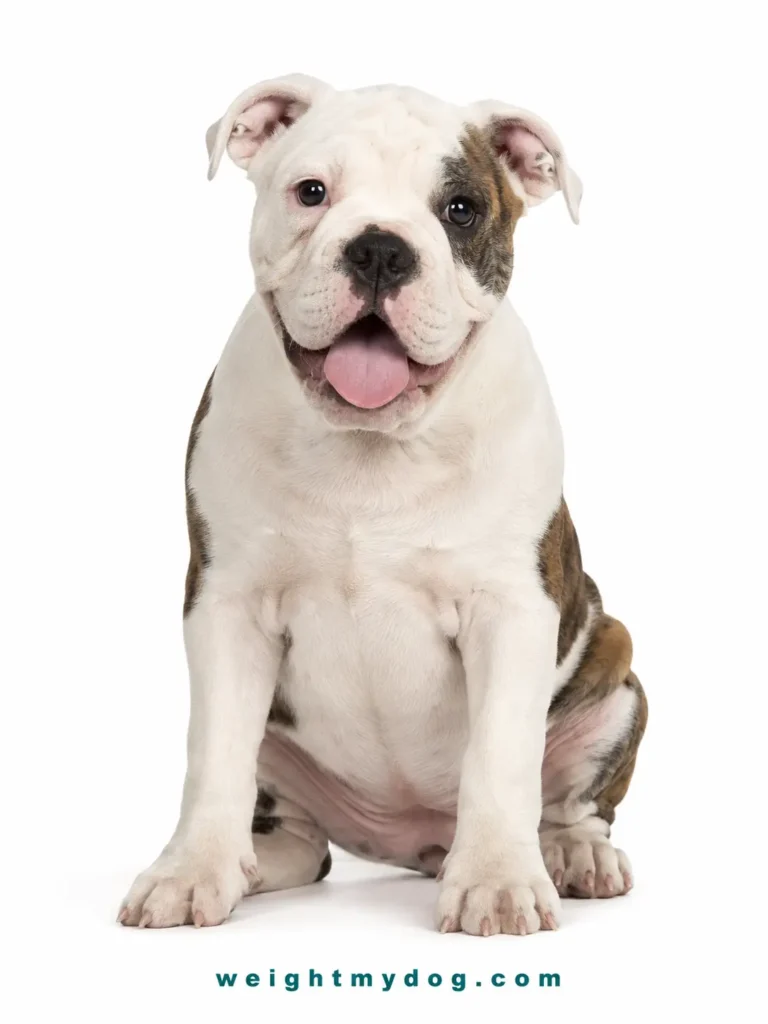
The American Bulldog is a breed known for its muscular build, powerful stature, and loyal temperament. Understanding weight patterns early helps pet owners maintain long-term health and avoid obesity risks throughout each life stage.
Tracking growth using a weight calculator gives families reliable estimations about adult weight. Whether referencing a weight chart or consulting a veterinarian, knowing your dog’s ideal weight supports healthy development and prevents health issues down the line.
American Bulldogs thrive when nutrition, exercise, and regular monitoring align with their specific needs. Male dogs and female dogs grow at different rates, making breed-specific tools essential for accurate comparisons across different stages of development.
A growth chart tailored to this breed reveals how genetics, diet, and activity level shape each dog’s trajectory. Pet owners should compare their dog’s current weight against expected ranges to catch abnormal growth or developmental issues before they worsen.
Many owners underestimate how quickly puppies move through growth spurts. Using weight charts alongside routine check-ups ensures your dog’s body condition stays within a healthy range, protecting joints, bones, and overall well-being at every age.
The American Kennel Club and American Canine Registry both recognize this breed, and registered dogs typically fall within predictable weight ranges. Staying informed about average benchmarks allows families to make confident, healthy decisions about feeding, exercise, and preventive care.
American Bulldog Weight Calculator
| Age | ♂ Male (Expected) | ♀ Female (Expected) | Your Dog |
|---|
How to use the American Bulldog Weight Calculator
Get your American Bulldog's ideal weight in under 10 seconds. No account needed.
Enter your dog’s details
Enter your American Bulldog's current age, weight, and gender. Works in both lbs and kg — supports weeks, months, and years.
Get your instant weight results
See your American Bulldog's predicted adult weight range, current ideal weight, visual growth chart, and health status — instantly calculated.
Check your dog’s health status
Find out if your American Bulldog is underweight, ideal, or overweight based on AKC-verified breed standards — and get a personalised feeding guide.
American Bulldog Breed Overview
The American Bulldog descended from working farm dogs and working lines developed for strength and stamina. This breed carries a deep chest, wide chest, and muscular frame that distinguishes it from medium-sized breeds and English Bulldog relatives alike.
American Bulldogs are energetic, confident, and protective companions suited for active families. Unlike antisocial or aggressive tendencies sometimes assumed, socialised individuals make affectionate, friendly family dogs that bond deeply with kids and loyal companions of all ages.
Show lines and working lines produce noticeably different physical builds. Show lines tend toward a heavier, chunky appearance while working lines remain slender and athletic, reflecting genetics dictate size across this breed’s diverse size classification and type spectrum.
The breed is classified as a large dog, not a giant breed. Size ranges overlap with large breed dogs, and formidable appearance often leads people to overestimate actual weight. Healthy adults look muscular but never overweight when properly conditioned.
American Bulldogs were historically used as working dogs alongside working farm dogs and guarding livestock. Their bite force, strength, and agility made them invaluable. Today, dog sports, agility training, and obedience training channel these instincts constructively and maintain peak condition.
Despite a brachycephalic breed classification, these dogs are clever, loving, and highly trainable. They can overheat in warm weather, so owners must monitor breathing and avoid long runs during heat. Proper care keeps them happy and thriving throughout their typical lifespan.
Male American Bulldog Growth, Weight & Height Chart by Age
| Age | Male Weight | Male Height |
|---|---|---|
| 4 Weeks | 1.5 – 3 kg | 10 – 15 cm |
| 2 Months | 5 – 8 kg | 20 – 25 cm |
| 3 Months | 11 – 19 kg | 30 – 38 cm |
| 4 Months | 15 – 24 kg | 38 – 46 cm |
| 5 Months | 18 – 29 kg | 44 – 52 cm |
| 6 Months | 21 – 35 kg | 48 – 56 cm |
| 7 Months | 24 – 38 kg | 52 – 58 cm |
| 8 Months | 26 – 41 kg | 54 – 60 cm |
| 9 Months | 27 – 44 kg | 56 – 61 cm |
| 10 Months | 28 – 46 kg | 57 – 62 cm |
| 11 Months | 29 – 49 kg | 58 – 63 cm |
| 12 Months | 29 – 53 kg | 59 – 64 cm |
| 18 Months | 30 – 56 kg | 60 – 65 cm |
| 24 Months (Adult) | 30 – 58 kg | 56 – 71 cm |
Female American Bulldog Growth, Weight & Height Chart by Age
| Age | Female Weight | Female Height |
|---|---|---|
| 4 Weeks | 1 – 2.5 kg | 8 – 13 cm |
| 2 Months | 4 – 7 kg | 18 – 23 cm |
| 3 Months | 10 – 14 kg | 27 – 34 cm |
| 4 Months | 13 – 18 kg | 33 – 41 cm |
| 5 Months | 16 – 22 kg | 38 – 47 cm |
| 6 Months | 19 – 27 kg | 43 – 51 cm |
| 7 Months | 21 – 30 kg | 46 – 53 cm |
| 8 Months | 23 – 32 kg | 48 – 55 cm |
| 9 Months | 24 – 34 kg | 49 – 56 cm |
| 10 Months | 25 – 36 kg | 50 – 57 cm |
| 11 Months | 26 – 37 kg | 51 – 57.5 cm |
| 12 Months | 26 – 38.5 kg | 51 – 58 cm |
| 18 Months | 27 – 40 kg | 51 – 59 cm |
| 24 Months (Adult) | 27 – 45 kg | 51 – 58 cm |
Puppy Growth Chart And AKC Breed Weight Standard
| Breed Size | 8 Weeks | 3 Months | 4 Months | 6 Months | 1 Year |
|---|---|---|---|---|---|
| Toy | 0.9 – 1.8 kg | 1.4 – 2 kg | 2 – 2.5 kg | 2.5 – 3 kg | 3 – 5.5 kg |
| Small | 1.5 – 3 kg | 3 – 5 kg | 4 – 7 kg | 6 – 9 kg | 6 – 11 kg |
| Medium | 3 – 5 kg | 5 – 8 kg | 8 – 13 kg | 10 – 18 kg | 11 – 23 kg |
| Large | 5 – 9 kg | 9 – 12 kg | 12 – 20 kg | 18 – 30 kg | 23 – 45 kg |
| Giant | 7 – 12 kg | 12 – 18 kg | 18 – 28 kg | 28 – 40 kg | 45 – 70 kg |
What is the Ideal Weight for an American Bulldog?
Determining ideal weight depends on gender, genetics, and build. Female dogs generally weigh between 60 and 85 lbs, while male individuals typically reach 90 to 120 lbs when fully mature and in peak condition.
Using a weight chart helps pet owners identify whether their dog sits at the lower end or higher end of the weight range. A veterinarian can perform a thorough examination and provide personalized feeding recommendations based on your dog’s body condition and size.
The ability to feel ribs without pressing too hard indicates a healthy weight. If ribs are hidden beneath excess fat, or the dog shows a sagging belly, these signal overweight status requiring weight management and dietary adjustments immediately.
Ideal weight also depends on muscular build. An extra-muscular dog may weigh more without being overweight. Always assess body condition holistically — including visible waist, tuck, and waistline — rather than relying solely on scale numbers for accurate assessment.
Genetics strongly influence whether an American Bulldog reaches the largest individuals or smallest individuals within the weight range. Bloodline, registered breeder standards, and professional breeder guidance all contribute to setting realistic adult weight estimations per dog.
Vet consultations remain the gold standard for confirming ideal weight. A qualified veterinarian will use diagnostic tests, visual checks, and body condition scoring to confirm your dog’s healthy weight and recommend lifestyle adjustments if weight falls outside expected parameters.
When Do American Bulldogs Stop Growing?
American Bulldogs typically stop growing around 18 months to two years old, though some males continue filling out until 22 months. Unlike medium-sized breeds, large breed dogs like this breed require more time to reach physical maturity and full size.
Growth slows significantly after the first year but doesn’t fully cease. The adolescent stage between 12 months and 18 months old involves continued muscle development and tissue development rather than dramatic height increases. Body proportions gradually stabilize during this development period.
The first half year sees the most rapid growth phase. Puppies grow through different rates across growth spurts during 3 months, 4 months, and 6 months checkpoints. Each growth phase adds both weight and height in parallel bursts that can seem sudden to pet owners.
Female dogs typically reach full height earlier than males, often completing growth by 15 months. Male dogs with larger genetics may still appear lanky or slender before bulking up fully between 16 months and 18 months, when muscle mass increases noticeably.
Genetics dictate size and timing of growth complete milestones. Bloodline plays a critical role in whether a dog finishes growing on the shorter or taller end of the height spectrum. Individual growth rates vary even among intact littermates from the same litter.
Owners tracking growth trajectory using monthly weight and height measurements can anticipate when their dog approaches adult size. Any sudden plateau or stunted growth warrants a veterinarian visit to rule out underlying health conditions, parasites, or nutritional deficiencies affecting development.
How Much Should a 6-Month-Old American Bulldog Weigh?
At 6 months, an American Bulldog puppy should weigh approximately 45 to 65 lbs depending on gender and genetics. Female puppies typically sit closer to 45 lbs, while male counterparts may already approach 60 lbs or slightly heavier.
A 6-month-old dog is still in an active growth phase with developing joints and rapid muscle development. High-impact activities like jumping and rough play should be limited to protect growing joints and avoid injury that could create lasting joint problems or hip dysplasia later.
Diet at this stage requires high-quality puppy food rich in essential nutrients, calcium, and protein. Feeding 3 meals a day or even 4 meals a day supports their rapid growth needs without overfeeding, which risks obesity and excess strain on developing joints.
Using a growth chart to track your 6-month-old’s weight curve helps monitor whether growth progress aligns with average expectations. Weight progressions at this stage should show steady monthly gains without excessively rapid growth that could strain bones and growing joints prematurely.
If your puppy appears significantly underweight or overweight at 6 months, consult a veterinarian without delay. Underlying issues like metabolic disorders, genetic disorders, or poor nutrition may be temporarily masking abnormal growth that requires diagnostic tests and early treatment.
Comparing your 6-month-old against weight charts from a reputable breeder or American Kennel Club standards offers useful guidance. However, remember that individual dogs within the same breed may naturally fall outside general guidelines while still achieving healthy growth within their personal growth curve.
What is the Average Weight of a 1 Year Old American Bulldog?
At 1 year, the average weight of an American Bulldog ranges between 70 and 100 lbs for males and 55 to 85 lbs for females. These figures represent typical growth ranges rather than exact science, since individual growth rates differ widely by bloodline.
A 1 year old American Bulldog has usually completed vertical growth but continues gaining weight through muscle development over subsequent months. The average dog at this age looks noticeably more muscular and broad compared to their 6-month-old puppy self.
Male dogs reaching 1 year often display the characteristic deep chest and wide chest of the breed, while females appear proportionally slimmer but equally strong. Both sexes should maintain a visible waist and healthy body condition without appearing fat or underweight at this milestone.
Using a weight calculator at 1 year helps predict final adult weight with reasonable accuracy. Most American Bulldogs will add another 10 to 20 lbs of muscle mass between their first birthday and reaching complete maturity at approximately two years.
If your dog weighs significantly less than the average at 1 year, revisit diet, feeding schedules, and health status. Inability to gain weight may indicate parasites, metabolic disorders, or nutritional deficiencies. A qualified vet should assess overall health and recommend appropriate treatment or dietary adjustments.
Weight tracking monthly during this adolescent stage remains critical. Growth may slow down noticeably after 12 months, but body condition continues improving. Maintaining a balanced diet and regular exercise routine throughout this phase ensures your dog transitions smoothly into a well-muscled adult.
How Can I Fatten Up My American Bulldog?
Before attempting to bulk up a thin American Bulldog, always consult a veterinarian to rule out underlying health conditions. Inability to gain weight may stem from parasites, metabolic disorders, or genetic abnormalities rather than simple nutrition gaps in current feeding amounts.
Once health issues are cleared, increasing calorie intake through high-quality food helps gain weight gradually. Adding protein-dense puppy food or adult formula appropriate for large breed dogs supports muscle mass development without triggering digestive problems or excessive fat accumulation around vital organs.
Several meals spread throughout the day aid digestion better than one large meal. Offering 3 meals a day or 4 meals a day allows the dog’s stomach to process calories efficiently, reducing risk of bloat and stomach torsion — both fatal conditions in large dogs with deep chest anatomy.
Nutritious food rich in essential nutrients combined with supervised playtime and moderate exercise builds lean muscle mass rather than just fat. Avoid crash diets or extreme calorie spikes. Gradually increasing portions over weeks prevents digestive problems and allows the body to adjust comfortably.
Supplements may help if a veterinarian confirms nutritional deficiencies, but excessive supplementation or inappropriate supplementation risks harmful imbalances. Calcium excess, for instance, disrupts bone health and joint development in growing puppies. Always seek qualified veterinarian advice before adding any supplements to the diet.
Track weight gain monthly using a reliable weight scale and compare results against a weight chart. If your dog isn’t gaining weight at an expected rate, return to the vet for a thorough examination. Consistent monitoring ensures your American Bulldog reaches a healthy weight without overfeeding risks.
How Much Food Should My Bulldog Puppy Eat?
Puppy feeding amounts depend on age, size, activity level, and the dog food bag guidelines from your chosen high-quality puppy food brand. Generally, growing puppies between 2 months old and 6 months require 3 cups to 5 cups of food daily, split across meals.
Between 6 months and 12 months, transition toward 2 meals a day to mirror adult feeding patterns. Puppy food formulated for large breed puppies supports healthy bone development and prevents excessively rapid growth that puts strain on developing joints and growing joints during this critical development period.
Avoid overfeeding at any age. Excess calories lead to obesity, joint problems, hip dysplasia, and back pains in adult American Bulldogs. Use feeding amounts recommended per weight on the dog food bag, adjusting based on activity level and whether your dog is spayed or neutered.
Personalized feeding recommendations from a veterinarian trump general guidelines every time. Your vet considers your dog’s body condition, breed, genetics, and specific needs when advising feeding requirements. Diet stages should shift gradually from puppy food to adult formula around 12 months to 18 months old.
Offering puzzle toys with food and supervised playtime around meals prevents bored eating and supports mental stimulation. American Bulldogs with strong appetite and energy levels sometimes overfeed themselves if given free access to food, so controlled 3 meals a day scheduling works best.
Feeding consistency builds good habits and regulates digestion. Switching diet suddenly causes digestive problems and disrupts weight stability. Introduce new puppy food or adult formula gradually over several meals to allow the stomach to adapt without triggering unnecessary health issues or unwanted behavior around feeding times.
How Can I Ensure the Health of My American Bulldog?
Maintaining the health of an American Bulldog requires consistent routine check-ups, preventive care, and a balanced diet tailored to their specific needs. Veterinarian visits every six months allow early detection of breed-specific ailments before they develop into serious health issues.
Regular exercise appropriate for a brachycephalic breed protects joint health and prevents obesity. Avoid high-impact activities, long runs, and overexertion in warm weather when these dogs overheat easily. Short walks, swimming, and agility drills provide adequate exercise without triggering breathing difficulties or overstraining their frame.
Nutrition plays a foundational role in long-term health. A nutritious diet packed with essential nutrients, appropriate protein, and controlled calories prevents diabetes, heart disease, and blood sugar imbalances. Avoid sedentary lifestyle patterns and excess weight that accelerates joint deterioration and reduces life expectancy measurably.
Mental stimulation through obedience training, dog sports, puzzle toys, and family activities keeps American Bulldogs from becoming bored, aggressive, or developing unwanted behavior. An energetic dog without proper training sessions may exhibit isolation-driven stress behaviors that affect well-being long-term.
Socialising your dog with kids, companions, and other animals from an early age prevents antisocial tendencies and builds happiness. American Bulldogs are naturally protective and guarding-oriented; structured socialising channels these instincts appropriately, making them trustworthy family dogs rather than intimidating presences in family settings.
Health monitoring should include watching for altered walking patterns, joint stiffness, panting, sagging belly, or symptoms of digestive problems. American Veterinary Medical Association guidelines recommend regular veterinary check-ups and health monitoring practices that track overall health through different stages of your dog’s lifespan.
Common Conditions to Look Out For
Hip dysplasia ranks among the most prominent health issues affecting American Bulldogs due to their muscular build and large size. Early detection through regular veterinary check-ups and diagnostic tests allows treatment before joint problems create altered walking patterns or permanent mobility limitations.
Obesity is a preventable but common health issue in this breed. Excess weight increases strain on joints, bones, and the heart, accelerating the onset of diabetes, arthritis, joint stiffness, and potentially reducing lifespan by two years longer than necessary if weight management isn’t prioritized.
Brachycephalic breed anatomy makes breathing difficulties a real concern. American Bulldogs with shorter skull profiles may experience panting, stress responses in warm weather, and complications during high-impact activities. Owners should recognize symptoms early and avoid environments that trigger overheating or overexertion.
Bloat and stomach torsion represent fatal health issues that strike large dogs without warning, particularly after consuming a large meal followed by exercise. Feeding several meals across the day and waiting after eating before activity reduces risk significantly and supports digestive problems prevention.
Arthritis develops frequently in older American Bulldogs due to joint problems accumulated during rapid growth phases. Calcium imbalances, excessive supplementation, and high-impact activities during growing joints stages all increase vulnerability. Joint development quality during puppy years directly impacts mobility in adulthood.
Genetic disorders, including metabolic disorders and genetic abnormalities, can surface in American Bulldogs from poorly registered bloodlines. Choosing a reputable breeder or professional breeder who conducts health screenings reduces risk. Regular veterinary attention and preventive care remain essential for catching underlying health conditions and breed-specific ailments promptly.
How to Measure American Bulldog Weight
Measuring weight accurately requires a weight scale appropriate for large dogs. Place your American Bulldog on a floor scale designed for pets, or weigh yourself holding your dog on a standard scale and subtract your own weight to get an accurate reading.
For puppies too small or wriggly for independent weighing, the subtraction method works effectively. Hold the puppy firmly while standing on the scale, note the combined weight, then step on alone. This useful information method provides accurate enough readings for tracking weight monthly at home.
Weight should be checked in a calm state on a consistent time interval — ideally monthly — to observe growth curve trends. Record each measurement against a weight chart to monitor whether weight gain rate aligns with expected growth trajectory for your dog’s age and gender.
A veterinarian uses professional weight scale equipment during routine check-ups for the most accurate readings. If home measurements suggest sudden changes or losing weight unexpectedly, bring your dog in for a thorough examination to rule out underlying health conditions or illnesses causing weight fluctuations.
Visual body condition checks supplement scale readings. Viewed from above, a healthy American Bulldog should display a visible waist that tucks naturally inward. Ribs should be feelable without pressing hard, and the torso should appear proportional without sagging belly or excessive weight gain indicators.
Tracking results through a growth chart gives pet owners a visual representation of weight progressions over months. Print your chart and mark each monthly weight entry. Deviations outside expected ranges serve as early detection prompts for veterinarian consultation before health issues or developmental issues escalate further.
How to Measure American Bulldog Head Size
Measuring head size of an American Bulldog requires a soft tape measure or mayo tape wrapped gently around the widest part of the skull, just above the ears and across the prominent brow. Record head circumference in both cm and inches for comprehensive measurements.
Head size grows proportionally during puppy development but may appear disproportionately large during certain growth spurts. This is normal growth in a breed known for a wide chest and broad, chunky skull structure. Average head measurements vary between female and male significantly.
Position the soft tape measure comfortably — never pressing tightly — to avoid false measurement errors. Take readings twice and average the results for accuracy. Note any asymmetry or uneven development in head proportions, which may indicate developmental abnormalities worth discussing with a veterinarian promptly.
Head circumference should increase steadily throughout the first year as bone structure develops. A sudden plateau in head size growth alongside stunted growth elsewhere may signal underlying health conditions requiring diagnostic tests. Monitor head size as part of broader health monitoring practices regularly.
Body parts proportions, including head size relative to shoulder width and body length, help veterinarians assess normal developmental milestones. American Bulldogs naturally have larger heads than most medium-sized breeds, so comparing against breed-specific growth chart data provides more accurate estimations than general canines references.
Using a pencil to mark the tape position before reading reduces false measurement risk during solo measuring. Keep records of head circumference alongside height measurements and weight for a complete growth chart profile that your qualified veterinarian can reference during regular veterinary check-ups and health monitoring consultations.
How to Measure American Bulldog Height
Measuring height of an American Bulldog requires measuring from the floor to the withers — the highest point between the shoulder blades at the base of the neck. This is the standard shoulder height measurement used by the American Kennel Club and dog registry organizations worldwide.
Have your dog stand squarely on a flat floor with all four legs positioned evenly. Use a soft tape measure or rigid ruler from floor to withers and record in both cm and inches. Ensure the dog is in a calm state before measuring height to avoid false measurement from movement.
Heights by age benchmarks appear in height chart guides from reputable breeder sources and the AKC. Female dogs typically reach 20 to 24 inches at the withers, while male dogs range from 22 to 28 inches, though larger individuals or biggest ones may exceed these average figures.
Record height monthly alongside weight to build a complete growth chart. Compare against heights by age benchmarks to confirm your dog’s growth rate aligns with typical growth ranges for the breed. Deviations from normal growth patterns warrant early veterinarian review and health monitoring adjustments.
The withers measurement also helps determine appropriate equipment sizing such as harnesses and collars. Understanding your dog’s shoulder height relative to body length and head size gives a complete picture of size, proportionality, and whether adult size goals align with breed height range standards.
A height chart maintained alongside a weight chart provides the most comprehensive growth monitoring system. Combine both with body condition assessments and routine check-ups to ensure your American Bulldog hits developmental milestones on schedule and reaches full height without uneven development or growth complications.
How to Measure American Bulldog Length
Body length measurement on an American Bulldog runs from the tip of tail to the nose, or more accurately for breed assessment, from the base of tail to the shoulder. This second method captures torso length relevant to breed proportionality standards used by dog registry organizations.
Use a soft tape measure or mayo tape along the top line of the dog’s back, from base of tail to the shoulder blades or withers. Have an assistant keep the dog still in a calm state while you measure carefully to avoid false measurement from the dog moving.
Body length should be proportional to height in a well-muscled adult American Bulldog. A breed where length significantly exceeds height may suggest slender or uncharacteristically long body structure from working lines. Compare against breed size benchmarks for appropriate interpretation of measurements.
Record length in cm and inches and compare monthly to observe how body proportions develop. Rapid growth in length without corresponding height gain may indicate uneven development or developmental abnormalities. A veterinarian should assess any persistent asymmetry in body parts proportions during development.
Body length relative to shoulder height also indicates breed type — whether the dog leans toward show lines or working lines ancestry. Working lines dogs tend to be proportionally longer and slimmer, while show lines examples appear squarer with more compact body length to height ratios overall.
Track length alongside all other measurements in your growth chart for a complete developmental profile. Pet owners who monitor multiple body parts measurements together can more reliably predict adult size, identify developmental milestones, and flag any irregularities that might require veterinarian attention before becoming health issues.
Will My American Bulldog Get Bigger?
Whether your American Bulldog will grow bigger depends on current age and how closely they match breed weight chart projections. Dogs under 18 months are almost certainly still growing, particularly male dogs who fill out significantly between 16 months and 22 months as muscle mass increases.
Genetics remain the single strongest influence on whether your dog will grow bigger. Comparing your dog’s size to their parents and siblings offers reliable prediction of final size. Bloodline from largest individuals or biggest ones suggests your dog may grow toward the higher weight range.
Neutering or spaying can affect growth trajectory. Dogs neutered or spayed before growth complete may grow taller due to delayed growth plate closure caused by reduced sexual hormones. However, these dogs may also carry more weight post-procedure due to slower metabolism and reduced hormone production.
If your dog is already two years old and appears fully grown, significant size increases are unlikely. However, muscle mass gains from regular exercise and balanced diet can make your dog appear bigger and more muscular without technical weight gain on the scale. Body composition matters more than raw weight.
Large breed dogs like American Bulldogs sometimes fill out gradually rather than growing dramatically. Pet owners tracking monthly weight and height measurements will notice gradual progression rather than obvious growth spurts after the first year. This steady development is entirely normal for the breed.
If your dog isn’t growing as expected based on growth charts, consult a veterinarian. Stunted growth, plateau effects, or inability to gain weight may signal underlying health conditions, parasites, or nutritional deficiencies. Early detection and treatment ensure your dog reaches their natural size without long-term developmental issues.
How Big Is an American Bulldog Dog?
American Bulldogs represent a large breed with males typically standing 22 to 28 inches tall at the withers and weighing 90 to 120 lbs. Females stand 20 to 24 inches and weigh 60 to 100 lbs, though genetics produce variation across registered dogs.
The size of an American Bulldog places them firmly in the large dog category without reaching giant breed territory. Their muscular build, wide chest, and powerful stature make them appear bigger than weight numbers suggest. Formidable appearance often surprises people unfamiliar with the breed’s actual size classification.
American Bulldogs are not apartment dogs ideally, as their size and energy levels require room to develop physically. A small garden or apartment lifestyle demands compensating exercise through dog sports, structured walks, and agility training to satisfy their active temperament without causing bored unwanted behavior issues.
Bite force, size, and strength make the American Bulldog a powerful breed frequently misidentified alongside Pit Bull Terrier or American Pit Bull Terrier relatives. While descendants share ancestry, the American Bulldog is a different breed recognized separately by the American Kennel Club and dog registry bodies.
Female American Bulldogs reach the lower end of the size range while males typically hit the higher end. Biggest ones from select bloodlines may exceed standard size specifications significantly. The spectrum from smallest sizes to largest individuals illustrates why breed-specific weight charts matter for accurate estimations.
The typical size of an American Bulldog develops fully by two years, though stockiest individuals may appear to grow larger due to muscle mass increases into early adulthood. Proper care, balanced diet, and regular exercise ensure dogs reach their natural size without obesity distorting actual build appearances.
Size, Development and Life Expectancy of American Bulldogs
American Bulldogs experience distinct development phases from newborn through adulthood. Life expectancy for this breed averages 10 to 12 years, though proper care, preventive care, and avoiding obesity can support healthy lives beyond this typical lifespan for many individuals.
Growth peaks during the first year before slowing into gradual muscle development through 18 months. Development milestones include weight, height, bone health, and muscle mass gains tracked against weight chart and height chart references. Veterinarian input at each stage ensures healthy development progresses at a normal rate.
Size at maturity correlates with life expectancy in large breed dogs. Heavier American Bulldogs carrying excess weight statistically experience life shortened by health issues like hip dysplasia, diabetes, heart disease, and arthritis. Maintaining ideal weight throughout adulthood significantly impacts longevity and happiness over a long life.
Breed-specific ailments including hip dysplasia, stomach torsion, and bloat require regular veterinary attention throughout life stages. Preventive care strategies including routine check-ups, appropriate exercise modifications, and nutritious diet support healthy lives and protect against complications that reduce life expectancy in this breed.
Development across female dogs and male dogs differs in timing, size, and pace. Female dogs typically mature faster, reaching physical maturity earlier with smaller final weight compared to males. Both sexes experience similar life expectancy when health, nutrition, and weight management are maintained consistently.
Life expectancy is also influenced by genetics, registered breeder quality, and absence of genetic disorders. American Bulldogs from working lines sometimes demonstrate greater longevity than show lines counterparts due to selective emphasis on health status over appearance. Prolonged life requires consistent health monitoring and preventive care throughout every life stage.
Female Dogs
Female American Bulldogs typically weigh between 60 and 85 lbs at full size, standing 20 to 24 inches at the shoulder. Female dogs reach physical maturity earlier than males, with most completing growth between 14 and 16 months of age.
Females from show lines may appear heavier and more compact than working lines counterparts who maintain slender, athletic builds. Spayed female dogs may grow taller if spaying occurs before growth complete due to delayed growth plate closure from reduced sexual hormones and hormone production effects.
Monitoring female dogs through monthly weight and height measurements during the first year ensures they follow a healthy growth trajectory. Female American Bulldogs should display a visible waist and healthy body condition without appearing underweight or carrying excess weight during their development period.
Male Dogs
Male American Bulldogs typically weigh between 90 and 120 lbs at full size, standing 22 to 28 inches tall at the withers. Male dogs take longer to reach physical maturity, often continuing to fill out and bulk up until 22 months or beyond.
Males from working lines develop strong, athletic builds emphasizing stamina and agility, while show lines males tend toward heavier, extra-muscular frames. Neutered male dogs may experience slower metabolism and weight gain post-procedure, requiring dietary adjustments and increased exercise to prevent obesity over time.
Adult male American Bulldogs require consistent weight management to prevent obesity as their energy levels naturally decline with age. Monitoring weight monthly, maintaining a balanced diet, and ensuring adequate exercise keeps male dogs within healthy weight ranges and protects long-term health throughout their lifespan.
American Bulldog: Control Your Dog’s Weight
Weight management for American Bulldogs requires a structured approach combining balanced diet, regular exercise, and consistent monitoring. Obesity in this breed accelerates joint problems, hip dysplasia, arthritis, and back pains, making weight control one of the most impactful health decisions an owner can make.
Implementing a weight management plan starts with establishing ideal weight benchmarks through veterinarian consultation. A qualified vet assesses body condition, reviews your dog’s diet stages, and provides personalized feeding recommendations that align with your dog’s age, size, gender, and activity level for optimal results.
Reducing calorie intake through measured feeding and eliminating overfeeding habits helps overweight dogs lose weight gradually. Replace high-calorie treats with nutritious food alternatives and adjust feeding amounts based on body condition assessments. Never implement crash diets that cause stress or nutritional deficiencies in your dog.
Regular exercise tailored to avoid overexertion burns excess calories without damaging developing joints or aggravating joint problems. Swimming, short walks, and moderate exercise sessions provide adequate exercise for overweight American Bulldogs recovering toward healthy weight without risking injury from high-impact activities or rough play.
Lifestyle adjustments including scheduled training sessions, puzzle toys, and supervised playtime keep American Bulldogs active without overstraining. Bored dogs often overfeed when food is freely available. Structured feeding schedules alongside mental stimulation activities prevent excess calories from accumulating into obesity over time.
Monitoring weight monthly and comparing results against weight charts creates accountability and reveals progress clearly. Share weight tracking data with your veterinarian during regular veterinary check-ups. Lifestyle adjustments, dietary adjustments, and health monitoring combined provide the foundation for sustained weight management success in your American Bulldog.
Final Thoughts
Raising a healthy American Bulldog requires dedicated attention to weight, nutrition, exercise, and consistent veterinarian partnership. Growth charts, weight calculators, and height charts are useful information tools that empower pet owners to track developmental milestones and respond swiftly to deviations from expected growth trajectory.
Understanding that individual growth rates vary — influenced by genetics, bloodline, gender, and diet — prevents unnecessary concern when your dog develops differently from general guidelines. Peace of mind comes from knowing what normal growth looks like for your specific American Bulldog and maintaining regular veterinary check-ups throughout their life stages.
Breed-specific health monitoring, preventive care, and a nutritious diet form the three pillars of a long life for these loyal companions. Whether you have a female from show lines or a male from working lines, the commitment to healthy growth, weight management, and routine check-ups ensures happy, healthy lives for your American Bulldog.
From puppy through adulthood, every age and development phase presents opportunities to strengthen the bond between owner and dog while optimizing health. American Bulldogs give families everything — strength, loyalty, affectionate companionship, and protection — and they deserve proper care in return for their well-being and happiness throughout their entire lifespan.
Choosing a reputable breeder, staying connected with a qualified veterinarian, and committing to balanced diet and regular exercise aren’t optional extras — they’re the foundation of responsible ownership. Your American Bulldog’s longevity, happiness, and health depend on these good habits practiced consistently across every life stage.
This guide, built on useful information from American Kennel Club standards, veterinarian expertise, and breed-specific research, equips pet owners to make confident decisions. Track weight, monitor growth, embrace preventive care, and celebrate every milestone — because a healthy American Bulldog is a happy one worth every effort invested.
Frequently Asked Questions — American Bulldog Weight
How Fast Should My American Bulldog Puppy Grow?
American Bulldog puppies grow fastest during the first few months, with average growth of several pounds monthly expected through the first half year. Growth rate varies by genetics, diet, and gender, so tracking against a breed-specific growth chart provides the most accurate estimations of normal growth.
Rapid growth during early months naturally slows down after the first year as dogs transition from vertical height gains to lateral muscle mass development. Individual growth rates mean some puppies grow faster while others progress at a steady, gradual pace within expected ranges — both reflect healthy development.
When Will My American Bulldog Puppy Stop Growing?
Most American Bulldog puppies reach full height by 15 months to 18 months, with males continuing to bulk up through 22 months. Growth complete doesn’t mean physical development ends — muscle mass and body condition continue improving into early adulthood well beyond the first birthday.
Females typically achieve physical maturity faster than males within the same litter. Genetics heavily influence the timing of growth complete milestones, and intact littermates may finish growing at noticeably different rates from neutered or spayed siblings whose hormone production affects growth plate closure.
How Much Should I Feed My American Bulldog Puppy to Support Healthy Growth?
Feeding a growing American Bulldog puppy appropriately means offering high-quality puppy food in 3 cups to 5 cups daily across 3 meals a day for younger puppies. Personalized feeding recommendations from a veterinarian account for your puppy’s specific needs, weight, age, and activity level for optimal growth.
Transition toward 2 meals a day as your puppy approaches 12 months. Dog food bag guidelines offer a starting point, but individual dogs may need adjusted portions based on body condition checks. Avoid overfeeding at all ages since excess calories during growing phases create lasting health issues and joint problems.
Is It Normal for My American Bulldog Puppy to Have Growth Spurts?
Growth spurts are entirely normal for American Bulldog puppies and typically occur between 3 months and 6 months as major developmental bursts. During these phases, puppies may appear lanky or disproportionate as legs and body length grow faster than surrounding muscle mass can temporarily fill out.
Appetite increases noticeably during growth spurts, and puppies may seem hungry even after appropriate meals. This is normal — average growth during these bursts demands more calories and essential nutrients. Monitor using a weight chart to confirm weight gains remain within expected typical growth ranges for the breed.
How Can I Tell If My American Bulldog Puppy Is Growing at a Healthy Rate?
Compare your puppy’s monthly weight and height readings against a breed-specific growth chart or weight and growth chart to confirm healthy rate progress. A puppy on track shows steady weight gain rate without excessive weight gain or stunted growth, with body condition remaining consistently healthy throughout.
Visual checks including confirming visible waist, feeling ribs without pressing hard, and observing body condition from above reveal whether your puppy grows at a normal rate. Vet assessments during routine check-ups validate home observations and catch developmental issues or abnormal growth patterns before they become significant health issues.
Should I Be Concerned If My American Bulldog Puppy Is Growing Too Fast?
Growing too quickly carries real risks for American Bulldog puppies. Excessively rapid growth creates strain on developing joints, bones, and growing joints, increasing long-term vulnerability to hip dysplasia, arthritis, joint stiffness, and other joint problems. Large breed puppies are especially susceptible during the first year of development.
Overfeeding and inappropriate supplementation are common causes of excessively rapid growth. Excess calcium supplementation is particularly harmful, disrupting bone health and joint development in growing puppies. If your puppy seems to be growing too quickly, consult a veterinarian immediately to reassess diet, feeding amounts, and supplement use.
What Factors Can Influence My American Bulldog Puppy’s Growth Rate?
Multiple factors shape an American Bulldog puppy’s growth rate: genetics, nutrition, diet, gender, activity level, and overall health status all play significant roles. Bloodline from working lines or show lines influences whether a puppy naturally grows larger or smaller than breed average estimations.
Health issues like parasites, metabolic disorders, or genetic abnormalities can suppress growth rate or cause abnormal growth patterns. Neutering or spaying affects hormone production and growth plate closure timing. Diet quality and feeding consistency remain among the most immediately adjustable factors in supporting or correcting a puppy’s growth trajectory.
Should I Adjust My American Bulldog Puppy’s Diet as They Grow?
Absolutely — diet stages for American Bulldog puppies should evolve as growth phases change. Transition from puppy food to adult formula gradually around 12 months to 18 months old to match nutritional needs appropriate for large breed dogs moving from growing phases into adult maintenance requirements.
Each transition between diet stages should happen gradually over several meals to avoid digestive problems. A veterinarian can guide dietary adjustments based on your dog’s body condition, weight chart readings, and specific needs. High-quality food choices should remain consistent with large breed dogs formulations throughout adulthood.
How Can I Help Support My American Bulldog Puppy’s Bone and Joint Health During Growth?
Supporting bone health and joint development in growing American Bulldog puppies starts with high-quality puppy food formulated for large breed puppies. These formulas balance calcium and phosphorus to prevent excessive supplementation that disrupts healthy bone and joint development during critical development windows.
Avoid high-impact activities, jumping, and rough play that strain growing joints and developing joints during the first year. Short walks, supervised playtime, and moderate exercise protect joint health without overexertion. Regular veterinary check-ups monitor bone health progress and identify early joint problems or hip dysplasia symptoms before permanent damage occurs.
Should I Be Concerned If My American Bulldog Puppy Is Not Gaining Weight as Expected?
Not gaining weight as expected warrants veterinarian attention, particularly if your puppy shows inability to gain weight despite appropriate feeding. Causes include parasites, nutritional deficiencies, metabolic disorders, or underlying health conditions that prevent proper nutrition absorption and healthy growth progression during key development phases.
Track weight monthly against a growth chart to identify whether the issue is temporary or a consistent pattern of falling behind schedule. A qualified vet will perform a thorough examination, recommend diagnostic tests, and propose treatment or dietary adjustments to address the underlying cause and restore healthy weight gain.
How Can I Ensure My American Bulldog Puppy Grows Into a Well-Muscled Adult?
Raising a well-muscled adult American Bulldog requires combining high-quality nutritious food rich in protein with consistent physical activity appropriate for their age. Regular exercise — including walks, supervised play, and dog sports — builds developing muscle without overstraining growing joints during vulnerable development phases.
Obedience training and agility activities engage muscles purposefully while building strength and stamina. Avoid sedentary lifestyle patterns and ensure mental stimulation keeps your dog active and energetic throughout puppy stages. A balanced diet and health monitoring together support muscle development from puppy through their first year and beyond.
What Should I Do If My American Bulldog Puppy Is Overweight?
An overweight American Bulldog puppy needs a weight management plan developed with your veterinarian rather than independent crash diets. Reducing calorie intake gradually, switching to a high-quality balanced diet, and eliminating overfeeding habits corrects excess weight without causing stress or nutritional deficiencies during vulnerable development.
Increase moderate exercise through short walks, swimming, and supervised playtime to burn excess calories without overexertion on developing joints. Remove high-calorie treats and replace with nutritious food alternatives. Monitor weight monthly and share tracking data with your vet until your puppy returns to a healthy weight range.
Can Neutering or Spaying Affect My American Bulldog Puppy’s Growth?
Neutering or spaying before growth complete can cause American Bulldog puppies to grow taller than intact littermates due to delayed growth plate closure. Reduced sexual hormones and hormone production following these procedures extend the period during which growth plates remain open, allowing additional vertical growth to occur.
However, neutered and spayed dogs also experience slower metabolism and increased weight gain tendency post-procedure. This makes weight management more critical after spaying or neutering, requiring dietary adjustments and regular exercise monitoring to prevent obesity and associated health issues from developing in these altered dogs.
Should I Be Concerned If My American Bulldog Puppy’s Growth Seems Uneven?
Uneven growth in American Bulldog puppies — where legs, head size, or body length develop at different rates — is often normal during growth spurts. The body prioritizes different body parts at various phases, creating temporary asymmetry that typically self-corrects as development progresses through subsequent months.
Persistent uneven development or asymmetry lasting more than a few months warrants veterinarian evaluation. Developmental abnormalities, genetic disorders, or underlying health conditions can cause lasting uneven growth that requires intervention. Early detection through regular veterinary check-ups ensures treatment begins before uneven development creates permanent structural health issues.
How Can I Help Prevent My American Bulldog Puppy from Growing Too Quickly?
Preventing excessively rapid growth starts with feeding large breed puppies appropriate high-quality puppy food — not standard puppy food — that controls calcium and calorie density specifically for large growing dogs. Avoid overfeeding and resist the urge to overfeed beyond dog food bag guidelines even when your puppy seems hungry.
Limit high-impact activities, jumping, and rough play that increase strain on growing joints during peak growth phase periods. Moderate exercise and supervised playtime satisfy energy without overexertion. Regular veterinary check-ups help monitor growth rate against weight chart benchmarks to catch excessively rapid growth before it creates joint problems or developmental issues.
What Should I Do If My American Bulldog Puppy’s Growth Seems Stunted?
Stunted growth in an American Bulldog puppy — where weight and height fall consistently behind schedule on growth charts — requires immediate veterinarian consultation. Causes range from nutritional deficiencies and parasites to metabolic disorders, genetic abnormalities, or underlying health conditions suppressing normal development and growth rate.
A qualified vet will conduct a thorough examination and diagnostic tests to identify the underlying cause. Treatment may involve dietary adjustments, supplementation, parasite control, or addressing health issues affecting nutrition absorption. Early detection of stunted growth gives the best chance of restoring normal growth and achieving healthy adult size potential.
Can Supplements Help Support My American Bulldog Puppy’s Growth and Development?
Supplements can support American Bulldog puppy development when nutritional deficiencies are confirmed by a veterinarian through diagnostic tests. Calcium, protein, and joint-support supplements may benefit specific puppies, but excessive supplementation or inappropriate supplementation is harmful and disrupts bone health and joint development in growing puppies.
Never add supplements without qualified veterinarian guidance. High-quality puppy food formulated for large breed dogs already contains essential nutrients at appropriate levels for healthy development. Adding supplements on top risks imbalances that cause more harm than benefit. Veterinarian-approved supplements used correctly support healthy growth without excessively rapid growth risks.
Is It Normal for My American Bulldog Puppy’s Growth to Plateau?
Growth plateaus are entirely normal for American Bulldog puppies, particularly after the initial rapid growth of the first few months. After major growth spurts, the body consolidates gains, building bone health, muscle mass, and joint development before the next phase of vertical or lateral growth resumes naturally.
A plateau lasting more than two months on a weight chart without any gaining weight may indicate underlying health conditions, nutritional deficiencies, or health issues affecting development. Differentiate normal growth plateaus from stunted growth by tracking multiple measurements — weight, height, and body condition — and consulting your veterinarian for peace of mind.
How Can I Monitor My American Bulldog Puppy’s Growth at Home?
Monitoring growth at home requires a reliable weight scale, soft tape measure, and a consistent weight and growth chart maintained monthly. Record weight, height at the withers, body length, and head circumference at the same time interval each month to build an accurate developmental profile over months.
Visual checks such as observing visible waist, feeling ribs without pressing hard, checking for sagging belly, and watching walking patterns supplement scale readings effectively. Compare results against breed-specific weight charts and height chart benchmarks. Share your home tracking data with your veterinarian during routine check-ups for professional surveillance and guidance.
Should I Be Concerned If My American Bulldog Puppy’s Growth Seems Ahead or Behind Schedule?
Both ahead and behind schedule growth can indicate potential health issues in American Bulldog puppies. Growth significantly ahead of average on weight charts may suggest overfeeding or excessively rapid growth risking joint problems, while growth consistently behind schedule may indicate nutritional deficiencies or underlying health conditions requiring treatment.
Minor deviations from expected benchmarks are normal given individual growth rates and genetic variation. Consistent patterns of abnormal growth persisting over multiple months warrant veterinarian evaluation. Early detection through regular veterinary check-ups and monthly monitoring provides peace of mind and allows timely intervention before developmental issues become serious health problems.
How Much Exercise Does My American Bulldog Puppy Need During Growth?
American Bulldog puppies during growth phases need moderate exercise that avoids overexertion on developing joints. Short walks, supervised playtime, and gentle activity sessions appropriate for large breed puppies provide adequate exercise without overstraining growing joints or accelerating high-impact damage during vulnerable development windows.
Avoid long runs, jumping, rough play, and high-impact activities until growth complete milestones are confirmed by a veterinarian. Agility and obedience training using low-impact methods build strength and stamina safely. Swimming provides excellent exercise without joint strain. Physical activity matched to age and development stage protects joint health throughout the first year and beyond.
How Much Does an American Bulldog Puppy Weigh?
A newborn American Bulldog puppy typically weighs between 0 and 1 lbs at birth. By 2 months old, puppies average around 10 to 15 lbs, growing to 29 to 34 lbs by 3 months and reaching 45 to 55 lbs by approximately 6 months of age.
Weight varies by gender and genetics throughout puppy development. Males typically weigh heavier at each age milestone compared to females from the same litter. Using a weight chart specific to American Bulldog puppies helps pet owners confirm their puppy’s weight aligns with typical growth ranges at each stage.
What Is the Typical Size of an American Bulldog?
The typical size of an American Bulldog places males between 22 and 28 inches tall and 90 to 120 lbs, while females reach 20 to 24 inches and weigh 60 to 100 lbs. These size ranges reflect breed standards from the American Kennel Club and dog registry organizations for registered dogs.
Genetics, bloodline, and show lines versus working lines ancestry all affect typical size outcomes significantly. Biggest ones from select breeding programs may exceed standard specifications, while smallest individuals from smaller bloodlines fall at the lower end. Breed-specific weight charts provide more useful information than general guidelines for individual dogs.
When Is the Dog Breed American Bulldog Fully Grown?
American Bulldogs are considered fully grown when they reach 18 months to two years of age, though physical maturity in muscle mass and body condition continues developing. Males typically take longer, with growth complete milestones often occurring closer to 22 months compared to females who mature faster overall.
Height growth complete happens earlier — often by 15 months — before muscle mass and body broadening continue. American Bulldogs considered fully grown by height standards may still fill out significantly in weight and build over subsequent months until reaching their final weight and adult size around two years.
What Is the Average Weight of a Fully Grown American Bulldog?
The average weight of a fully grown American Bulldog ranges from 90 to 120 lbs for males and 60 to 100 lbs for females. Largest individuals within the breed may exceed 120 lbs, while smallest sizes among females may fall below 60 lbs depending on genetics and bloodline.
Average weight figures represent the midpoint of a weight range rather than a precise target. Body condition, muscular build, and breed type influence what ideal weight looks like for each individual. A veterinarian familiar with American Bulldog standards provides the most accurate average weight assessment tailored to your specific dog’s size and genetics.
What Is the Average Lifespan of an American Bulldog?
The average lifespan of an American Bulldog ranges between 10 and 12 years. Proper care, preventive care, balanced diet, and maintaining ideal weight throughout adulthood can support healthy lives and potentially extend life expectancy toward the higher end of this typical lifespan range significantly.
Breed-specific ailments like hip dysplasia, bloat, heart disease, and obesity-related complications commonly reduce life expectancy when left unaddressed. Regular veterinary check-ups, health monitoring, and addressing underlying health conditions promptly give American Bulldogs the best chance at a long life approaching or exceeding their average lifespan potential.
Is an American Bulldog the Same Breed as a Pit Bull?
The American Bulldog is not the same breed as the American Pit Bull Terrier or Pit Bull Terrier, despite sharing ancestors and physical similarities. Both are descendants of early bull-type dogs but developed as distinctly different breeds recognized separately by the American Kennel Club and other dog registry organizations.
American Bulldogs are larger, heavier, and physically different from Pit Bulls in size classification, head size, and body structure. The Pit Bull Terrier is generally a medium sized dog, while the American Bulldog falls firmly in the large breed category. Breed-specific knowledge prevents misidentification and supports appropriate care, nutrition, and exercise protocols for each breed.
Is an American Bulldog a Large or Giant Breed?
American Bulldogs are classified as a large breed, not a giant breed. While their muscular build, powerful stature, and size create a formidable appearance, they fall below giant breed weight thresholds where breeds like Great Danes or gentle giants reside on the size classification spectrum.
This large but not giant breed classification matters for nutrition and feeding purposes. Large breed dogs require different nutritional needs than giant breed counterparts, with puppy food formulations and adult formula options specifically designed for their growth rate and joint development requirements during growth phases.
Do American Bulldogs Require a Lot of Space?
American Bulldogs benefit from room to develop and exercise their energetic temperaments optimally. While not impossible, apartment living requires dedicated commitment to regular exercise, dog sports, and family activities to compensate for limited space. A small garden helps but isn’t strictly essential if exercise needs are consistently met elsewhere.
American Bulldogs without sufficient space or exercise become bored, which can manifest as aggressive or unwanted behavior. Mental stimulation, puzzle toys, training sessions, and supervised playtime mitigate space limitations effectively. Owners in apartment settings should commit to multiple daily walks and structured activity to maintain happiness and well-being.
What Is the Average Weight of a Fully Grown American Bully?
The average weight of a fully grown American Bully varies significantly by size classification — Pocket, Standard, Classic, and XL varieties each have different weight ranges. Standard American Bully males typically weigh between 65 and 85 lbs, while XL variants may approach or exceed 100 lbs depending on genetics.
American Bully females across size categories weigh 10 to 20 lbs less than their male counterparts on average. Bloodline, registered breeder standards, and show specifications influence final weight considerably. A weight chart specific to American Bully varieties provides more accurate estimations than general large dog references for this breed.
When Do American Bullys Stop Growing?
American Bully dogs typically stop growing in height between 12 months and 18 months, with XL varieties and males potentially continuing to fill out until 24 months. The growth complete timeline for American Bully mirrors that of similarly large breed dogs rather than giant breed counterparts who take longer.
After reaching full height, American Bully dogs continue developing muscle mass and body condition through adulthood. Neutered individuals may experience different development timelines due to altered hormone production. Monthly weight tracking against breed-specific growth charts helps pet owners identify when growth truly stabilizes versus merely slows down temporarily.
How Much Should an American Bully Weigh at 3, 6, and 12 Months?
At 3 months, a Standard American Bully typically weighs between 20 and 30 lbs depending on gender and genetics. By 6 months, weight ranges expand to 40 to 60 lbs, and by 12 months, most Standard American Bully males approach 65 to 80 lbs of adult-like muscular size.
These figures represent estimations rather than fixed targets — individual dogs within the American Bully breed show considerable variation based on bloodline and show lines versus working lines heritage. A breed-specific weight chart provides monthly weight benchmarks that pet owners can use alongside veterinarian guidance for accurate growth monitoring.
Is My American Bully the Right Weight for Their Age?
Determining whether your American Bully is the right weight for their age requires comparing current weight against breed-specific weight charts tailored to Standard, Pocket, Classic, or XL size classification. A veterinarian familiar with American Bully standards provides the most accurate assessment of ideal weight for individual dogs.
Body condition checks — including feeling ribs, observing visible waist, and assessing overall size proportionality — supplement scale readings effectively. An American Bully at the right weight displays a muscular but not overweight appearance with healthy body condition scoring. Both underweight and overweight American Bully dogs warrant dietary adjustments and regular veterinary attention.
What Is the Ideal Height for an American Bully?
Ideal height for an American Bully depends on size classification: Pocket varieties stand under 17 inches, Standard ranges from 17 to 20 inches, and XL varieties exceed 20 inches at the withers. Males and females within each category have specific height benchmarks that registered breeding programs aim to achieve.
Height in American Bully dogs is measured from floor to withers using consistent technique — the same method used for American Bulldog shoulder height measurements. Height chart references specific to American Bully size classification provide accurate benchmark estimations for pet owners tracking growth and development milestones for their individual dog.
How Can I Tell If My American Bully Is Overweight or Underweight?
Assessing whether your American Bully is overweight or underweight involves body condition evaluation rather than scale numbers alone. An overweight American Bully shows a sagging belly, difficult-to-feel ribs even with pressing, and no visible waist when viewed from above — all classic signs of excess weight accumulation.
An underweight American Bully displays prominent ribs and vertebrae visible without touching, a severely tucked abdomen, and visible hip points or shoulder blades. Both conditions require veterinarian evaluation and a weight management plan or dietary adjustments to restore healthy weight. Monthly monitoring using weight charts tracks progress toward ideal weight effectively.
Do Male and Female American Bullys Grow to the Same Size?
Male and female American Bully dogs do not grow to the same size — males consistently reach taller heights and heavier weights than females within every size classification. This sexual dimorphism reflects genetic differences in hormone production, muscle development, and growth plate closure timing between the sexes.
Female American Bully dogs typically weigh 10 to 20 lbs less and stand 1 to 2 inches shorter than male counterparts in the same breed category. Female dogs also reach physical maturity and growth complete milestones earlier than males. Breed-specific height chart and weight chart references account for these gender differences in size benchmarks.
Table of Contents
Toggle