
Belgian Malinois Weight Calculator — Free Puppy Growth Chart
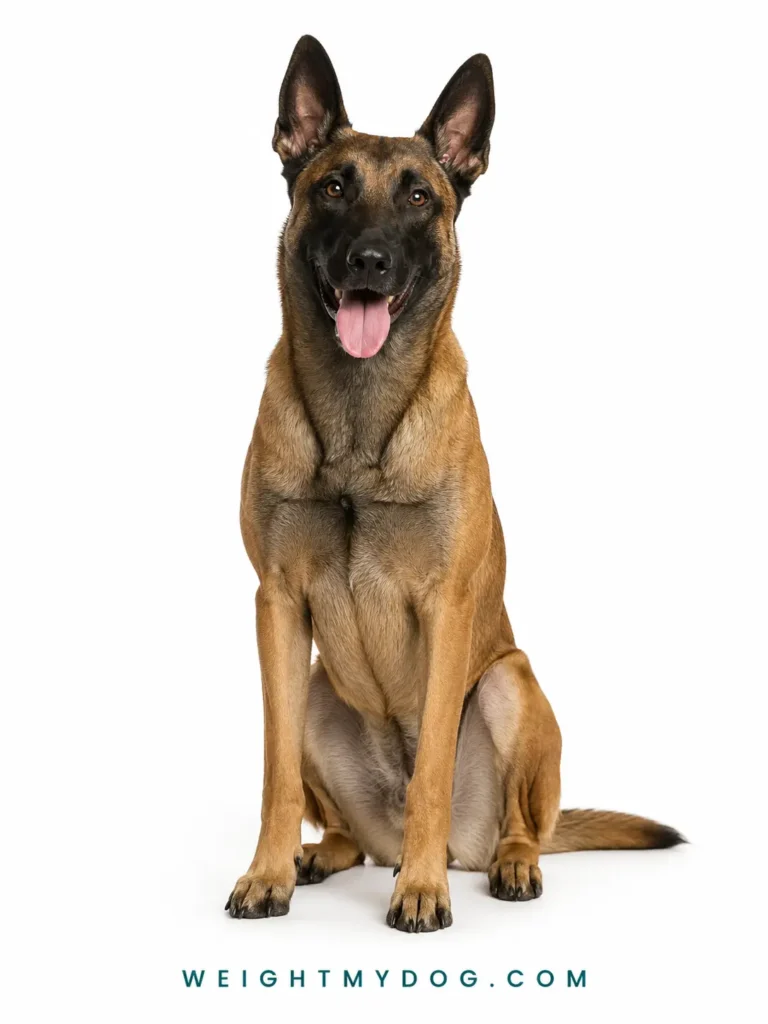
The Belgian Malinois is a breed that defies simple categorization. Most owners underestimate how precisely weight and height must be tracked during development to ensure a healthy dog reaches full adult size without complications.
Understanding growth rate early helps owners make informed decisions about nutrition, exercise, and veterinary care. The Belgian Malinois thrives when its activity level aligns with its age and developmental milestones throughout each life stage.
Many people confuse Belgian Malinois physical benchmarks with those of the German Shepherd, but these breeds differ substantially in lean weight, muscular build, and intelligence when assessed properly by experienced breeders.
What makes tracking Belgian Malinois growth so critical is that improper diet during early months can compromise bone growth, muscle mass, and joint health, leading to orthopedic issues that affect the dog’s life span significantly.
This calculator-driven approach combines body condition scoring with growth chart data, helping owners determine whether their Belgian Malinois is underweight, overweight, or maintaining a lean muscle mass appropriate for their size class.
From birth through two years, every stage demands specific nutritional and physical attention. This guide gives you a comprehensive, data-backed understanding of your Belgian Malinois adult weight trajectory and development patterns.
Belgian Malinois Weight Calculator
| Age | ♂ Male (Expected) | ♀ Female (Expected) | Your Dog |
|---|
How to use the Belgian Malinois weight calculator
Get your Belgian Malinois's ideal weight in under 10 seconds. No account needed.
Enter your dog’s details
Enter your Belgian Malinois's current age, weight, and gender. Works in both lbs and kg — supports weeks, months, and years.
Get your instant weight results
See your Belgian Malinois's predicted adult weight range, current ideal weight, visual growth chart, and health status — instantly calculated.
Check your dog’s health status
Find out if your Belgian Malinois is underweight, ideal, or overweight based on breeder and parent-breed data — and get a personalised feeding guide.
Male Belgian Malinois Growth, Weight & Height Chart by Age
| Age | Male Weight | Male Height |
|---|---|---|
| 4 Weeks | 2 – 4 lbs (0.9 – 1.8 kg) | 4 – 6 in (10 – 15 cm) |
| 2 Months | 8 – 12 lbs (3.6 – 5.4 kg) | 7 – 9 in (18 – 23 cm) |
| 3 Months | 23 – 27 lbs (10.4 – 12.2 kg) | 10 – 13 in (25 – 33 cm) |
| 4 Months | 30 – 38 lbs (13.6 – 17.2 kg) | 13 – 16 in (33 – 41 cm) |
| 5 Months | 36 – 45 lbs (16.3 – 20.4 kg) | 16 – 19 in (41 – 48 cm) |
| 6 Months | 43 – 52 lbs (19.5 – 23.6 kg) | 18 – 21 in (46 – 53 cm) |
| 7 Months | 48 – 57 lbs (21.8 – 25.9 kg) | 20 – 23 in (51 – 58 cm) |
| 8 Months | 52 – 62 lbs (23.6 – 28.1 kg) | 21 – 24 in (53 – 61 cm) |
| 9 Months | 55 – 65 lbs (24.9 – 29.5 kg) | 22 – 25 in (56 – 64 cm) |
| 10 Months | 57 – 67 lbs (25.9 – 30.4 kg) | 23 – 25 in (58 – 64 cm) |
| 11 Months | 58 – 69 lbs (26.3 – 31.3 kg) | 23 – 26 in (58 – 66 cm) |
| 12 Months | 59 – 70 lbs (26.8 – 31.8 kg) | 24 – 26 in (61 – 66 cm) |
| 14 Months | 59 – 72 lbs (26.8 – 32.7 kg) | 24 – 26 in (61 – 66 cm) |
| 16 Months | 60 – 74 lbs (27.2 – 33.6 kg) | 24 – 26 in (61 – 66 cm) |
| 18 Months | 60 – 76 lbs (27.2 – 34.5 kg) | 24 – 26 in (61 – 66 cm) |
| 20 Months | 60 – 78 lbs (27.2 – 35.4 kg) | 24 – 26 in (61 – 66 cm) |
| 24 Months (Adult) | 60 – 80 lbs (27.2 – 36.3 kg) | 24 – 26 in (61 – 66 cm) |
Female Belgian Malinois Growth, Weight & Height Chart by Age
| Age | Female Weight | Female Height |
|---|---|---|
| 4 Weeks | 1.5 – 3 lbs (0.7 – 1.4 kg) | 3 – 5 in (8 – 13 cm) |
| 2 Months | 6 – 10 lbs (2.7 – 4.5 kg) | 6 – 8 in (15 – 20 cm) |
| 3 Months | 17 – 25 lbs (7.7 – 11.3 kg) | 9 – 12 in (23 – 30 cm) |
| 4 Months | 22 – 31 lbs (10.0 – 14.1 kg) | 12 – 15 in (30 – 38 cm) |
| 5 Months | 27 – 38 lbs (12.2 – 17.2 kg) | 14 – 17 in (36 – 43 cm) |
| 6 Months | 32 – 46 lbs (14.5 – 20.9 kg) | 16 – 19 in (41 – 48 cm) |
| 7 Months | 35 – 50 lbs (15.9 – 22.7 kg) | 18 – 21 in (46 – 53 cm) |
| 8 Months | 37 – 54 lbs (16.8 – 24.5 kg) | 19 – 22 in (48 – 56 cm) |
| 9 Months | 39 – 57 lbs (17.7 – 25.9 kg) | 20 – 23 in (51 – 58 cm) |
| 10 Months | 40 – 59 lbs (18.1 – 26.8 kg) | 21 – 24 in (53 – 61 cm) |
| 11 Months | 41 – 61 lbs (18.6 – 27.7 kg) | 22 – 24 in (56 – 61 cm) |
| 12 Months | 42 – 63 lbs (19.1 – 28.6 kg) | 22 – 24 in (56 – 61 cm) |
| 14 Months | 42 – 65 lbs (19.1 – 29.5 kg) | 22 – 24 in (56 – 61 cm) |
| 16 Months | 40 – 67 lbs (18.1 – 30.4 kg) | 22 – 24 in (56 – 61 cm) |
| 18 Months | 40 – 58 lbs (18.1 – 26.3 kg) | 22 – 24 in (56 – 61 cm) |
| 20 Months | 40 – 59 lbs (18.1 – 26.8 kg) | 22 – 24 in (56 – 61 cm) |
| 24 Months (Adult) | 40 – 60 lbs (18.1 – 27.2 kg) | 22 – 24 in (56 – 61 cm) |
Puppy Growth Chart And AKC Breed Weight Standard
| Breed Size | 8 Weeks | 3 Months | 4 Months | 6 Months | 1 Year |
|---|---|---|---|---|---|
| Toy | 0.9 – 1.8 kg | 1.4 – 2 kg | 2 – 2.5 kg | 2.5 – 3 kg | 3 – 5.5 kg |
| Small | 1.5 – 3 kg | 3 – 5 kg | 4 – 7 kg | 6 – 9 kg | 6 – 11 kg |
| Medium | 3 – 5 kg | 5 – 8 kg | 8 – 13 kg | 10 – 18 kg | 11 – 23 kg |
| Large | 5 – 9 kg | 9 – 12 kg | 12 – 20 kg | 18 – 30 kg | 23 – 45 kg |
| Giant | 7 – 12 kg | 12 – 18 kg | 18 – 28 kg | 28 – 40 kg | 45 – 70 kg |
Belgian Malinois Breed Overview
The Belgian Malinois originated from Belgium in the late 1800s, developed by shepherds and farmers who needed working dogs capable of herding, guarding, and protection simultaneously with remarkable alertness and loyalty.
Classified under the herding group by the American Kennel Club, the Belgian Malinois is a medium-sized breed known for its athletic build, high energy levels, and exceptional trainability that surpasses most large breed dogs in performance settings.
The breed’s muscular build and lean profile make it a favorite for police work, military service, and search-and-rescue operations. The U.S. Department of Defense has relied on these working dogs for decades due to their speed, stamina, and bravery.
Belgian Malinois dogs form strong bonds with humans and are intensely loyal to their family. Despite being territorial and occasionally aggressive toward other dogs, they remain affectionate and friendly when properly socialized from a young age.
The breed features pointed ears, almond-shaped eyes, a short double coat ranging from fawn to mahogany with black markings, and triangular head shapes that give the Belgian Malinois its signature fierce and focused expression.
Coat colors include fawn sable, red sable, and darker coat variations. The short waterproof coat requires twice weekly brushing and benefits from monthly showers and blowout sessions during twice-yearly molting periods.
When Does a Belgian Malinois Stop Growing?
Most Belgian Malinois reach full height by 12 months, but true full adult size in terms of muscle growth and weight continues developing through 18-24 months. Males typically take longer to fill out than females of the same age.
By 18 months, approximately 90 percent of skeletal development is complete. However, muscle density and lean weight continue increasing until closer to two years, particularly in adult males engaged in agility training or structured activity.
Growth hormones slow significantly after the first birthday, signaling the transition from adolescence to adulthood. At this stage, switching from puppy food to adult dog food becomes essential to prevent unnecessary weight gain.
The growth rate in Belgian Malinois follows a rapid growth phase between four months and nine months, where bone growth accelerates noticeably. Orthopedic issues can emerge if high-impact activities are introduced before developing joints are ready.
Individual variation plays a major role. A Belgian Malinois from larger breeds of parents may not reach maximum size until 24 months, while smaller individuals from lighter genetics can reach adulthood near the one year mark.
Consulting a vet regularly during this phase ensures your Belgian Malinois reaches full potential without joint strain, elbow dysplasia, or hip dysplasia slowing the healthy growth trajectory expected from this athletic breed.
How Big Will My Belgian Malinois Be When Fully Grown?
A fully grown male Belgian Malinois typically stands 24 inches to 26 inches at the shoulder and weighs between 60 pounds and 80 pounds, depending on genetics, diet, and activity level maintained throughout development.
Adult female Belgian Malinois tend to be lighter and smaller, usually standing 22 inches to 24 inches tall and weighing between 40 pounds and 65 pounds when maintained on a high-quality diet with adequate daily exercise.
The AKC standard places males between 24 inches and 26 inches and females between 22 inches and 24 inches. Weight ranges for males fall between 60 and 80 lbs, making this a medium-to-large-sized dog depending on build.
Parents size is the strongest estimate for your dog’s adult weight. If both parents were tall and heavier, expect offspring closer to 80 pounds. If parents were leaner, your Belgian Malinois may fall near 50 pounds or even 40 pounds.
Growth chart data compiled by veterinary researchers at Ohio State University confirms that Belgian Malinois dogs hit almost-full height by 12 months, while weight and muscle mass continue to fill out toward the two years milestone.
Using a feeding chart alongside growth monitoring tools gives owners a practical estimate of adult size. Factor in gender, nutrition, lifestyle, and exercise patterns to refine your prediction for Belgian Malinois full adult size.
Factors Affecting the Size of Belgian Malinois
Genetics remains the most powerful determinant of Belgian Malinois size. Offspring from large breed parents consistently trend toward the upper range of the weight range, while fine-boned lineages produce a leaner build overall.
Nutrition during the puppy stage directly impacts bone growth and muscle growth. A nutrient-dense diet rich in high protein and moderate healthy fats supports proper development, while incorrect feeding leads to obesity or underweight conditions.
Activity level shapes the Belgian Malinois body significantly. Highly active dogs develop lean muscle mass and a toned physique, while sedentary individuals show weight gain, no waist definition, and reduced stamina over time.
Health conditions including hypothyroidism and hormonal changes following spay or neuter procedures can alter growth rates. Thyroid issues specifically affect intense metabolism and may cause unexpected weight fluctuations in otherwise healthy dogs.
Breed standard documentation from the American Kennel Club outlines expected height range and length range for the Belgian Malinois, but individual variation means some dogs fall outside these ranges without indicating any underlying health issues.
Medical conditions, genetic conditions, vaccinations timing, and lifestyle choices all contribute to how a Belgian Malinois grows. Growth monitoring through regular vet check-ups and body condition assessment tools helps ensure healthy development across all stages.
Ideal Diet for Maintaining a Healthy Weight
The Belgian Malinois requires a high-quality diet centered on high-quality animal protein from lean meats to support muscle growth, stamina, and high energy levels. Proteins should constitute approximately 30 percent of daily calories for adult dogs.
Low carbohydrates and moderate healthy fats help maintain the Belgian Malinois lean weight without encouraging weight gain. Fats should account for no more than 20 percent of the nutrient-dense diet, supporting skin, coat, and joint health.
Raw fruits like apples and carrots and vegetables such as celery make excellent healthy treats. Avoid toxic foods including grapes, onions, and chocolate, which cause serious harm to the Belgian Malinois regardless of portions given.
Puppy food formulated for large breed dogs controls calcium and phosphorus ratios essential for proper bone growth. Switching to adult food after 12 months prevents obesity and supports lean muscle mass through appropriate nutritional requirements.
Commercial food quality varies significantly. Always read the label to verify high protein content and absence of fillers. Kibble supplemented with low-fat dairy or glucosamine and chondroitin supports joint health in highly active Belgian Malinois dogs.
Avoid ad-lib feeding or free feeding approaches, as Belgian Malinois dogs prone to bloat or gastric torsion benefit from structured meals — breakfast, lunch, and dinner split into measured portions based on weight and activity level.
How to Measure Your Belgian Malinois
To measure height accurately, stand your Belgian Malinois on a flat surface with front legs shoulder-width apart and the dog standing straight in a neutral position. Ensure the ground is level before taking any measurement.
Place a measuring stick or pencil horizontally across the shoulder blades at the highest point — this is the withers. Mark the wall at this location, then measure from the floor to the mark using centimeters or millimeters for accuracy.
For weight, use a bathroom scale. Weigh yourself first, then hold your Belgian Malinois and subtract the difference. For large dogs approaching 80 pounds, veterinary scales offer more precise readings during regular veterinary visits.
To evaluate body condition, look viewed from above for a visible waist and prominent waist narrowing behind the ribs. From the side, look for a tucked abdomen and lean profile. A rounded belly or belly sags indicates overweight status.
Feel ribs by pressing gently along the neck to the base of neck and shoulders. In a healthy weight Belgian Malinois, ribs felt easily under a thin layer of fat confirms appropriate body condition. Ribs visible suggests underweight concerns.
Check tail position, ears, eyes, and paws during measurement sessions. Combine height, weight, and body condition scoring chart data for a complete picture. Always consult vet if readings deviate significantly from expected Belgian Malinois breed standard ranges.
Is My Belgian Malinois a Healthy Weight?
Use a body condition scoring chart to assess whether your Belgian Malinois falls within a healthy weight range. Dogs scoring in the ideal range show a visible waist viewed from above, with ribs felt easily but not see ribs prominently.
An overweight Belgian Malinois displays ribs hard to feel, no waist definition, a rounded belly, and belly sags when walking. These signs indicate excess fat accumulation and require immediate dietary changes and increased daily exercise under vet supervision.
An underweight Belgian Malinois shows spine visible, ribs visible without pressing, and waist not visible due to muscle loss. This condition may signal underlying health issues, parasites, or incorrect nutrition and requires prompt veterinary evaluation.
A healthy weight Belgian Malinois demonstrates a tucked abdomen, prominent waist, lean muscle mass with muscles clearly defined, and a toned physique. Feel ribs with light touch — they should be comfortable to locate but not prominent.
Percentage body fat assessment, combined with body condition assessment scoring, gives the most accurate picture. Vets may use ophthalmologist evaluations alongside physical checks to rule out conditions like cataracts or PRA that affect overall health indirectly.
Monitor your Belgian Malinois weight monthly at minimum, increasing frequency to twice weekly checks during rapid growth phases. Use growth chart benchmarks alongside feeding chart recommendations to maintain ideal healthy weight gain throughout adulthood.
Breed History
The Belgian Malinois traces its origins to the city of Malines in Belgium, where it was formally developed in the late 1800s as a versatile shepherd dog serving farmers and shepherds across the Belgian countryside with exceptional loyalty.
Named after the city of Malines, the Belgian Malinois was one of four Belgian shepherd dog varieties distinguished primarily by coat colors and head shapes. The breed earned recognition for its intelligence, agility, and capacity for demanding working purposes.
By 1959, the Belgian Malinois had established itself firmly in United States police and military applications. The breed’s reputation for fierceness, alertness, and bravery made it irreplaceable in search and rescue and personal protection contexts globally.
The American Kennel Club officially recognized the Belgian Malinois as a distinct breed within the herding group, separate from other Belgian varieties. This recognition helped breeders in the United States maintain breed standard consistency through screened genetic conditions programs.
Working dogs from the Belgian Malinois lineage served alongside military and police units in conflicts worldwide. The U.S. Department of Defense formalized training through the Puppy Program, ensuring young Belgian Malinois puppies transitioned effectively into police work and military service roles.
Today, the Belgian Malinois remains among the most popular working dogs globally, increasingly adopted as family pets and companion animal options for experienced dog owners capable of meeting this breed’s high energy demands and mental stimulation requirements.
Breed Appearance
The Belgian Malinois presents a square frame with square hips, erect pointed ears, almond-shaped eyes in brown hues, and a triangular facial structure that projects alertness and intelligence in every stance and movement.
Coat colors range from fawn to mahogany, with fawn sable and red sable variations common. The short double coat features a dense coat underlayer and a short waterproof coat outer shell offering protection during outdoors working purposes in varied climates.
Males stand 24 inches to 26 inches tall with a muscular build, while females measure 22 inches to 24 inches, presenting a leaner build and lighter frame. Both genders display the characteristic lean profile and lean muscle mass of this athletic breed.
The Belgian Malinois has a denser coat around the neck forming a natural collar, with shorter fur on the head and ears. The tail hangs in a neutral position at rest but rises during agility work or exercise to signal high energy.
Darker coat pigmentation appears at the ears, face mask, and tail tip. The overall impression from viewed from above is a toned, agile body with a prominent waist, tucked abdomen, and lean weight that distinguishes this breed from the broader German Shepherd.
The Belgian Malinois body, when measured at the shoulder blades using a measuring stick from the ground to highest point, reveals height consistency with AKC standard expectations — 24 inches for females and up to 26 inches for males.
Belgian Malinois Growth Stages
Puppy Stage
At birth, Belgian Malinois puppies weigh approximately 4 lbs to 6.6 pounds with eyes closed and ears closed. They depend entirely on their mother for warmth, milk, and nutrition during the first two weeks of development.
By four weeks, eyes open and ears open, allowing puppies to begin exploring their environment. At 6 lbs to 9 lbs, they start receiving solid food alongside milk, and socialization begins as they discover humans and other dogs in their safe environment.
At 8 weeks, Belgian Malinois puppies typically weigh 9 lbs to 13 lbs and are ready for new homes. Baby teeth begin emerging, bite inhibition begins, and early leash training and basic obedience training can commence in short training sessions.
Between three months and five months, weight climbs from 13 lbs to 22 lbs as rapid growth accelerates. Bone growth is intense during this phase, making high-impact activities inappropriate. Focus on play, socialization, and mental stimulation rather than aerobic exercise.
At six months, most Belgian Malinois puppies weigh 22 lbs to 35 lbs, standing around 18 inches to 20 inches. Puppy food remains essential at this stage, with portions adjusted to support rapid growth without encouraging excessive weight gain or obesity.
The puppy stage closes around six months to eight months as baby teeth give way to permanent teeth and teething intensifies. Provide chew toys and interactive toys to redirect chew behavior and support dental development through appropriate healthy treats and dog puzzles.
Adolescent Stage
The adolescent phase spans roughly six months to 18 months in the Belgian Malinois, marked by hormonal changes, increased fierceness, disobedient tendencies, and unwanted behavior that challenges even experienced dog owners managing this high energy breed.
During adolescence, Belgian Malinois dogs experience second year muscle filling, where lean weight increases noticeably. Weight climbs from 35 lbs to 60 pounds for males, while females typically reach 40 lbs to 55 pounds by 18 months.
Agility training, obedience training, and structured activity become critical during this stage. Mental stimulation through puzzle toys, dog puzzles, scent work, and agility courses prevents harmful behaviors and channels the Belgian Malinois high energy levels constructively.
Socializing with other dogs, family, and humans during adolescence shapes temperament and prevents excessive territorial or aggressive tendencies. Enrolling in obedience training with a professional trainer during this phase produces the most well-behaved adult outcomes.
By 14 months, most Belgian Malinois reach almost-full height and show 60 percent to 80 percent of adult weight. Nutrition must shift toward adult dog food with low carbohydrates and high protein to support muscle growth without driving obesity.
Growth rate slows considerably between 14 months and 18 months, with weight gain becoming more gradual. Monitor body condition carefully during this transition, ensuring diet and activity level align with the Belgian Malinois transition from adolescence toward full adult size.
Exercise and Activity Levels for Adult Belgian Malinois
Adult Belgian Malinois dogs require a minimum of one hour of aerobic exercise daily, split across structured activity sessions including running, fetch, hiking, and agility courses to satisfy their high energy demands and intense metabolism.
Mental stimulation through dog puzzles, puzzle toys, interactive toys, and scent work complements physical stimulation for Belgian Malinois adults. A highly active breed lacking mind stimulation becomes aggressive, stubborn, or independent — developing harmful behaviors that challenge family dynamics.
Daily exercise should include long runs, agility drills, and walks at minimum. Structured sessions like agility training, obedience training, and herding simulations satisfy the Belgian Malinois working instinct while maintaining lean muscle mass and healthy weight effectively.
Short walks alone are insufficient for adult Belgian Malinois energy management. Aim for 60 percent vigorous aerobic exercise and 40 percent mental stimulation activities. Running, jumping, and fetch sessions lasting 30 minutes each maintain optimal physical exercises balance.
Exercise intensity must be moderated for dogs with hip dysplasia, elbow dysplasia, or joint strain diagnoses. Glucosamine and chondroitin supplements support joint health in highly active dogs, reducing swelling and bleeding risks associated with intense agility courses over time.
Activity level directly correlates with Belgian Malinois weight maintenance. Dogs engaged in police work, military service, or search-and-rescue naturally maintain lean weight, while companion animal Belgian Malinois require structured activity programs to prevent obesity and joint issues developing.
When Should My Belgian Malinois Be Spayed or Neutered?
The decision to spay or neuter your Belgian Malinois involves careful consideration of age, size, genetics, and growth hormones. Premature procedures before sexual maturity can disrupt bone growth and increase risks of orthopedic issues and joint strain significantly.
Most vets recommend waiting until 18 months to 24 months before performing spay or neuter procedures on Belgian Malinois dogs. This timeline allows growth hormones to complete their role in muscle growth, bone growth, and lean muscle mass development.
Neutering too early — before 12 months — has been linked to increased risks of hip dysplasia, elbow dysplasia, and joint issues in large breed dogs. Waiting for sexual maturity ensures the Belgian Malinois skeleton develops fully before hormonal changes alter metabolism.
Spay procedures in females should occur after the first birthday at earliest, with many experienced dog owners and breeders preferring to wait until 18 months. This approach reduces thyroid issues and weight gain risks commonly observed after early spay in females.
Post-neuter Belgian Malinois dogs may experience slowed intense metabolism, increasing obesity risk if diet and exercise are not adjusted accordingly. Transition to a lower-calorie adult dog food and increase activity level monitoring after the neutering procedure to maintain healthy weight.
Consult vet and review genetic conditions screening results before scheduling spay or neuter procedures. Screened breeders often provide timelines and nutrition guidance specific to your Belgian Malinois development history, helping ensure the safest outcomes for long-term overall health.
When Should My Belgian Malinois Be House Broken?
Potty training for Belgian Malinois puppies should begin the moment they arrive in new homes at eight weeks. Their bladder control is limited at this age, requiring frequent trips to a designated potty area every two hours or after meals.
By 3 months, most Belgian Malinois puppies show meaningful bladder control improvement. Verbal commands like “go potty” paired with praise help establish correct bathroom habits. Accidents are normal at this age and should be addressed calmly without punishing unwanted behavior.
Consistency is critical for potty training success with this intelligent breed. Belgian Malinois are quick learners but require positive reinforcement through treats and verbal cues rather than punishment. Establish a designated potty area in the yard for outdoor business outside.
Most Belgian Malinois are reliably house broken by 4 months with consistent training sessions. Their intelligence and trainability make them faster learners than many large breed dogs, but patience remains essential during the inevitable accidents phase of early development.
Leash training complements potty training effectively, teaching the Belgian Malinois to walk calmly to the designated potty area without jumping or pulling. Short leash training sessions combined with praise and healthy treats build well-behaved outdoor bathroom habits efficiently.
By six months, a properly house broken Belgian Malinois reliably signals the need to go potty through behavior cues. Continue reinforcing habits with verbal commands and treats to prevent regression, particularly during the adolescent phase when disobedient tendencies may re-emerge.
When Should My Belgian Malinois Stop Eating Puppy Food?
Puppy food formulated for large breed dogs should sustain your Belgian Malinois through the first 12 months of development. This specialized nutrition controls calcium density, preventing rapid growth that could compromise proper bone growth and increase orthopedic issues risk.
Switching from puppy food to adult food at 12 months aligns with the Belgian Malinois transition toward adulthood. Introducing adult dog food gradually over 10 days prevents digestive behaviors and allows the Belgian Malinois digestive system to adapt without disrupting nutritional needs.
Commercial food labeled for large breed adult dogs typically contains appropriate proteins, fats, and low carbohydrates for Belgian Malinois nutritional requirements. Check the label carefully, prioritizing high-quality animal protein as the first listed ingredient over carbohydrates or fillers.
Breeders and vets may recommend continuing puppy food until 14 months for Belgian Malinois dogs still showing active growth rate indicators. Individual variation means some dogs need extended puppy food periods, particularly males that develop muscle mass more gradually than females.
Avoid ad-lib feeding or free feeding during the transition. Structured meals measured by feeding chart recommendations prevent obesity and maintain healthy weight gain as daily calories are recalibrated for an adult dog food dietary pattern appropriate to activity level.
After switching to adult food, monitor weight monthly and adjust portions as needed. Belgian Malinois dogs with high energy levels engaged in agility training or working purposes may need nutrient-dense diet adjustments beyond standard adult dog food daily calories to sustain performance.
When Will My Belgian Malinois Start Losing Teeth?
Belgian Malinois puppies begin losing baby teeth around three months to four months of age. The teething process replaces baby teeth with permanent teeth and typically completes by six months, though individual development timelines vary by genetics and size.
Teeth loss follows a predictable pattern — incisors first, then canine teeth, and finally molars. During teething, Belgian Malinois puppies intensify chew behavior. Providing chew toys and rubber curry comb-textured toys helps soothe gum discomfort while protecting household items.
Baby teeth sometimes remain after permanent teeth emerge, a condition called retained deciduous teeth. If baby teeth haven’t fallen by five months, vet evaluation becomes necessary. Retained teeth can cause incorrect bite alignment and dental complications later in adulthood.
By six months, most Belgian Malinois have a complete set of permanent teeth — 42 teeth total. Clean teeth maintenance through chew toys, dental treats, and annual vet health checkups prevents plaque buildup, redness, and early dental disease in this athletic breed.
Teething coincides with increased chew drive, making bite inhibition training especially important at three months through five months. Redirect chew behavior consistently toward appropriate chew toys rather than humans, furniture, or toys inappropriate for Belgian Malinois jaw strength.
Monitor teeth development through monthly visual checks. Note any swelling, bleeding, redness, or misalignment and report these to your vet. Combined with nail trims and weekly ear examinations, teeth checks form an essential part of comprehensive Belgian Malinois grooming routines.
When Should I Start Training My Belgian Malinois?
Training a Belgian Malinois should begin the first day the puppy arrives home — typically at eight weeks. This breed’s intelligence and quick learners disposition mean early training sessions establish focus, attention, and correct behaviors before unwanted behavior patterns solidify.
Basic obedience training starting at eight weeks includes foundational verbal commands, leash training, and socialization with humans and family members. Short training sessions of 10 minutes maintain attention effectively, as Belgian Malinois puppies have limited focus spans at this age.
Positive reinforcement using treats, praise, and play produces the fastest training results with Belgian Malinois dogs. Avoid harsh corrections — this breed’s intelligence means it responds to yes and no training approaches that clarify correct versus incorrect behavior efficiently.
A professional trainer experienced with working dogs can accelerate Belgian Malinois training significantly. Enrolling in obedience training classes by three months introduces socialization, verbal cues, and structured activity that builds the foundation for complex commands taught later in development.
Bite inhibition, leash training, potty training, and basic verbal commands like sit, stay, and heel position form the first training priorities. Each skill builds focus and attention, establishing the communication framework necessary for advanced training sessions in adolescence.
Belgian Malinois trainability is exceptional but requires consistent daily training sessions. Missing sessions during early weeks creates gaps that manifest as stubborn or disobedient behavior later. Commit to short but frequent structured activity blocks starting at eight weeks for best results.
What Commands Should I Teach My Belgian Malinois First?
The first commands a Belgian Malinois should learn are sit, stay, and come. These three verbal commands form the core of basic obedience training and establish the attention and focus needed for all subsequent complex commands throughout development.
After mastering sit and stay, introduce heel position training to correct leash training pulling. A Belgian Malinois walking calmly in the heel position demonstrates the focus and loyalty that make this breed exceptional for police work and military service environments.
Roll over, fetch, and bring expand the Belgian Malinois command vocabulary while simultaneously providing physical stimulation and mental stimulation. These play-based commands reinforce the training relationship using treats, biscuit rewards, and praise as consistent motivators.
Verbal cues for business outside and go potty integrate potty training into the broader commands framework. Teaching Belgian Malinois puppies to respond to these verbal commands by six months reduces accidents and reinforces the well-behaved behaviors expected in living space environments.
Complex commands including scent work cues, agility courses directions, and protection signals should be introduced only after basic obedience training is solid — typically after 12 months. Rushing complex commands before focus is established produces disobedient and stubborn responses even in intelligent dogs.
Yes and no training clarity — using distinct verbal cues for correct and incorrect behavior — accelerates Belgian Malinois command retention dramatically. This breed’s intelligence allows it to distinguish nuanced verbal commands, making clear communication the most powerful tool in any training sessions strategy.
When Will My Belgian Malinois Calm Down?
The Belgian Malinois begins to calm down meaningfully around 18 months to 24 months, as hormonal changes stabilize and the transition from adolescence to adulthood completes. However, this breed never fully loses its high energy levels — management remains a lifestyle commitment.
High energy behavior peaks during the adolescent phase between 8 months and 18 months. Disobedient and independent tendencies during this period are driven by growth hormones and hormonal changes rather than incorrect training, though consistent structured activity minimizes their impact significantly.
Owners expecting a calm Belgian Malinois by one year are working against breed biology. This is not a calm companion animal — it’s a working dogs breed that requires daily exercise, mental stimulation, and structured activity to function as a happy, well-adjusted family member.
By two years, Belgian Malinois dogs show noticeably more calm behavior indoors when provided adequate exercise. The myth that they settle without intervention persists among new owners; reality shows high energy levels persist throughout the 14 years to 16 years life span of this breed.
Agility training, scent work, fetch, and hiking are the most effective strategies for channeling high energy productively. A Belgian Malinois that receives one hour minimum daily exercise and mental stimulation through puzzle toys demonstrates significantly calmer behavior in living space environments.
Calm down expectations should be adjusted for Belgian Malinois owners. Instead of waiting for the breed to calm down, focus on building structured activity routines that satisfy intense metabolism demands. A tired Belgian Malinois is a happy, well-behaved, and genuinely calm companion indoors.
Common Health Issues Your Belgian Malinois Might Experience
Hip dysplasia ranks among the most prevalent health issues affecting Belgian Malinois dogs. This genetic conditions concern causes joint strain, swelling, and progressive mobility loss. Hip evaluation through OFA screening and regular vet check-ups helps identify this condition early in development.
Elbow dysplasia is another significant orthopedic issues concern for the Belgian Malinois. Elbow evaluation by vets during routine veterinary visits at 12 months and 24 months detects abnormalities early. Glucosamine and chondroitin supplements manage symptoms and protect developing joints from progressive joint issues.
Progressive retinal atrophy (PRA) and cataracts represent primary eye problems and eye disorders affecting Belgian Malinois dogs. Ophthalmologist evaluations should be scheduled annually to detect progressive retinal atrophy and other eye problems before they significantly impair the dog’s vision and alertness.
Epilepsy affects some Belgian Malinois lines, causing seizure episodes that require veterinary management and potentially long-term treatments. Genetic conditions screening by breeders reduces epilepsy risk, but owners should monitor for epilepsy signs and maintain annual health checkups with their vet.
Gastric torsion — also called bloat — presents a life-threatening risk for Belgian Malinois dogs. Avoiding food immediately before or after exercise, using elevated meals strategies, and splitting daily calories across three meals significantly reduces bloat and gastric torsion risk in this athletic breed.
Hypothyroidism, thyroid issues, and skin conditions round out the common health issues spectrum. Regular vet check-ups, vaccinations schedules, and screened genetics from responsible breeders provide the strongest defense against these medical conditions, supporting a healthy Belgian Malinois through its full life expectancy.
How Do I Make Sure My Belgian Malinois is Healthy?
Maintaining Belgian Malinois overall health begins with regular vet check-ups — at minimum annual visits for adult dogs and quarterly checks during the puppy stage. These visits include vaccinations, weight assessment, body condition assessment, and genetic conditions screening by qualified veterinary professionals.
Nutrition quality directly determines long-term Belgian Malinois health. Feed a nutrient-dense diet rich in high-quality animal protein, moderate healthy fats, and low carbohydrates. Avoid toxic foods, control portions, and follow a feeding chart updated at each vet visit as needs change.
Daily exercise and mental stimulation prevent obesity, joint issues, and behavioral problems in Belgian Malinois adults. Combine aerobic exercise with agility courses, scent work, and puzzle toys to satisfy both physical and cognitive needs of this highly active and intelligent breed.
Grooming contributes meaningfully to Belgian Malinois health. Weekly ear examinations prevent infections, nail trims prevent joint strain, teeth cleaning prevents dental disease, and twice weekly brushing with a slicker brush or rubber grooming mitt maintains coat and skin condition.
Socialization with humans, other dogs, and varied living space environments builds a well-adjusted, happy Belgian Malinois. Dogs lacking human interaction develop aggressive, territorial, and anxious behaviors that compromise overall health through chronic stress — an often overlooked health issues contributor.
Stimulating environment design — including agility equipment, interactive toys, dog puzzles, and outdoors access — keeps the Belgian Malinois mentally and physically engaged. A well-behaved, happy, and healthy Belgian Malinois is the product of consistent attention, care, and informed development monitoring throughout its life.
Caring for a Belgian Malinois
Health & Wellness
Regular vet check-ups form the backbone of Belgian Malinois health & wellness management. Schedule annual exams, hip evaluation, elbow evaluation, and ophthalmologist evaluations to catch genetic conditions, eye disorders, and joint issues before they become significant health issues for your furry friend.
Vaccinations on schedule, annual health checkups, and growth monitoring through body condition scoring chart tools ensure your Belgian Malinois stays healthy across all life stages. Track weight, height, and body condition at each veterinary visit and compare against breed standard benchmarks.
Proactive health management means addressing underlying health issues before they escalate. Thyroid issues, hypothyroidism, epilepsy, and eye problems are manageable when detected early. Work with breeders who perform screened genetic conditions testing to minimize inherited health conditions in your Belgian Malinois.
Nutrition Requirements
Belgian Malinois nutritional requirements center on high protein, low carbohydrates, and moderate healthy fats. Daily calories should be calibrated to activity level and age, with working dogs requiring nutrient-dense diet adjustments beyond what commercial food formulations typically provide for companion animal lifestyles.
Portions should be divided into structured meals — avoiding ad-lib feeding and free feeding — to reduce gastric torsion and bloat risks. Use a feeding chart alongside vet guidance to adjust daily calories as your Belgian Malinois transitions through puppy stage, adolescence, and adulthood.
Supplements including glucosamine, chondroitin, and joint health formulas become increasingly important for Belgian Malinois dogs engaged in agility courses, police work, or military service. Discuss dietary changes and supplement needs with your vet during annual health checkups for optimal nutrition support.
Grooming
Belgian Malinois grooming is refreshingly low-maintenance compared to other herding breed varieties. The short double coat requires twice weekly brushing with a slicker brush or rubber curry comb during normal shedding periods, increasing to daily intense brushing during twice-yearly molting blowout sessions.
Shedding management during blowout sessions benefits from a rubber grooming mitt for removing loose undercoat efficiently. Monthly showers keep the dense coat and skin clean without stripping natural oils. Avoid frequent bathing, as this disrupts the short waterproof coat’s natural protective properties.
Trimming nails every three weeks to four weeks, conducting weekly ear examinations, and maintaining clean teeth through annual dental vet checks completes the Belgian Malinois grooming routine. Nail trims prevent joint strain from improper feet positioning, a commonly overlooked aspect of overall health.
Training
Belgian Malinois training should begin at eight weeks and continue throughout the dog’s life span. This breed’s intelligence, quick learners capacity, and trainability make it responsive to basic obedience training, complex commands, and specialized working purposes training with consistent attention and focus.
Positive reinforcement using treats, praise, verbal commands, and play outperforms punishment-based approaches dramatically. Yes and no training combined with verbal cues gives the Belgian Malinois clear correct versus incorrect behavior feedback, supporting well-behaved development from puppy stage through adulthood.
Agility training, scent work, obedience training, and protection work channel the Belgian Malinois high energy and intelligence productively. Experienced dog owners who invest in structured activity and professional trainer guidance produce Belgian Malinois dogs that are loyal, happy, well-adjusted, and genuinely exceptional companion animal partners.
Frequently Asked Questions — Belgian Malinois Weight
How big does a Belgian Malinois get?
A fully grown male Belgian Malinois typically reaches 24 inches to 26 inches in height and weighs 60 pounds to 80 pounds. Females are smaller, standing 22 inches to 24 inches and weighing 40 pounds to 65 pounds depending on genetics and diet.
Weight and height vary based on parents size, activity level, and nutrition. Use a growth chart and feeding chart alongside regular vet check-ups to track your Belgian Malinois adult weight trajectory and confirm alignment with AKC standard expectations for this medium-large breed.
When does a Belgian Malinois stop growing?
Belgian Malinois dogs reach full height around 12 months but continue developing muscle mass and lean weight until 18-24 months. Bone growth completes near 18 months, with muscle growth filling out through two years — especially in males with larger genetics influencing their final adult weight.
Growth hormones decline significantly after the first birthday, signaling the approach to full adult size. Individual variation means some Belgian Malinois fill out earlier or later, making growth monitoring and regular vet check-ups essential tools for confirming healthy developmental milestones throughout this period.
How much should a Belgian Malinois puppy weigh at 3 months?
At 3 months, a Belgian Malinois puppy typically weighs 13 lbs to 19 lbs, depending on gender, genetics, and nutrition quality. Males trend heavier, while females remain lighter within the same litter, reflecting individual variation consistent with breed standard growth rate expectations.
A healthy three months Belgian Malinois shows visible waist definition, ribs felt easily under a thin layer of fat, and active development without signs of obesity or underweight distress. Consult vet if weight deviates significantly from growth chart benchmarks at this critical puppy stage.
How can I tell if my Belgian Malinois is overweight?
An overweight Belgian Malinois shows ribs hard to feel, belly sags, no waist definition viewed from above, and waist not visible from the side. Fat deposits around the neck, shoulders, and abdomen are additional signs requiring immediate dietary changes and increased exercise under vet guidance.
Use a body condition scoring chart to score your Belgian Malinois objectively. Feel ribs — in an overweight dog, you’ll find ribs hard to feel beneath fat. Compare against healthy weight benchmarks and consult vet for a tailored nutrition and exercise plan to restore ideal body condition.
How much bigger will my Belgian Malinois get?
If your Belgian Malinois is under 12 months, significant growth remains ahead — particularly muscle mass and weight increases through 18-24 months. Use parents size as the most reliable estimate for maximum size, combined with current growth rate trends observed on a growth chart.
90 percent of height development completes by 12 months, but weight and lean muscle mass continue increasing until two years. Males show more pronounced fill out through 24 months. Regular vet check-ups and growth monitoring confirm whether your Belgian Malinois is tracking toward expected adult weight ranges.
What is the typical adult weight of a Malinois?
The typical adult weight of a Belgian Malinois ranges from 40-80 lbs depending on gender, genetics, and lifestyle. Males typically weigh 60 pounds to 80 pounds, while adult female Malinois usually fall between 40 pounds and 65 pounds at full adult size with proper nutrition.
The AKC standard identifies 40-80 lbs as the accepted weight range for the Belgian Malinois, with males trending toward the upper range and females toward the lower. Activity level, diet, and muscle mass all influence where your specific Malinois falls within this breed standard weight spectrum.
Table of Contents
Toggle