
Free Great Pyrenees Weight Calculator – Puppy Growth Chart
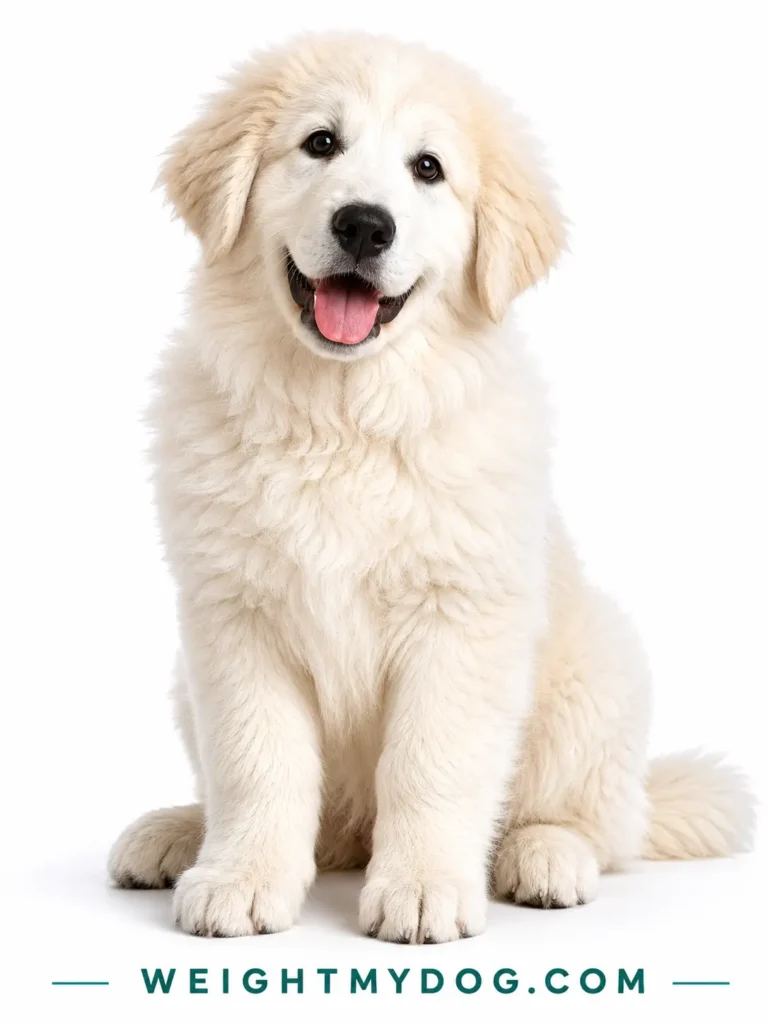
The Great Pyrenees is among the most majestic dogs in the canine world, known for their powerful build and loving temperament. Understanding weight and growth patterns helps every proud owner plan care effectively. These gentle giants deserve informed attention.
Working within the working group, these dogs bring loyal, calm nature to every family. Their genetics and size make them unique among large breed dogs. Knowing their developmental timeline supports better decisions about nutrition and exercise daily.
Many owners underestimate how rapidly a Pyrenees puppy grows during the first year of life. Tracking height and weight against a growth chart reveals whether your dog is on track. Breed-specific growth charts are essential reference tools.
From birth to full maturity, these dogs undergo remarkable physical transformation. Their developing bones, muscles, and joints all follow a gradual growth path. A veterinarian can guide you through each growth stage accurately.
The American Kennel Club classifies the Great Pyrenees as a giant breed, with males reaching 100–160 pounds and females slightly lighter. Their stately size and elegant gait define their majestic appearance across mountainous regions globally.
Using a puppy weight calculator helps predict your dog’s adult size before they reach full grown status. Combining current weight, age, and genetics gives reliable estimates. Always consult your vet alongside any online formula for accuracy.
Great Pyrenees Weight Calculator
| Age | ♂ Male (Expected) | ♀ Female (Expected) | Your Dog |
|---|
How to use the Great Pyrenees weight calculator
Get your Great Pyrenees's ideal weight in under 10 seconds. No account needed.
Enter your dog’s details
Enter your Great Pyrenees's current age, weight, and gender. Works in both lbs and kg — supports weeks, months, and years.
Get your instant weight results
See your Great Pyrenees's predicted adult weight range, current ideal weight, visual growth chart, and health status — instantly calculated.
Check your dog’s health status
Find out if your Great Pyrenees is underweight, ideal, or overweight based on AKC-verified breed standards — and get a personalised feeding guide.
Male Great Pyrenees Weights & Heights by Age
| Age | Male Weight | Male Height |
|---|---|---|
| 4 Weeks (1 Month) | 10 – 15 lbs (4.54 – 6.80 kg) | 8 – 10 in (20.3 – 25.4 cm) |
| 2 Months (8 Weeks) | 25 – 35 lbs (11.34 – 15.88 kg) | 12 – 16 in (30.5 – 40.6 cm) |
| 3 Months | 40 – 50 lbs (18.14 – 22.68 kg) | 16 – 20 in (40.6 – 50.8 cm) |
| 4 Months | 50 – 70 lbs (22.68 – 31.75 kg) | 20 – 24 in (50.8 – 61.0 cm) |
| 5 Months | 65 – 85 lbs (29.48 – 38.56 kg) | 23 – 27 in (58.4 – 68.6 cm) |
| 6 Months | 75 – 100 lbs (34.02 – 45.36 kg) | 25 – 29 in (63.5 – 73.7 cm) |
| 7 Months | 85 – 110 lbs (38.56 – 49.90 kg) | 26 – 30 in (66.0 – 76.2 cm) |
| 8 Months | 95 – 120 lbs (43.09 – 54.43 kg) | 27 – 31 in (68.6 – 78.7 cm) |
| 9 Months | 100 – 130 lbs (45.36 – 58.97 kg) | 28 – 32 in (71.1 – 81.3 cm) |
| 10 Months | 105 – 135 lbs (47.63 – 61.24 kg) | 28 – 33 in (71.1 – 83.8 cm) |
| 11 Months | 110 – 140 lbs (49.90 – 63.50 kg) | 29 – 33 in (73.7 – 83.8 cm) |
| 12 Months | 115 – 145 lbs (52.16 – 65.77 kg) | 30 – 34 in (76.2 – 86.4 cm) |
| 18 Months (Adult) | 118 – 150 lbs (53.52 – 68.04 kg) | 30 – 34 in (76.2 – 86.4 cm) |
| 24 Months (Full Grown) | 120 – 160 lbs (54.43 – 72.57 kg) | 31 – 35 in (78.7 – 88.9 cm) |
Female Great Pyrenees Weights & Heights by Age
| Age | Female Weight | Female Height |
|---|---|---|
| 4 Weeks (1 Month) | 10 – 18 lbs (4.54 – 8.16 kg) | 7 – 10 in (17.8 – 25.4 cm) |
| 2 Months (8 Weeks) | 20 – 35 lbs (9.07 – 15.88 kg) | 10 – 14 in (25.4 – 35.6 cm) |
| 3 Months | 35 – 55 lbs (15.88 – 24.95 kg) | 14 – 18 in (35.6 – 45.7 cm) |
| 4 Months | 45 – 70 lbs (20.41 – 31.75 kg) | 18 – 22 in (45.7 – 55.9 cm) |
| 5 Months | 55 – 85 lbs (24.95 – 38.56 kg) | 20 – 25 in (50.8 – 63.5 cm) |
| 6 Months | 65 – 95 lbs (29.48 – 43.09 kg) | 22 – 27 in (55.9 – 68.6 cm) |
| 7 Months | 75 – 105 lbs (34.02 – 47.63 kg) | 23 – 28 in (58.4 – 71.1 cm) |
| 8 Months | 80 – 115 lbs (36.29 – 52.16 kg) | 24 – 29 in (61.0 – 73.7 cm) |
| 9 Months | 85 – 120 lbs (38.56 – 54.43 kg) | 25 – 30 in (63.5 – 76.2 cm) |
| 10 Months | 90 – 125 lbs (40.82 – 56.70 kg) | 25 – 30 in (63.5 – 76.2 cm) |
| 11 Months | 95 – 130 lbs (43.09 – 58.97 kg) | 26 – 31 in (66.0 – 78.7 cm) |
| 12 Months | 100 – 135 lbs (45.36 – 61.24 kg) | 27 – 32 in (68.6 – 81.3 cm) |
| 18 Months (Adult) | 102 – 138 lbs (46.27 – 62.60 kg) | 27 – 32 in (68.6 – 81.3 cm) |
| 24 Months (Full Grown) | 105 – 140 lbs (47.63 – 63.50 kg) | 28 – 33 in (71.1 – 83.8 cm) |
Dog Growth Chart And Official AKC Breed Weight Standard
| Breed Size | 8 Weeks | 3 Months | 4 Months | 6 Months | 1 Year |
|---|---|---|---|---|---|
| Toy | 0.9 – 1.8 kg | 1.4 – 2 kg | 2 – 2.5 kg | 2.5 – 3 kg | 3 – 5.5 kg |
| Small | 1.5 – 3 kg | 3 – 5 kg | 4 – 7 kg | 6 – 9 kg | 6 – 11 kg |
| Medium | 3 – 5 kg | 5 – 8 kg | 8 – 13 kg | 10 – 18 kg | 11 – 23 kg |
| Large | 5 – 9 kg | 9 – 12 kg | 12 – 20 kg | 18 – 30 kg | 23 – 45 kg |
| Giant | 7 – 12 kg | 12 – 18 kg | 18 – 28 kg | 28 – 40 kg | 45 – 70 kg |
About Great Pyrenees
The Great Pyrenees, also called the Pyrenean Mountain Dog, originated in the Pyrenees mountain range between France and Spain. Fossils dating back 11000 years ago confirm their ancient role protecting livestock from predators like wolves and bears.
These white mountain dogs served peasant shepherds guarding flocks of sheep across snowy, rugged Pyrenean Mountains. Their dense double coat and weatherproof coat allowed survival in extreme heat and cold climate conditions without compromise.
Recognized by the American Kennel Club under the working group, the Pyrenean Mountain Dog carries an old breed heritage dating to 1000 B.C. and 3000 B.C. historical records from Asia Minor confirm early bred working roles.
The AKC describes them as gentle companions with calm demeanor and good-natured personalities. Their protective instincts make them vigilant protectors of children, kids, and family members. They remain steadfast guardians by natural temperament.
Independent thinkers by nature, Pyrs are docile yet powerful. Their beautiful white coats with occasional tan and reddish-brown markings or gray patches reflect a magnificent breed history rooted in guarding dogs tradition across mountainous regions globally.
Despite their imposing size, they maintain a gentle nature and mellow companion character. Originally bred to protect sheep from livestock rustlers, today they thrive as house dogs and family companions. Their survival instincts remain prominent even in modern home settings.
How Big Do Great Pyrenees Get?
Fully grown males of the Great Pyrenees typically stand between 27–32 inches at the shoulder and weigh 100–160 pounds. Fully grown females are slightly smaller, measuring 25–29 inches and weighing 85–115 pounds at full maturity.
The American Kennel Club Official Breed Standards define adult male height at 27–32 inches and adult size weight ranging 100–160 lbs. These measurements place the Great Pyrenees firmly in the giant breed and giant dog size class globally.
Males tend toward 120–160 pounds while females average 85–115 pounds when fully mature. The biggest parent often determines a puppy’s expected size. Genetics from both father and mother influence final height and full weight significantly.
Height is measured from the ground to the highest point of the shoulder blades. Using a flexible measuring tape ensures accurate centimeters or inches readings. Recording body length, chest girth, neck girth, and waist measurements creates a complete size guide profile.
The widest part of the chest and the moderately deep chest measurement help assess body build. A hourglass body shape indicates healthy weight rather than an overweight condition. Visible waist behind the ribs suggests a lean body condition in large breeds.
Giant breed dogs like the Great Pyrenees grow slower than small dogs and active breeds. Their prolonged growth continues until 2–3 years of age. Taller dogs with a muscular build reach adult stature later than large breed dogs of moderate size class.
How Big is a Great Pyrenees at Six Months Old?
At six months, a Great Pyrenees puppy shows dramatic growth. Males typically weigh 50–70 lbs and females reach 45–55 lb by the six-month-old mark. Their height ranges from 20–25 inches at this growth stage.
A 6-month-old Pyr puppy displays oversized paws, a classic puppy feature signaling future large size. Their developing joints and bones are still growing, and rapid growth continues through this phase. Appetite suppression can occasionally occur during growth spurts at this age.
The six months period marks intense bone development and skeletal development. Muscles begin filling out noticeably, and the chest broader appearance becomes visible. Height gains of 8–10 inches from earlier months reflect sudden height gain patterns typical in fast-growing dogs.
Feeding amounts during this phase must match nutritional requirements carefully. Large-breed puppy formula supports bone growth without introducing excessive calcium risks. Offering three meals a day helps prevent bloat and stomach twisting in this giant breed puppy.
Vet check-ups at six months should assess joint health, bone conditions, and developmental milestones. Your veterinarian may check hip bones, spinal column, and elbow dysplasia markers. Catching orthopedic problems early supports long-term health issues prevention.
By the six-month-old stage, Great Pyrenees puppies already stand prominently. Their growth trajectory reveals whether they track toward 85–115 pounds or higher adult size. Using a breed-specific growth chart and puppy weight calculator at this point offers reliable estimates for final height.
When Do Great Pyrenees Stop Growing?
Great Pyrenees dogs generally reach full height around 12–18 months but continue filling out in muscle mass and weight until 2–3 years. Full maturity in giant breeds extends well beyond the one-year birthday milestone seen in small dogs.
Males typically complete bone growth and joint formation by 18 months while muscle development and chest broadening continues to 2 years of age. Females may finalize their mature size slightly earlier, around 12 months for height and 18 months for full weight.
Growth plates in large breed dogs close later than in small dogs. For the Great Pyrenees, growth plates near the shoulder, hip bones, and spinal column remain open until approximately 18–24 months. Strenuous activity before closure risks ligament tears and joint problems.
Uncontrolled growth from overfeeding during the growing phase creates bone problems and orthopedic issues. Rapid growth caused by excess calories strains developing joints and bones. Controlled feeding amounts prevent joint strain throughout the developmental timeline.
After the 12-month mark, most Great Pyrenees show gradual growth in weight rather than height. The body continues filling out with muscle through 24 months. Some males reach adult size completion as late as 3 years, particularly those with larger bloodlines.
Monitoring weight gain monthly using a scale tracks progress accurately. Vet check-ups twice-yearly confirm proper development and bone conditions. A veterinarian will assess joint growth, skeletal development, and overall growth rate against breed-specific growth charts during this prolonged growth phase.
How Much More Will My Great Pyrenees Puppy Grow?
Predicting how much a Pyr puppy will grow depends on current weight, age in weeks, and parents’ adult size. The same-sex parent weight offers the best estimate of your puppy’s final growth weight. Genetics remains the primary determining factor.
A puppy weight calculator uses age, current weight, and breed data to predict adult size. For Great Pyrenees, most formula tools suggest doubling the weight at 4 months and adding 10–30 pounds for males. Females typically follow lighter averages near 85–115 pounds.
Litter mates and bloodline records from your breeder provide valuable genetic material clues. If both parents are larger, expect heavier offspring near 120–160 pounds. Smaller parents suggest adult size closer to 85–100 lb for females and 100–115 lb for males.
Monthly average weight range data from growth stages helps verify your puppy is on track. Comparing current weight against breed-specific growth charts reveals whether your Great Pyrenees is underweight, at healthy weight, or trending overweight. Early correction prevents long-term health issues.
Vet check-ups at each growth stage allow professional assessment of bone development and muscle progress. A veterinarian examines hip bones, shoulder blades, and developing joints to assess full potential. Joint supplements like glucosamine and chondroitin may be recommended during rapid growth phases.
If your puppy seems larger than growth chart predictions, consult your vet promptly. Overfeeding accelerates weight gain beyond healthy development pace. Controlled portion sizes and large-breed puppy formula keep bone growth and skeletal development within optimal development ranges throughout the first year.
Growth Stages of a Great Pyrenees
Birth to Two Weeks
At 0 month, Great Pyrenees puppies are completely helpless, blind, and deaf at birth. They weigh just 1–2 lbs and depend entirely on mother for warmth and nutrients. Body temperature regulation requires constant mother contact during this fragile phase.
Newborns rely on senses of touch and smell since eyes and ear function remain absent. Litter mates huddle together for body temperature support. The mother delivered healthy litters provides wet puppy formula nutrition critical for initial bone and muscle foundation building.
By two weeks, puppies begin opening eyes slowly and hear sounds faintly. Weight reaches approximately 0.7–1.6 kg or 1.5–3.5 lbs at this point. Gradual growth in muscles and bones begins, establishing the healthy start for impressive future size development.
Two Months to Three Months
At 2 months, Great Pyrenees puppies weigh approximately 10–15 lbs and display playful energy bursts. Their socialization window opens, making exposure to new people, strange people, children, and noises essential for calm demeanor development throughout adulthood.
By 3 months, weight reaches 20–35 lbs for males and 15–25 pounds for females. Fluffy puppy coats become more thick, and oversized paws appear clearly. Short play sessions and daily walks support developing joints without risking bone conditions from strenuous activities.
Housebreaking, crate training, and basic commands like sit, lie down, and down should begin during this phase. Positive reinforcement and training games build mentally stimulated young Pyrs. Short walks prevent hard surfaces damage to developing bones and fragile joint growth structures.
Three Months to Four Months
Between 3 months and 4 months, Great Pyrenees puppies experience rapid growth in both height and weight. Males grow from 25–35 lbs to approximately 30–45 lbs, while females progress from 20–30 lb to 25–40 pounds during this intensive growth stage.
Feeding transitions to three meals a day with large-breed puppy formula supporting bone development carefully. Excessive calcium supplementation risks uncontrolled growth and orthopedic problems. Relying on specially formulated food with proper phosphorus and calcium balance protects developing bones and joints.
Socialization remains critical, introducing birds, livestock, and varied environments builds guarding tendencies naturally. Supervised play and short play sessions on soft surfaces rather than pavement protects joint health. Vet check-ups at four months assess skeletal development and growth trajectory progress.
Four Months to Six Months
From 4 months to six months, the Great Pyrenees enters a rapid growth surge. Males jump from 35–50 lbs toward 50–70 lbs, while females grow from 30–45 lb toward 45–55 lb. Height advances dramatically, approaching 18–22 inches at the shoulder.
Muscle development becomes visibly pronounced, and the thick coat starts showing dense double coat characteristics. The chest broader profile emerges alongside neck thicken changes. Feeding amounts must scale with growth, providing high-quality large-breed puppy formula in two a day or 3 meals schedule.
Obedience training and leash manners become crucial as size increases rapidly. Jumping must be discouraged to protect developing joints and bones. Longer walks on soft surfaces rather than pavement or stairs prevent joint problems during this intense growth phase.
Six Months to Nine Months
Between 6 months and 9 months, Great Pyrenees continue impressive growth. Males progress from 50–70 lbs toward 65–85 lbs, and females move from 45–55 lb toward 55–70 lb. Height approaches the 22–27 inches range as skeletal development progresses steadily.
Growth spurts occur frequently during seven months and eight months, causing increased appetite and temporary weight fluctuation. Feeding guidelines recommend 3 meals daily of high-quality kibble or wet canned food to meet nutritional requirements. Avoiding free feeding prevents overfeeding and dangerous bloat risks.
Protective instincts and guarding tendencies emerge more clearly between six months and nine months. Barking at predators, threat sources, and strange people begins naturally. Regular training and obedience work help channel independent tendencies into calm demeanor behaviors around the family pack.
Nine Months to Twelve Months
By nine months, Great Pyrenees males reach approximately 70–90 lb and females around 60–75 lb. Their height stabilizes near 24–29 inches as bone growth slows significantly. The focus shifts from height increase toward weight gain and muscle mass development.
At 10 months, males approach 80–95 lb and females near 65–80 lb. Gradual growth in chest, shoulders, and neck continues until 12 months. Joint formation near the hip bones and shoulder blades shows near-completion as the 12-month mark approaches.
Reaching 12 months, the Great Pyrenees approaches adult size in height but not full weight. Males weigh 85–100 lb and females reach 70–85 lb by the first birthday. Vet check-ups confirm growth plates status and whether adult food transition from puppy formula is appropriate.
Factors Affecting the Size / Growth of the Great Pyrenees
Genetics
Genetics is the single greatest determining factor in a Great Pyrenees puppy’s adult size. Bloodlines carrying larger parents consistently produce heavier, taller dogs. Examining the same-sex parent and biggest parent gives the clearest predict tool for final height and full weight.
Genetic diseases passed through bloodlines can also affect growth. Conditions like osteochondritis dissecans (OCD) and hip dysplasia alter bone growth and joint formation trajectories. Genetic material inherited from purebred parents determines susceptibility to these bone conditions affecting mature size.
Litters from purebred Great Pyrenees with documented breed-specific growth charts in breeder records help predict expected developmental milestones. Bloodline research reduces surprises in adult size and temperament. Always ask your breeder about parents’ height and weight for the best estimates.
Diet / Nutrition
Nutrition directly shapes how a Great Pyrenees puppy grows. High-quality large-breed puppy formula provides the correct protein, calcium, and phosphorus ratios for optimal development. Overfeeding accelerates uncontrolled growth, straining developing joints and increasing orthopedic problems risk significantly.
Dry kibble, wet canned food, and fresh food diets all serve large breeds differently. High-quality kibble with lean protein sources like chicken, beef, lamb, fish, and salmon oils supports bone development and muscle growth effectively. Grains and vegetables add balanced diet fiber and nutrients to daily feedings.
Puppy food label guidelines recommend portion sizes based on age and current weight. Following feeding guidelines from your veterinarian prevents both underweight and overweight outcomes. Diet quality directly influences full potential, healthy weight, and overall long-term health issues prevention.
Sex
Sex significantly influences Great Pyrenees growth outcomes. Males consistently grow taller and heavier than females, often reaching 100–160 pounds compared to females at 85–115 pounds. This size difference becomes obvious by six months and grows more pronounced through adulthood.
Male Great Pyrenees have a larger body build, muscular build, and chest broader structure than females. Their neck girth, chest girth, and shoulder width exceed female measurements significantly. Males also show stronger guarding tendencies and protective instincts during adolescence than females typically display.
Female Pyrs reach mature size slightly earlier than males, approaching full maturity around 18 months versus the 2–3 years timeline for males. Spaying a female before 12 months may slightly extend bone growth duration. Sex remains one of the primary factors shaping adult size predictions.
Health
Health conditions profoundly affect Great Pyrenees growth and adult size. Hip dysplasia, elbow dysplasia, osteochondritis dissecans, and bone cancer (osteosarcoma) all disrupt normal bone growth and skeletal development. Early detection through vet check-ups enables treatment and supports optimal growth outcomes.
Intestinal parasites like hookworms rob growing puppies of critical nutrients. Deworming treatment during early growth stages protects developing bones and muscle mass. Illness and diseases during the first year of life can cause weight loss, stunted height, or uncontrolled growth patterns.
Heart disease, cancer, and chronic care conditions reduce healthy weight maintenance and muscle development. Prevention through regular vet check-ups, pet insurance, and preventative care protocols protects overall health. A veterinarian monitoring joint health, bone conditions, and nutritional requirements ensures full potential is achieved throughout life span.
Age
Age is the master clock of Great Pyrenees growth. Each growth stage from 0 month through 3 years brings predictable height and weight changes. Understanding developmental milestones at each age helps owners spot poor health or growth trajectory deviations early.
Between 1 month and 3 months, puppies gain weight most rapidly. From 6 months to 12 months, height peaks while weight lags behind. After 12 months, weight and muscle mass continue increasing until 2–3 years when the Great Pyrenees reaches full maturity and adult stature.
Age in weeks matters for puppy formula feeding portion sizes and nutritional requirements. Vet check-ups at 2 months, 4 months, 6 months, 8 months, and 12 months track development properly. Breed-specific growth charts using age as the primary variable give the most reliable growth estimates throughout adolescence.
Exercise
Exercise supports Great Pyrenees growth without overstressing developing joints. Short play sessions, daily walks, and supervised play on soft surfaces build muscle and bone strength appropriately. Avoiding high-impact training, running on hard surfaces, and jumping protects joint health throughout rapid growth phases.
Active breeds benefit from moderate exercise rather than vigorous intensity during puppy phases. The Great Pyrenees naturally has a slow metabolism and lazy tendencies as a puppy. Short walks paired with mental stimulation through training games and chew toys keep growing Pyrs healthy without joint strain.
Agility and strenuous activity should wait until after growth plates close around 18 months. High-impact training on pavement or stairs before this risks ligament tears and joint problems. Daily play and longer walks gradually increase as the Great Pyrenees approaches full maturity safely.
Spaying or Neutering
Spaying or neutering affects Great Pyrenees growth in ways many pet owners overlook. Neutering males before 12 months delays the hormonal signals that close growth plates, potentially resulting in taller dogs with joint problems. Spaying females early shows similar bone growth prolongation effects.
Veterinarians increasingly recommend waiting until 18 months before performing the medical procedure on giant breed dogs. Hormones play a critical role in joint formation, bone growth, and muscle mass development. Spaying or neutering at the right age protects developing joints and reduces orthopedic problems risk.
Unwanted puppies are prevented through spaying and neutering, but timing matters for Great Pyrenees health. Vet check-ups before procedure confirm whether growth plates have closed adequately. Neutering after 18 months reduces risks of long-term health issues associated with premature hormonal disruption during the growing phase.
Illness / Parasites
Illness and parasites during the first year severely disrupt Great Pyrenees growth. Hookworms and other intestinal parasites deplete nutrients critical for bone development and muscle growth. Malnourished puppies show weight loss, stunted height, and poor health markers on growth charts.
Genetic diseases like osteosarcoma (bone cancer) and hip dysplasia alter growth trajectories permanently. Bloat (gastric torsion / digestive torsion / stomach twisting) poses a life-threatening risk during rapid growth phases when overfeeding occurs. Prevention through portion control and measured feedings reduces bloating risk significantly.
Veterinary care including deworming treatment, medicine, and regular vet check-ups shields growing Pyrs from diseases that compromise full potential. Emergency care for bloat and cancer requires financial safety net planning. Pet insurance covering chronic care and genetic diseases protects long-term health issues management.
Nutrition for Maintaining a Healthy Weight
Choose a Proper Diet
Choosing the right diet for a Great Pyrenees means selecting high-quality food tailored for large-breed puppies. Large-breed puppy formula delivers calibrated protein, calcium, and phosphorus levels that prevent excessive calcium build-up causing bone conditions and orthopedic problems in fast-growing dogs.
Lean protein sources like chicken, beef, lamb, and fish support muscle development without excess fat content. Salmon oils provide joint health benefits during rapid growth. Dry kibble or wet canned food options both serve nutritional requirements when chosen from high-quality packaged or fresh food diets ranges.
Adult food transition should not occur before 12 months for puppies. Switching too early introduces nutrient imbalances that disrupt bone growth and skeletal development. Your veterinarian can recommend the best specially formulated food matching your Great Pyrenees’ age, sex, and activity level for optimal development.
Feed Measured Portions
Feeding measured portions prevents the twin dangers of overfeeding and underweight outcomes in Great Pyrenees. Using individually sized portions based on puppy food label recommendations ensures balanced diet delivery. Feeding amounts should scale with age, weight, and activity level throughout all growth stages.
Two meals daily or three meals a day schedules prevent bloat better than free feeding approaches. Portion control using a scale or measuring cup ensures consistency across all feedings. Adjusting feeding amounts as weight increases during rapid growth keeps nutritional requirements matched to development needs.
Vet check-ups provide feeding guidelines adjustments based on current weight and growth trajectory. If ribs are not palpable through the coat, portion sizes may need reduction. If ribs show too visibly, nutritional boost adjustments are needed. Veterinarian guidance ensures portion sizes support healthy weight throughout adulthood.
Offer Healthy Snacks
Healthy snacks supplement a Great Pyrenees’ diet without disrupting balanced nutrition. Fresh fruits and vegetables like carrots and apple slices provide nutrients without excess fat or calories. Snacks should comprise no more than 10 percent of daily feeding amounts to maintain healthy weight.
Chew toys and beneficial nutritious treats serve mental stimulation alongside dietary choices reinforcement. Avoid packaged treats with excessive fat content or artificial additives that undermine high-quality diet goals. Healthy snacks support training sessions without adding weight gain that strains developing joints in large breeds.
Fresh foods like chicken, fish, beef, and vegetables make excellent healthy snacks for growing Pyrs. Portion control applies equally to snacks as to meals. Overfed puppies receiving excessive snacks develop overweight conditions that accelerate joint strain and increase orthopedic problems risk during crucial growth stages.
Maintaining a Healthy Weight In Your Great Pyrenees
Maintaining healthy weight in a Great Pyrenees requires consistent monitoring of weight, diet, and exercise. The touch method checking ribs, waist, and chest provides a quick body condition assessment. Palpable ribs beneath a thin fat layer indicate lean body condition appropriate for large breeds.
Vet check-ups twice-yearly confirm healthy weight ranges against breed-specific growth charts. Overweight Great Pyrenees face accelerated joint problems, hip dysplasia, and bone cancer risks. Weight loss strategies from your veterinarian include reduced portion sizes, increased exercise, and dietary adjustments to high-quality lower-calorie options.
Regular daily walks, moderate exercise, and mental stimulation support healthy weight without joint strain in mature Pyrs. Giant breeds with slow metabolism require careful calorie management. Consistent monitoring using a scale monthly tracks weight fluctuations and enables early intervention before overweight conditions become chronic care concerns.
How to Measure Your Great Pyrenees
Measuring a Great Pyrenees accurately requires a flexible measuring tape and calm, cooperative dog. Height is measured from ground to the highest point of the shoulder blades. Recording in both inches and centimeters allows comparison against breed-specific growth charts and Official Breed Standards.
Chest girth is measured at the widest part of the chest behind the front paw. Neck girth wraps around the strong neck just above the shoulders for accurate collar and harness sizing. Body length from the base of the neck to the tail base completes a comprehensive size guide profile.
Weight measurement uses a scale large enough for giant breeds. Stepping on the scale holding your Great Pyrenees and subtracting your weight gives reliable kilograms or pounds readings. Monthly measurements compared against growth chart data reveal gradual growth or unexpected fluctuation worth discussing with your vet promptly.
Health & Veterinary Costs for Great Pyrenees
Veterinary care for a Great Pyrenees represents a significant financial commitment over their 10–12 year life span. Vet visit costs for routine vet check-ups, preventative care, deworming treatment, and vaccinations typically range from $500–$1,000 annually for large breed dogs without complications.
Hip dysplasia, elbow dysplasia, and osteosarcoma (bone cancer) treatment involves surgery, chemotherapy, medicine, and chronic care costs that can reach $5,000–$15,000 or more per condition. Emergency care for bloat (gastric torsion) requires immediate intervention costing $3,000–$7,000. A financial safety net through pet insurance is strongly recommended.
Pet insurance covering genetic diseases, cancer, orthopedic issues, and emergency care provides the financial safety net Great Pyrenees owners need. Affordable plans starting around $50–$100 monthly for giant breeds cover most chronic care and treatment scenarios. Investing in preventative care through regular vet check-ups reduces overall veterinary care expenses significantly.
Grooming
Great Pyrenees grooming demands commitment proportional to their dense double coat. Their thick double coat requires brushing with a slicker brush or rake at least once a week to prevent matting and manage shedding. During shedding seasons, daily brushing becomes necessary to control coat volume.
Baths should occur monthly or when visibly dirty, using dog-appropriate shampoo that preserves weatherproof coat integrity. Never shaved a Great Pyrenees’ coat as it disrupts body temperature regulation and coat health. Their thick coat actually insulates against both extreme heat and cold climate conditions naturally.
Grooming sessions also provide opportunity to check rear double dewclaws, front paw health, ear cleanliness, and eye condition. Regular brushing prevents shedding accumulation on home surfaces. Healthy coat maintenance supports skin health underneath the dense double coat and reflects overall poor health or wellness status visually.
Great Pyrenees Stats
The Great Pyrenees stands 27–32 inches tall for males and 25–29 inches for females at the shoulder. Weight ranges from 100–160 pounds for males and 85–115 pounds for females. Life span averages 10–12 years with proper nutrition and veterinary care throughout adulthood.
Classified under the American Kennel Club working group, the Pyrenean Mountain Dog carries breed group heritage as guarding dogs and herding dogs. Their elegant gait, muscular build, and thick coat define breed identity. AKC Official Breed Standards confirm giant breed classification with imposing size and stately size characteristics.
Great Pyrenees display a calm nature, loving temperament, and protective instincts making them ideal family dogs. They excel as both working dog companions and house dogs. Their independent nature and patient watchers disposition reflect ancient peasant shepherds origins protecting livestock across Pyrenees mountain range territories spanning France and Spain.
Key Takeaways
The Great Pyrenees is a giant breed reaching full maturity at 2–3 years of age. Males weigh 100–160 pounds and females average 85–115 pounds at adult size. Genetics, nutrition, sex, and health are the primary factors determining final height and full weight.
Puppy weight calculators, breed-specific growth charts, and vet check-ups provide the most reliable estimates for growth trajectory monitoring. High-quality large-breed puppy formula, measured portions, and moderate exercise support optimal development without joint strain. Prevention of overfeeding and genetic diseases is critical during rapid growth phases.
Pet insurance, preventative care, and regular veterinarian visits protect long-term healthy weight and overall health of your Great Pyrenees. Their majestic character, loyal nature, and calm demeanor make the investment worthwhile. Understanding growth stages ensures every puppy reaches its full potential as a steadfast guardian and gentle companion.
Conclusion
Every Great Pyrenees journey from fluffy puppy to magnificent breed adult is remarkable. Growth stages, nutrition, exercise, and vet check-ups collectively shape their healthy life. These majestic gentle giants reward informed, consistent care with long life and deep loyal bonds.
Supporting optimal development requires attention to genetics, diet, sex, and health throughout adulthood. Breed-specific growth charts and puppy weight calculators simplify tracking growth and weight milestones. Partnering with a knowledgeable veterinarian ensures your Great Pyrenees reaches full potential as a vigilant protector and loving companion.
Frequently Asked Questions — Great Pyrenees Weight
How big is a 6-month-old Great Pyrenees?
At six months, a Great Pyrenees male typically weighs 50–70 lbs and females reach 45–55 lb. Height ranges from 20–25 inches at the shoulder. Their oversized paws and fluffy puppy appearance remain prominent classic puppy feature markers at this six-month-old stage.
Growth chart data confirms six-month-old Pyrs are still in active growing phases with rapid growth continuing. Vet check-ups at this age assess developing joints and bone development progress. Large-breed puppy formula feeding supports their nutritional requirements through this growth stage effectively.
At what age are Great Pyrenees full grown?
Great Pyrenees reach full height around 12–18 months but continue filling out until 2–3 years of age. Full maturity in giant breeds extends well past the first birthday. Males particularly continue muscle mass and weight development until 24 months or beyond.
Growth plates close around 18 months in most Great Pyrenees, signaling near-completion of skeletal development. Vet check-ups at the one-year birthday confirm progress toward adult size. True full maturity including temperament, muscle, and mature behavior settles fully around 2–3 years of age.
How much should a 10-month-old Great Pyrenees weigh?
At 10 months, a Great Pyrenees male should weigh approximately 80–95 lb and females around 65–80 lb. These averages represent healthy weight within normal monthly average weight range parameters. Growth chart comparison confirms whether your Pyr tracks toward healthy weight or needs dietary choices adjustment.
Vet check-ups at 10 months assess bone growth and joint formation progress. Overweight puppies at this age face increased joint strain risk. Controlled feeding amounts of high-quality kibble maintain lean body condition as the Great Pyrenees approaches adult size through 12 months.
At what age does a Great Pyrenees calm down?
Great Pyrenees generally begin showing more calm demeanor and mature behavior after 18 months to 2 years. Their naturally calm nature as a breed becomes more pronounced as adolescence ends. Males often take longer to calm down, sometimes maintaining playful energy until 3 years of age.
Mental stimulation, obedience training, and regular socialization during growth stages accelerate calm demeanor development. Patient watchers by breed heritage, Pyrs naturally settle into mellow companion roles. Consistent training and safe space provision help channel energy positively throughout the growing phase toward adulthood.
At what age do Great Pyrenees start guarding?
Great Pyrenees begin displaying guarding tendencies as early as six months of age. Protective instincts toward family, livestock, and flocks emerge naturally during adolescence. By nine months, barking at predators, threat sources, and strange people becomes a regular behavioral pattern.
Full guarding capability with vigilant protector maturity develops between 18 months and 2 years. Socialization during early growth stages ensures protective instincts remain appropriately directed. Obedience training from 2 months onward ensures guarding tendencies integrate with calm demeanor family behaviors effectively.
At what age do Great Pyrenees start barking?
Great Pyrenees begin barking around six months as protective instincts and senses sharpen. Early barking at noises, strange people, and threat sources reflects developing vigilant protector instincts. By seven months, barking at birds, predators, and environmental changes becomes more consistent.
Barking is deeply rooted in the Great Pyrenees’ ancient role as steadfast guardians of livestock. Training can moderate excessive barking through positive reinforcement and obedience work. Their voice is a natural protection tool rather than behavioral problem when understood within proper breed temperament context.
How quickly will my Great Pyrenees puppy grow?
Great Pyrenees puppies grow rapidly during the first year of life, gaining significant height and weight each month. From birth at 1–2 lbs to over 80–100 pounds by 12 months, their growth rate is among the fastest in the canine world. Growth spurts occur most intensely between 2 months and 6 months.
Monthly weight gain averages 5–10 lb during peak growth stages for males. Females gain slightly less per month following their own growth chart trajectory. Vet check-ups and breed-specific growth charts help track whether rapid growth stays within healthy weight ranges throughout the first year.
What will be the approximate weight of my Great Pyrenees when fully grown?
Fully grown males of the Great Pyrenees average 100–160 pounds and fully grown females reach 85–115 pounds. Genetics from same-sex parent offers the best predict tool for expected size. Puppy weight calculator tools using current weight and age provide reliable estimates for final growth weight.
Bloodline and litter records from your breeder confirm full weight expectations. Bigger parent ancestry typically produces heavier offspring near the upper weight range. Vet check-ups throughout growth stages refine estimates as your Great Pyrenees progresses toward full maturity and adult size completion.
How tall can I expect my Great Pyrenees to become?
Great Pyrenees males typically reach 27–32 inches and females achieve 25–29 inches at the shoulder when fully grown. Height is measured at the highest point of the shoulder blades using a flexible measuring tape. Official Breed Standards from the American Kennel Club confirm these height benchmarks for the breed.
Final height depends on genetics, nutrition, and health throughout growth stages. Taller dogs emerge from bloodlines with larger parents exceeding 30 inches. Vet check-ups assessing growth plates and skeletal development help predict final height before full maturity is reached around 18 months.
How can I tell if my Great Pyrenees puppy is on the right growth track?
Comparing your puppy’s current weight and height against breed-specific growth charts reveals whether development stays within healthy ranges. Palpable ribs beneath a thin fat layer and visible waist indicate lean body condition and healthy weight. Regular vet check-ups confirm proper bone development and joint health progression.
Monthly average weight range tracking on a growth chart shows whether your Great Pyrenees follows a gradual growth or concerning fluctuation pattern. Vet visit costs for tracking appointments are worthwhile investments. Breed-specific growth charts paired with puppy weight calculator tools provide the most reliable developmental milestones reference available.
What kind of diet supports a Great Pyrenees puppy’s growth?
Large-breed puppy formula with lean protein from chicken, beef, lamb, or fish best supports Great Pyrenees growth. Correct calcium and phosphorus ratios in specially formulated food prevent excessive calcium accumulation causing bone conditions. High-quality kibble or wet canned food options both serve nutritional requirements effectively.
Salmon oils and joint supplements like glucosamine and chondroitin support developing joints during rapid growth phases. Fresh fruits and vegetables as healthy snacks complement balanced diet goals. Your veterinarian can recommend feeding guidelines specific to your puppy’s age, current weight, and growth trajectory for optimal development.
Are there specific growth-related health issues I should watch for?
Hip dysplasia, elbow dysplasia, osteochondritis dissecans (OCD), and osteosarcoma (bone cancer) are the primary growth-related concerns in Great Pyrenees. Bloat (gastric torsion / stomach twisting) poses severe risk during rapid growth phases. Vet check-ups monitoring bone growth, joint formation, and weight gain enable early detection and treatment.
Ligament tears, joint strain, and bone inflammation from strenuous activities during developing joints phases are also concerning. Intestinal parasites like hookworms deplete nutrients critical for skeletal development. Prevention through deworming treatment, moderate exercise, and controlled feeding amounts protects Great Pyrenees from common growth stage complications.
How much should I feed my growing puppy?
Feeding amounts for Great Pyrenees puppies vary by age, weight, and activity level. Large-breed puppy formula labels recommend 2–3 meals daily based on current weight and age in weeks. Portion sizes should be measured carefully to prevent overfeeding and dangerous bloat risk in giant breeds.
At 2 months, feeding amounts of 1–1.5 cups per meal suit most Pyr puppies. By six months, 2–3 cups per meal accommodates rapid growth demands. Vet check-ups provide feeding guidelines updates as weight increases. Avoid free feeding entirely; individually sized portions at consistent mealtimes protect healthy weight development.
Should I be concerned if my puppy’s paws seem oversized?
Oversized paws are a completely normal and expected classic puppy feature in Great Pyrenees. Large paws signal the giant breed adult size your puppy will grow into over time. This paw size indicator is one of the most reliable visual estimates for expected size and final height.
Front paw and rear double dewclaws size both reflect genetic material influences from parents. Oversized paws in a 6-month-old Pyr puppy are entirely normal and expected given their giant breed classification. No adjustment to nutrition or exercise is needed unless vet check-ups reveal accompanying bone conditions or joint problems.
How often should my puppy exercise to support healthy growth?
Great Pyrenees puppies benefit from short play sessions and daily walks rather than vigorous exercise during growth stages. Three to four times daily short walks of 10–15 minutes suit younger puppies under six months. Longer walks increase gradually as bone growth and joint formation progress toward maturity.
Avoiding strenuous activities, jumping, running on pavement, and stairs protects developing joints and bones. Supervised play on soft surfaces with chew toys and training games provides mental stimulation alongside safe physical activity. Regular play escalates appropriately after growth plates close around 18 months to include daily play of greater intensity.
Is it normal for my puppy’s weight to fluctuate during growth?
Weight fluctuation during Great Pyrenees growth stages is entirely normal. Growth spurts cause temporary increased appetite followed by weight gain plateaus. These fluctuations reflect bone growth, muscle development, and skeletal development processes occurring simultaneously across different body systems.
Monthly average weight range comparisons rather than daily scale readings give more meaningful growth trajectory insights. Breed-specific growth charts confirm normal fluctuation ranges versus concerning weight loss or uncontrolled growth patterns. Vet check-ups during notable fluctuation periods provide professional reassurance and dietary choices adjustment recommendations when needed.
When is it safe to start agility or other intensive training with my Great Pyrenees?
Agility and high-impact training should wait until growth plates close, typically around 18 months for Great Pyrenees. Beginning strenuous activities before this risks ligament tears, joint problems, and bone conditions that could affect full potential. Obedience training and basic commands remain safe throughout growth stages without joint strain risk.
After 18 months, moderate agility introduction with gradual intensity increases supports muscle development safely. Obedience work, training games, and regular training before 18 months builds mentally stimulated, well-socialized Pyrs. Your veterinarian confirming growth plates closure provides the safest clearance signal for intensive training commencement.
How important is calcium for my puppy’s growth?
Calcium plays a critical role in bone development, joint formation, and skeletal development for Great Pyrenees puppies. However, excessive calcium supplementation in large-breed puppies causes uncontrolled growth, bone conditions, and orthopedic problems. Large-breed puppy formula provides calibrated calcium and phosphorus levels preventing these complications.
Calcium from high-quality specially formulated food rather than separate supplements is the safest approach. Veterinarian guidance on calcium needs specific to your puppy’s age and growth stage is essential. Balanced diet with proper calcium ratios supports developing bones and joints while preventing bone inflammation and osteochondritis dissecans risks throughout rapid growth phases.
Can neutering or spaying affect my Great Pyrenees’ growth?
Neutering or spaying before 12 months delays growth plate closure in Great Pyrenees, potentially producing taller dogs with increased joint problems risk. Hormones regulate bone growth timing, and removing them prematurely through medical procedure disrupts normal skeletal development sequences in giant breeds.
Veterinarians recommend waiting until 18 months before spaying or neutering Great Pyrenees for optimal bone growth protection. Spaying females and neutering males at appropriate age reduces long-term health issues from hormonal disruption. Vet check-ups before scheduling procedure confirm growth plates status and ideal neutering or spaying timing.
How do I know if my Great Pyrenees is overweight, and why is this a concern during growth?
Overweight Great Pyrenees show difficulty with ribs palpable assessment — ribs not detectable under excessive fat signal concerning body condition. Absence of visible waist behind the chest and lacking hourglass body shape profile also indicate overweight status. Vet check-ups provide definitive body condition scoring beyond the touch method.
Overweight conditions during growth stages accelerate joint strain, hip dysplasia, and bone conditions development in large breeds. Excess weight on developing joints and growing bones increases orthopedic problems risk significantly. Controlled portion sizes, high-quality diet adjustments, and moderate exercise restore healthy weight and protect long-term health issues prevention goals.
When will my puppy’s coat reach its full thickness?
A Great Pyrenees puppy’s coat reaches full thickness around 18 months to 2 years of age. The transition from fluffy puppy coat to dense double coat with thick double coat characteristics occurs gradually throughout growth stages. Shedding increases significantly as the coat approaches full thickness.
Daily brushing with a slicker brush or rake manages shedding during this transitional coat development phase. The weatherproof coat quality of a fully developed Great Pyrenees provides natural insulation against extreme heat and cold. Healthy coat development reflects proper nutrition and overall health maintained throughout the first year of life.
Is crate training advisable during the growth phase?
Crate training provides a safe space for Great Pyrenees puppies during growth stages. A size-appropriate crate supports house training, housebreaking, and calm rest during intense growing phases. Crate training also prevents jumping and strenuous activity during bone growth recovery periods.
Giant breed puppies benefit from crate training that establishes calm demeanor behavioral foundations early. Safe space familiarity through crate training reduces aggression and anxiety in large dogs. Ensure crate size accommodates adult size eventually — Great Pyrenees need large enough crates matching their impressive size class at full maturity.
Are growth spurts common in Great Pyrenees puppies?
Growth spurts are extremely common in Great Pyrenees puppies, particularly between 2 months and 9 months of age. Sudden height gain and increased appetite signal active growth spurts requiring feeding amounts adjustments. These rapid growth bursts may cause temporary weight fluctuation and apparent lazy behavior as energy redirects to development.
Breed-specific growth charts help distinguish normal growth spurts from concerning uncontrolled growth patterns. Vet check-ups during growth spurts confirm joint health and bone development remain within optimal growth parameters. Growth spurts typically slow after 12 months as the Great Pyrenees transitions toward gradual growth and full maturity completion.
Can environmental factors like altitude or climate affect my puppy’s growth?
Climate and altitude can influence Great Pyrenees growth and development in subtle ways. Originally bred for snowy, high-altitude Pyrenean Mountains, these dogs handle extreme heat and cold better than most large breeds. However, extreme heat environments may suppress activity level and appetite, affecting weight gain and nutritional requirements fulfillment.
Altitude affects oxygen availability, potentially altering exercise capacity and energy levels during growing phases. Environmental conditions including humidity, temperature, and spaces available for daily walks all influence growth rate indirectly. Vet check-ups in unusual environments ensure nutritional requirements and healthy weight are maintained despite climate challenges.
Should I be concerned about my Great Pyrenees’ lazy behavior as a puppy?
Lazy behavior in Great Pyrenees puppies is largely normal given their slow metabolism and naturally calm breed disposition. These gentle giants conserve energy between activity bursts, which is beneficial for protecting developing joints during rapid growth phases. Lazy tendencies reflect ancient patient watchers heritage rather than poor health.
However, lazy behavior combined with weight loss, poor health markers, or underweight condition warrants vet check-ups immediately. Distinguishing naturally calm resting from illness-related lethargy is important for early intervention. Regular short play sessions, mental stimulation, and socialization keep Pyrs appropriately active without strenuous activity risks during growth stages.
Do male and female Great Pyrenees puppies grow at different rates?
Male and female Great Pyrenees puppies follow different growth trajectories from birth onward. Males grow more rapidly and reach heavier adult size at 100–160 pounds versus females at 85–115 pounds. Female Pyrs often reach mature size and full maturity slightly earlier than males.
By six months, male puppies outpace females in both height and weight visibly. Males approach full height around 18 months while females may show final height stabilization by 15–16 months. Vet check-ups and breed-specific growth charts for each sex separately provide the most accurate developmental milestones tracking for both male and female Great Pyrenees puppies.
Table of Contents
Toggle