Hamiltonstovare Weight Calculator — Free Puppy & Dog Growth Chart by Age
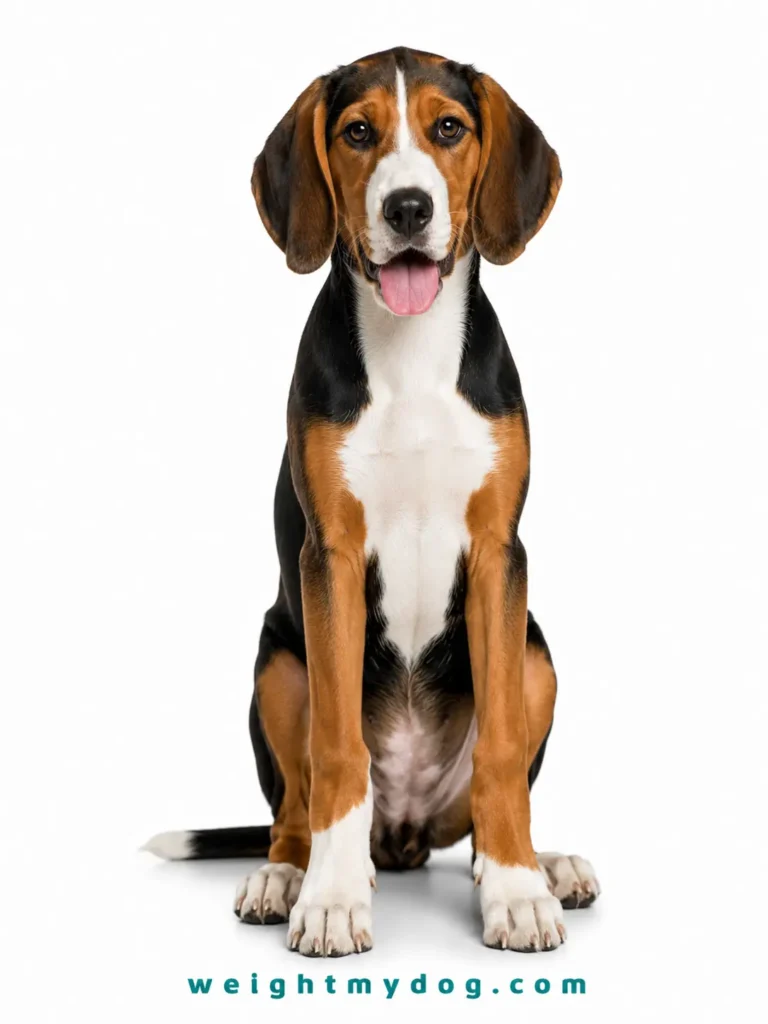
The Hamiltonstovare is a medium-sized, Swedish scenthound bred for hunting across Scandinavian terrain. Named after Count Adolf Patrick Hamilton, this breed carries a noble upstanding frame built for endurance and field work across varied landscapes.
Known for its tricolor coat and rectangular body, the Hamiltonstovare presents a proportioned, muscled build. German Foxhound and English Harrier breeds influenced its origin, producing a hardy hound with remarkable stamina and physical strength suited for demanding terrain.
Sweden’s Kennel Club formally recognized this breed in 1886, following Adolf Hamilton’s foundational work. The breed became a symbol of Swedish hunting ethic, originally tracking deer, foxes, and rabbits through dense Scandinavian forests with extraordinary scent-driven precision.
Hamiltonstövare dogs display a handsome, well-built frame with a deep chest, thick neck, and strong legs. Their coat is weather-resistant, featuring black, tan, and white markings arranged in a classic tricoloured pattern admired across European Kennel Club standards.
The breed thrives in rural and suburban environments, displaying adaptable temperament and outgoing personality. Unlike many hounds, Hamiltonstövare dogs bond deeply with family members, showing trusting, affectionate nature paired with intelligent working instincts honed over centuries.
AKC recognition elevated the breed’s profile in the United States, expanding its popularity beyond Sweden. Breeders highlight its consistent growth, sound bone structure, and natural hunting capacity as defining traits that distinguish it from other Scandinavian hound breeds globally.
Hamiltonstövare Weight Calculator
| Age | ♂ Male (Expected) | ♀ Female (Expected) | Your Dog |
|---|
How to use the Hamiltonstovare Weight Calculator
Get your Hamiltonstovare's ideal weight in under 10 seconds. No account needed.
Enter your dog’s details
Enter your Hamiltonstovare's current age, weight, and gender. Works in both lbs and kg — supports weeks, months, and years.
Get your instant weight results
See your Hamiltonstovare's predicted adult weight range, current ideal weight, visual growth chart, and health status — instantly calculated.
Check your dog’s health status
Find out if your Hamiltonstovare is underweight, ideal, or overweight based on breeder and parent-breed data — and get a personalised feeding guide.
Male Hamiltonstovare Growth, Weight & Height Chart by Age
| Age | Male Weight | Male Height |
|---|---|---|
| 4 Weeks | 1 – 2 lbs (0.5 – 0.9 kg) | 3 – 5 in (8 – 13 cm) |
| 2 Months | 5 – 9 lbs (2.3 – 4.1 kg) | 7 – 9 in (18 – 23 cm) |
| 3 Months | 10 – 16 lbs (4.5 – 7.3 kg) | 9 – 12 in (23 – 30 cm) |
| 4 Months | 16 – 23 lbs (7.3 – 10.4 kg) | 11 – 14 in (28 – 36 cm) |
| 5 Months | 22 – 30 lbs (10.0 – 13.6 kg) | 13 – 16 in (33 – 41 cm) |
| 6 Months | 28 – 37 lbs (12.7 – 16.8 kg) | 15 – 18 in (38 – 46 cm) |
| 7 Months | 33 – 42 lbs (15.0 – 19.1 kg) | 17 – 20 in (43 – 51 cm) |
| 8 Months | 37 – 46 lbs (16.8 – 20.9 kg) | 18 – 21 in (46 – 53 cm) |
| 9 Months | 40 – 50 lbs (18.1 – 22.7 kg) | 19 – 22 in (48 – 56 cm) |
| 10 Months | 43 – 53 lbs (19.5 – 24.0 kg) | 20 – 23 in (51 – 58 cm) |
| 11 Months | 46 – 56 lbs (20.9 – 25.4 kg) | 21 – 23.5 in (53 – 60 cm) |
| 12 Months | 49 – 58 lbs (22.2 – 26.3 kg) | 21 – 24 in (53 – 61 cm) |
| 18 Months (Adult) | 51 – 60 lbs (23.1 – 27.2 kg) | 21 – 24 in (53 – 61 cm) |
Female Hamiltonstovare Growth, Weight & Height Chart by Age
| Age | Female Weight | Female Height |
|---|---|---|
| 4 Weeks | 1 – 1.5 lbs (0.5 – 0.7 kg) | 3 – 4 in (8 – 10 cm) |
| 2 Months | 4 – 8 lbs (1.8 – 3.6 kg) | 6 – 8 in (15 – 20 cm) |
| 3 Months | 9 – 14 lbs (4.1 – 6.4 kg) | 8 – 11 in (20 – 28 cm) |
| 4 Months | 14 – 20 lbs (6.4 – 9.1 kg) | 10 – 13 in (25 – 33 cm) |
| 5 Months | 19 – 26 lbs (8.6 – 11.8 kg) | 12 – 15 in (30 – 38 cm) |
| 6 Months | 24 – 32 lbs (10.9 – 14.5 kg) | 14 – 17 in (36 – 43 cm) |
| 7 Months | 28 – 37 lbs (12.7 – 16.8 kg) | 15 – 18 in (38 – 46 cm) |
| 8 Months | 31 – 40 lbs (14.1 – 18.1 kg) | 16 – 19 in (41 – 48 cm) |
| 9 Months | 34 – 43 lbs (15.4 – 19.5 kg) | 17 – 20 in (43 – 51 cm) |
| 10 Months | 36 – 46 lbs (16.3 – 20.9 kg) | 18 – 21 in (46 – 53 cm) |
| 11 Months | 38 – 48 lbs (17.2 – 21.8 kg) | 19 – 21.5 in (48 – 55 cm) |
| 12 Months | 40 – 50 lbs (18.1 – 22.7 kg) | 19 – 22 in (48 – 56 cm) |
| 18 Months (Adult) | 42 – 53 lbs (19.1 – 24.0 kg) | 19 – 22 in (49 – 57 cm) |
Puppy Growth Chart And AKC Breed Weight Standard
| Breed Size | 8 Weeks | 3 Months | 4 Months | 6 Months | 1 Year |
|---|---|---|---|---|---|
| Toy | 0.9 – 1.8 kg | 1.4 – 2 kg | 2 – 2.5 kg | 2.5 – 3 kg | 3 – 5.5 kg |
| Small | 1.5 – 3 kg | 3 – 5 kg | 4 – 7 kg | 6 – 9 kg | 6 – 11 kg |
| Medium | 3 – 5 kg | 5 – 8 kg | 8 – 13 kg | 10 – 18 kg | 11 – 23 kg |
| Large | 5 – 9 kg | 9 – 12 kg | 12 – 20 kg | 18 – 30 kg | 23 – 45 kg |
| Giant | 7 – 12 kg | 12 – 18 kg | 18 – 28 kg | 28 – 40 kg | 45 – 70 kg |
Healthy Weight & Body Condition for Hamiltonstovare
A healthy Hamiltonstovare male typically weighs between 18.1-34 kg, while female dogs fall within a similar range. Ideal weight depends on age, size, activity level, and whether the dog has undergone spaying or neutering procedures.
Veterinarians recommend assessing body condition beyond simple scale measurements. A fit Hamiltonstovare shows a visible waist from above, a slight abdominal tuck when viewed from the side, and ribs that are easily felt but not visually prominent under the coat.
Body Condition Score remains the clearest indicator of healthy weight in hounds. Veterinary clinics use a 1-9 scale where 4-5 indicates ideal condition. Dogs scoring below 3 are considered underweight, while those above 6 risk developing obesity-related health problems long-term.
Seasonal changes affect weight significantly in active hunting breeds. A Hamiltonstovare working through winter terrain burns more calories than one living a low-activity suburban life. Monthly checks allow owners to adjust portions and maintain target weight ranges across all life stages.
Hip and elbow dysplasia risk increases when dogs carry excess weight. Maintaining a lean body reduces joint strain, protects cartilage, and extends active lifespan. Veterinarians advise conservative weight management especially during growth phases when bones and muscles are still developing.
A well-muscled Hamiltonstovare at ideal weight demonstrates physical stamina, mental alertness, and consistent digestion. Owners who combine daily exercise with controlled portion feeding report healthier coats, stronger immunity, and longer lifespan compared to overweight or underweight counterparts observed in breed-specific studies.
Body Condition Score (BCS) Assessment
BCS assessment provides accurate body condition measurement beyond scale weight alone. Veterinarians use hands-on tactile evaluation, pressing gently along the ribs, spine, and shoulders to determine fat coverage and muscle mass distribution across the Hamiltonstovare’s frame.
A BCS of 4-5 on the 9-point scale is ideal for Hamiltonstovare dogs. At this score, ribs are felt without excess fat, a clear waist is visible from above, and the abdominal tuck is noticeable without being extreme or unhealthy in appearance.
Dogs scoring 1-3 on the BCS scale are underweight, showing visible ribs, prominent hip bones, and weakened muscles. A skinny Hamiltonstovare with a visible spine and sunken abdomen requires immediate veterinary diagnosis and calorie increase through high-quality food adjustment.
Overweight dogs scoring 6-7 display rounded sides, hidden ribs under fat layers, and reduced abdominal tuck. Obese dogs at 8-9 on the BCS show excess fat on the neck, shoulders, and hind legs, making movement difficult and increasing cardiovascular risk dramatically.
Monthly BCS checks at home supplement veterinary assessment. Owners should use both hands to feel ribs from the sides, check waist tuck from above, and assess belly sag from the underside. Consistent home monitoring catches weight changes early, preventing preventable obesity in adult Hamiltonstovare dogs.
Photographs taken monthly from the same angle provide a visual picture of body condition changes over time. Comparing current images against breed standard photographs helps owners recognize growth or decline in muscle mass, fat distribution, and overall body shape in a practical, reliable way.
Hamiltonstovare Feeding Guide
Feeding a Hamiltonstovare requires understanding its breed-specific calorie needs across life stages. Active hunting dogs need significantly more daily calories than apartment-based pets. Dry kibble remains the most digestible, complete nutrition source for maintaining ideal body weight and coat quality.
High-quality protein forms the foundation of any Hamiltonstovare diet. Balanced meals should include adequate omega-3 fatty acids, joint-support nutrients, and digestible ingredients free from artificial preservatives. AAFCO adequacy statement on food labels confirms nutritional completeness for adult or puppy life stages.
Dry food offers density and dental benefits while wet food toppers add palatability for picky dogs. Homemade recipe options require careful nutritional balance and veterinarian guidance to avoid unbalanced diets that lead to deficiency or excess calorie intake over time.
Portion control prevents overfeeding in Hamiltonstovare dogs prone to weight gain. Use a measuring cup rather than unmeasured scraps or free-feeding methods. Daily calorie targets should be recalculated monthly based on activity level, season, and any medical condition affecting metabolism.
Table scraps and treats should never exceed 10%-15% of total daily calories. High-calorie treats combined with unmeasured meal portions create rapid weight gain in adult hounds. Owners should select low-calorie chews and natural dental treats to maintain body condition without unnecessary calorie addition.
Raw diet options are growing in popularity among Hamiltonstovare owners who prefer natural, whole food sources. However, raw feeding carries risks including bacterial infection, nutritional imbalance, and parasites if not carefully controlled. Veterinary guidance is essential before transitioning to any raw or homemade feeding plan.
Daily Calories by Life Stage
Puppy Hamiltonstovare dogs between 2-6 months need approximately 784-896 kcal daily to support rapid growth and developing muscles. Large-breed puppy formula food with controlled calcium levels prevents fast bone growth that causes joint problems in young hounds.
Adult Hamiltonstovare dogs between 1-7 years require 842-978 kcal daily depending on size and activity level. Working or hunting dogs in active field conditions may need up to 30% more calories than sedentary household pets living in controlled environments.
Senior dogs aged 7+ experience metabolic slowing and require calorie-restricted diets averaging 764-842 kcal daily. Reducing portion size while maintaining protein quality prevents obesity without sacrificing muscle mass in aging Hamiltonstovare dogs with reduced activity levels.
Full Life Stage Timeline
Weeks 1-8 represent the fastest growth phase for Hamiltonstovare puppies. Littermates grow together rapidly, and weight differences between siblings can signal health issues. Breeders monitor growth weekly using a reliable scale to ensure steady, balanced development during this critical window.
From months 3-6, puppies transition from 3x**-4**x daily meals to 2x daily feeding. Growth slows slightly but remains steady through this stage. Body weight should increase consistently without sudden drops or spikes that indicate digestion problems or underlying illness.
Months 12-18 mark maturity for most Hamiltonstovare dogs, when adult maintenance calories replace growth-stage feeding formulas. Neutering or spaying during this period slows metabolism, requiring immediate calorie adjustment to prevent weight gain in newly adult hounds reaching full size.
Feeding Your Adult Hamiltonstovare
Adult Hamiltonstovare dogs thrive on two meals daily rather than single large portions. Splitting daily calories into morning and evening meals supports digestion, reduces bloat risk, and maintains stable energy throughout the day for active hounds in working or family environments.
Dry kibble with 55%-60% digestible protein content is recommended for adult Hamiltonstovare maintenance. Complete large-breed adult formulas provide balanced nutrients without excess calorie density. Owners should feel their dog’s ribs monthly and adjust cup measurements based on weight scale readings.
Activity level directly determines adult calorie needs. A Hamiltonstovare doing brisk daily walks and agility training burns significantly more energy than one living alone in a city apartment. Veterinarians recommend calculating MER (Maintenance Energy Requirement) using body weight in kg for accurate portion planning.
Moderate-calorie dry food paired with omega-3 sources supports coat health, joint function, and heart health in adult Hamiltonstovare dogs. Avoiding high-fat toppers and excess treats prevents gradual weight gain that becomes harder to reduce as the dog ages into its senior life stage.
Seasonal feeding adjustments are necessary for Hamiltonstovare dogs with outdoor access. Winter activity increases calorie demand, while summer heat may reduce appetite and exercise tolerance. Owners should recalculate portions based on seasonal activity changes rather than maintaining fixed cup measurements year-round.
Stomach sensitivity is common in hound breeds, making food transition a careful process. Changeing adult food gradually over 7-10 days prevents digestive upset. Mixing old and new food in increasing ratios allows the digestive system to adjust without causing stool changes or appetite loss.
Feeding Your Senior Hamiltonstovare
Senior Hamiltonstovare dogs aged 7+ require calorie-restricted, protein-rich diets that support aging muscles and joints. Metabolism slows substantially, and dogs that once maintained ideal weight on adult portions often become overweight without monthly portion reduction and careful feeding schedule adjustment.
Joint-support nutrients including omega-3 fatty acids and cartilage-protecting ingredients become essential in senior diets. Breed-specific senior formulas address hip dysplasia risk, dental health, and reduced digestive capacity common in aging Hamiltonstovare dogs with declining activity levels and slower metabolism.
Smaller, more frequent meals benefit senior dogs with reduced stomach capacity. Two moderate portions rather than one large daily meal reduces GDV (gastric dilatation-volvulus) risk and supports comfortable digestion. Wet food mixed with dry kibble aids hydration and palatability for senior dogs with dental issues.
Weight monitoring every two weeks helps detect changes early in senior Hamiltonstovare dogs. Unexplained weight loss in older dogs can signal underlying illness, diabetes, or organ disease requiring immediate veterinary diagnosis. Consistent scale checks combined with BCS assessment provide a complete health picture for aging hounds.
Reduced treat frequency and elimination of high-calorie toppers help senior dogs maintain healthy weight without feeling deprived. Natural chews that support dental health replace fatty treats in the senior feeding plan. Owners should work closely with veterinarians to personalize calorie targets based on individual health conditions and mobility levels.
Prescription diets may be required for senior Hamiltonstovare dogs with specific medical conditions. Dogs managing diabetes, heart disease, or kidney problems need specialized food formulas beyond standard commercial options. Veterinary guidance ensures the correct balance of nutrients, calories, and medication compatibility throughout the senior life stage.
Signs Your Hamiltonstovare Is Underweight
A Hamiltonstovare showing visible ribs, prominent hip bones, and an extremely tucked abdomen is clearly underweight. Loss of muscle mass along the shoulders, legs, and rear indicates inadequate calorie intake or underlying health problems requiring immediate veterinary attention and dietary adjustment.
Thin dogs with a BCS of 1-2 display sunken sides, visible spine from above, and weakened physical condition. Coat quality often declines alongside body weight in underweight hounds, appearing dull, dry, and lacking the natural shine expected in a well-nourished Hamiltonstovare of any age.
Appetite loss, lethargy, and declining energy are behavioral signs of underweight condition. An underweight Hamiltonstovare may refuse food, display reduced interest in exercise, and avoid play that once excited them. These changes warrant veterinary diagnosis to rule out parasites, illness, or dental pain as causes.
Signs Your Hamiltonstovare Is Overweight
Overweight Hamiltonstovare dogs display rounded sides, hidden ribs beneath fat layers, and a loss of visible waist tuck when viewed from above. Excess fat deposits on the neck, brisket, and hind legs are clear indicators of obesity requiring immediate calorie reduction and exercise increase.
Behavioral signs of overweight condition include reduced stamina, reluctance to run or fetch, and difficulty climbing stairs. Overweight dogs breathe more heavily during moderate exercise and may show joint discomfort when walking. These symptoms indicate excess body fat placing harmful pressure on joints, lungs, and heart.
Obese Hamiltonstovare dogs face increased risk of diabetes, osteoarthritis, respiratory problems, and reduced lifespan. Carrying excess weight also damages intervertebral discs and strains hind leg muscles over time. Owners who recognize these signs early should consult veterinarians to create a safe, gradual weight loss plan immediately.
Hamiltonstovare Diet Considerations
Diet planning for Hamiltonstovare dogs must consider breed-specific needs including high protein demand, joint-support nutrients, and calorie density appropriate for their activity level. Balanced nutrition prevents obesity, dysplasia, and dental disease while supporting stamina and immune system function across all life stages.
Digestible protein sources such as chicken, fish, and lean meats form the nutritional backbone of a healthy Hamiltonstovare diet. Omega-3 fatty acids from fish oil support coat quality and joint health. Avoiding artificial preservatives and fillers reduces sensitivity reactions common in hound breeds with digestive challenges.
Large-breed formulas with controlled phosphorus and calcium levels protect developing bones in young Hamiltonstovare dogs. Adult and senior formulas should be selected based on the dog’s current weight, size, and veterinary assessment rather than generic breed recommendations that ignore individual health profile variations.
Calorie restriction during neutering recovery prevents weight gain caused by metabolic slowing. Post-surgical feeding plans should reduce daily calories by 10%-15% while maintaining protein levels to support healing. Veterinarians should guide diet changes following medical procedures that affect metabolism and energy needs in adult hounds.
Seasonal diet adjustments align calorie intake with activity demand. Winter hunting dogs need higher calorie diets than indoor apartment dogs during the same season. Summer heat reduces exercise tolerance, lowering daily calorie requirements and increasing the risk of weight gain if portions remain unchanged across seasons.
Environmental factors including stress, household changes, and new family members can affect appetite and digestion in Hamiltonstovare dogs. Consistent feeding schedules, familiar food choices, and stable routines reduce stress-related eating disruption. Owners should monitor stool quality, energy level, and weight during periods of environmental change to detect diet-related problems early.
Prioritize
- High-quality protein from digestible animal sources (50%-60% of diet)
- Joint-support nutrients: omega-3 fatty acids, glucosamine, cartilage-building ingredients
- Complete AAFCO-certified dry kibble or wet food appropriate for life stage
- Controlled calorie density matched to activity level and size
- Fresh water available at all times to support digestion and kidney function
- Balanced meals with natural ingredients, free from artificial additives and fillers
Watch Out For
- Free-feeding that leads to unmeasured calorie excess and rapid weight gain
- High-fat table scraps and treat toppers exceeding 10%-15% of daily calories
- Raw diets without veterinary guidance, risking parasites and nutritional imbalance
- Artificial preservatives and fillers causing sensitivity and digestive problems
- Unbalanced homemade recipes lacking complete nutrient profiles
- Rapid food transition without 7-10 day gradual change period
Reading Dog Food Labels for Hamiltonstovares
Dog food labels contain critical information that Hamiltonstovare owners must learn to read accurately. The ingredient list, guaranteed analysis, and AAFCO adequacy statement together provide a complete picture of nutritional quality and suitability for breed-specific feeding needs at different life stages.
Protein percentage listed on labels reflects dry matter density rather than wet weight. Owners comparing wet and dry food must convert values to dry matter basis by subtracting moisture content. A 100g serving of dry kibble contains significantly more protein per gram than an equivalent wet food portion.
Calorie content expressed as kcal per cup or kcal per 100g helps owners calculate accurate daily portions. Higher calorie density foods require smaller cup measurements, while lower-calorie formulas allow larger portions for dogs needing more volume to feel satisfied without weight gain.
Ingredient quality is revealed by the order and type of protein sources listed. Named animal proteins (chicken, salmon, beef) appearing first indicate high-quality formulas. Generic meat meals, artificial colors, and chemical preservatives listed early signal lower quality foods that provide inadequate nutrition for active Hamiltonstovare dogs.
Life stage labeling on dog food ensures the formula meets nutritional standards for the specific age group. Puppy, adult, and senior formulas differ in calorie density, protein level, calcium balance, and joint-support ingredient inclusion. Selecting the wrong life stage food risks nutritional imbalance or excess calorie intake over time.
Feeding guidelines printed on labels provide a starting reference point but rarely account for individual dog size, activity level, or health condition. Owners should treat label recommendations as a baseline and adjust portions based on monthly weight checks and BCS assessment conducted in partnership with a trusted veterinarian.
Look For
- Named protein source as the first ingredient (chicken, fish, beef)
- AAFCO adequacy statement confirming complete nutrition for the life stage
- Omega-3 fatty acid sources (fish oil, flaxseed) for coat and joint health
- Calorie content in kcal per cup or per 100g for accurate portion calculation
- Joint-support ingredients (glucosamine, chondroitin) for large-breed hounds
- Digestible ingredients free from artificial preservatives and chemical additives
Be Careful With
- Generic meat meals and unnamed animal fat sources in the ingredient list
- Artificial colors, flavors, and preservatives (BHA, BHT, ethoxyquin)
- Corn, wheat, or soy fillers as primary carbohydrate sources
- High-calorie density foods without clear kcal per cup information
- Labels claiming complete nutrition without an AAFCO adequacy statement
- Feeding guidelines that ignore breed size and individual activity level variations
Dog Weight by Age: Growth Milestones
Hamiltonstovare puppies weigh approximately 2-3 kg at 8 weeks and grow rapidly through their first months. Weight should increase steadily by 1-2 kg monthly during the growth stage, with veterinary checks confirming normal development and ideal bone structure formation throughout early life.
By 6 months, a Hamiltonstovare puppy typically reaches 55%-60% of its adult target weight, falling between 12-16 kg depending on sex and frame size. Male puppies tend to be heavier than female littermates at the same age, reflecting breed standard size differences between bitches and dogs at maturity.
Months 6-12 bring slower but consistent growth as the Hamiltonstovare approaches adult size. Joints and bones are still developing during this stage, making large-breed puppy formula essential. Excess calorie intake during this period causes fast bone growth linked to dysplasia and long-term joint problems in hounds.
Full maturity is reached between 18-24 months for most Hamiltonstovare dogs. Adult weight for males falls between 23-27 kg, while females typically weigh 19.5-23.5 kg at full size. Monitoring weight at maturity establishes the baseline target used to guide adult and senior feeding plans throughout the dog’s life.
Senior transition begins around 7 years, when metabolism slows and muscle mass naturally declines. Weight should be measured monthly and diet adjusted to prevent obesity while maintaining adequate protein for muscle support. Dogs losing weight unexpectedly after 7+ years should receive veterinary assessment to rule out underlying disease.
Growth milestones tracked from puppy to senior create a complete health record that veterinarians use as a predictor of future health risks. Dogs that maintained ideal weight across all life stages consistently show lower rates of obesity, diabetes, hip dysplasia, and joint disease compared to dogs with uncontrolled weight history throughout life.
Why Dog Weight Matters for Health
Excess body weight is the leading preventable cause of reduced lifespan in dogs. Obese Hamiltonstovare dogs face significantly higher risk of diabetes, heart disease, osteoarthritis, and respiratory failure compared to dogs maintained at ideal body condition score through controlled diet and regular exercise.
Joint strain caused by excess weight accelerates cartilage breakdown and bone deterioration in hip and elbow joints. Hamiltonstovare dogs already predisposed to hip dysplasia suffer significantly faster disease progression when carrying even moderate excess weight. Weight reduction alone can reduce joint pain and improve mobility in affected dogs.
Metabolic diseases including insulin resistance and diabetes develop more rapidly in overweight dogs with high body fat percentage. Excess fat tissue disrupts hormone balance, reduces immune function, and increases inflammatory responses throughout the body. Maintaining healthy weight protects metabolic health and reduces medication dependency in aging hounds.
Respiratory capacity decreases when excess fat compresses the chest and lungs of overweight dogs. Hamiltonstovare hounds built for endurance hunting lose their natural stamina quickly when carrying excess body fat. Even a 10% weight reduction improves breathing, exercise tolerance, and overall quality of life in overweight breed members.
Dental health connects directly to body weight through diet quality and treat consumption. Dogs fed high-calorie, soft foods with frequent treats develop dental disease faster than those on controlled dry kibble diets. Obesity and dental disease together create a cycle of declining health that shortens lifespan and reduces quality of life in senior hounds.
Mortality risk increases substantially with each additional kg of excess weight carried by a medium-sized dog. Studies show obese dogs live up to 2 years less than lean counterparts of the same breed. Weight management is therefore not merely cosmetic but represents the single most impactful health decision owners make for their Hamiltonstovare’s long-term wellbeing.
Hamiltonstovare Temperament
The Hamiltonstovare displays a naturally even-tempered, outgoing personality that makes it a reliable family companion. Friendly with children and adaptable to household routines, this breed brings trusting energy into home environments while retaining intelligent, hardworking instincts developed over centuries of Swedish hunting tradition.
Socialization from an early age shapes the Hamiltonstovare’s comfort around other dogs, pets, and people. Well-socialized dogs are calm, confident, and easy to train in both urban and rural settings. Without adequate socialization, this hound can become stubborn or bored, displaying destructive behavior when mental stimulation is consistently absent from daily routine.
Training requires patience, consistency, and positive reinforcement rather than harsh correction. The Hamiltonstovare responds best to reward-based methods that engage its natural scent-following and problem-solving instincts. Short, focused sessions work better than long repetitive drills that cause the dog to disengage from the training process entirely.
Independence is a defining temperament trait developed through centuries of solo hunting. Hamiltonstovare dogs make decisions independently in the field, which sometimes manifests as stubbornness at home. Owners who understand this breed characteristic approach training with realistic expectations and focus on building trust rather than demanding immediate compliance in every situation.
This breed forms deep bonds with its family but is not typically clingy or separation-anxious when properly conditioned. A Hamiltonstovare raised with consistent routine, daily exercise, and mental stimulation through scent games remains emotionally stable and well-adjusted in family life across different living environments and household situations.
The Hamiltonstovare’s noble disposition extends to interactions with strangers, whom it typically greets with curiosity rather than aggression. While not a guard dog by nature, its alert temperament and vocal hound character make it an effective watchdog that announces visitors reliably. Balancing its social needs with appropriate exercise is key to a stable, happy temperament long-term.
Hamiltonstovare Exercise
Hamiltonstovare dogs require minimum 60-90 minutes of vigorous daily exercise to maintain healthy weight and mental balance. Built for endurance running across Scandinavian terrain, these hounds thrive with brisk walks, hiking, and off-leash running in fenced yards or controlled field environments offering sufficient physical challenge.
Agility training provides both physical conditioning and mental stimulation for this intelligent hound breed. Games involving scent work, fetch, and tracking exercises engage the Hamiltonstovare’s natural hunting drives while burning calories efficiently. Dogs receiving adequate mental and physical exercise maintain stable weight with fewer diet adjustments throughout adult life.
Underexercised Hamiltonstovare dogs become bored, destructive, and prone to weight gain. A dog bred for running miles through forest terrain does not thrive in a small apartment without compensatory exercise. Owners in city environments must commit to twice-daily vigorous walks supplemented by weekend hiking or field activity to meet this breed’s exercise needs.
Seasonal exercise adjustments are necessary given the Hamiltonstovare’s weather-resistant coat. This breed handles winter conditions comfortably but may resist extreme summer heat during midday activity periods. Morning and evening exercise sessions during hot months protect against heat stress while maintaining daily calorie burn required for weight management.
Senior Hamiltonstovare dogs benefit from shorter, more frequent exercise sessions rather than prolonged endurance activity. Low-impact activity including gentle walks and swimming maintains muscle tone and joint mobility without causing strain on aging bones. Adjusting exercise intensity as the dog ages prevents injury while supporting healthy weight into senior years.
Working Hamiltonstovare dogs used in active hunting field trials have dramatically different exercise needs compared to household pets. Field dogs may run miles daily across varied terrain, requiring proportionally higher calorie intake to support energy demand. Owners must align feeding plans with actual exercise output to prevent weight loss in high-activity working hounds during hunting season.
Hamiltonstovare Common Health Problems
Hip dysplasia is among the most common health problems affecting the Hamiltonstovare breed. This inherited joint condition causes abnormal hip socket formation, leading to pain, reduced mobility, and arthritis over time. Weight management is the most effective tool for slowing dysplasia progression and maintaining quality of life in affected dogs.
Epilepsy represents a significant neurological health concern in the breed, with seizure episodes ranging from mild to severe. Diagnosis typically requires veterinary neurological assessment and ongoing medication management. Diet quality and body weight indirectly influence seizure frequency by affecting metabolic stability and neurological health in predisposed dogs.
Ear infections occur frequently in hound breeds with hanging ears that trap moisture and bacteria. The Hamiltonstovare’s long, floppy ears require weekly cleaning and inspection to prevent chronic infections that cause pain and hearing loss. Dogs with frequent ear problems should receive veterinary assessment to rule out underlying allergy or sensitivity causes.
Bloat (GDV) poses a serious risk for large, deep-chested hound breeds including the Hamiltonstovare. Gastric dilatation-volvulus occurs when the stomach fills with gas and twists, creating a life-threatening emergency. Feeding two smaller meals daily, avoiding exercise immediately after eating, and monitoring abdominal distension reduce this risk significantly.
Dental disease progresses rapidly in dogs fed soft foods without dental chews or regular tooth brushing. The Hamiltonstovare benefits from daily dental care including kibble feeding, dental chews, and periodic professional cleaning. Untreated dental disease leads to bacterial infections affecting heart, kidney, and liver function in aging hounds.
Obesity-related conditions including diabetes, heart disease, and respiratory problems are entirely preventable in the Hamiltonstovare through consistent weight management. Owners who maintain ideal body condition throughout their dog’s life significantly reduce the risk of these costly medical conditions. Regular veterinary checks allow early detection of developing health issues before they become serious problems.
Hamiltonstovare Brief Historical Summary
The Hamiltonstovare breed was developed in 18th and 19th century Sweden by Count Adolf Patrick Hamilton, founder of the Swedish Kennel Club. Hamilton crossed German hounds with English Foxhounds and Harriers to create a medium-sized scenthound capable of tracking deer and foxes through Scandinavian terrain independently.
Formal breed recognition came in 1886 when the Swedish Kennel Club established the Hamiltonstövare breed standard. Hamilton’s vision was to create a noble, upstanding hound for Sweden’s rural gentry and peasantry alike, accessible beyond royal hunting grounds that had historically defined Scandinavian hunting culture for centuries of European tradition.
Germany and Switzerland contributed ancestral hound breeds to the Hamiltonstovare’s genetic foundation. Southern German hounds brought endurance and scent ability, while English Foxhounds contributed speed and frame size. The resulting breed combined the best traits of its European ancestors into a uniquely Swedish working hound with remarkable field versatility.
AKC recognition in the United States and international Kennel Club registrations expanded the Hamiltonstovare’s global profile beyond its Swedish homeland. Breed trials and hunting competitions in Scandinavia continued to showcase the dog’s remarkable field performance. Count Hamilton’s legacy endures through this breed’s consistent standard maintained by dedicated Swedish breeders worldwide.
Patrik Stella, a notable Swedish breeder, contributed significantly to preserving breed purity and field performance in the 20th century. Breed standards were refined in 1921 to better define the Hamiltonstovare’s ideal physical characteristics and working capacity. These standards established the tricolor coat pattern and rectangular body shape as defining breed features globally.
The Hamiltonstovare remains Sweden’s most popular native breed, celebrated for its handsome appearance, reliable temperament, and outstanding endurance in field conditions. From royalty to rural households, this hound has served Swedish hunting culture across centurys. Its history reflects the ethic of practical breeding — creating dogs that are equally beautiful and functional in their natural working environment.
Hamiltonstovare Coat, Color & Appearance
The Hamiltonstovare presents a striking tricolor coat featuring black mantle, tan markings, and white blaze, chest, and feet. This three-part color pattern is a defining breed characteristic recognized by Swedish, European, and AKC Kennel Club standards as essential to correct breed appearance and identity.
The outer coat is short, dense, and close-lying, providing weather-resistant coverage against Scandinavian winter conditions. Beneath lies a soft, thick undercoat that insulates against cold and moisture during extended hunting sessions. The coat’s natural structure requires minimal grooming while offering maximum protection in harsh outdoor environments.
Body structure is rectangular and well-proportioned, with a deep chest, strong neck, and muscled legs built for endurance. The Hamiltonstovare’s head features a long muzzle, soft hanging ears, and dark eyes expressing alert intelligence. A long, straight tail extends from a rounded rear, completing the breed’s classic upstanding hunting hound silhouette.
Size standards specify male Hamiltonstovare height at 53-61 cms at the shoulder, with females measuring 49-57 cms. Weight ranges from 18.1-34 kg depending on sex and frame size. Dogs outside these measurements are considered non-standard, though slight variations exist between Swedish and international Kennel Club breed standards for this hound.
Coat color variations beyond the standard tricolor pattern are considered undesirable in breed showing. Rusty or faded black mantles, excessive white coverage, or absent tan markings represent deviations from breed standard. Breeders selecting mating pairs prioritize correct color distribution alongside structural soundness and working ability in their breeding programs.
Coat condition reflects nutritional health directly. A Hamiltonstovare receiving adequate omega-3 fatty acids and high-quality protein displays a rich, glossy coat with tight, close-lying layers and minimal shedding. Dull, dry, or patchy coats indicate nutritional deficiency, skin infection, or underlying health condition requiring veterinary diagnosis and diet adjustment.
Other Names for Hamiltonstovare
The Hamiltonstovare is officially recognized under the Swedish spelling Hamiltonstövare in its homeland. Both names refer to the same breed, with the English transliteration dropping the Swedish umlaut for international convenience. AKC and United States breed registries use Hamiltonstovare as the standard English-language name for official breed documentation and competition entry.
The breed is sometimes informally called the Swedish Foxhound due to its Foxhound ancestry and similar hunting function in Scandinavian field trials. This name is not recognized by any formal Kennel Club but circulates among hunting enthusiasts familiar with Swedish hound breeds and their historical connection to European Foxhound and Harrier lines developed before 1886.
Hamilton Hound is another informal name used by English-speaking dog enthusiasts referencing the breed’s founder, Count Adolf Hamilton. This simplified name helps international audiences identify the breed’s Swedish origin and founding history without navigating unfamiliar Scandinavian language characters or complex breed registry names across different countries.
Key Takeaways
The Hamiltonstovare is a medium-sized Swedish scenthound with breed-specific calorie, exercise, and weight management needs that differ from other hound breeds. Maintaining ideal body condition through controlled feeding, regular BCS assessment, and monthly weight checks protects this breed from preventable health conditions throughout life.
Nutritional quality, portion control, and life-stage-appropriate diet selection are the three pillars of Hamiltonstovare health. High-quality protein, omega-3 fatty acids, and joint-support nutrients in AAFCO-certified foods provide the nutritional foundation required for long, healthy, active life in this hardworking Scandinavian hound breed.
Exercise consistency, temperament balance, and veterinary partnership complete the picture of responsible Hamiltonstovare ownership. Dogs maintained at ideal weight, given adequate daily activity, and monitored for breed-specific health risks including hip dysplasia, epilepsy, and bloat live longer, healthier lives with stronger family bonds and better quality of life overall.
Frequently Asked Questions — Hamiltonstovare Weight
How Much Should I Feed My Hamiltonstovare per Day?
Adult Hamiltonstovare dogs typically need 2-3 cups of dry kibble daily, divided into two meals. Exact amounts depend on body weight in kg, activity level, and the calorie density of the specific food formula selected. Always consult the AAFCO-certified food’s label for starting portion reference.
Use a calculator or veterinarian consultation to determine RER (Resting Energy Requirement) and MER (Maintenance Energy Requirement) for your dog’s specific size and life stage. Adjust portions monthly based on weight scale readings and BCS assessment to ensure consistent, accurate daily calorie intake.
Is My Hamiltonstovare Prone to Obesity?
Hamiltonstovare dogs are not inherently obesity-prone compared to food-motivated breeds, but overfeeding and under-exercising easily leads to weight gain. Free-feeding, excess treats, and reduced activity during winter or illness recovery create conditions where gradual fat accumulation becomes a significant health risk.
Monthly weight checks and BCS assessment catch early overweight signs before obesity develops. Owners who monitor portion size, limit high-calorie treats, and maintain consistent daily exercise keep their Hamiltonstovare at ideal body condition without requiring calorie restriction intervention from a veterinarian.
What Is the Best Food for a Hamiltonstovare?
High-quality dry kibble with named animal protein as the first ingredient is the best food choice for most Hamiltonstovare dogs. Large-breed formulas with joint-support nutrients, omega-3 fatty acids, and no artificial preservatives meet this breed’s specific nutritional needs across adult life stages.
Wet food toppers can supplement dry kibble for palatability and hydration without significantly increasing calorie intake. Raw diets and homemade recipes are options for committed owners but require veterinary nutritional guidance to ensure complete AAFCO-equivalent nutrition that supports long-term health and body condition.
How Many Times a Day Should I Feed My Hamiltonstovare?
Two meals daily is the recommended feeding frequency for adult Hamiltonstovare dogs. Splitting daily calories into morning and evening portions supports digestion, reduces bloat risk, and maintains stable energy levels throughout the day for both working field dogs and household pets.
Puppies between 8 weeks and 6 months should receive three to four small meals daily to support rapid growth and stable blood sugar levels. Reducing to two meals at six months aligns with digestive maturity. Senior dogs with reduced stomach capacity may also benefit from three smaller daily portions for comfort.
How Do I Know If I Am Feeding the Right Amount?
The clearest indicator of correct feeding amount is stable body weight combined with a BCS of 4-5 on the 9-point scale. A dog maintaining ideal condition with visible waist tuck, easily felt but not visible ribs, and consistent energy levels is receiving the right daily calorie intake.
Monthly scale weighting and hands-on BCS checks provide reliable feedback on feeding accuracy. Stool quality also indicates diet suitability — firm, well-formed stool suggests good digestion and appropriate portion size. Loose or absent stool signals overfeeding, food sensitivity, or ingredient intolerance requiring adjustment.
Should I Change My Hamiltonstovare’s Food When They Get Older?
Yes. Senior Hamiltonstovare dogs benefit from transitioning to calorie-restricted, protein-rich senior formulas that address aging metabolic changes. Adult food fed unchanged through senior years often contributes to weight gain, joint stress, and nutritional imbalance as metabolism slows and activity levels decline with age.
Transition gradually over 7-10 days by mixing increasing amounts of senior food with adult kibble. Dogs with specific health conditions may require prescription diets rather than standard commercial senior formulas. Veterinarian guidance at the 7-year mark ensures the food change aligns with the dog’s current health profile and nutritional needs.
What Is an Ideal Weight Range for Dogs?
Ideal weight ranges vary enormously across breeds — from 2 kg toy breeds to giant dogs exceeding 45 kg. For the Hamiltonstovare, the ideal range is 18.1-34 kg for adults, with males typically heavier than females. Breed standards provide size-specific targets that should guide individual weight management goals.
Rather than applying a single universal standard, veterinarians use breed-specific growth charts and BCS assessment to determine the ideal weight for each individual dog. Frame size, muscle mass, and bone density all influence what constitutes ideal weight beyond simple scale numbers for medium-sized hound breeds like the Hamiltonstovare.
How Do I Know If My Dog Is at a Healthy Weight?
A dog at healthy weight shows a clear waist when viewed from above, a visible abdominal tuck from the side, and ribs that are felt easily but not visible through the coat. No excess fat pads appear on the neck, shoulders, or hind legs, and the dog moves freely with good energy and stamina.
Monthly home BCS checks combined with annual veterinary assessment provide the most accurate picture of healthy weight status. Owners who weigh their dog regularly using a reliable home scale and compare readings to breed standard target ranges maintain consistent awareness of their Hamiltonstovare’s body condition across all life stages.
What Should I Do If My Dog Is Underweight?
First, schedule a veterinary assessment to identify any underlying illness, parasites, or dental pain causing appetite loss or weight decline. Increasing calorie intake without diagnosis risks masking a medical cause that requires specific treatment beyond simple diet adjustment or portion increase for your underweight hound.
Once underlying causes are ruled out, gradually increase daily calories by 10% weekly using high-quality protein-rich food with added wet toppers for palatability. Monitor weight weekly and reassess BCS monthly until ideal condition is restored. Avoid rapid calorie increases that cause digestive upset in thin, nutrient-depleted hounds.
What Should I Do If My Dog Is Overweight?
Reduce daily calories by 10%-15% initially, replacing high-fat treats with low-calorie alternatives and eliminating table scraps completely. Increase daily exercise gradually to boost calorie burn without straining joints that may already carry excess weight stress from prolonged obesity in your Hamiltonstovare.
Weigh monthly and reassess BCS to track progress. Weight loss should proceed at no more than 1%-2% of body weight weekly to preserve muscle mass. Veterinarian guidance is essential for obese dogs requiring calorie-restricted prescription diets or those with health conditions that complicate safe, gradual weight reduction planning.
My Dog Is a Mixed Breed. Which Breed Should I Select?
For a mixed breed dog, select the closest matching breed in the weight calculator based on current adult size and frame build. If your dog most closely resembles a medium-sized hound like the Hamiltonstovare in weight and body structure, selecting this breed provides the most accurate calorie and portion estimate available.
Veterinarian assessment of mixed breed body condition supplements calculator estimates that cannot account for hybrid metabolic variations. DNA breed testing provides clearer picture of dominant breed influences affecting size, metabolism, and nutritional needs. Personalized feeding plans based on individual assessment are always more accurate than breed reference tools alone.
How Does a Weight Calculator Differ From a BMI Calculator?
A dog weight calculator estimates ideal weight based on breed standards, age, and life stage rather than calculating body fat percentage like a BMI calculator. BMI was designed for human body composition assessment and does not translate accurately to canine body structure, bone density, or breed size variations across dog types.
BCS assessment serves the equivalent function of BMI in canine health monitoring, providing a tactile and visual evaluation of body fat distribution rather than a mathematical formula. A dog weight calculator is a starting reference point for portion estimation, while BCS provides real body condition data that calculators and BMI formulas cannot replace in veterinary practice.
Table of Contents
Toggle