
Free Pug Weight Calculator — Puppy Growth Chart by Age
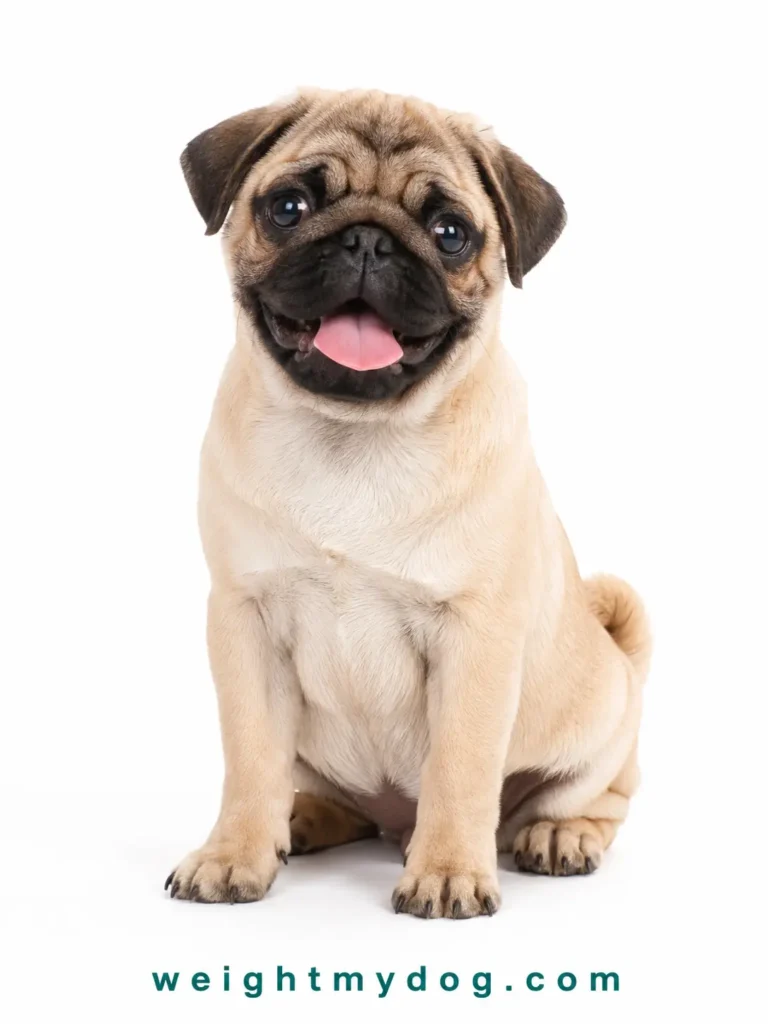
Pugs have charmed households for centuries, originally bred as companions for Chinese emperors before reaching Holland and the royal House of Orange. Understanding your Pug’s healthy development starts with knowing accurate weight milestones across every age stage.
Tracking your Pug puppy’s growth isn’t guesswork — it’s science. A reliable puppy weight calculator transforms raw current weight and age in weeks into meaningful projections, giving pet parents genuine peace of mind about their companion’s trajectory.
Newborn Pug puppies arrive tiny, but growing fast is their nature. Between birth and 8 weeks, weight changes weekly. Veterinarians emphasize that monitoring early growth rates sets the foundation for predicting your Pug’s final full size accurately.
Female Pug and male Pug owners often ask different questions about size milestones. Gender differences exist, but both sexes follow predictable growth patterns within breed standards defined by the American Kennel Club (AKC).
From apartment living to active suburban homes, a Pug’s lifestyle shapes body condition throughout life. Whether you’re raising your first Pug or your fourth, breed-specific data and growth chart references remain your most accurate planning tools.
This guide covers Pug development stages, feeding, exercise, genetics, and vet guidance comprehensively. By the end, you’ll confidently assess whether your companion is developing within healthy weight ranges at every age.
Pug Weight Calculator
| Age | ♂ Male (Expected) | ♀ Female (Expected) | Your Dog |
|---|
How to use the Pug Weight Calculator
Get your Pug's ideal weight in under 10 seconds. No account needed.
Enter your dog’s details
Enter your Pug's current age, weight, and gender. Works in both lbs and kg — supports weeks, months, and years.
Get your instant weight results
See your Pug's predicted adult weight range, current ideal weight, visual growth chart, and health status — instantly calculated.
Check your dog’s health status
Find out if your Pug is underweight, ideal, or overweight based on - verified breed standards — and get a personalised feeding guide.
Male Pug Growth, Weight & Height Chart by Age
| Age | Male Weight | Male Height |
|---|---|---|
| 4 Weeks (1 Month) | 1 – 2 lbs (0.45 – 0.91 kg) | 2 – 3 in (5.1 – 7.6 cm) |
| 2 Months (8 Weeks) | 2 – 4 lbs (0.91 – 1.81 kg) | 3 – 4 in (7.6 – 10.2 cm) |
| 3 Months | 4 – 7 lbs (1.81 – 3.18 kg) | 4 – 6 in (10.2 – 15.2 cm) |
| 4 Months | 5 – 9 lbs (2.27 – 4.08 kg) | 5 – 7 in (12.7 – 17.8 cm) |
| 5 Months | 7 – 12 lbs (3.18 – 5.44 kg) | 7 – 9 in (17.8 – 22.9 cm) |
| 6 Months | 9 – 14 lbs (4.08 – 6.35 kg) | 8 – 10 in (20.3 – 25.4 cm) |
| 7 Months | 10 – 16 lbs (4.54 – 7.26 kg) | 9 – 11 in (22.9 – 27.9 cm) |
| 8 Months | 12 – 17 lbs (5.44 – 7.71 kg) | 10 – 11 in (25.4 – 27.9 cm) |
| 9 Months | 13 – 18 lbs (5.90 – 8.16 kg) | 10 – 12 in (25.4 – 30.5 cm) |
| 10 Months | 14 – 19 lbs (6.35 – 8.62 kg) | 10 – 12 in (25.4 – 30.5 cm) |
| 11 Months | 14 – 20 lbs (6.35 – 9.07 kg) | 10 – 12 in (25.4 – 30.5 cm) |
| 12 Months | 14 – 20 lbs (6.35 – 9.07 kg) | 10 – 13 in (25.4 – 33.0 cm) |
| 18 Months (Adult) | 14 – 20 lbs (6.35 – 9.07 kg) | 10 – 13 in (25.4 – 33.0 cm) |
| 24 Months (Full Grown) | 14 – 20 lbs (6.35 – 9.07 kg) | 10 – 13 in (25.4 – 33.0 cm) |
Female Pug Growth, Weight & Height Chart by Age
| Age | Female Weight | Female Height |
|---|---|---|
| 4 Weeks (1 Month) | 1 – 1.5 lbs (0.45 – 0.68 kg) | 2 – 3 in (5.1 – 7.6 cm) |
| 2 Months (8 Weeks) | 2 – 3.5 lbs (0.91 – 1.59 kg) | 3 – 4 in (7.6 – 10.2 cm) |
| 3 Months | 3 – 6 lbs (1.36 – 2.72 kg) | 4 – 6 in (10.2 – 15.2 cm) |
| 4 Months | 5 – 8 lbs (2.27 – 3.63 kg) | 5 – 7 in (12.7 – 17.8 cm) |
| 5 Months | 6 – 11 lbs (2.72 – 4.99 kg) | 7 – 9 in (17.8 – 22.9 cm) |
| 6 Months | 8 – 13 lbs (3.63 – 5.90 kg) | 8 – 10 in (20.3 – 25.4 cm) |
| 7 Months | 9 – 14 lbs (4.08 – 6.35 kg) | 9 – 11 in (22.9 – 27.9 cm) |
| 8 Months | 10 – 15 lbs (4.54 – 6.80 kg) | 9 – 11 in (22.9 – 27.9 cm) |
| 9 Months | 11 – 16 lbs (4.99 – 7.26 kg) | 10 – 12 in (25.4 – 30.5 cm) |
| 10 Months | 12 – 17 lbs (5.44 – 7.71 kg) | 10 – 12 in (25.4 – 30.5 cm) |
| 11 Months | 12 – 17 lbs (5.44 – 7.71 kg) | 10 – 12 in (25.4 – 30.5 cm) |
| 12 Months | 13 – 18 lbs (5.90 – 8.16 kg) | 10 – 12 in (25.4 – 30.5 cm) |
| 18 Months (Adult) | 13 – 18 lbs (5.90 – 8.16 kg) | 10 – 12 in (25.4 – 30.5 cm) |
| 24 Months (Full Grown) | 13 – 18 lbs (5.90 – 8.16 kg) | 10 – 12 in (25.4 – 30.5 cm) |
Pug Breed Overview
The Pug is a small-sized dog with a compact, muscular build, round head, and famously flat nose. Recognized by the American Kennel Club, Pugs belong to the Toy group, bred primarily as companion dogs for royalty and commoners alike.
Narrow nostrils and elongated soft palates define brachycephalic syndrome in Pugs, causing compromised breathing and respiratory distress under stress or heat. These breed-specific health risks require owners to monitor airway health throughout the Pug’s entire lifespan.
Adult male Pugs typically stand 10 inches to 13 inches tall at the shoulder, while females measure slightly shorter. Breed standards from the AKC breed standard specify that shoulder height and weight range must align with Official Pug Standards for show lines.
Pugs were favorites of Chinese emperors and later the royal House of Orange in Holland, giving the breed remarkable historical prestige. Today, their noise tolerance, adaptable energy levels, and love of children make them ideal household companions globally.
Skin folds, wrinkles, and sagging belly characteristics require dedicated grooming routines to prevent skin irritation and infections. Vet checkups that include eye exams and breathing assessments are essential veterinary needs for maintaining a healthy Pug year-round.
Pugs are prone to genetic health problems including kneecap dislocation, hip dysplasia risk, and heart disease. Understanding these pre-existing health conditions early allows pet parents to make informed decisions about diet, exercise, and long-term well-being management strategies.
When Do Pugs Stop Growing?
Pugs typically reach full height between 9–12 months, though filling out in muscle and body weight continues until 12 months to 18 months. Unlike large breeds that develop until 24 months, small breeds like Pugs mature considerably faster.
The 12-month mark signals near-complete skeletal growth for most Pugs, but muscle development and body condition refinement continue into the second year. Male Pugs may take slightly longer to fully fill out compared to female Pug counterparts.
Growth slows dramatically after 6 months, when Pugs have already achieved roughly 80% weight of their adult weight. Between 6 to 12 months, gains become gradual rather than the rapid growth seen during the first year’s earliest development stages.
Puberty and hormonal development influence maturity span in Pugs. Desexing through spaying or neutering can slightly alter growth trajectory, with some vets noting that spayed females may fill out differently than intact females during adolescent phases.
By 1 year, most Pugs are fully grown adults in height, though weight can still shift slightly. Veterinarians recommend continuing monthly weight monitoring even after the 12-month mark to catch any unhealthy weight gain or unexpected size changes.
Giant dog breeds take 24 months or longer to reach maturity, but Pug owners enjoy earlier maturity age confirmation. Knowing when growth stops helps owners transition from puppy feeding schedules to appropriate adult feeding schedule portions without overfeeding risks.
What Is the Size of a Full-Grown Pug?
A fully grown Pug typically weighs between 14–18 lbs, though breed standards acknowledge a weight range of 13 pounds to 20 pounds depending on gender, genetics, and individual body condition. The AKC considers 14.0 lbs to 18 pounds the ideal weight.
Adult male Pugs generally weigh between 14 lbs and 18 lbs, while female Pug adults typically fall between 13 kg — sorry, 13 pounds and 16 lb. Height range for both sexes sits between 10 inches and 13 inches tall at shoulder height.
Full adult height for Pugs averages around 25 cm to 30 cm at the shoulder. The AKC breed standard defines compact, muscular builds rather than leggy or oversized frames, keeping the Pug’s size distinctly within small dog breeds proportions.
The adult male Pug body features a rounded belly, visible waist, and prominent waist definition when at healthy weight. Breed standards from the American Kennel Club stress that Pugs should look muscular and solid, not overweight or excessively lean.
Full-grown adult Pugs carry a naturally compact frame with width through the chest area balanced by a visible waist. A body condition score between 4–5 on veterinary scales indicates your adult Pug maintains an age-appropriate weight within expected weight ranges.
Official Pug Standards note that the adult male Pugs maximum size should never appear oversized for the breed. Working lines versus show lines can produce slight variations in adult weight range, but both should reflect healthy Pug proportions within breed averages.
How Big Should a 6-Month-Old Pug Be?
A six-month-old Pug should weigh approximately 7–10 lbs, representing close to 60% of their projected adult weight. At this growth stage, Pugs experience slowing down of their previously rapid growth that dominated the first several months.
By 6 months, your Pug should stand around 20 cm to 25 cm at the shoulder. Height gains become gradual during this time frame, while body composition shifts toward muscle development and filling out rather than purely growing taller or heavier.
Breed-specific data suggests male Pugs weigh approximately 7 kg to 8 kg at 6 months, while females typically register 5.9 kg to 6.8 kg. These figures align with puppy weight calculator projections when current weight and age in weeks are entered accurately.
Feeding a six-month-old Pug transitions from 3 meals daily to 2 meals to support stable growth. Daily calorie intake should reflect breed-specific nutrition guidelines, providing high-quality proteins, vitamins, and minerals without encouraging overfeeding or excessive weight accumulation.
Coordination improves significantly by 6 months, and Pugs become more adventurous in play sessions. Daily play should last around 20 minutes in short sessions to protect developing joints without risking joint problems from long workout sessions on hard surfaces.
A puppy weight estimator tool using your 6-month-old Pug’s current weight can project adult size reliably. Veterinarians recommend a checkup at 6 months to assess growth patterns, verify body condition, and adjust diet or exercise routines accordingly.
How Much Bigger Will My Pug Get?
If your Pug is under 6 months, expect significant additional weight and height gains ahead. Puppies between 2 to 6 months experience rapid growth, often adding 1–2 lbs monthly as they approach their adult weight range within breed-defined growth ranges.
Growth formulas using current weight divided by age in weeks multiplied by 52 can estimate your Pug’s final size. This standard formula works well for small breeds and provides a rough indicator of expected ranges your Pug will likely reach.
Between 6 months and 12 months, growth slows but doesn’t stop entirely. Your Pug will continue filling out in muscle and body proportions, adding few months of gradual weight gain until reaching full grown status around the 12-month mark.
Using a dog size calculator or puppy size predictor online tool gives estimates based on breed, gender, age, and current weight. These calculators aren’t 100% accurate but provide helpful guide references that pet parents can share with vet during milestone visits.
Parent weight offers the most reliable natural estimate of final size. If both parents weigh within AKC breed standards, your Pug will likely grow into a similar adult weight range. Genetic inherited traits from both mother and father shape final size significantly.
Veterinarians track weight milestones at each checkup to monitor whether your Pug is on a healthy growth trajectory. If growth seems outside ranges or unexpectedly slowing down, early vet intervention can address pre-existing health conditions or nutrition gaps promptly.
Is Your Pug’s Weight Healthy?
Assessing healthy weight in Pugs requires more than scale readings alone. Vets use body condition score systems alongside visual check and feel ribs assessments to determine whether your Pug maintains an ideal weight for their age and size.
A healthy Pug should have ribs you can feel with gentle pressing but not see prominently. A visible waist and prominent waist when viewed from above, combined with a tucked abdomen, indicate your Pug is at an appropriate healthy weight level.
Overweight indicators include a sagging belly, inability to feel ribs beneath excessive weight, and loss of hourglass waistline definition. Canine obesity in Pugs accelerates joint problems, worsens brachycephalic syndrome, and significantly reduces lifespan — making weight management a genuine health priority.
Underweight Pugs show spine visible through skin, brittle bones risk, and obvious ribs without pressing. Underfeeding disrupts muscle development, vitamins absorption, and disease resistance. Veterinarians recommend nutritious diet adjustments immediately when underweight indicators appear during routine check-ups.
Body condition assessment at home between vet visits involves monthly measuring your Pug’s weight and noting any noticeable changes in waistline or belly appearance. Pet parents should use breed-specific data to compare their Pug’s readings against expected ranges for age.
Weight monitoring tools like a dog weight estimator or weight calculator help pet parents track healthy Pug progress over time. When combined with vet care and breed standards knowledge, these calculators ensure your Pug maintains healthy weight across every life stage.
Factors Affecting Puppy Growth
Genetics remain the strongest factor shaping puppy growth patterns. Inherited traits from both parents determine final size, maturity span, muscle development potential, and even breed-specific health risks like hip dysplasia risk and kneecap dislocation risks in Pugs.
Nutrition quality profoundly impacts growth. Puppies fed nutrient-dense food with high-quality proteins, minerals, and appropriate fats develop stronger bodies and better muscle mass. Overfeeding or underfeeding during critical development stages can permanently stunt growth or cause unhealthy weight gain.
Desexing through spaying or neutering affects hormonal development and subsequent growth trajectory. Research shows desexing before puberty may slightly alter final size in small breeds, though effects on Pugs are typically minor compared to large breeds or giant breeds.
Health issues including parasites, worms, ticks, and infections actively slow healthy growth in growing puppies. Maintaining a current dog vaccination schedule and regular veterinarian milestone visits protects developing Pugs from preventable conditions that could disrupt normal growth rates.
Exercise levels and physical activity influence body composition during growth. Growing puppies need controlled play and gentle walks rather than long workout sessions that stress developing joints. Structured play with interactive toys builds confidence and coordination without risking joint problems.
Gender plays a meaningful role in growth timing. Male dogs typically take longer to reach maturity than females, with male Pugs sometimes filling out past the 12-month mark while female dogs generally complete major growth phases earlier within the 12–15 months window.
The Importance of a Dog Weight Calculator
A dog size calculator removes guesswork from predicting adult size by processing current weight, age in weeks, and breed into reliable adult size prediction projections. Pet parents gain peace of mind knowing their Pug’s growth trajectory aligns with breed averages.
Puppy weight calculator tools use growth formulas derived from breed-specific data and general canine population research. For Pugs, these calculators incorporate AKC breed standards and growth percentages to generate estimates that reflect actual Pug development stages accurately.
The online puppy weight calculator is particularly valuable during rapid growth phases when Pug puppies change weekly. Entering current weight and puppy age regularly reveals whether your Pug follows expected weight milestones or shows signs of outside ranges deviation needing vet attention.
Weight-based portions for feeding can be determined using calculator outputs. Knowing your Pug’s projected adult weight helps establish daily calorie intake targets and meal frequency adjustments, preventing both overfeeding and underfeeding throughout critical growth phase transitions.
Dog size predictor tools also help owners plan practical gear like appropriately sized collars, harnesses, beds, and dog bed options before the puppy reaches full size. Planning ahead using estimated adult size saves money and ensures comfort for your growing Pug.
Data scientist teams behind leading puppy weight estimator platforms continuously refine formula accuracy using database inputs from thousands of Pug growth chart records. This calculation refinement makes modern dog weight estimator tools significantly more accurate than older standard formula approaches.
Is My Pug Underweight?
Underweight Pugs display spine visible prominence, sharply visible ribs without any feel ribs resistance, and a noticeably sagging appearance despite lacking body fat. These underweight indicators signal nutritional deficiency requiring immediate veterinarian evaluation and diet adjustment.
Brittle bones, poor coordination, low energy levels, and confusion can all accompany underweight status in Pugs. A Pug consistently below their age-appropriate weight needs vet assessment to rule out parasites, infections, chronic illnesses, or genetic conditions suppressing healthy weight gain.
Underfeeding is a common but underrecognized cause of underweight status. Pet parents who restrict food intake excessively — sometimes fearing obesity — may accidentally stunt growth and deprive growing puppies of essential nutrients needed for proper muscle development and bone strength.
Checking if your Pug is underweight involves visual check combined with the feel ribs test. If ribs are immediately obvious without pressing, and there’s no thin layer of fat covering the body, your Pug likely needs increased daily food and vet guidance.
Nutrition gaps causing underweight status in Pugs often stem from poor-quality food intake lacking adequate high-quality proteins and fats. Switching to nutrient-dense food formulated for small dog breeds typically resolves underweight issues within few months when meal frequency is also increased.
Is My Pug Overweight?
Overweight Pugs cannot maintain a visible waist when viewed from above, show no hourglass waistline, and carry a noticeably rounded belly and sagging belly. These overweight indicators signal excess body weight that strains joints, worsens breathing, and shortens lifespan.
Canine obesity in Pugs directly worsens brachycephalic syndrome, intensifying respiratory distress during exercise or heat. Overweight Pugs face elevated risks of diabetes, heart disease, cancer, arthritis, and kneecap dislocation — all preventable conditions with proper weight management intervention.
Overfeeding, excess treats, and table scraps are primary drivers of unhealthy weight gain in Pugs. Controlled calories and strict adherence to weight-based portions prevent obesity. Eliminating table scraps and monitoring daily calorie intake effectively reduces excess weight in overweight Pugs.
Overweight Pugs often show difficulty with climbing stairs, walking, and jumping, reflecting reduced mobility caused by excess weight. Vets use body condition score tools to classify obesity severity and design controlled calories and structured exercise plans for weight reduction.
Sugar levels, metabolism, and fat distribution all shift negatively when Pugs carry excessive weight. Pet parents should use a dog weight estimator or puppy weight calculator regularly and consult veterinarians about adjusting diet and exercise habits when overweight trends emerge early.
Pug Puppy Growth Stages
Newborn to 8 weeks represents the foundational growth stage for Pug puppies. Newborn Pug puppies typically weigh between 1–2 lbs, doubling their birth weight within the first week of life as nutrition from the mother fuels rapid growth.
At 2 months, Pug puppies typically weigh between 2–4 lbs, with some litters showing natural individual variations. By 3 months, weight reaches approximately 3 kg to 4 kg as muscle development, coordination, and body proportions become increasingly defined.
The 4 months mark sees Pug puppies weighing roughly 4 kg to 5 kg while transitioning from 3 meals to 2 meals daily. Development stages accelerate rapidly here, with teething, chewing, and exploratory behaviors reflecting normal hormonal development and brain maturation simultaneously.
By 5 months, most Pug puppies weigh 5 kg to 6 kg, with height approaching 20 cm to 23 cm at the shoulder. Energy levels peak during this period, and Pugs benefit from structured play, obedience sessions, and mental challenges to channel high energy levels productively.
At 6 months, six-month-old Pug puppies approach 60% of adult weight, standing 24 cm to 27 cm tall. The 9 months milestone sees Pugs nearing 80% weight of their final size, with only gradual filling out remaining before full grown status at 12 months.
From 9 months to 12 months, Pug growth decelerates significantly. Weight stabilizes around 14–18 lbs for most individuals, and adult size is nearly confirmed. Vet milestone visits during this growth stage ensure smooth transition to adult feeding schedule and appropriate exercise routines.
How to Make Sure Your Pug Is Healthy
Consistent vet milestone visits remain the foundation of Pug health management. Veterinarians conducting check-ups assess weight, body condition, breathing, and flag early signs of genetic health problems, chronic illnesses, or preventable disease before they escalate significantly.
Balanced diet using breed-specific nutrition guidelines ensures your Pug receives appropriate nutrients, vitamins, minerals, and high-quality proteins at every age. Avoiding table scraps, controlling treat frequency, and following weight-based portions prevents canine obesity and maintains healthy weight throughout life.
Exercise tailored to Pug capabilities — gentle walks, daily play, and short sessions of 20 minutes — supports muscle development without triggering heatstroke or respiratory distress. Pugs require physical activity appropriate to their brachycephalic syndrome limitations for sustainable health.
Grooming routines addressing skin folds, wrinkles, and coat cleanliness prevent skin irritation and infections in Pugs. Regular eye exams monitor Pug-specific genetic conditions, while bladder and bowel muscles health should be assessed during routine veterinary needs appointments.
Providing mental challenges through puzzle toys, training games, interactive toys, and obedience sessions prevents boredom and destructive habits. Mental stimulation contributes to positive behaviors and reduces anxiety — both critical for maintaining a happy, healthy Pug across all development stages.
Monitoring your Pug for aging signs including metabolism slows, reduced energy levels, joint problems, and mobility changes enables proactive senior dog care. Pet parents should adjust diet, exercise intensity, and feeding schedule as their Pug enters senior years gracefully.
Tips to Care for an Aging Pug
Aging Pug care requires thoughtful adjustments as metabolism slows and energy level naturally declines. Senior Pugs past 7 years need fewer calories in their daily food while maintaining adequate high-quality proteins to preserve muscle mass and support mobility long-term.
Joint care becomes paramount for aging pets — Pugs are prone to arthritis and joint problems that worsen without intervention. Orthopedic canine bed options, no-pull harnesses, and avoiding jumping or climbing stairs excessively protect aging Pugs from unnecessary joint stress.
Health monitoring through monthly vet check-ups rather than annual visits allows veterinarians to catch chronic illnesses, cancer, heart disease, or diabetes earlier. Senior dog bloodwork at 8 years and beyond provides data on sugar levels, organ function, and overall aging rate changes.
Exercise for senior Pugs should emphasize gentle walks and controlled play rather than vigorous running or extended daily activity. Short sessions of low-intensity walking maintain mobility, support healthy metabolism, and prevent obesity without straining aging joints or airway function.
Skin elasticity decreases with age, making grooming and skin folds maintenance more critical in senior years. Aging Pugs may also develop doggie diapers needs due to declining bladder control — a compassion-driven response from pet parents improves senior Pug quality of life.
Immunisations, parasite prevention, and ticks management remain essential through senior years. Aging Pugs face reduced disease resistance and increased side effects sensitivity, so veterinarians often adjust surgery protocols and medication dosages for senior dog patients with pre-existing health conditions.
Methods to Predict Your Puppy’s Adult Weight
Predicting adult weight accurately requires combining multiple methods rather than relying on any single formula. Growth formulas, breed standards, parent weight data, and vet guidance together create the most reliable picture of your Pug’s final full size.
The most widely used calculation involves taking your puppy’s current weight at 8 weeks and doubling it as an initial rough indicator. For Pug puppies, this estimate works reasonably well for early projections but should be refined using breed-specific data as the puppy grows.
Growth percentages derived from breed averages allow pet parents to assess whether their Pug tracks above, below, or within expected ranges. If your Pug sits outside expected range at any weight milestone, consulting veterinarians early prevents compounding health issues down the line.
Genetics remain the single most powerful predictor of adult weight range. Examining both parents’ weight, size, and body condition gives meaningful context for estimating adult size. Inherited traits from show lines or working lines can shift expected ranges slightly but remain the best natural guide.
Vet examinations at growth stage intervals — particularly at 3 months, 6 months, and 9 months — provide vet guidance and growth monitoring based on actual body condition assessment. These check-ups are far more accurate than any online puppy weight calculator alone.
Puppy weight calculator platforms using database inputs offer reliable adult size prediction when current weight, age in weeks, breed, and gender are entered correctly. Cross-referencing calculator results with parent weight and vet observations yields the most confident final size estimates.
Using a Puppy Weight Calculator (Best Online Method)
An online puppy weight calculator requires three core inputs: current weight, puppy age in weeks, and breed category. For Pugs, selecting small breeds or Toy dog categories ensures the formula applies breed-specific data appropriate for accurate adult size prediction.
The standard formula most calculators use divides current weight by age in weeks, then multiplies by 52 to project adult weight. For a Pug weighing 4 kg at 16 weeks, this produces an estimated adult weight of approximately 13 kg — within Pug breed standards.
Puppy weight calculator accuracy improves when users update current weight inputs monthly throughout the first year. Single-point calculations made at 8 weeks carry more uncertainty than calculations made closer to the 6-month or 9-month growth stage when data is more refined.
Breed Standards & Growth Percentages
The American Kennel Club breed standards define healthy Pug adult weight between 14–18 lbs, with height range from 10 inches to 13 inches tall at shoulder. These breed averages form the benchmark for all growth percentages calculations in Pug-specific weight calculator tools.
Growth percentages suggest Pug puppies reach approximately 25% of adult weight by 8 weeks, 60% by 6 months, 80% by 9 months, and 100% by 12 months. Tracking these growth percentages against breed standards confirms healthy development at each weight milestone.
Understanding breed size categories helps contextualize Pug growth rates against small breeds, medium breeds, and large breeds. Pugs as Toy dog breed members follow accelerated maturity timelines compared to German Shepherds, Labrador Retrievers, or Alaskan Malamutes.
Looking at the Parents’ Weight
Parent weight is the most organic predictor of Pug adult weight range. If your Pug’s mother weighs 14 lb and the father weighs 18 lb, their offspring will likely fill out within that weight range barring significant nutrition or health issues influences.
Siblings from the same litter also offer clues about expected ranges. When multiple puppies from the same litters are monitored, individual variations become visible — the smallest puppy may or may not catch up to siblings depending on genetics and early nutrition.
Breeder records showing parents’ historical weight, height, body condition, and health issues provide invaluable growth reference data. Reputable breeders maintaining detailed database records enable pet parents to make far more confident final size predictions before a puppy even arrives home.
Vet Guidance & Growth Monitoring
Veterinarian growth monitoring through scheduled milestone visits ensures your Pug’s development stages stay on track. Vets use body condition score, weight, height, and growth chart data to confirm healthy growth trajectory and identify any concerning individual variations early.
Vet appointments at 8 weeks, 3 months, 6 months, 9 months, and 12 months align with critical Pug growth stage transitions. Each visit includes weight recording, body condition assessment, immunisations updates, and guidance on adjusting feeding and exercise for the next development phase.
Growth assessments at milestone visits also screen for breed-specific health risks like narrow nostrils, elongated soft palates, and early kneecap dislocation signs. Early veterinarian intervention during growth phases dramatically improves long-term health outcomes for Pug puppies.
Feeding & Nutrition for Healthy Pug
Nutrition quality directly determines whether your Pug achieves healthy weight and optimal growth. Breed-specific nutrition guidelines recommend balanced diet built on high-quality proteins, appropriate fats, vitamins, and minerals tailored to the small breeds metabolic needs of Pugs.
Controlled calories prevent canine obesity in Pugs, who are notoriously prone to overeat if food intake isn’t managed carefully. Daily calorie intake of approximately 600 calories suits most adult Pug individuals, though caloric needs vary based on age, weight, exercise levels, and neuter status.
Nutrient-dense food with breed-specific nutrition labeling ensures Pug puppies receive nutrients that support muscle development, bone health, and immune function simultaneously. Avoiding chowhound feeding behaviors requires measured portion size and strict feeding schedule adherence from the earliest weeks.
Treats should never exceed 10% of your Pug’s daily calorie intake — a rule known as the 10% rule. Training treats should be bite-sized, low-calorie options to maintain controlled calories while still rewarding positive behaviors during obedience sessions and training games effectively.
Table scraps introduce uncontrolled fats and sugar levels that accelerate unhealthy weight gain in Pugs. Pet parents must resist Pug begging behaviors — their chowhound tendencies make them expert manipulators of household feeding routines without consistent meal frequency boundaries.
Well-nourished Pugs show healthy skin elasticity, bright eyes, muscular definition, and consistent energy levels throughout the day. Feeding the right nutrient-dense food in appropriate weight-based portions supports longevity and helps prevent preventable conditions like obesity, diabetes, and heart disease.
How Much to Feed a Puppy (by Size & Age)
Feeding amounts for Pug puppies scale with age and current weight. At 8 weeks, most Pug puppies need approximately 1 cup divided across 3 meals daily. By 4 months, portions increase to 1.5 cups per day, adjusting as growth continues.
By 6 months, Pug puppies typically consume 2 cups daily split into 2 meals. At 12 months, transitioning to adult feeding recommendations of 1.5 cups to 2 cups daily divided into 2 meals per day maintains healthy weight without encouraging overfeeding.
Meal frequency matters as much as portion size for Pugs. Young puppies need 3 meals to 4 meals daily to support rapid growth metabolism, while adult Pug individuals thrive on 2 meals that control daily calorie intake and reduce overeat risk.
Treat Guidelines (10% Rule)
The 10% rule limits training treats and rewards to no more than 10% of daily calorie intake. For a Pug consuming 600 calories daily, this means maximum 60 calories from treats — approximately 5 lb worth of standard bite-sized training treats per day.
Treats used in obedience sessions, training games, and puzzle toys activities should be bite-sized and low in fats and sugar levels. Moderation in treat giving prevents the overweight status that Pugs are especially prone to developing without controlled calories discipline.
Choosing treats with high-quality proteins and minimal fats supports healthy weight maintenance while still motivating Pug participation in structured play and training. Reading treat labels for caloric needs content helps pet parents apply the 10% rule accurately in daily feeding routines.
Exercise and Lifestyle Tips for Growing Puppies
Exercise for growing puppies must balance developmental needs against joint protection priorities. Pugs, as brachycephalic syndrome dogs, face compromised breathing during intense physical activity — making gentle walks and short sessions of daily play the safest exercise model for growing Pugs.
Daily activity for Pug puppies should consist of 20 minutes of walking split across two sessions, avoiding peak heat hours that trigger heatstroke or respiratory distress. No-pull harnesses rather than collars protect Pug airway structures during walking gear use.
Structured play with interactive toys, puzzle toys, and training games supplements physical activity while providing mental challenges. Play sessions that incorporate mental stimulation reduce boredom, anxiety, and destructive habits that emerge when Pug puppies lack sufficient daily activity engagement.
Safe exercise principles include avoiding jumping, running on hard surfaces, and climbing stairs repeatedly during the growth stage when developing joints are most vulnerable. Controlled play environments like grass areas minimize joint problems risks while allowing natural physical activity for growing Pugs.
Exercise routines should adapt as Pugs progress through growth stages. Puppies at 3 months need five minutes of walking per month of age, while 6-month-old Pugs can handle 20 minutes of daily gentle walks comfortably alongside structured play and obedience sessions.
Apartment living suits Pugs well when exercise needs are met through daily play, short sessions of walking, and interactive toys engagement. Pugs adapt to household environments across all sizes, provided pet parents maintain consistent daily activity and avoid long workout sessions beyond Pug tolerance.
How Much Exercise Is Safe for Puppies?
Safe exercise for Pug puppies follows the five minutes per month of age guideline — a 3 months old puppy needs only 15 minutes of gentle walks daily. Exceeding this risks growing joints damage, hip dysplasia risk, and joint problems that compound with age.
Exercise intensity should remain low for Pug puppies throughout the first year. Running, extended jumping, and staircase use strain developing joints and may cause injuries requiring surgery intervention. Controlled play and structured play within safe environments protect joint care during growth phases.
Swimming represents an ideal low-impact exercise for Pugs concerned about joint protection. Water exercise provides muscle development stimulus without hard surfaces impact, supporting growing Pugs’ coordination and physical activity needs while protecting developing joints throughout the growth period.
Mental Stimulation and Playtime Needs
Mental challenges through puzzle toys, training games, and interactive toys address Pug cognitive needs that physical activity alone cannot meet. Pugs thrive when daily play combines mental stimulation with positive behaviors reinforcement, reducing boredom-driven destructive habits.
Obedience sessions lasting 10–15 minutes provide mental challenges while building confidence and reinforcing positive behaviors. Short, engaging training moments using bite-sized training treats keep Pug attention sharp and support coordination, focus, and anxiety reduction simultaneously.
Play sessions with children or siblings provide natural socialization alongside mental stimulation. Pugs evolved as companion dogs, making interactive daily play with household members essential for emotional well-being — a dimension often overlooked in purely physical activity-focused exercise routines.
Protecting Joints in Large Breed Puppies
While Pugs are small breeds, joint protection principles apply universally. Avoiding hard surfaces like tile or concrete for extended running protects developing joints in all breed size categories, from Toy dog Pugs to large breeds like Labrador Retrievers or German Shepherds.
Orthopedic canine bed options support joint care during sleep, which is critical given puppies spend up to 18 hours to 22 hours sleeping daily. Beds designed for small dogs with appropriate body support prevent undue joint stress during the first year when growing joints are most vulnerable.
No-pull harnesses distribute walking pressure across the body rather than concentrating it on the airway or shoulder joints. For Pug puppies prone to respiratory distress, harnesses offer both airway protection and joint protection simultaneously — a dual-benefit gear investment for growing Pugs.
Puppy Height Estimation
Height estimation for Pug puppies typically uses shoulder height measurements taken at 3 months, then applies breed-specific growth percentages to project full adult height. At 3 months, Pugs typically stand 15 cm to 17 cm tall, with full height averaging 25 cm to 30 cm.
Adult dog heights for Pugs rarely exceed 30 cm at the shoulder, with most individuals stabilizing between 25 cm and 28 cm. Height gains slow markedly after 6 months, with 90% height often achieved by 9 months as skeletal growth approaches completion.
Height range predictions use the formula: multiply current height at 8 weeks by a breed-specific multiplier derived from breed standards data. For Pugs, this calculation requires using small breeds multipliers rather than medium-large dog formula values used for larger breeds like Collies or Samoyed.
Shoulder height at 12 months essentially confirms full adult height for Pugs, as skeletal growth plateaus near the 12-month mark. Continuing to monitor height alongside weight through the second year confirms full grown status and informs appropriate adult feeding schedule transitions.
Height estimation accuracy improves when vet check-ups include formal measuring with standardized tools rather than informal home assessments. Veterinarians compare measured shoulder height against growth chart benchmarks to confirm your Pug tracks within breed-specific expected ranges for age.
Paw size offers a supplementary rough indicator of remaining height growth potential. Large paws relative to body size in young Pug puppies sometimes suggest additional growth ahead, though paw size alone should never replace puppy weight calculator data or formal vet growth assessments.
Combine the Calculator with Trusted Vet Care
Puppy weight calculator tools and vet care function best as complementary systems rather than alternatives. Calculators provide between-visit tracking weight and projections, while veterinarians validate those projections through hands-on body condition assessment and clinical growth monitoring during milestone visits.
Pet parents who use dog size calculator tools between milestone visits arrive at vet appointments with documented weight history, enabling more productive conversations about growth trajectory, nutrition adjustments, and appropriate exercise intensity modifications for their specific Pug.
Breed-specific data within quality puppy weight calculator platforms incorporates AKC breed standard values, growth percentages, and expected ranges validated by veterinarians. This alignment between calculator methodology and clinical guide standards ensures estimates reflect genuine breed averages rather than generic dog projections.
Vet milestone visits at 8 weeks, 3 months, 6 months, 9 months, and 12 months create structured growth monitoring checkpoints. When combined with monthly home tracking weight using a reliable weight calculator, pet parents maintain near-complete visibility into their Pug’s development stages.
Trusting both calculators and veterinarian expertise creates a progress monitoring system with built-in redundancy. Calculator estimates flag potential concerns early, while vet check-ups confirm or refine those assessments with clinical precision — a partnership that maximizes healthy Pug growth outcomes.
Confident pet parents use online puppy weight calculator data as conversation starters with vets rather than definitive answers. Combining digital calculation tools with veterinarian vet guidance ensures your Pug benefits from both technological accuracy and professional clinical expertise throughout every development stages checkpoint.
Key Takeaways
Pugs are compact, muscular small breeds reaching full grown status around 12 months with adult weight between 14–18 lbs. Monthly tracking weight using a reliable puppy weight calculator and regular vet check-ups ensure your Pug follows a healthy growth trajectory.
Nutrition, genetics, gender, exercise, and desexing all influence Pug growth patterns meaningfully. Breed-specific nutrition, controlled calories, and weight-based portions prevent canine obesity while supporting healthy weight and muscle development across all Pug development stages.
Veterinarian guidance combined with online puppy weight calculator tools provides the most accurate adult size prediction for your Pug. Trust breed standards, parent weight data, and regular body condition assessment to ensure your healthy Pug thrives from newborn Pug puppies stage through senior years.
Frequently Asked Questions — Pug Weight
How Accurate Are Puppy Weight Calculators?
Puppy weight calculator tools typically achieve 80% to 90% accuracy for purebred dogs like Pugs when current weight and age in weeks inputs are accurate. Mixed breeds show wider variance because inherited traits from two breeds create less predictable growth trajectories.
Calculator accuracy improves significantly when updated with monthly weight readings rather than relying solely on 8-week initial data. Breed-specific data integration in quality puppy weight estimator platforms enhances projections beyond standard formula baselines used in simpler dog weight estimator tools.
How Often Should I Weigh My Puppy?
Weigh puppy weekly during the rapid growth phase from 8 weeks to 6 months to catch concerning weight deviations early. Monthly tracking weight from 6 months onward maintains adequate monitoring without creating unnecessary anxiety for pet parents or stress for puppies.
Using a consistent home scale at the same time frame each weekly or monthly session ensures data reliability. Vet milestone visits provide professionally verified weight readings that calibrate your home monitoring efforts and confirm your Pug maintains age-appropriate weight over months.
How Big Will My Puppy Get?
Your Pug’s final full size depends primarily on genetics, parent weight, gender, and nutrition during critical growth stages. Adult weight range for Pugs typically falls between 14–18 lbs, with males trending slightly heavier than females within breed standards.
Puppy weight calculator tools using current weight and age in weeks provide reliable adult size prediction for Pug puppies. Cross-referencing calculator outputs with parent weight and vet guidance creates the most confident estimate of your Pug’s final size at full grown maturity.
What Factors Affect Puppy Growth Rate?
Genetics, nutrition, exercise levels, health issues, gender, and desexing all shape puppy growth rate in Pugs. Inherited traits from parents set the biological ceiling, while nutrient-dense food and appropriate physical activity determine whether puppies reach their full growth potential.
Parasites, infections, worms, and ticks actively suppress healthy growth in Pug puppies. Maintaining regular veterinarian check-ups, a complete dog vaccination schedule, and preventable disease protocols protects growth momentum. Pre-existing health conditions identified early allow vet intervention before growth rate is compromised.
Can a Puppy’s Paw Size Determine Their Final Size?
Paw size provides a rough indicator of remaining growth for some dog breeds, but this method is far less accurate than puppy weight calculator tools or vet body condition assessment. For Pugs, large paws relative to body may suggest growth potential, but breed-specific data offers more reliable estimates.
Footpad dimensions and paws width offer anecdotal clues used by experienced breeders, but veterinarians caution against over-relying on paw size alone. Growth chart data, parent weight records, and structured weight monitoring produce far more dependable adult size prediction than informal paw size assessments.
Do Mixed-Breed Puppies Grow Differently?
Mixed-breed dog puppies show greater individual variation in growth rates because inherited traits from two breeds — or more — create unpredictable combinations. A Pug mixed breeds cross with a Dachshunds or Chihuahuas produces offspring with highly variable final size and maturity span timelines.
Puppy weight calculator tools offer medium-large dog formula and medium breed options that help estimate mixed-breed adult weight range, though accuracy decreases compared to purebred puppies. Vet growth monitoring becomes even more critical for mixed breeds lacking the predictable growth patterns of single breed dogs.
When Do Puppies Stop Growing?
Small breeds like Pugs reach full grown status at 12 months, while medium breeds typically complete growth by 15–18 months. Large breeds like Labrador Retrievers and German Shepherds may continue growing until 18–24 months, and giant breeds like Great Danes and Bullmastiffs mature at 24 months or beyond.
Puppies mature at rates directly proportional to breed size — the larger the breed, the longer the maturity span. Toy dog breeds like Pugs and Chihuahuas reach maturity fastest, while Alaskan Malamutes, St. Bernards, and Siberian Huskies take the longest to reach full adult height and adult weight.
What Is the Average Weight of a Fully Grown Pug?
A fully grown Pug averages between 14–18 lbs for both males and females, per AKC breed standard guidelines. Adult male Pugs typically reach the higher end at 16 lb to 18 lb, while female Pug adults commonly stabilize between 13 pounds and 16 lb within healthy weight parameters.
The American Kennel Club recognizes 14.0 lbs as the typical baseline for healthy adult Pug weight range. Breed standards acknowledge individual variation — Pugs outside the 14–18 lbs range aren’t automatically unhealthy but warrant body condition score assessment to confirm age-appropriate weight status.
When Do Pugs Stop Growing?
Pugs typically reach full height by 9–12 months and achieve complete body filling out by 12 months to 18 months in most cases. Growth slows dramatically after the 6-month mark, with only gradual weight and muscle refinements continuing through the second year of life.
The 12-month mark represents near-complete maturity for most Pug individuals, though male Pugs sometimes continue filling out until 15 months. Veterinarians confirm full grown status through body condition assessment and shoulder height measurements compared against breed standards during annual milestone visits.
How Much Should a Pug Weigh at 3, 6, and 12 Months?
At 3 months, a Pug puppy should weigh approximately 3 kg to 4 kg (7–9 lbs). At 6 months, expect 6 kg to 7 kg (13–15 lbs) reflecting 60% of adult weight. By 12 months, Pugs reach 14–18 lbs representing near-complete adult weight.
Weight milestones at 3 months, 6 months, and 12 months align with vet milestone visits where body condition assessment confirms healthy development. A Pug weight chart helps pet parents visually compare their Pug’s monthly weight readings against breed-specific expected ranges at each age.
Is My Pug the Right Weight for Their Age?
Comparing your Pug’s current weight against age-appropriate weight benchmarks from a Pug weight chart provides initial guidance. If your Pug falls within expected ranges for their age and shows visible waist, prominent waist, and appropriate ribs feel — their weight is likely healthy.
Body condition score assessments performed by veterinarians offer the most reliable confirmation of whether your Pug is the right weight for their age. Pet parents can supplement these visits with monthly home monitoring using a dog weight estimator for ongoing weight management confidence.
What Is the Ideal Height for a Pug?
The ideal height for a Pug at full adult height sits between 25 cm and 30 cm (10 inches to 12 inches) at shoulder height. The AKC breed standard doesn’t specify an exact height range but expects shoulder proportions consistent with a compact, muscular small breeds body.
Height range consistency within Official Pug Standards suggests Pugs measuring above 30 cm or below 23 cm at full grown status may reflect individual variation or genetic conditions. Veterinarians assess height alongside weight and body condition to determine overall healthy development alignment with breed standards.
How Can I Tell if My Pug Is Overweight or Underweight?
Overweight Pugs lose visible waist definition, develop sagging belly, and resist feel ribs assessment due to excessive weight. Underweight Pugs show spine visible prominence and brittle ribs easily without pressing. Both conditions require veterinarian evaluation and diet adjustment immediately.
The body condition score system used by veterinarians rates dogs from 1 (underweight) to 9 (obese), with healthy Pugs ideally scoring 4–5. Pet parents can perform informal visual check and feel ribs assessments monthly at home to catch overweight or underweight trends early.
Do Male and Female Pugs Grow to the Same Size?
Male Pugs typically grow heavier than female Pug counterparts, with adult male Pugs averaging 16 lb to 18 lb versus females at 13 pounds to 16 lb. Gender differences in shoulder height are minimal, but males tend to carry more muscular mass and body width overall.
Gender differences in Pug growth trajectory mean male dogs may continue filling out slightly longer than female dogs. Sexes both follow breed standards growth timelines, but males sometimes show continued muscle development past the 12-month mark where females have already achieved full grown stability.
How Big Does a Pug Get?
Pugs reach maximum size of approximately 25 cm to 30 cm in height and 14–18 lbs in weight at full grown maturity. Their compact body and muscular frame define small-sized dog proportions that remain consistent across purebred individuals within AKC breed standard parameters.
Adult size in Pugs is largely predetermined by genetics and parent weight history. Breed standards ensure Pugs remain within their characteristic small breeds size category throughout lifespan, making adult size prediction relatively straightforward compared to mixed breeds or less standardized dog breeds.
When Does a Pug Stop Growing?
Pugs complete full height growth between 9 months and 12 months, with body filling out potentially continuing until 18 months in some individuals. Growth slows after 6 months, and by the 12-month mark, most Pugs are functionally full grown with only minor weight adjustments remaining.
Maturity span for Pugs is shorter than large breeds or giant breeds, reflecting the accelerated puppies mature timeline of Toy dog and small dog breeds. Veterinarian confirmation at the 12 months adult size milestone provides official full grown status validation through clinical body condition assessment.
How Much Should a Pug Puppy Weigh at 3 Months?
A 3 months old Pug puppy should weigh between 3 kg and 4 kg (approximately 7 lbs to 9 lbs) for healthy breed-specific development. Weight below 2.5 kg or above 5 kg at 3 months warrants veterinarian evaluation to rule out health issues or overfeeding concerns.
Pug weight chart references confirm that 3 months marks a critical growth stage when rapid growth transitions toward more gradual development. Pet parents should record weight at this first check-up milestone and compare against breed averages to establish a reliable growth trajectory baseline for future monitoring.
How Can I Tell if My Pug Is Overweight?
A Pug is overweight when ribs cannot be felt without significant pressing, visible waist has disappeared, and belly sags visibly below the chest area. Canine obesity also causes difficulty walking, breathing, and climbing stairs — all overweight indicators requiring immediate vet attention.
Body condition score of 6 or above on veterinary scales indicates overweight or obese status in Pugs. Pet parents can use a dog weight estimator to compare current weight against breed standards and consult veterinarians about controlled calories, exercise plans, and nutrient-dense food adjustments.
How Big Will My Puppy Grow if He Is 9 lbs at 12 Weeks?
A Pug puppy weighing 9 lbs at 12 weeks (3 months) projects to approximately 18 pounds using the standard formula of doubling weight from this age. This places the puppy at the heavier end of AKC adult weight range for Pugs but within healthy weight parameters.
Using an online puppy weight calculator with 9 lbs at 12 weeks inputs for a Pug breed selection confirms an estimated adult weight near 17 lbs to 18 lbs. Parent weight data and vet growth monitoring should be consulted alongside calculator estimates to validate this projection.
How Do I Calculate Dog Size?
Dog size calculation for Pugs uses the formula: divide current weight by age in weeks, then multiply by 52 to project adult weight. For height estimation, measure shoulder height at 3 months and apply breed-specific growth percentages to project full adult height within breed averages.
A dog size calculator or puppy weight calculator online automates this calculation process for pet parents. Selecting correct breed size categories — small breeds for Pugs — ensures the formula applies appropriate growth percentages rather than medium-large dog formula values that would produce inaccurate estimates.
How Big Is a 30 lb Dog?
A 30 lb dog falls within the Medium dog size category by most breed size categories classifications. This weight represents a dog roughly double the size of a full-grown Pug, comparable in size to Basset Hounds, Dachshunds at heavier weights, or smaller Collies variants.
Medium dog individuals at 30 lb typically stand 30 cm to 45.7 cm at shoulder height, significantly taller than a fully grown Pug. Using a dog size calculator confirms that 30 lb dogs fall outside small dog breeds weight range and within medium breeds or lower Large dog classifications.
At What Age Do Puppies Double Their Weight?
Puppies typically double weight from their birth weight within the first week of life, then continue doubling weight from 8 weeks to approximately 3 months of age. Pug puppies weighing 2 kg at 8 weeks generally reach 4 kg by 3 months following typical growth rates.
Rapid growth phases ensure doubling weight occurs multiple times before 6 months in small breeds like Pugs. After 6 months, growth slows and weight gains become more gradual — double weight periods lengthen as puppies approach their adult weight ceiling within breed-specific growth ranges.
Does the Smallest Puppy Stay Small?
The smallest puppy in a litter doesn’t always remain the smallest adult. With appropriate nutrition, vet care, and absence of health issues, smaller litter members often catch up significantly — sometimes reaching comparable adult size to siblings within expected ranges for the breed.
Individual variations in early growth rates among litters reflect temporary development differences rather than permanent size destiny. Genetics ultimately determines final size, and the smallest puppy carrying strong inherited traits from both parents may fill out fully within breed standards parameters.
Do Puppies Grow More in Height or Weight First?
Puppies experience height first gains before weight catches up — a pattern visible across all breed size categories including Pugs. Leggy, tall proportions early in development give way to filling out in muscle, body width, and chest area depth as growth continues through maturity.
Height gains in Pug puppies predominantly occur from birth to 6 months, with 90% height achieved before weight reaches similar completion percentages. Weight and body filling out continue past height plateaus, explaining why young Pugs may look leggy before achieving their characteristic compact, muscular adult proportions.
Is My Puppy Done Growing at 6 Months?
At 6 months, Pug puppies have achieved approximately 60% of adult weight and 90% height of their full adult height — meaning growth continues significantly after this milestone. Filling out in muscle, body width, and chest area continues until 12 months to 18 months for most Pugs.
Small breeds like Pugs complete height growth sooner than large breeds, but weight and body condition refinement continue. Pet parents should maintain puppy feeding schedules and growth monitoring practices until veterinarian confirms full grown status at the 12 months adult size formal milestone visits.
Do Dogs Eat Less When They Stop Growing?
When Pugs reach full grown status at 12 months, daily calorie intake needs decrease because growth energy demands stop. Adult feeding schedule transitions involve fewer calories per day compared to puppy phases, preventing unhealthy weight gain as metabolism slows after growth completion.
Caloric needs reduction at maturity varies by age, exercise levels, neuter status, and individual metabolism. Adult Pug individuals typically need 600 calories daily versus higher puppy requirements during rapid growth. Vet guidance on transitioning feeding schedules prevents overfeeding and supports healthy weight maintenance long-term.
Table of Contents
Toggle