
Free Shetland Sheepdog Weight Calculator — Puppy Growth Chart by Age
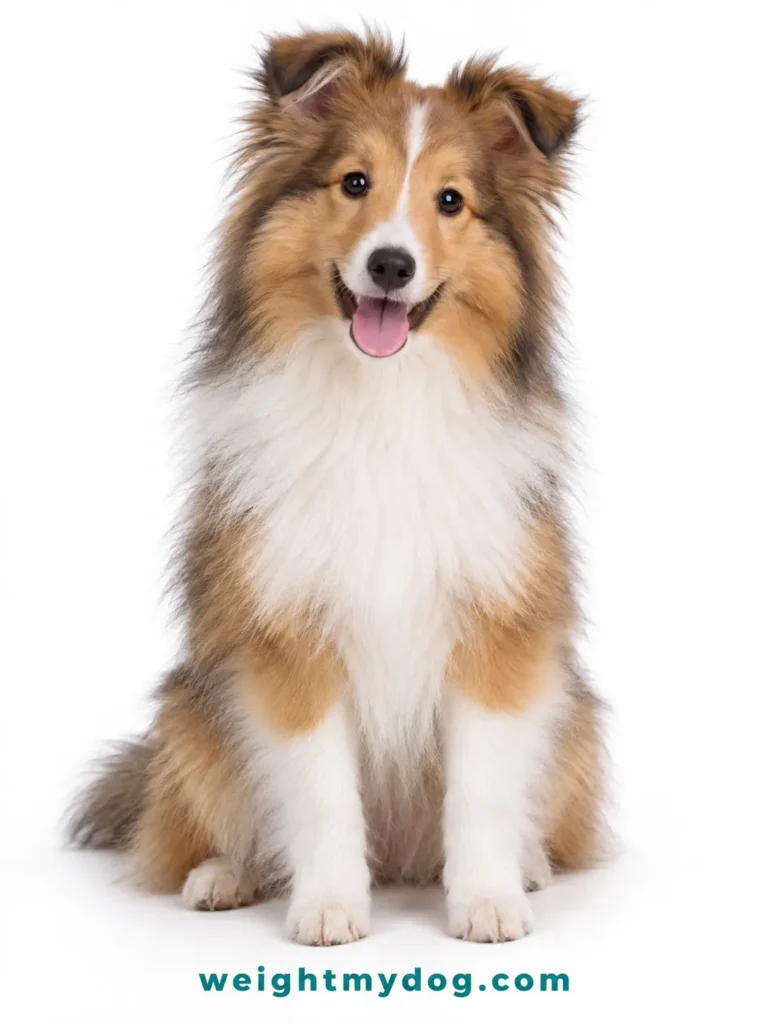
The Shetland Sheepdog is a remarkable herding breed originating from the Shetland Islands, shaped by windswept conditions and harsh climate for over a century and a half. These dogs were bred alongside hardy ponies and sheep by island farmers who needed agile, compact companions. Understanding weight and height from puppyhood to maturity is essential for every responsible owner.
Most new owners underestimate how dramatically a Sheltie puppy can change during the first 12 months. Tracking growth with tools like a Nobel Growth Chart or estimated puppy weight calculator helps owners plan nutrition and exercise precisely. The journey from newborn to fully grown involves several distinct phases worth knowing deeply.
Using a weight chart early allows owners to identify health issues, variation, and deviation from typical growth patterns. A Shetland Sheepdog puppy weighing around 5.57 lbs at 8 weeks old follows a predictable but individual trajectory. Tracking these weight progressions monthly ensures your Sheltie develops healthy bone development and strong muscles appropriately.
The adult size of a Shetland Sheepdog is influenced by genetics, diet, gender, and exercise habits. A reliable dog weight estimator can serve as a helpful guide, though it isn’t 100% accurate since individual dogs vary. Knowing your Sheltie’s expected adult height and body weight helps with everything from collar sizing to food requirements.
Working with a professional breeder or veterinarian from the start provides a roadmap for your Sheltie puppy’s development. Reputable breeders from Scotland, Canada, United States, and the UK maintain detailed pedigrees and family lines to help predict adult size. These lines carry size genes that significantly affect your dog’s finished size.
Every Shetland Sheepdog deserves regular veterinary attention and a balanced diet to support healthy growth. Whether you’re monitoring weight lbs or height cm, consistent measurements and vet checkups create the foundation for a happy canine companion. This guide covers everything from potty training to coat care with breed-specific needs at the forefront.
Shetland Sheepdog Weight Calculator
| Age | ♂ Male (Expected) | ♀ Female (Expected) | Your Dog |
|---|
How to use the Shetland Sheepdog Weight Calculator
Get your Shetland Sheepdog's ideal weight in under 10 seconds. No account needed.
Enter your dog’s details
Enter your Shetland Sheepdog's current age, weight, and gender. Works in both lbs and kg — supports weeks, months, and years.
Get your instant weight results
See your Shetland Sheepdog's predicted adult weight range, current ideal weight, visual growth chart, and health status — instantly calculated.
Check your dog’s health status
Find out if your Shetland Sheepdog is underweight, ideal, or overweight based on - verified breed standards — and get a personalised feeding guide.
Male Shetland Sheepdog Weight and Height Chart by Age
| Age | Male Weight | Male Height |
|---|---|---|
| 4 Weeks (1 Month) | 1 – 3 lbs (0.45 – 1.36 kg) | 2 – 4 in (5.1 – 10.2 cm) |
| 2 Months (8 Weeks) | 3 – 5 lbs (1.36 – 2.27 kg) | 4 – 6 in (10.2 – 15.2 cm) |
| 3 Months | 5 – 8 lbs (2.27 – 3.63 kg) | 6 – 8 in (15.2 – 20.3 cm) |
| 4 Months | 8 – 11 lbs (3.63 – 4.99 kg) | 8 – 10 in (20.3 – 25.4 cm) |
| 5 Months | 10 – 13 lbs (4.54 – 5.90 kg) | 9 – 11 in (22.9 – 27.9 cm) |
| 6 Months | 12 – 15 lbs (5.44 – 6.80 kg) | 10 – 12 in (25.4 – 30.5 cm) |
| 7 Months | 13 – 17 lbs (5.90 – 7.71 kg) | 11 – 13 in (27.9 – 33.0 cm) |
| 8 Months | 14 – 18 lbs (6.35 – 8.16 kg) | 12 – 14 in (30.5 – 35.6 cm) |
| 9 Months | 15 – 19 lbs (6.80 – 8.62 kg) | 12 – 14 in (30.5 – 35.6 cm) |
| 10 Months | 16 – 20 lbs (7.26 – 9.07 kg) | 13 – 15 in (33.0 – 38.1 cm) |
| 11 Months | 17 – 21 lbs (7.71 – 9.53 kg) | 13 – 15 in (33.0 – 38.1 cm) |
| 12 Months | 18 – 22 lbs (8.16 – 9.98 kg) | 13 – 16 in (33.0 – 40.6 cm) |
| 18 Months (Adult) | 20 – 25 lbs (9.07 – 11.34 kg) | 13 – 16 in (33.0 – 40.6 cm) |
| 24 Months (Full Grown) | 20 – 25 lbs (9.07 – 11.34 kg) | 13 – 16 in (33.0 – 40.6 cm) |
Female Shetland Sheepdog Weight and Height Chart by Age
| Age | Female Weight | Female Height |
|---|---|---|
| 4 Weeks (1 Month) | 1 – 2 lbs (0.45 – 0.91 kg) | 2 – 3 in (5.1 – 7.6 cm) |
| 2 Months (8 Weeks) | 2 – 4 lbs (0.91 – 1.81 kg) | 3 – 5 in (7.6 – 12.7 cm) |
| 3 Months | 4 – 7 lbs (1.81 – 3.18 kg) | 5 – 7 in (12.7 – 17.8 cm) |
| 4 Months | 7 – 10 lbs (3.18 – 4.54 kg) | 7 – 9 in (17.8 – 22.9 cm) |
| 5 Months | 9 – 12 lbs (4.08 – 5.44 kg) | 8 – 10 in (20.3 – 25.4 cm) |
| 6 Months | 11 – 14 lbs (4.99 – 6.35 kg) | 9 – 11 in (22.9 – 27.9 cm) |
| 7 Months | 12 – 15 lbs (5.44 – 6.80 kg) | 10 – 12 in (25.4 – 30.5 cm) |
| 8 Months | 13 – 16 lbs (5.90 – 7.26 kg) | 11 – 13 in (27.9 – 33.0 cm) |
| 9 Months | 14 – 17 lbs (6.35 – 7.71 kg) | 11 – 13 in (27.9 – 33.0 cm) |
| 10 Months | 15 – 18 lbs (6.80 – 8.16 kg) | 12 – 14 in (30.5 – 35.6 cm) |
| 11 Months | 15 – 19 lbs (6.80 – 8.62 kg) | 12 – 14 in (30.5 – 35.6 cm) |
| 12 Months | 16 – 20 lbs (7.26 – 9.07 kg) | 12 – 15 in (30.5 – 38.1 cm) |
| 18 Months (Adult) | 18 – 22 lbs (8.16 – 9.98 kg) | 13 – 15 in (33.0 – 38.1 cm) |
| 24 Months (Full Grown) | 18 – 22 lbs (8.16 – 9.98 kg) | 13 – 15 in (33.0 – 38.1 cm) |
Puppy Growth Chart And Official AKC Breed Weight Standard
| Breed Size | 8 Weeks | 3 Months | 4 Months | 6 Months | 1 Year |
|---|---|---|---|---|---|
| Toy | 0.9 – 1.8 kg | 1.4 – 2 kg | 2 – 2.5 kg | 2.5 – 3 kg | 3 – 5.5 kg |
| Small | 1.5 – 3 kg | 3 – 5 kg | 4 – 7 kg | 6 – 9 kg | 6 – 11 kg |
| Medium | 3 – 5 kg | 5 – 8 kg | 8 – 13 kg | 10 – 18 kg | 11 – 23 kg |
| Large | 5 – 9 kg | 9 – 12 kg | 12 – 20 kg | 18 – 30 kg | 23 – 45 kg |
| Giant | 7 – 12 kg | 12 – 18 kg | 18 – 28 kg | 28 – 40 kg | 45 – 70 kg |
Shetland Sheepdog Breed Overview
The Shetland Sheepdog was officially recognized by the AKC in 1909 and ranked 156th among 183 breeds in popularity. Originally called the Shetland Collie, the breed faced opposition from Rough Collie breeders before being renamed. The English Shetland Sheepdog Club and Scottish Shetland Collie Club shaped breed standards throughout the 1800s and early 1900s.
The breed descends from full-sized Collies crossed with English Toy Spaniels and Papillons, creating their refined head and intelligent expression. By 1923, American bred dogs were competing under the American Shetland Sheepdog Association, which formalized AKC breed standards. The English Kennel Club and Shetland Collie Club each played distinct roles in shaping the distinct breed we recognize today.
Shelties are classified in the herding group and remain beloved family companion dogs worldwide. Their fox-like face, glossy double coat, and graceful, symmetrical build make them a unique looks breed within the herding dogs category. The breed characteristics include a refined build, agile movement, and compact stature suited for smaller farm animals.
As farm watchdogs and herding dogs, Shelties were bred to herd sheep and cattle across rugged terrain. Their personality attributes include being alert, intelligent, affectionate, and occasionally reserved around strangers. These traits make them biddable dogs that excel in obedience, agility, and dog sports with food motivated drive.
Historically, Shelties were favored by farmers on the coast of Scotland for their energetic, active work ethic. The Shetland Islands’ harsh environment produced a sturdy yet longhaired dog with a denser coat than full-sized Collies. Line crossing with Collie genes and Pow breeding techniques created the second generation of refined Shetland Sheepdogs seen in 1934 and beyond.
Today’s Shelties are consistently described as smart, playful, curious, and deeply loyal to their families. They rank highly among dog enthusiasts for high intelligence and responsiveness, making them naturals in agility trial competitions. The American Shetland Sheepdog Association continues to uphold breed-specific needs for all registered dogs across Open dogs and Specials categories.
Size & Height
The AKC size standard specifies 13-16 inches at the withers as the ideal height for Shetland Sheepdogs. Measurement is taken from the highest point of the shoulder blades using an adjustable wicket on a hard level surface. Dogs outside accepted height range receive a serious fault or absolute disqualification depending on how far they deviate.
Height classifications within the breed include Limit dogs, Novice dogs, Open dogs, Specials, Open Bitches, Novice bitches, Limit Bitches, and American Bred Bitches. Males typically measure 13.5-16 inches while females average 13-15 inches at the shoulder. An iffy range exists around 15.5 inches and 14.5 inches where judges evaluate breed-specific needs carefully.
Oversize is defined as any Sheltie measuring over 16 inches, which constitutes disqualification at ringside per AKC regulations. Conversely, undersize dogs measuring under 13 inches also face disqualification. The allowed size range and accepted adult size range reflect a commitment to maintaining the petite stature that defines this distinct breed.
The height cm equivalents range from 33-38.1 cm for females and 34.3-40.6 cm for males. More precise ranges include 35.6-43.2 cm for larger males and 27.9-33 cm for smaller females. Using a yardstick or measuring tape from the 0 inch mark at floor level to the withers ensures precise weight and height documentation.
Height should always be measured in natural position with front legs vertical and front legs parallel. The shoulder measurement point sits at the base of neck where the shoulder meets the neck. Some Sheltie lines trend toward taller or shorter builds based on parent strain and size genes from bigger parents or female counterparts.
Height variation within a litter is completely normal, as genetics from the biggest parent and gender significantly influence outcomes. Judges at agility trial events use the guillotine standard for height classification, placing fit shelties into appropriate size class groups. Tracking height inches and height cm throughout growth phases puppies ensures no potential oversize concerns go unaddressed.
Weight
Shetland Sheepdog weight typically ranges from 14.3-26.5 lbs (6.4-10 kg) for adult specimens, though significant size variations exist. Males generally weigh 16-24 lbs while bitches average 12-18 lbs depending on genetics and diet. The weight standard isn’t officially mandated by AKC since height is the primary breed standard metric.
Weight kg ranges for Shetland Sheepdogs typically span 5.4-7.3 kg for smaller females and 7.3-10.9 kg for larger males. Community-tracked average weights show female average around 14.11 lbs and male average near 19.40 lbs at 12 months. The Nobel Size Chart and Sea Isle Growth Chart provide reliable guide frameworks for individual weight tracking.
Body weight monitoring matters because obesity and underfeeding both pose health issues for Shelties. A layer of fat over the ribs indicates overweight conditions, while visible hip bones signal underweight concerns. Maintaining healthy weight requires balancing calories, high-quality proteins, fats, and minerals in the diet appropriately.
The weight lbs of Shetland Sheepdog puppies follows a predictable trajectory: a two-month-old puppy weighs approximately 5.57 lbs, growing to 10.58 lbs by 4 months. By 6 months, most puppies reach 14.11 lbs, and by 8 months approximately 19.40 lbs. Final adult size stabilizes between 12-24 months depending on gender and individual genetics.
Weight fluctuation during growth is entirely normal for Shelties, particularly during rapid periods of growth at 3-7 month period. A 0.5-1 lbs weekly gain is healthy, while sudden weight loss or sudden weight gain warrants immediate vet attention. Body makeup and body weight at maturity reflect the cumulative impact of nutrition, exercise, and genetic factors.
Precise weight tracking using weight charts from the Nobel chart or Pow Line chart helps owners compare their Sheltie’s progress against approximate averages. The dog weight estimator tools available online use current age, gender, and weight to project final weight range. Always verify estimate accuracy with your veterinarian since exact science in weight prediction remains speculative without knowing adult size benchmarks.
When Does a Sheltie Stop Growing?
Shetland Sheepdogs typically reach full height between 10-12 months, though full physical maturity including body weight and muscles continues until 18-24 months. Unlike giant breeds that mature beyond 2-3 years old, Shelties as small to medium-sized dogs complete most physical growth within the first year. The skeletal maturity timeline is shorter than large breeds but longer than small dog breeds.
Growth rate slows dramatically after 9 months, when most Shelties have achieved their adult height. Between 12-18 months, the dog continues fill out, developing chest circumference, body length, and muscles to reach full physical maturity. Some individual dogs from larger breed Sheltie lines may continue filling out until 2 years old.
The growth trajectory follows a consistent pattern: rapid growth from 8 weeks to 6 months, followed by slow growth from 6-11 months range, then slows down considerably after 12 months. Technically puppies until 2 years old, Shelties undergo mental growth and social maturity even after physical growth plateaus. Understanding this developmental timeline helps owners provide age-appropriate exercise and nutrition.
Males tend to stop growing in height around 11-13 months while females often reach adult height closer to 9-11 months. Male dogs continue gaining body weight and muscle for several additional months after height stabilizes. Female dogs who are spayed early may experience altered growth patterns due to hormonal development changes.
Finishing size for Shetland Sheepdogs can be influenced by desexing timing, as early-spayed or neutered dogs sometimes grow slightly taller due to delayed skeletal maturity signals. Timing of desexing is therefore a consideration for breeding decisions and growth outcomes. Most vet professionals now weigh breed-specific needs and growth factors before recommending spay or neuter timing.
After 24 months, a Shetland Sheepdog is considered fully mature in every sense, having completed mental growth, social maturity, and physical growth. The adult dog at this stage should weigh within the healthy weight range and stand within the official height range. Continuing regular veterinary attention and balanced diet maintains healthy lives well into their 12-14 years life expectancy.
Factors Affecting the Size of Shelties
Genetics is the single most powerful factor affecting Sheltie size, with size genes inherited from both parents. Bigger parents generally produce larger offspring, while smaller parent strain dogs create petite descendants. Family lines, pedigrees, and Sheltie lines all carry genetic blueprints that determine adult size with considerable predictability.
Nutrition plays a critical role in whether Shelties reach their full physical maturity appropriately. Overfeeding leads to obesity and joint disorders while underfeeding causes stunt growth and healthy bone development failure. Providing high-quality puppy food with adequate nutrition, animal proteins, vitamins, and omega fatty acids supports healthy development throughout growth phases puppies.
Health issues including hypothyroidism, thyroid conditions, chronic illnesses, and intestinal parasites like worms, ticks, and parasites can significantly affect growth rate. Genetic diseases such as hip dysplasia, elbow dysplasia, and dermatomyositis may alter physical growth trajectories in individual dogs. Regular vet checkups and DNA tests help identify pre-existing health conditions that could impact size.
Exercise habits during puppyhood affect muscle development and overall body weight at maturity. Intense physical activities during developing joints phases can cause joint disorders or growing joints injury. Breed-appropriate exercise that avoids excessive jumping and rough play protects bones while still building strong muscles and coordination.
Gender significantly affects Sheltie size, with males consistently larger than female counterparts. Hormonal development differences between intact and neutered or spayed individuals also influence body makeup and growth. Neutering or spaying before skeletal maturity can alter bones density and body length compared to intact dogs.
Environmental factors like regular activity, sleep, and mental enrichment contribute to overall healthy development. Dogs kept in confined space without physical enrichment may develop anxious behaviors or destructive behavior affecting overall health. Breed-specific needs for active, physically active enrichment ensure Shelties develop their characteristic agile, energetic adult form.
How Big Will My Shetland Sheepdog Be When Fully Grown?
Predicting adult size for a Sheltie puppy involves using the estimated puppy weight calculator alongside growth charts and parent measurements. The rule of thumb for small to medium breed puppies is to double weight at 4 months or triple weight at 3 months for a rough indicator of final weight. These general guidelines work as a helpful guide but aren’t 100% accurate due to individual variations.
The Nobel Size Chart and Sea Isle chart are the most reliable guide resources for Shetland Sheepdog growth prediction. The Pow Line chart and oldest chart systems dating to 1952 provide historical benchmarks for average heights and average weights. Cross-referencing multiple growth charts gives a more accurate estimate than relying on a single size column.
Genetics from parents provides the best prediction framework for Sheltie finished size. If both parents fall within the 13-16 inches AKC size standard, offspring are highly likely to remain within the allowed size range. However, recessive traits from family lines can occasionally produce potential oversize or undersize offspring even from fit shelties parents.
Paw size serves as a rough indicator of adult size, though this method is speculative for Shelties specifically. Large paws relative to body may suggest a bigger adult frame, but Sheltie paw proportions don’t follow the same patterns as large breeds. More reliable methods involve tracking growth rate against the Nobel Growth Chart at 6 months and 9 months intervals.
Community weight data from 133 Shelties tracked between 2011-2015 showed male average weights of 21.38 lbs at 12 months and female average of 17.20 lbs. These approximate averages help potential owners set realistic expectations for their individual dog’s finished size. Individual growth variation of up to 3-4 inches in height is considered within healthy variations for the breed.
By 14 months, most Shetland Sheepdogs have reached 99% of their final weight and adult height. A Sheltie measuring 13.5 inch ideal at 12 months likely represents a finished growing dog within the breed standard. Any significant concern about size falling outside accepted height range should be discussed with a professional breeder or veterinarian familiar with breed characteristics.
How to Measure Your Sheltie
Accurate measuring of your Shetland Sheepdog requires a measuring tape, a yardstick, and a hard level surface for consistent results. Position your Sheltie in natural position with front legs straight and front legs vertical to the ground. The withers measurement runs from the 0 inch mark at the floor to the highest point of the shoulder blades.
For weight, use a scale and record in both weight lbs and weight kg to cross-reference with weight charts. Two measurements taken at monthly intervals give a clearer growth rate picture than single readings. Keep a catalog of measurements alongside age, diet, and health notes for your vet to review during regular veterinary attention visits.
Neck circumference measurement helps ensure proper collar and harnesses fit as your Sheltie grows through growth phases puppies. Measure at the base of neck using a measuring tape with one finger of clearance for comfortable fit. Chest circumference at the widest part behind the front legs ensures harnesses fit safe and comfortable throughout development.
Height in cm and inches should both be recorded using the adjustable wicket method used by judges at agility trial events. Stand your Sheltie on a wall for standing height verification against a yardstick. Record both shoulder height and average shoulder height across multiple measurements for the most accurate estimate of adult height.
Withers measurement using an adjustable wicket ensures consistency that measuring tape alone may miss due to coat thickness. Regular brushing before measuring prevents coat interference with accurate height readings. Some professional breeder experts recommend measuring in morning before exercise when muscles are relaxed and body posture is most consistent.
For body weight tracking, weigh your Sheltie at the same time daily or weekly and record in a weight chart. Document weight kg and weight lbs alongside age in months for easy cross-reference with growth charts. Any sudden weight loss or sudden weight gain of more than 0.5-1 lbs within a week warrants vet consultation immediately.
Historical Size Standards
The 1909 formation of the English Shetland Sheepdog Club established the first formal breed standard that addressed size for Shetland Sheepdogs. Early standards were debated extensively as Rough Collie breeders opposed miniaturization, and the Scottish Shetland Collie Club pushed for distinct breed characteristics. The 1923 revision brought American bred dogs under unified AKC standards for the first time.
By 1929, the AKC formally recognized 13-16 inches as the official height range, replacing earlier inconsistent two sets of limits used by English Kennel Club and American Shetland Sheepdog Association. This accepted adult size range has remained virtually unchanged, demonstrating the breed’s consistent size identity over nearly a century and a half of recorded history. The 1934 refinement added disqualification language for dogs outside accepted height range.
The 1952 and 1965 revisions updated breed standard language around size limits and oversize definitions. Judges at ringside began using the adjustable wicket as the guillotine standard for height measurement around 1965, replacing subjective visual assessment. These historical changes reflect the breed community’s commitment to maintaining a specific size class despite line crossing pressures.
Shetland Sheepdog size through the 1800s was highly variable before formalized standards existed. Island farmers on the Shetland Islands valued function over form, breeding smaller dogs from hardy ponies-herding stock rather than for aesthetic breed standard compliance. The transition from working farm watchdogs to show dogs between 1908 and 1934 drove standardization of height expectations.
The 1986 and 1991-1999 periods saw increased data collection on Shetland Sheepdog size, with groups like the American Shetland Sheepdog Association compiling registered dogs height data. Studies from this era established the female average and male average benchmarks still referenced in Nobel Size Chart publications. 133 Shelties were formally measured during community surveys that shaped modern weight chart expectations.
Modern breed standard discussions increasingly address size genes and genetic testing for Sheltie breeders making breeding decisions. DNA tests now allow responsible breeders to identify genetic carrier status for size-affecting conditions. The historical trajectory from windswept island working dogs to standardized show dogs reflects a fascinating development in breed characteristics documentation.
Temperament & Trainability
Shetland Sheepdogs are among the most intelligent and responsive breeds, combining high intelligence with deep affection for families. Their herding breed instincts make them alert, curious, and sometimes anxious around unfamiliar people and strangers. Understanding their personality helps owners provide mental enrichment and social enrichment that prevents destructive behavior and anxiety-related behaviors.
Shelties are naturally tentative around new environments and strangers, requiring patient socialization during the critical early socialization period from 3-12 weeks. Without positive experiences during this formative months window, they may develop resource-guarding behaviors or baseline behavior problems. Rewarding education during early weeks creates well-adjusted adult dogs capable of handling dynamic environments.
The high energy and hyperexcitability characteristic of young Shelties often surprises new owners expecting a quiet, calm companion immediately. Adolescent stage behaviors including over-the-top excitement and bouncy play are normal for 6-12 months old Shelties. Channeling this drive into training sessions and physical enrichment produces confident, well-rounded companions.
Shelties excel at obedience with positive reinforcement including treats, praise, and affection as primary motivating tools. They are intensely food motivated and respond exceptionally well to high-quality food-based enrichment during training. Avoid punishment and scolding, as hyper-sensitive Shelties develop emotional withdrawal and fear responses that undermine the training relationship.
Agility, herding, and dog sports provide ideal outlets for Sheltie drive and intelligence. Reliable recall and consistent recalls are essential training goals for Shelties given their herding breed instinct to vocalize and bark at distractions. Building solid recall requires distraction-free environment work first, followed by gradually introducing distractions from dynamic environments.
Biddable dogs like Shelties thrive with engaging, patient owners who understand breed-specific needs for mental growth and synaptic connections development. Synaptic connections formed during formative months shape emotional resilience and personality attributes for life. Owners who invest in social engagements, new experiences, and physically active enrichment raise happy, well-rounded adult Shelties.
When Should I Start Training My Sheltie?
Training should begin the moment your Sheltie puppy arrives home, typically at 8 weeks old. The critical early socialization period from 3-12 weeks is when synaptic connections form most rapidly in the brain. This brain development window is optimal for introducing sounds, smells, tastes, textures, and new experiences positively.
Potty training and crate training should be introduced in the first few months using positive reinforcement exclusively. Punishment-free approaches during puppyhood build comfortable associations with crate, appropriate places, and bathroom routines. Using puppy pads initially then transitioning to outside bathroom appropriate places creates housebreaking success.
Basic obedience including settle cue, reliable recall, and word recognition starts in short training sessions of a couple of minutes during 8-10 weeks. Distraction-free environment practice establishes baseline behavior before introducing distractions like sounds, sights, and cafes or busy environments. Consistent recalls practiced daily build solid recall that holds even in dynamic environments.
The settle cue and settle cue reinforcement during adolescent stage between 6-12 months helps manage hyperexcitability and over-the-top energy. Training during this revved up phase requires patient, engaging sessions with frequent meals-timed rewards. Praise, treats, and play as rewards keep Shelties eager to learn without creating frustration.
Social engagements during formative months expose Shelties to people, strangers, dog breeds, and environments safely. Positive experiences with families, children, and visitor introductions during socialization period create confident adult behavior. The socialization window between 3-12 weeks and 4-16 weeks is biologically most impactful for well-adjusted adult outcomes.
Training should continue into 2 years old since Shelties maintain eager to learn attitude throughout development. Rewarding education using homemade treats, dog-safe vegetables like frozen carrots, and puppy toys keeps sessions engaging. Mental enrichment through obedience, agility, and reliable recall exercises creates happy canine companion behavior in human-dominated world settings.
Signs Your Shetland Sheepdog Is Underweight
An underweight Shetland Sheepdog shows visible ribs, hip bones, and shoulder blades without needing to apply pressure. Sudden weight loss exceeding 0.5-1 lbs within days represents a significant concern requiring immediate veterinarian evaluation. Underfeeding combined with growth demands during rapid growth phases creates healthy bone development failures in puppies.
Clinical signs of underweight include dull coat, skin lesions, lethargy, and reduced activity levels. Intestinal parasites including worms, ticks, and other parasites frequently cause underweight despite adequate food. Regular vet checkups with OFA screenings and CERF eye examinations help identify health issues driving weight loss in Shelties.
Genetic conditions including hypothyroidism, thyroid conditions, and chronic illnesses may prevent normal weight gain despite adequate nutrition. Genetic diseases like dermatomyositis affect skin and muscles, reducing the dog’s ability to gain muscle and maintain body weight. DNA tests and thyroid testing help diagnose these conditions before they cause serious stunt growth effects.
Sudden weight loss in adult Shelties warrants investigation for cancers, gallbladder mucus issues, or gallbladder mucoceles, which are breed-specific health risks in this species. Bile production abnormalities and gallbladder conditions can dramatically reduce body weight without obvious external clinical signs. Regular veterinary attention with blood work and urinary screening catches these health issue early.
Diet inadequacy including insufficient calories, lack of animal proteins, or grain-free diet imbalances may cause underweight in growing Shelties. Nutrient-dense meals with high-quality proteins, omega fatty acids, and vitamins provide adequate nutrition for healthy weight maintenance. Switching from less calorically-dense kibble to high-quality food with animal fat content often resolves underweight conditions.
Underweight Shelties during puppyhood may show clumsy movement, slow growth, and delayed adult teeth emergence. Missing teeth and dentition issues can indicate nutritional deficiency affecting overall development. Vet consultation with professional breeder input helps determine whether underweight reflects individual variation or a health issue requiring intervention.
Signs Your Shetland Sheepdog Is Overweight
An overweight Shetland Sheepdog has a layer of fat over the ribs that makes individual ribs difficult to feel without firm pressure. Visible obesity signs include a big size abdomen, reduced activity levels, and reluctance to exercise. The AKC size standard doesn’t specify weight, but body weight significantly beyond 25 pounds for females or 35 pounds for males warrants vet attention.
Overfeeding is the primary cause of obesity in Shelties, often driven by frequent meals with excessive calories and insufficient exercise. Treats exceeding 10% of daily caloric intake contribute significantly to weight fluctuation and eventual obesity. Dog-safe vegetables like frozen carrots serve as healthier alternatives to high-calorie chews and commercial treats.
Obesity in Shetland Sheepdogs increases risk of joint disorders, elbow dysplasia, hip dysplasia, and growing joints complications. Overweight dogs develop destructive behaviors from boredom and mental suffering when exercise is limited by joint issues. Regular activity and tailor exercise programs designed for breed-appropriate exercise help Shelties burn excess calories safely.
Weight monitoring through monthly weight chart tracking helps catch overweight trends before they become obesity. Comparing body weight against growth charts and weight charts reveals whether weight gain reflects filling out or overfeed patterns. Vet consultation using weight kg and weight lbs data against Nobel chart averages provides context for individual Sheltie assessment.
Overweight adult Shelties show uncomfortable movement, reluctance to exercise, and potentially anxious behaviors from joint discomfort. Reproductive cancers risk increases in intact overweight females, adding another reason to maintain healthy weight. Spayed or neutered Shelties are particularly susceptible to obesity due to hormonal metabolic changes.
Dietary intervention for overweight Shelties involves less calorically-dense adult food with measured portion control using a 1/2 cup or 3/4 cup serving guide. Moderate-fat diets with high-protein animal proteins and grain-based diet fiber help Shelties feel content while reducing caloric intake. Regular activity including walks, playtime, and mental enrichment accelerates healthy weight restoration.
When Will My Sheltie Calm Down?
Most Shetland Sheepdogs begin showing calm behavior patterns around 18 months to 2 years old, coinciding with social maturity. The adolescent stage from 6-18 months represents peak hyperexcitability and non-stop bouncy energy that challenges even experienced owners. Understanding that this biological reality is normal prevents frustration and inappropriate punishment during development.
Calming in Shelties correlates directly with mental growth and synaptic connections consolidation that occurs through 2 years old. Revved up behavior including barky, excited, and over-the-top reactions to sights and sounds gradually reduce as the brain matures. Providing mental enrichment, physical enrichment, and social enrichment accelerates this calming process naturally.
Shelties that remain loud, non-stop, and hyperexcitable beyond 3 years may have underlying anxiety-related behaviors or health issues. Destructive behaviors and resource-guarding behaviors in adult Shelties signal emotional needs aren’t being met through exercise and mental enrichment. Veterinarian consultation and professional behavioral assessment help address persistent anxious behaviors.
Sleep is critical during puppyhood as Shelties need naps throughout the day to support brain development and physical growth. Young dog energy naturally cycles between non-stop bouncy activity and deep naps, which is entirely normal. Disturbing naps or limiting sleep can increase hyperexcitability and anxious behaviors in developing Shelties.
Training is the single most effective tool for helping Shelties calm down on cue. Teaching settle cue during puppyhood creates a reliable calm state command throughout adulthood. Consistent training sessions using settle, quiet, and stay commands channel high energy into controlled, responsive behavior patterns.
Exercise habits profoundly affect Sheltie calm development across all life stage phases. Regular activity of 60-90 minutes daily reduces hyperexcitability by providing appropriate burn outlets for natural drive. Breed-appropriate exercise including agility, herding games, and regular play creates happy, calm Shelties by 2 years old.
Barking
Shetland Sheepdogs are legendary barkers among herding breed dogs, using their vocalize instinct as a primary communication tool. Their barkiness originates from farm watchdog duties where alerting farmers to intruders and sheep movement was essential. This herding breed characteristic means even well-trained Shelties will bark, woof, and yip in response to environmental stimuli.
Shelties bark at sights, sounds, strangers, and even smells that trigger their alert instincts. Loud barking episodes triggered by visitor arrivals, sounds from outside, and perceived distractions are normal Sheltie behavior. Teaching quiet and settle cue commands during training sessions gives owners effective tools to manage barkiness.
Excessive barking can indicate anxiety-related behaviors, mental suffering, boredom, or feeling lonely and left alone. Shelties left alone for extended hours without mental enrichment develop destructive behavior and non-stop barking as coping mechanisms. Providing safe space, den-like spaces, comfy mat, and puppy toys reduces anxiety-driven bark episodes.
Bark management through positive reinforcement training is significantly more effective than punishment or scolding. Rewarding education that marks quiet moments with treats and praise helps Shelties understand when vocalize behavior is inappropriate. Consistent training using word commands like quiet reduces barkiness while preserving natural alert instincts.
Noise sensitivity in Shelties means they bark at sounds humans barely notice, reflecting their high intelligence and herding breed alert wiring. Gradual socialization with sounds through positive experiences desensitizes Shelties to common environmental triggers. New experiences with cafes, busy streets, and dynamic environments during formative months build calm responses to previously distracting sights and sounds.
Barking management requires understanding that Shelties vocalize as part of their personality and breed characteristics, not as defiance. Patient, engaging training that teaches settle, quiet, and place commands creates reliable quiet behavior on cue. Responsible pet care includes managing bark expectations realistically, recognizing Shelties will always retain some barkiness as their bold, alert nature demands.
Health
Shetland Sheepdogs are generally healthy dogs with a life expectancy of 12-14 years, though breed-specific health risks require monitoring. The Canine Health Information Center (CHIC) maintains a CHIC number registry for Shetland Sheepdogs with cleared health testing. OFA certification for hip dysplasia, elbow dysplasia, and cardiac conditions is standard for responsible breeders.
Collie eye anomaly (CEA), also known as collie eye anomaly, is among the most common genetic diseases in Shetland Sheepdogs. Progressive retinal atrophy (PRA) and other eye disorders require annual eye examination by a board-certified ophthalmologist using CERF standards. DNA tests for CEA and PRA allow responsible breeders to avoid producing affected puppies.
MDR1 (multi-drug sensitivity) is a critical genetic mutation found in Shelties causing ivermectin and other drug toxicity. MDR1 testing via DNA tests is essential before any veterinarian administers medications that could be unsafe for affected Shelties. Genetic carrier dogs without symptoms can still pass MDR1 to offspring, making DNA tests essential for breeding decisions.
Von Willebrand’s disease (vWD), a blood clotting disorder, affects Shetland Sheepdogs with vWD carrier status. Dermatomyositis causes skin lesions and muscles inflammation in Shelties with genetic susceptibility. Hip dysplasia and elbow dysplasia screening via PennHIP and elbow radiograph and hip radiograph protocols protects breed health through responsible breeders screening programs.
Thyroid conditions including hypothyroidism affect Shelties more commonly than many breeds, impacting weight, coat health, and activity levels. Thyroid testing is recommended annually after 6 years old and should be part of regular veterinary attention protocols. Epilepsy, cancers, and reproductive cancers represent additional breed-specific health risks requiring regular vet checkups and DNA tests.
Gallbladder mucoceles and bile production disorders including gallbladder mucus conditions represent emerging health issue concerns in Shetland Sheepdogs. Urinary incontinence appears more frequently in early-spayed females, while reproductive cancers risk increases in intact females and males. Balancing timing of desexing against these health issue risks requires individualized veterinarian guidance for each Shetland Sheepdog.
Coat Care & Shedding
The Shetland Sheepdog’s exquisite coat is a glossy double coat featuring a denser coat undercoat and rough-coated outer layer that requires regular brushing to maintain coat health. Line brushing technique, also called line-brush method, separates the coat section by section to prevent mat and tangle formation in the undercoat. Using a deshedding brush 3-4 times a week prevents mats from forming in the long furry coat.
Shelties blow coat seasonally, producing massive shed episodes during seasonal coat changes. Blow coat events occur approximately twice yearly and require daily brushing to manage the volume of hair follicles released. Deshedding tools help manage shed volume while regular grooming maintains coat texture and coat quality between blow coat cycles.
Brushed regularly Shelties maintain healthier skin, reduced mat formation, and more glossy coat appearance year-round. Line-brush technique takes 30-60 minutes for a fully developed Sheltie coat, making regular maintenance essential. Professional breeder guidance on regular brushing frequency helps new owners establish sustainable coat care routines.
Coat health reflects overall nutrition and health, with omega fatty acids, animal fat, and high-quality proteins supporting glossy coat development. Healthy coat appearance depends on balanced diet providing vitamins and minerals specifically supporting hair follicles and skin health. Seasonal coat changes may cause coat texture variations that don’t reflect health issues but simply biological reality.
The undercoat of Shelties is softer than the harsh outer layer, creating the double coat structure that provides insulation against windswept conditions. Double coats require deshedding tools rather than shaving, as removing the outer layer damages hair follicles and skin protective function. Regular grooming also provides opportunity to check skin for ticks, skin lesions, or abnormal coat changes indicating health issues.
Coat development in Shetland Sheepdog puppies follows a predictable timeline, with profuse adult coat emerging fully between 12-18 months. Sheltie puppy coat appears wooly and softer than adult coat before transitioning to the glossy double coat of maturity. Understanding coat development prevents new owners from misinterpreting normal puppy coat transitions as health issue symptoms.
Ideal Diet / Nutrition Requirements for Maintaining a Healthy Weight
Shetland Sheepdog nutrition requires high-quality puppy food during growth phases puppies and adult food from 12-15 months onward. High-quality proteins from animal proteins sources including poultry, healthy meat, and fish should form the foundation of Sheltie diet. High-protein, moderate-fat diets with adequate minerals, vitamins, and omega fatty acids support healthy development and coat health.
Puppies require 3-4 times a day frequent meals of high-quality puppy food during the first 6 months. Between 6-12 months, feeding frequency reduces to twice daily as growth rate slows and caloric requirements stabilize. Adult Shelties thrive on two times per day nutrient-dense meals calibrated to body weight and exercise levels.
Calories requirements vary significantly between active Shelties in dog sports and less active family companion dogs. Easy keepers (Shelties that maintain weight on minimal food) require careful portion management using 1/2 cup to 3/4 cup adult food twice daily. Overfeeding causes obesity while underfeeding results in underweight conditions affecting bone and muscles development.
Commercial diet selection should prioritize animal proteins over grain-free diet formulations, as grain-based diet options provide important fiber and nutrients. Tinned food combined with kibble creates palatable, nutrient-dense meals appealing to food motivated Shelties. Avoid treat overload: treats should represent no more than 10% of daily calories for healthy weight maintenance.
Grain-free diet formulations have been associated with heart conditions in herding dogs and should be approached cautiously for Shetland Sheepdogs. Balanced diet including grain-based options provides bile acid support and gallbladder health protection relevant to breed-specific health risks. Veterinarian guidance on commercial diet selection ensures Shelties receive breed-specific needs appropriate nutrition formulations.
Omega fatty acids from fish oil support coat health, skin integrity, and joint function in adult Shelties. Joint supplements become important as Shelties age, supporting healthy joint development and reducing elbow dysplasia and hip dysplasia risk. Healthier alternatives to processed treats include frozen carrots, dog-safe vegetables, and homemade treats prepared without unsafe items or inappropriate ingredients.
Shetland Sheepdog Progression Milestones
Shetland Sheepdog development follows predictable milestones from newborn through full physical maturity at 2 years old. Newborn Shelties weigh approximately 2.5-5 kg and undergo rapid development of bones, muscles, and brain during 1-2 weeks. By 8 weeks, most Sheltie puppies are ready to bring home weighing between 3-5 lbs after completing initial socialization period.
Weight at key developmental milestones follows this community-tracked trajectory:
- 2 months: 5.57 lbs (2.5 kg) — tiny furballs beginning socialization
- 3 months: 6.83 lbs (3.1 kg) — entering rapid growth phase
- 4 months: 10.58 lbs (4.8 kg) — teething phase begins
- 5 months: 14.11 lbs (6.4 kg) — approaching halfway to adult size
- 6 months: 17.20 lbs (7.8 kg) — rapid physical growth continues
- 7 months: 19.40 lbs (8.8 kg) — adolescent stage intensifies
- 8 months: 21.38 lbs (9.7 kg) — approaching adult height
- 9 months: 22.93 lbs (10.4 kg) — near full height
- 10 months: 24.03 lbs (10.9 kg) — fill out phase begins
- 11 months: 24.91 lbs (11.3 kg) — near finished growing
- 12 months: 25.35 lbs (11.5 kg) — approaching full physical maturity
- 13 months: 25.79 lbs (11.7 kg) — filling out continues
- 14 months: 26.46 lbs (12 kg) — near adult size
Potty Training
Potty training begins when Sheltie puppies arrive home at 8 weeks old, leveraging their 3% instinct to avoid soiling den-like spaces. Using puppy pads initially then transitioning outside to appropriate places creates reliable housebreaking success within 2-3 months. Consistent crate training helps Shelties understand bathroom timing by respecting their bladder and bowels natural limits.
Bladder capacity in puppies equals roughly one hour per month of age, meaning a 3 months old Sheltie needs bathroom access every 3 hours. Accident-free progress requires patient, consistent schedules taking puppies outside every 2 hours during waking periods. Positive reinforcement with treats and praise immediately after appropriate places elimination builds reliable potty training patterns.
Puppy Food Transition
Transitioning from puppy food to adult food should begin around 12-15 months for Shetland Sheepdogs as growth rate slows. The transition takes 5-7 days, gradually increasing adult food portion while decreasing puppy food to prevent digestive upset. Adult food formulations are less calorically-dense than puppy food, helping prevent obesity as growth needs decrease.
High-quality puppy food provides excess calories appropriate for rapid growth but becomes inappropriate for mature Shelties with lower caloric needs. New owners should consult veterinarian or professional breeder guidance on best timing for puppy food transition based on individual growth rate. Life stage-appropriate nutrition ensures Shelties receive adequate nutrition without overfeeding risk during the transition period.
Losing Teeth
Sheltie puppies are born with 28 puppy teeth that begin fall out during the teething phase starting around 4 months old. Adult teeth (42 permanent teeth) emerge between 4-7 months, with retained deciduous teeth or missing teeth requiring veterinarian attention. Lance canines and overbites or underbites represent dentition issues that responsible breeders screen for in their lines.
Gum discomfort during teething phase makes Shelties seek chew opportunities on unsafe items and cardboard. Providing safe chews, puppy toys, and frozen carrots alleviates gum discomfort during adult teeth emergence. Chewing behavior that destroys beds, mats, and comfy mat items is normal during teething phase but requires appropriate chew toy redirection.
Spaying / Neutering
The safest age for spaying or neutering Shelties remains debated, with most veterinarian experts recommending 12-15 months as the best timing for this herding breed. Early-spayed and early-neutered Shelties show no increased risk for most conditions but may experience altered skeletal maturity timing. Timing of desexing affects hormonal development and influences final adult size and body length outcomes.
Spaying females eliminates reproductive cancers risk while neutering males reduces cancers risk and destructive behavior. The procedure carries safest outcomes when performed after 12 months when growth is substantially complete. Vet consultation considering individual health, genetics, breed-specific needs, and pre-existing health conditions guides the most appropriate timing of desexing decision.
Community Data: Sheltie Height/Weight at 5, 6 Months and Maturity
Community-collected data from 133 Shelties tracked between 2011-2015 provides valuable benchmarks for individual growth comparison. At 5 months, male average weight was 14.11 lbs while female average reached 10.58 lbs, showing consistent gender differences in growth rate. These approximate averages from registered dogs owners provide more realistic expectations than theoretical growth charts alone.
At 6 months old, community-tracked Sheltie puppies showed male average weights of 17.20 lbs and female average of approximately 14.3 lbs. Height at 6 months averaged 10-12 inches for females and 11-13 inches for males, placing most within the allowed size range. The Sea Isle Growth Chart and Nobel chart align closely with these community average heights at the 6 months checkpoint.
At maturity (12-24 months), community male average weights settled around 21-25 lbs while female average ranged 14-20 lbs across different Sheltie lines. Height at maturity showed males averaging 14-15 inches and females averaging 13-14 inches based on 133 Shelties measurement data. Individual variations within this community dataset ranged from 12-22 lbs for females and 16-26 lbs for males.
Growth rate data from community surveys revealed Shelties gain approximately 0.5-1 lbs weekly during rapid growth phases from 3-7 month period. Weight fluctuation of 0.2-0.45 kg between monthly measurements is normal and doesn’t indicate health issues. Community contributors noted gender differences in growth patterns persisted throughout development with males maintaining larger body weight consistently.
The community dataset revealed 50-60 pound Shelties exist in some lines, representing potential oversize individuals outside breed standard expectations. Individual dogs from larger breed Sheltie lines showed significant size variations that challenge the two sets of limits measurement approach. Responsible breeders use community data alongside Nobel Size Chart benchmarks for more accurate breeding decisions.
Sheltie rescue organizations and shelter dogs data contributed individual variations showing mixed lines often produce outside standard size individual Shelties. Community data from purebred Shelties versus shelter dogs revealed significant size variations attributable to unknown Collie genes or line crossing in non-purebred dogs. This real-world data reinforces that growth charts provide general guidelines rather than exact science predictions.
The Importance of a Puppy Weight Calculator
A puppy weight calculator or dog weight estimator transforms raw weight and age data into a roadmap for Sheltie development planning. The estimated puppy weight calculator helps new owners anticipate food requirements, exercise needs, and growth trajectories with remarkable accuracy. Tools like the Nobel Size Chart and Puppy Weight Predictor have become essential resources for Shetland Sheepdog owners and breeders.
Weight calculators using current age and precise weight can project final weight within a 3-5 lbs margin for most Shelties. The Puppy Weight Predictor accounts for gender, individual size class, and breed-specific needs to improve estimate accuracy. Cross-referencing dog weight estimator outputs with Nobel Growth Chart and Sea Isle chart data provides the most reliable guide to adult size prediction.
Breeders use puppy calculator tools to make breeding decisions informed by growth trajectory data from individual puppies. Growth charts generated from weight tracking help professional breeder experts identify slow growth, rapid growth, or deviation patterns early. Early identification of unusual growth rate changes allows veterinarian intervention before health issues affect finished size.
Puppy weight calculator accuracy improves when measurements are taken consistently on a hard level surface using the same scale. Monthly weight kg and weight lbs recordings entered into growth charts reveal individual growth trajectories against approximate averages. New owners who use weight chart tools consistently report greater confidence in managing Sheltie nutrition and exercise appropriately.
The estimated puppy weight calculator integrates multiple variables including genetics, gender, age, and diet to generate projections. Understanding these variables helps owners interpret calculator outputs realistically, recognizing predictions are helpful guide rather than exact science. Individual dog factors including health issues, parasites, and nutritional variation can shift actual growth away from predicted trajectories.
Responsible pet care includes using puppy weight calculator tools alongside regular vet checkups rather than replacing professional assessment. The dog weight estimator provides valuable between-visit monitoring that flags sudden weight loss or sudden weight gain for vet review. Combining calculator data with OFA, CERF, and Canine Health Information Center resources creates comprehensive development monitoring for Shetland Sheepdogs.
How Accurate Are Puppy Weight Calculators?
Puppy weight calculators are reliable helpful guide tools but cannot be 100% accurate due to individual biological variation. Growth charts based on approximate averages from 133 Shelties or larger datasets provide stronger accuracy than simple double weight or triple weight formulas. The exact science of weight prediction requires knowing genetics, parent adult size, and gender for meaningful estimate generation.
Most dog weight estimator tools achieve 85-90% accuracy for small to medium-sized dogs like Shetland Sheepdogs when measurements are taken consistently. Individual variations from breed-specific needs, health issues, and environmental factors can cause 3-5 lbs deviation from predicted final weight. Speculative predictions based on single weight readings are significantly less accurate than those using multiple monthly data points.
Growth rate inconsistencies during rapid periods of growth and slow growth phases can temporarily make calculator predictions appear inaccurate. Weight fluctuation during growth spurts creates spikes that calculator algorithms may interpret as unusual individual growth trajectories. Patient use of weight chart tools across 6-12 months of data provides more accurate adult size projections than short-term readings.
Calculator accuracy varies significantly between tools designed for giant breeds versus small breeds when applied to medium dog breed Shelties. Tools calibrated for small to medium breed puppies specifically show better accuracy for Shetland Sheepdog growth prediction. The Nobel Size Chart and Sea Isle chart represent the most Sheltie-specific frameworks with highest applicable accuracy.
Genetics-informed calculators that incorporate parent adult size data improve final weight prediction significantly. Knowing biggest parent height and weight allows calculator algorithms to refine individual Sheltie estimate precision. Professional breeder input on family lines and size genes provides the qualitative context that quantitative calculator tools alone cannot capture.
Responsible use of puppy weight calculator tools means treating outputs as general guidelines for nutrition and exercise planning rather than definitive adult size declarations. Veterinarian review of growth chart data alongside clinical signs assessment provides the most accurate individual dog development picture. Combining calculator tools with regular veterinary attention creates the most complete, reliable Sheltie growth monitoring system available.
Key Takeaways
Shetland Sheepdogs reach full physical maturity between 18-24 months, though adult height stabilizes closer to 12 months for most individuals. Weight ranges of 14.3-26.5 lbs and height of 13-16 inches define the accepted adult size range per AKC size standard. Tracking growth with weight charts, growth charts, and regular veterinary attention ensures healthy Sheltie development.
Genetics, nutrition, diet, gender, and exercise are the primary factors influencing adult size and healthy weight in Shetland Sheepdogs. Responsible breeders using DNA tests, OFA, PennHIP, and CERF screening protect breed health across generations. New owners benefit most from professional breeder guidance, estimated puppy weight calculator tools, and consistent monthly measurements throughout puppyhood.
Coat care, nutrition, training, and socialization during formative months create well-adjusted adult Shelties that thrive as family companion dogs. Regular brushing, balanced diet, breed-appropriate exercise, and positive reinforcement training form the four pillars of responsible pet care for Shetland Sheepdogs. A happy canine companion results from attentive owners committed to meeting breed-specific needs throughout every life stage.
Frequently Asked Questions — Shetland Sheepdog Weight
How Big Will My Sheltie Puppy Grow?
Most Sheltie puppies reach 13-16 inches in height and 14.3-26.5 lbs in weight at full physical maturity. Male dogs typically grow larger than female dogs, with males averaging 19-25 lbs and females averaging 14-20 lbs at adulthood. Genetics from parents remains the strongest predictor of finished size.
Using an estimated puppy weight calculator with current age and precise weight provides a rough indicator of adult size. Professional breeder guidance on family lines and parent adult size gives the most accurate estimate of how big your Sheltie will grow.
When Do Shelties Stop Growing?
Shetland Sheepdogs reach adult height between 10-12 months but continue fill out in body weight and muscles until 18-24 months. Skeletal maturity occurs earlier than full physical maturity, meaning weight gains continue after height stabilizes.
Males typically stop growing in height around 12-13 months while females reach adult height closer to 9-11 months. By 2 years old, all Shelties have achieved complete full physical maturity including mental growth and social maturity.
When Is the Dog Breed Shetland Sheepdog Fully Grown?
A Shetland Sheepdog is considered fully grown in height by 12 months and reaches complete adult size including body weight by 18-24 months. Technically puppies until 2 years old, Shelties undergo continued mental growth and social maturity development beyond physical plateaus.
Full physical maturity means the Sheltie’s bones, muscles, coat, and brain have all completed their development cycle. By 24 months, a Shetland Sheepdog is fully mature and should maintain healthy weight within breed-appropriate ranges.
How Much Does a Shetland Sheepdog Puppy Weigh?
A Shetland Sheepdog puppy at 8 weeks old typically weighs 3-5 lbs (1.4-2.3 kg), depending on gender and litter size. By 3 months, weight reaches approximately 6.83 lbs, growing to 14.11 lbs by 6 months of age.
Weight at 2 months is approximately 5.57 lbs for average Sheltie puppies of both genders. Individual puppy weight varies based on genetics, nutrition, and whether the puppy comes from larger or smaller Sheltie lines.
What Is the Average Weight of a Fully Grown Shetland Sheepdog?
The average weight of a fully grown Shetland Sheepdog is 14-26 lbs (6.4-11.8 kg), with males averaging 19-25 lbs and females averaging 14-20 lbs. Community data from 133 Shelties showed male average of 25.35 lbs and female average of approximately 17-19 lbs at maturity.
Individual weight variation is normal within the breed, with fit shelties ranging from 12 lbs to 35 pounds depending on Sheltie lines and body makeup. Healthy weight falls where ribs are easily felt but not visibly prominent, reflecting appropriate body weight for individual size.
What Is the Typical Size of a Shetland Sheepdog?
The typical size of a Shetland Sheepdog is 13-16 inches in height at the withers and 14-26 lbs in body weight. Males tend toward the larger end of this size range while females cluster in the low end to medium portion.
The AKC size standard defines 13-16 inches as the official height range, with outside accepted height range measurements resulting in serious fault or disqualification. General appearance reflects a compact, symmetrical, agile medium dog breed build appropriate for herding breed function.
What Is the Average Lifespan of a Shetland Sheepdog?
Shetland Sheepdogs have an average lifespan of 12-14 years, placing them among longer-lived medium-sized dogs. Healthy lives beyond 12-13 years are common in Shelties with regular veterinary attention, balanced diet, and appropriate exercise.
Life expectancy is influenced by genetics, breed-specific health risks, nutrition, and regular vet checkups throughout the dog’s life span. Shelties free from genetic diseases like hip dysplasia, collie eye anomaly, and MDR1 complications tend toward the upper end of life expectancy ranges.
How Often Should I Feed My Sheltie Puppy?
Sheltie puppies aged 8-16 weeks require 3-4 times a day frequent meals of high-quality puppy food to support rapid growth. Between 4-6 months, feeding frequency can reduce to 3 times daily, transitioning to twice daily by 6-9 months old.
Adult Shelties thrive on two times per day nutrient-dense meals with consistent portion sizes based on body weight and exercise levels. Veterinarian guidance on food requirements ensures caloric intake matches growth needs at each life stage.
What Should I Feed My Growing Sheltie for Optimal Health?
Growing Shelties need high-quality puppy food with animal proteins as the primary ingredient, supported by omega fatty acids, vitamins, and minerals. High-protein formulations from poultry, healthy meat, and fish provide adequate nutrition for bones, muscles, and coat health during development.
Grain-based diet options with balanced macronutrient profiles support gallbladder health and bile acid function relevant to breed-specific health risks. Avoid grain-free diet formulations without veterinarian guidance, as these have been linked to cardiac concerns in herding dogs.
Why Does My Sheltie Puppy Seem to Have Growth Spurts?
Growth spurts in Sheltie puppies reflect rapid periods of growth that occur cyclically during the 3-7 month period of development. During these growth bumps phases, puppies may appear clumsy, sleep more, and show increased appetite as bones and muscles expand rapidly.
Growth spurts are driven by hormonal development signals that trigger rapid growth in developing joints, limbs, and body length. Normal growth spurts lasting 5-7 days are completely expected, while unusual patterns lasting several months without slows down warrant vet consultation.
Is It Normal for My Sheltie Puppy to Be Clumsy?
Clumsy movement in Sheltie puppies is entirely normal during rapid growth phases when limbs, front legs, and bones grow faster than coordination and muscles can adapt. The brain needs time to build synaptic connections that coordinate physical movement with body proportions that change weekly.
Coordination improves significantly by 6-9 months as Shelties gain muscles and brain-body connection through regular play and physical enrichment. Clumsy puppies should avoid excessive jumping and rough play that could injure developing joints during this vulnerable growth phase.
How Can I Ensure My Sheltie’s Coat Grows Out Healthy?
A healthy coat on your Shetland Sheepdog requires regular brushing using line-brush technique 3-4 times a week and balanced diet rich in omega fatty acids. High-quality proteins, animal fat, and vitamins from nutrient-dense meals directly support hair follicles and skin health.
Regular grooming prevents mat and tangle formation in the undercoat while distributing natural oils for a glossy double coat appearance. Coat health reflects internal nutrition quality, making high-quality diet the foundation of exquisite coat development in Shelties.
When Will My Sheltie Puppy’s Ears Stand Up?
Sheltie puppy ears transition from soft, down position to semi-erect ears typically between 6-9 months old. Ears may fluctuate between erect and down positions during teething phase as calcium is redirected to adult teeth development.
Semi-erect ears are the breed standard for Shetland Sheepdogs, with ears that fully erect or fully down considered serious fault deviations. By 12 months, most Sheltie ears settle into their permanent semi-erect position as adult development completes.
How Much Exercise Does My Growing Sheltie Need?
Growing Shelties need breed-appropriate exercise that avoids intense physical activities and excessive jumping that could damage developing joints and growing joints. 30-45 minutes of regular activity daily through regular play and short walks is appropriate for puppies under 6 months.
Tailor exercise intensity increases gradually as Shelties approach 12 months and skeletal maturity reduces joint vulnerability. Adult Shelties thrive on 60-90 minutes of regular activity daily including agility, herding games, and mental enrichment activities.
Is It Normal for My Sheltie’s Weight to Fluctuate During Growth?
Weight fluctuation of 0.2-0.45 kg (0.4-0.9 lbs) between monthly measurements is entirely normal during Sheltie growth phases puppies. Individual growth includes natural variation cycles where growth rate briefly plateaus before accelerating through growth spurts.
Weight fluctuation exceeding 1 lbs within days or sudden weight loss without explanation warrants vet consultation to rule out health issues. Normal weight fluctuation during growth reflects biological reality of bone, muscle, and organ development occurring at different rates.
Why Are My Sheltie’s Adult Teeth Growing in When Puppy Teeth Are Still Present?
Retained deciduous teeth — puppy teeth that don’t fall out when adult teeth emerge — are a documented dentition issue in Shetland Sheepdogs. This overlap between 28 puppy teeth and emerging 42 permanent teeth can cause gum discomfort, overbites, or underbites if left unaddressed.
Veterinarian removal of retained deciduous teeth during spaying or neutering procedure is the most common solution to this dentition issue. Responsible breeders screen for retained deciduous teeth and missing teeth patterns within lines to minimize this genetic predisposition.
Can I Train My Sheltie While They’re Still Growing?
Training should absolutely begin during growth — the critical early socialization period from 3-12 weeks is the optimal window for brain learning. Positive reinforcement using treats, praise, and play creates lasting synaptic connections that form the foundation of reliable recall and obedience throughout adulthood.
Sheltie puppies are eager to learn and food motivated, making early training sessions of 2-3 minutes highly effective during growth phases. Training during growth should avoid excessive jumping activities that strain developing joints while focusing on settle cue, recall, and positive experiences.
Are Joint Supplements Beneficial for Growing Shelties?
Joint supplements containing omega fatty acids, glucosamine, and chondroitin support healthy joint development in growing Shelties particularly during rapid growth phases. Growing joints benefit from joint supplements when diet alone doesn’t provide sufficient nutrients for bones and cartilage development.
Veterinarian guidance is essential before starting joint supplements for Shetland Sheepdog puppies, as excess minerals can disrupt balanced bone development. Breed-specific joint supplements designed for small to medium-sized dogs provide appropriate dosage for Sheltie developing joints without health issue risk.
When Will My Sheltie’s Coat Fully Develop?
The adult coat of a Shetland Sheepdog reaches full profuse development between 12-18 months of age, transitioning from wooly puppy texture to the characteristic glossy double coat. Coat texture and coat quality continue refining until 2 years old when full physical maturity is complete.
Seasonal coat changes and blow coat events may initially make coat development appear inconsistent during the first year. Regular brushing and omega fatty acids in the diet accelerate healthy adult coat development by nourishing hair follicles throughout growth.
Do Male and Female Shelties Grow at the Same Rate?
Male and female Shelties follow similar growth rate trajectories but with consistent gender differences: males grow larger and may take 1-2 months longer to reach adult height than female counterparts. Females typically reach adult height around 9-11 months while males continue growing until 12-13 months.
Weight differences between male and female dogs persist throughout adulthood, with males averaging 5-8 lbs heavier than females from the same litter. Hormonal development differences between intact, neutered, and spayed individuals create additional individual variations in growth rate timing.
Is Crate Training Beneficial for My Growing Sheltie?
Crate training provides Sheltie puppies with den-like spaces that satisfy their natural den instinct, reducing anxiety-related behaviors and destructive behavior when left alone. A properly sized crate with a comfy mat and safe space environment helps puppies develop bladder and bowels control through housebreaking.
Crate use during confinement periods teaches Shelties comfortable independent rest, preventing separation anxiety and lonely behavioral problems. Crate training with door open access after initial training creates a quiet space Shelties voluntarily choose throughout adulthood.
How Can I Ensure My Sheltie’s Bones Develop Properly?
Healthy bone development in Shelties requires adequate nutrition with calcium, phosphorus, and vitamins from high-quality puppy food calibrated for small to medium breed puppies. Avoiding overfeeding and underfeeding during rapid growth prevents bone density problems that affect adult skeletal maturity.
Breed-appropriate exercise that avoids intense physical activities protects bones and developing joints from injuries during growth phases puppies. Regular vet checkups with hip radiograph and elbow radiograph screening through OFA and PennHIP protocols ensures healthy joint development throughout growth.
Why Does My Sheltie Puppy Sleep So Much?
Sheltie puppies sleep 16-18 hours daily because sleep is when growth hormone is released, supporting bones, muscles, and brain development. Naps throughout the day are biologically essential for rapid growth and synaptic connections formation during formative months.
Young dog sleep patterns normalize as Shelties reach 6-12 months and transition to adult activity-rest cycles. Disturbing naps consistently can increase hyperexcitability and anxious behaviors by preventing complete brain consolidation during development.
When Is the Right Time to Spay/Neuter My Sheltie Puppy?
Veterinarian guidance generally recommends spaying or neutering Shelties around 12-15 months to allow skeletal maturity before hormonal development alteration. Early-spayed or early-neutered Shelties may grow slightly taller due to delayed growth plate closure signals.
The best timing for spay or neuter procedure balances reproductive cancers prevention against hormonal development benefits of intact growth. Timing of desexing should be individualized based on individual health, genetics, gender, and breed-specific needs with veterinarian guidance.
How Can I Socialize My Sheltie Puppy During Their Developmental Stages?
Socialization during the critical early socialization period (3-12 weeks) involves controlled exposure to people, strangers, dog breeds, sounds, smells, textures, and sights in positive experiences contexts. Social engagements with families, children, and new owners during this window build confident, well-rounded adult Shelties.
Gradual exposure to dynamic environments, cafes, busy streets, and social enrichment activities creates well-adjusted adult behavior. Positive reinforcement during new experience introductions ensures Shelties associate strangers, sounds, and environments with happy, safe outcomes.
How Often Should I Weigh My Puppy?
Monthly weighing provides sufficient growth rate tracking for most Sheltie puppies during normal development. During rapid growth phases from 3-6 months, weekly weighing helps catch sudden weight loss or sudden weight gain patterns early.
Recording weight kg and weight lbs consistently at the same time of day ensures comparable measurements for growth charts. Veterinarian monthly checkups during the first year typically include weight recording, supplementing owner weight chart tracking at home.
How Big Will My Puppy Get?
Puppy adult size prediction uses the estimated puppy weight calculator with current age, weight, gender, and parent adult size inputs. The double weight at 4 months or triple weight at 3 months rule of thumb provides a rough indicator for small to medium breed puppies like Shelties.
Genetics from parents and family lines remains the most accurate estimate source for final weight and adult height prediction. Consulting a professional breeder familiar with the puppy’s Sheltie lines and pedigrees provides the most contextually accurate finished size expectation.
What Factors Affect Puppy Growth Rate?
Puppy growth rate is influenced by genetics, nutrition, diet, gender, exercise habits, health issues, and environmental factors. Genetic blueprints from parents set the ceiling for adult size, while nutrition and health determine how fully that potential is realized.
Parasites, chronic illnesses, thyroid conditions, and intestinal parasites can significantly reduce growth rate by interfering with nutrient absorption and caloric utilization. Regular vet checkups and DNA tests identify health factors affecting individual growth before they cause lasting development impacts.
Can a Puppy’s Paw Size Determine Their Final Size?
Paw size serves as a rough indicator of adult size for large breeds but is significantly less reliable for Shelties as small to medium-sized dogs. Large paws relative to body suggest a bigger adult frame, but Sheltie paw proportions don’t follow the same speculative scaling rules as giant breeds.
More accurate adult size prediction for Shelties uses growth charts, parent adult size, and estimated puppy weight calculator tools rather than paw assessment. Professional breeder familiarity with family lines and size genes provides more reliable finished size prediction than paw size observation alone.
When Do Puppies Stop Growing?
Shetland Sheepdog puppies reach adult height between 10-12 months and complete full physical maturity including body weight and muscles by 18-24 months. Skeletal maturity occurs before full physical maturity, meaning weight continues increasing after height stabilizes.
Small breeds finish growing faster than large breeds and giant breeds, with Shelties as small to medium-sized dogs following a 12-18 month complete growth timeline. By 2 years old, all developmental milestones including coat, brain, and social maturity are complete for Shetland Sheepdogs.
Table of Contents
Toggle