
Free Shiba Inu Weight Calculator — Puppy Growth Chart by Age
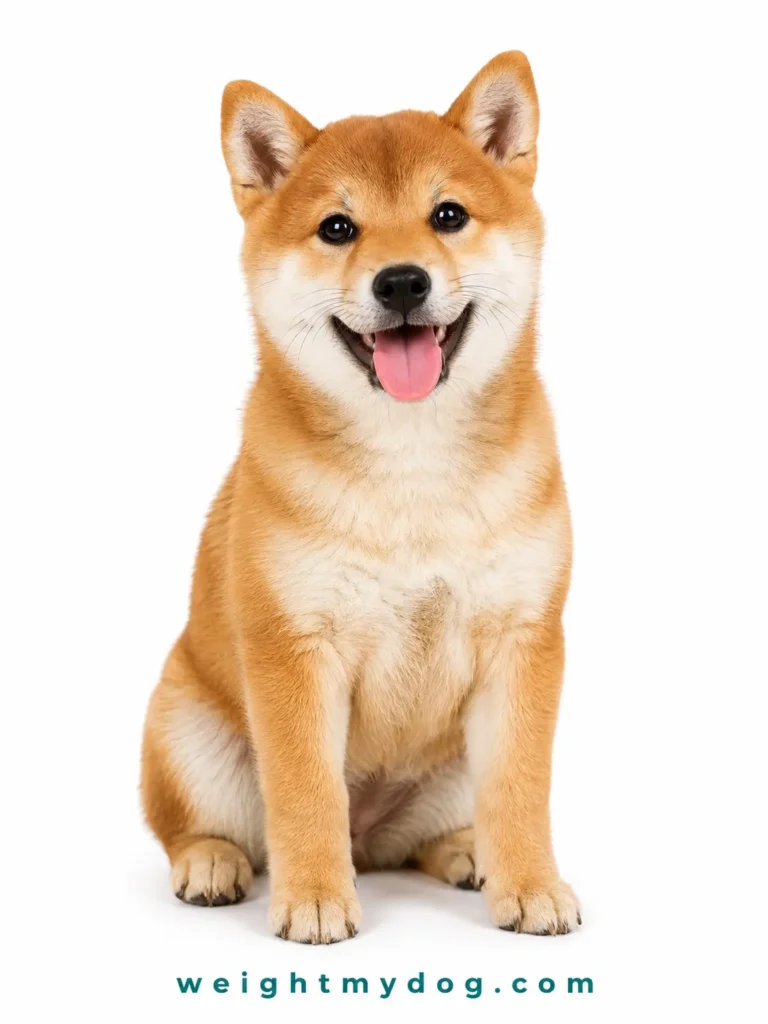
The Shiba Inu is one of Japan’s oldest and most celebrated Japanese breeds, originally bred as a hunting companion across mountainous terrain. Understanding their weight and growth trajectory matters deeply for every pet parent invested in their dog’s long-term wellbeing.
A puppy weight calculator gives owners early insight into their adult size, helping establish the right diet plan and care routine from the very first weeks. This tool removes guesswork from size prediction entirely.
Shibas carry a confident personality that demands equally confident ownership. Knowing your puppy’s expected adult weight allows smarter decisions around nutrition, exercise, and veterinary care throughout every stage of development.
From 8 weeks onward, tracking your Shiba’s growth rate reveals whether their weight gain aligns with breed standards. Early data helps your veterinarian flag deviations before they become serious health issues.
Many owners underestimate how much genetics and gender influence a Shiba’s final size. Male dogs typically run heavier than females, and understanding this size difference prepares you for realistic weight ranges at each milestone.
A reliable dog weight estimator blends breed data, age, and parent dogs’ measurements into accurate projections. Whether your pup sits on the smaller side or trends medium, consistent tracking weight ensures a healthy life ahead.
Shiba Inu Weight Calculator
| Age | ♂ Male (Expected) | ♀ Female (Expected) | Your Dog |
|---|
How to use the Shiba Inu Weight Calculator
Get your Shiba Inu's ideal weight in under 10 seconds. No account needed.
Enter your dog’s details
Enter your Shiba Inu's current age, weight, and gender. Works in both lbs and kg — supports weeks, months, and years.
Get your instant weight results
See your Shiba Inu's predicted adult weight range, current ideal weight, visual growth chart, and health status — instantly calculated.
Check your dog’s health status
Find out if your Shiba Inu is underweight, ideal, or overweight based on - verified breed standards — and get a personalised feeding guide.
Male Shiba Inu Weight and Height Chart by Age
| Age | Male Weight | Male Height |
|---|---|---|
| 4 Weeks (1 Month) | 1 – 2 lbs (0.45 – 0.91 kg) | 3 – 4 in (7.6 – 10.2 cm) |
| 2 Months (8 Weeks) | 3 – 5 lbs (1.36 – 2.27 kg) | 5 – 6 in (12.7 – 15.2 cm) |
| 3 Months | 6 – 8 lbs (2.72 – 3.63 kg) | 7 – 8 in (17.8 – 20.3 cm) |
| 4 Months | 9 – 12 lbs (4.08 – 5.44 kg) | 9 – 11 in (22.9 – 27.9 cm) |
| 5 Months | 11 – 14 lbs (4.99 – 6.35 kg) | 11 – 13 in (27.9 – 33.0 cm) |
| 6 Months | 13 – 16 lbs (5.90 – 7.26 kg) | 12 – 14 in (30.5 – 35.6 cm) |
| 7 Months | 14 – 18 lbs (6.35 – 8.16 kg) | 13 – 15 in (33.0 – 38.1 cm) |
| 8 Months | 15 – 19 lbs (6.80 – 8.62 kg) | 14 – 16 in (35.6 – 40.6 cm) |
| 9 Months | 16 – 20 lbs (7.26 – 9.07 kg) | 14 – 16 in (35.6 – 40.6 cm) |
| 10 Months | 17 – 21 lbs (7.71 – 9.53 kg) | 14 – 16 in (35.6 – 40.6 cm) |
| 11 Months | 17 – 22 lbs (7.71 – 9.98 kg) | 14 – 16 in (35.6 – 40.6 cm) |
| 12 Months | 18 – 23 lbs (8.16 – 10.43 kg) | 14.5 – 16.5 in (36.8 – 41.9 cm) |
| 18 Months (Adult) | 18 – 24 lbs (8.16 – 10.89 kg) | 14.5 – 16.5 in (36.8 – 41.9 cm) |
| 24 Months (Full Grown) | 18 – 25 lbs (8.16 – 11.34 kg) | 14.5 – 16.5 in (36.8 – 41.9 cm) |
Female Shiba Inu Weight and Height Chart by Age
| Age | Female Weight | Female Height |
|---|---|---|
| 4 Weeks (1 Month) | 0.9 – 1.8 lbs (0.41 – 0.82 kg) | 3 – 4 in (7.6 – 10.2 cm) |
| 2 Months (8 Weeks) | 2.5 – 4 lbs (1.13 – 1.81 kg) | 4 – 5 in (10.2 – 12.7 cm) |
| 3 Months | 5 – 7 lbs (2.27 – 3.18 kg) | 6 – 7 in (15.2 – 17.8 cm) |
| 4 Months | 7 – 10 lbs (3.18 – 4.54 kg) | 8 – 10 in (20.3 – 25.4 cm) |
| 5 Months | 9 – 12 lbs (4.08 – 5.44 kg) | 10 – 12 in (25.4 – 30.5 cm) |
| 6 Months | 11 – 14 lbs (4.99 – 6.35 kg) | 11 – 13 in (27.9 – 33.0 cm) |
| 7 Months | 12 – 15 lbs (5.44 – 6.80 kg) | 12 – 14 in (30.5 – 35.6 cm) |
| 8 Months | 13 – 16 lbs (5.90 – 7.26 kg) | 13 – 14 in (33.0 – 35.6 cm) |
| 9 Months | 13 – 17 lbs (5.90 – 7.71 kg) | 13 – 15 in (33.0 – 38.1 cm) |
| 10 Months | 14 – 17 lbs (6.35 – 7.71 kg) | 13 – 15 in (33.0 – 38.1 cm) |
| 11 Months | 14 – 18 lbs (6.35 – 8.16 kg) | 13 – 15 in (33.0 – 38.1 cm) |
| 12 Months | 15 – 19 lbs (6.80 – 8.62 kg) | 13.5 – 15.5 in (34.3 – 39.4 cm) |
| 18 Months (Adult) | 15 – 20 lbs (6.80 – 9.07 kg) | 13.5 – 15.5 in (34.3 – 39.4 cm) |
| 24 Months (Full Grown) | 15 – 20 lbs (6.80 – 9.07 kg) | 13.5 – 15.5 in (34.3 – 39.4 cm) |
Puppy Growth Chart And Official AKC Breed Weight Standard
| Breed Size | 8 Weeks | 3 Months | 4 Months | 6 Months | 1 Year |
|---|---|---|---|---|---|
| Toy | 0.9 – 1.8 kg | 1.4 – 2 kg | 2 – 2.5 kg | 2.5 – 3 kg | 3 – 5.5 kg |
| Small | 1.5 – 3 kg | 3 – 5 kg | 4 – 7 kg | 6 – 9 kg | 6 – 11 kg |
| Medium | 3 – 5 kg | 5 – 8 kg | 8 – 13 kg | 10 – 18 kg | 11 – 23 kg |
| Large | 5 – 9 kg | 9 – 12 kg | 12 – 20 kg | 18 – 30 kg | 23 – 45 kg |
| Giant | 7 – 12 kg | 12 – 18 kg | 18 – 28 kg | 28 – 40 kg | 45 – 70 kg |
Shiba Inu Breed Overview
The Shiba Inu descends from ancient Japan, with archaeological evidence suggesting their lineage traces back to approximately 7000 BC. Among six breeds native to Japan, the Shiba remains the smallest yet most internationally recognized Japanese canine.
Classified under the non-sporting group by the American Kennel Club, Shibas are compact, muscular dogs with a fox-like face, curled tail, and plush double coat that repels dirt naturally. Their stocky stature belies surprising agility.
Originally used to hunt small game and birds through dense undergrowth, the Shiba earned the alternative name Brushwood Dog. Today, the breed retains that spirited, alert, intelligent nature despite living primarily as a canine companion.
The American Kennel Club recognizes the Shiba within strict official breed standards. Males typically stand 15.5 inches to 16.5 inches tall, while female dogs measure 13.5 inches to 14.5 inches, placing them in the small-to-medium-size size class.
Breed characteristics include a double coat that undergoes seasonal coat blows twice yearly during spring and autumn. The thick fur contains natural oils that maintain cleanliness and dryness without frequent bathing, making moderate grooming sufficient.
As an independent thinker with notable stubbornness, the Shiba requires early socialization and basic training. Their temperament includes openness to strangers that varies individually, alongside self-assurance that some interpret as aloofness but experienced owners recognize as confident character.
At What Age Is a Shiba Inu Fully Grown?
Most Shiba Inu puppies reach full height by around 12 months, though muscles and overall body composition continue filling out until 18 months. True maturity — physical and behavioral — often isn’t complete until closer to 2 years.
By one year, your Shiba achieves roughly 95% adult weight, with the remaining 5% accumulated gradually. Males typically land near 23 pounds, while females settle around 17 pounds, though individual variations based on genetics and diet remain common.
The growth rate slows significantly after nine months, entering what’s called the adolescent phase, where hormonal development continues even as visible size changes diminish. Desexing or neutering and spaying timing can influence this phase’s duration.
Growth spurts are most dramatic between 3 months and six months, during which puppies may seem to change weekly. After eight months, growth slowing becomes noticeable, and most owners stop tracking weight gain as urgently after 12 months.
A puppy weight calculator helps determine whether your Shiba is progressing on schedule or deviating from expected growth patterns. Comparing results against breed averages gives your vet context for milestone visits and any necessary growth assessments.
Some Shibas remain on the smaller side or trend slightly oversized based on parent dogs’ genetics. Neither outcome signals a problem unless accompanied by health issues. Consulting breed standards ensures you evaluate size within the correct size group context.
Signs Your Shiba Inu Is Underweight
A Shiba Inu that appears visibly bony along the ribs or spine may be experiencing underfeeding or an underlying condition. Underweight dogs often show reduced energy, dull coat, and reluctance to exercise, all signs requiring immediate veterinarian attention.
Parasites like worms and ticks are frequent culprits behind unexpected weight loss in young puppies. Regular vet visits and immunisations provide preventive measures that keep these threats from stunt growth-ing your Shiba during critical development stages.
Pre-existing health conditions, allergies, or chronic illnesses may reduce appetite and interfere with nutrients absorption. If your Shiba consistently loses weight despite adequate food portions, a comprehensive vet evaluation should be your immediate care plan priority.
Signs Your Shiba Inu Is Overweight
Overfeeding and insufficient moderate exercise are the leading causes of obesity in Shibas. An overweight Shiba typically shows reduced activity, difficulty on trails, and excess fat deposits around the neck and base of the curled tail.
Free-feed practices — leaving food out constantly — easily push Shibas into obesity prone territory. Their high energy levels mask early weight gain until joints and legs begin showing strain. Vet assessment with a weight chart comparison clarifies the situation quickly.
Calories management and adjusting daily portion sizes help reverse early obesity before it creates joint problems or worsens hip dysplasia risks. Your veterinarian can recommend a balanced diet adjusted to your Shiba’s activity level and current adult weight.
How Big Should a 6-Month-Old Shiba Inu Be?
At 6 months, a Shiba Inu puppy typically weighs between 10 lbs and 16 lbs depending on gender. Males generally trend heavier, approaching 16 lbs, while females often land closer to 10 lbs to 12 lbs at this milestone.
A 6-month-old Shiba has completed the most rapid portion of their rapid growth phase and now carries roughly 70% adult weight. Using a puppy calculator at this stage yields highly accurate projections for adult size based on current measurements.
By six months, most Shibas display near-complete full height, with legs and muscular bodies largely proportioned as they’ll appear at maturity. The coat begins thickening, and the characteristic fox-like face becomes more defined with each passing monthly weigh-in.
Specialised puppy food formulated for small breeds remains appropriate through six months, ensuring the right balance of high-quality proteins, balanced fats, and minerals. Transitioning too early to adult food risks missing key nutrients during this development window.
A dog size predictor using your Shiba’s 6 months measurement applies the standard calculation: divide current weight by age in weeks, then multiply by 52. This formula provides a good estimate of adult weight with reasonable accuracy for purebred dogs.
Vet visits at six months typically coincide with vaccinations and first desexing consultations. These milestone visits offer an ideal opportunity to assess healthy development, review diet, and discuss appropriate breed-appropriate exercise for a 6-month-old Shiba Inu.
How Much Bigger Will My Shiba Inu Get?
If your Shiba Inu is currently four months old, they’ve likely reached around 30% of their adult size. From here, the growth curve steepens before slowing after nine months, giving owners a narrowing window for size prediction adjustments.
Puppy paws offer a rough indicator of final size — large paws on a young pup often suggest more growth ahead — though this isn’t an exact science. A puppy weight predictor remains more reliable than paw size alone for estimating adult weight.
At seven months, most male Shibas weigh around 17 lbs to 19 lbs, approaching 85% adult weight. Females at seven months typically register 13 lbs to 16 lbs, reflecting the consistent size difference between males and females throughout development stages.
DNA testing of your Shiba Inu can reveal inherited traits influencing growth rate and health predispositions. While breed identity for purebred dogs is established, DNA results sometimes surface genetic conditions affecting size or joint development worth monitoring.
By ten months, most Shibas hover near near adult weight and require only modest weight gain to complete maturity. This is when transitioning from specialised puppy food to high-quality puppy food appropriate for mature dogs becomes relevant for continued healthy development.
Mixed-breed puppies with Shiba lineage grow differently than purebred dogs, often reaching adult size earlier or later depending on the secondary breed. A puppy dog size calculator adjusted for two breeds produces more useful estimates than standard medium-large dog formula applications.
Other Names for Shiba Inu
The Shiba Inu carries several names rooted in its Japanese heritage. Most directly, “Shiba” translates loosely to brushwood, referencing the terrain where these dogs hunted, giving rise to the poetic alternative name: Brushwood Dog, still used among traditional breed enthusiasts.
The Spitz classification groups the Shiba alongside other curled-tail, double coat Nordic-style breeds. Though geographically distant from Scandinavian Spitz relatives, the Shiba Inu shares enough breed characteristics — fox-like face, curled tail, compact muscular bodies — to earn this broader family designation.
In some historical records and Japanese kennel documentation, the breed appears simply as “Shiba,” without the “Inu” suffix meaning dog. This shortened form appears frequently in Japan-based breeder communications and older database records predating international American Kennel Club standardization efforts.
Some early American importers referenced the breed using the phonetic anglicization “Shiba Ken,” where “Ken” substitutes for “Inu” as the Japanese word for dog. This alternative name appears in select purebred registration records from the mid-20th century alongside standard breed documentation.
Regional Japanese dialects produced slight name variations, including references to the dog’s small size and mountainous terrain origins. These dialectal names never achieved formal status but remain documented in historical texts about ancestors of the modern Shiba Inu recognized today.
The name evolution reflects the breed’s journey from Japan’s forests to global living rooms. Understanding these alternative name variations helps owners connect more deeply with their dog’s ancestors, reinforcing pride in stewarding one of the world’s most historically significant small breeds.
Factors That Affect Shiba Inu Puppy Growth
Genetics represent the most powerful influence on your Shiba Inu puppy’s growth rate. Parent dogs’ sizes provide the strongest available data for estimating adult size, often proving more predictive than any puppy weight calculator formula alone.
Nutrition quality directly shapes healthy development in young puppies. High-quality proteins, vitamins, minerals, and balanced fats support lean muscle formation and bones density. Deficiencies during the first year can permanently affect adult size and quality of life.
Exercise habits during the rapid growth phase require careful management. Over-exercising developing joints before 12 months risks lasting damage to growing joints, kneecaps, and legs. Breed-appropriate exercise with ten minutes sessions for young puppies protects healthy joint development.
Genetic health problems like hip dysplasia, luxating patella, and gangliosidosis directly impact growth trajectories. These inherited traits may cause pain, disability, or bone problems that redirect the body’s energy from normal development toward managing health issues.
Environmental factors — including lifestyle health, stress levels, access to trails, and responsible pet care — subtly shape growth patterns. Chronic illnesses, parasites, worms, and ticks during formative months rob puppies of calories needed for optimal growth.
Desexing timing influences hormonal development and subsequent size. Neutering or spaying before 12 months may extend growth plates’ open period, resulting in slightly taller but less muscular adults. Discussing desexing timing with your veterinarian during vet visits ensures care decisions align with healthy development goals.
How Do I Make Sure My Shiba Inu Is Healthy?
Maintaining a healthy weight for your Shiba Inu starts with understanding their specific weight range within breed standards. Males should ideally weigh 18 lbs to 23 pounds, while females typically maintain 15 lbs to 17 lbs for optimal quality of life.
Vaccinations, immunisations, and regular vet visits form the backbone of responsible pet care. Milestone visits at 8 weeks, 12 weeks, 16 weeks, and monthly through the first year allow your veterinarian to catch health issues before they escalate into chronic illnesses.
Pet insurance offers financial protection against unexpected genetic health problems and breed-specific health risks like progressive retinal atrophy, glaucoma, cataracts, eye cataracts, distichiasis, and eyelid abnormalities that Shibas face at elevated rates compared to other breeds.
Diet management using two meals per day of high-quality puppy food for growing dogs and appropriate adult formulas thereafter keeps calories balanced. Avoiding overfeeding and free-feed practices prevents obesity and the associated joint problems and hip dysplasia risks.
Basic obedience training supports healthy life by reducing fear-based behaviors and stress. A Shiba Inu comfortable with commands — sit, down, recall — engages more confidently in exercise, hiking, and socialization without the pain of anxiety-driven health issues.
Tracking weight through a weight tracker and comparing against a weight chart monthly reveals early deviations. Your vet can adjust diet, food portions, and exercise levels proactively, ensuring your Shiba Inu maintains healthy development across every stage of their 16 years potential life span.
Caring for a Shiba Inu
Caring for a Shiba Inu demands attentiveness across multiple domains — nutrition, grooming, training, exercise, and health monitoring. Their cat-like independence means they won’t always signal discomfort openly, making the owner’s observational skills the first line of preventive measures.
Building a care plan from your Shiba’s first check-up at 8 weeks establishes healthy habits that compound over their life span. A structured approach addressing diet, vet visits, activity, and weight monitoring produces a vibrant, confident dog through every development stage.
Litters of Shiba Inu puppies develop at slightly different rates, meaning your individual pup’s growth may deviate from the average without cause for concern. Tracking against breed averages rather than littermates ensures fair size assessment throughout 12 months of rapid change.
The Shiba Inu’s high energy levels and independent spirit make structured care essential rather than optional. Without consistent nutrition, exercise, grooming, and vet oversight, even the most well-balanced puppy risks developing health problems that compromise their healthy lifestyle long-term.
Collars, harnesses, and beds sized appropriately for your Shiba’s weight and size support physical comfort and coordination. Using size gear calibrated to your Shiba’s actual measurements — updated as they grow — prevents injuries from equipment that no longer fits their adult size.
Responsible pet care means tracking development stages across all six pillars: feeding, cleaning, moving, learning, healing, and monitoring. A data scientist mindset — logging weight, diet, and health data monthly — transforms good intentions into accurate records your veterinarian can genuinely use during vet visits.
Nutrition Requirements
Shiba Inu puppies under three months benefit from four meals daily, transitioning to three meals between 3 months and six months. After six months, two meals per day suffice, provided each serving delivers appropriate high-quality proteins, vitamins, and minerals for continued development.
Calories needs shift significantly as Shibas move from puppy to adult phases. A new puppy at 8 weeks needs calorie-dense specialised puppy food, while a fully grown Shiba requires well-balanced formulas preventing obesity and maintaining lean muscle through proper balanced fats and nutrients.
Dietary adjustments based on activity level, season, and health issues keep your Shiba’s weight within a healthy weight range. Treats should constitute no more than 10% of daily portion calories, with high-value rewards used strategically during training sessions rather than freely distributed to avoid overfeeding.
Grooming
The Shiba Inu’s double coat requires a slicker brush and undercoat rake used once per week during normal seasons, escalating to brush daily during seasonal shedding — known as blowing coat — when extra hairs and loose fur appear in quantities that surprise even experienced owners.
Bathing frequency should stay low — roughly bi-monthly — because natural oils in the plush double coat maintain cleanliness naturally. Over-bathing strips these oils, causing dryness and skin irritation. Never shave a Shiba’s double coat, as this permanently damages the coat’s ability to regulate cold and heat.
The seasonal coat blows occurring in spring and autumn produce dramatic high shedding that challenges even prepared owners. During blowing coat phases, twice per week undercoat rake sessions prevent mats and reduce household loose fur accumulation, supporting skin health and coat vibrantcy throughout the shedding cycle.
Training
Shiba Inu training works best with positive reinforcement approaches using praise, treats, and rewards rather than punishment or harsh corrections. Their independent thinker nature means commands land better when the Shiba sees personal benefit, making basic obedience — sit, down, recall — achievable with patience.
Socialization during three months to six months represents a critical window for building openness to strangers, good with children, and good with other dogs associations. Missing this period due to fear of worms or ticks exposure is counterproductive — properly vaccinated puppies benefit enormously from early socialization experiences.
Trainability in Shibas is moderate — their stubbornness is legendary but not insurmountable. Short training sessions under ten minutes maintain engagement. Barking and moderate barking tendencies reduce through consistent basic training that channels the breed’s high energy levels toward coordination tasks rather than vocalizing out of boredom.
Regular Exercise
Shiba Inu adults thrive with moderate exercise daily — hiking on trails, off-leash play, and structured walks satisfy their hunting companion instincts. Breed-appropriate exercise for a fully grown Shiba typically means 30–60 minutes of activity daily, adjusted for age and health status.
Over-exercising young puppies before 12 months risks serious damage to growing joints, developing joints, and kneecaps. Puppies under four months should limit sessions to ten minutes per outing, gradually increasing as bones and muscles mature to handle sustained exercise without joint problems.
Exercise habits established during the puppy phase shape adult activity preferences significantly. Shibas introduced to hiking and varied trails early develop high energy levels that require consistent outlet as adult dogs. Bored Shibas without adequate exercise develop barking and destructive behaviors that challenge even patient owners.
Vet Checkups
Vet checkups at 8 weeks, 3 months, 16 weeks, and monthly through the first year create a baseline database of your Shiba’s growth, weight, and health. These regular visits allow early identification of genetic health problems, bone problems, and eye problems before symptoms escalate.
Breed-specific health risks for Shiba Inu include hip dysplasia, luxating patella — where the kneecap dislocates — progressive retinal atrophy, glaucoma, cataracts, distichiasis, and gangliosidosis, a nervous system genetic disorder. Veterinary care with preventive measures and pet insurance mitigates the quality of life impact of these conditions.
Milestone visits double as opportunities to update vaccinations, check for parasites, and assess diet and exercise levels appropriateness. Your vet functions as a vet reference comparing your Shiba’s data against breed averages, flagging deviations from expected growth patterns that warrant adjustments to nutrition or care plan elements.
Track Progress
A weight tracker paired with a growth chart documents your Shiba Inu’s journey from new puppy to fully grown adult. Recording weight weekly through the first year and monthly thereafter creates the vet reference data your veterinarian needs for accurate growth assessments and care recommendations.
Dog weight estimator tools benefit most from consistent, weekly inputs. A puppy weight calculator fed reliable data — age, current weight, gender, breed — returns estimates that improve in accuracy as more data points accumulate. Sporadic weighing produces rough indicator results rather than the accurate projections serious pet parents seek.
Monitoring your Shiba’s size, coat condition, energy, and activity between vet visits fills critical gaps in formal health records. Bi-monthly progress reviews using a weight chart and growth chart keep your care plan responsive to real development rather than lagging behind the growth rate changes happening in real time.
The Importance of a Dog Weight Calculator
A dog weight estimator transforms raw puppy measurements into accurate adult size projections, removing the uncertainty that plagues new pet parents. Inputting age, weight, and gender into a weight calculator delivers estimated outcomes calibrated against thousands of breed data points.
The puppy weight calculator serves as a guide for adjusting food portions, selecting appropriately sized beds, collars, harnesses, and size gear before your Shiba Inu actually reaches adult size. Proactive preparation based on size prediction reduces costs and ensures healthy development continues uninterrupted.
Data from a puppy calculator reveals whether your Shiba is tracking toward the medium range typical of the breed or deviating toward the smaller side or oversized end. This vet reference data shapes diet, exercise habits, and vet visits scheduling with genuine precision rather than guesswork.
The medium-large dog formula and medium-large breeds calculations differ meaningfully from small breeds approaches. A weight calculator calibrated specifically to Shiba Inu breed characteristics produces more reliable estimates than generic dog breed category tools designed for giant breeds, toy dogs, or large breeds.
Pet nutrition decisions grounded in adult weight projections prevent both underfeeding and overfeeding during critical growth windows. A puppy weight predictor that accurately forecasts 23 pounds for a male helps owners proportion calories, high-quality proteins, and nutrients correctly from the first year onward.
A dog size predictor also supports pet insurance planning by identifying breed-specific health risks associated with specific size class categories. Small-to-medium-size dogs like Shibas face different pre-existing health conditions risks than giant or toy breeds, making accurate size classification essential for meaningful plan and care decisions.
Shiba Inu Traits
The Shiba Inu’s personality traits include legendary stubbornness balanced by genuine self-assurance and alert intelligence. This independent breed approaches training with trainability that rewards positive reinforcement while resisting punishment — a combination that defines the breed’s distinctive relationship with owners.
Shedding level in Shibas ranks among the highest for small breeds, with seasonal coat blows producing dramatic loose fur volumes. Their plush double coat and thick fur demand consistent grooming needs management, particularly during spring and autumn blowing coat events that test even experienced owner patience.
High energy levels and a cat-like cleanliness make the Shiba Inu an unusual combination of independent and vibrant. They maintain their own coat surprisingly well between grooming sessions, showing an almost fastidious self-care behavior that distinguishes them from other small dogs requiring more hands-on owner involvement.
Openness to strangers ranks relatively low for the breed — Shibas are selectively social rather than universally good with other dogs or people. Early socialization dramatically improves these personality traits, transforming a potentially reactive Shiba Inu into a confident companion comfortable across varied environmental contexts.
The Shiba Inu’s life span of 13 years to 16 years demands owners commit to sustained responsible pet care across a significant time investment. Their health predispositions — hip dysplasia, eye problems, genetic conditions — require ongoing veterinary care, pet insurance, and proactive lifestyle health management throughout their fully mature years.
Barking in Shibas is characterized as moderate barking, though they possess a distinctive vocalization called the “Shiba scream” used during extreme excitement or stress. Their generally low moderate barking activity combined with compact size makes them good with children in households that understand and respect the breed’s independent boundaries.
Key Takeaways
The Shiba Inu reaches full height around 12 months and fully grown status by 18 months, with males averaging 23 pounds and females settling near 17 pounds. These breed averages represent healthy weight ranges within established breed standards rather than rigid targets every purebred must hit.
A puppy weight calculator remains the most practical tool for projecting adult size from early puppy measurements. Combining weight calculator outputs with parent dogs’ genetics data and consistent vet reference comparisons gives pet parents the most accurate possible adult size estimate for their individual dog.
Nutrition built on high-quality proteins, vitamins, minerals, and balanced fats — delivered in appropriate food portions and daily portion calories — supports healthy development across every development stage. Neither overfeeding nor underfeeding serves your Shiba’s long-term quality of life.
Breed-specific health risks including hip dysplasia, luxating patella, progressive retinal atrophy, and gangliosidosis make proactive veterinary care and pet insurance essential rather than optional for responsible pet care. Vet visits at every milestone stage catch genetic health problems before they compound.
Exercise habits, socialization, and positive reinforcement training shape a healthy lifestyle that maximizes the Shiba Inu’s remarkable life span. Over-exercising developing joints and punishment-based training both undermine healthy development — consistent, moderate exercise and praise-driven learning produce the best long-term personality traits outcomes.
Tracking weight with a weight tracker and growth chart, scheduling regular visits, and maintaining a detailed care plan transforms responsible pet care from aspiration into practice. A well-balanced approach across nutrition, grooming, exercise, and health monitoring ensures your Shiba Inu thrives as a vibrant, healthy dog across their full life span.
Frequently Asked Questions — Shiba Inus Weight
When Do Shiba Inus Stop Growing?
Shiba Inus reach full height around 12 months and achieve 95% adult weight by one year. However, muscles and body composition continue filling out until 18 months, with some individuals completing fully grown maturity closer to 2 years depending on genetics and diet.
Physical growth slowing after nine months signals the transition from puppy to adult phase. Males hit their final size of approximately 23 lbs sooner than females, who may continue subtle weight gain toward their 17 pounds average through 18 months of hormonal development.
My Puppy Is Underweight. Should I Be Worried?
An underweight Shiba Inu puppy warrants immediate veterinarian consultation if the condition persists beyond few weeks of nutrition adjustment. Parasites, worms, allergies, or genetic health problems may underlie the issue, and only comprehensive vet assessment can differentiate simple underfeeding from serious health issues.
Temporary underweight status in young puppies during teething or vaccinations recovery is relatively common. If your pup shows otherwise vibrant energy, healthy coat, and normal activity, a vet consultation combined with food portions review often resolves the concern without diagnosing deeper chronic illnesses.
My Puppy Seems Overweight. What Should I Do?
An overweight Shiba Inu puppy requires immediate diet review and vet consultation before attempting self-directed food portions reduction. Obesity in puppies creates compounding joint problems and accelerates hip dysplasia and luxating patella risks — conditions the Shiba Inu breed already faces elevated genetic conditions exposure toward.
Reducing treats, eliminating free-feed practices, and increasing structured moderate exercise represents the foundational response to an overweight puppy. Your veterinarian can calculate a precise diet plan using your Shiba’s current weight, age, and activity level to restore healthy weight without stunt growth-ing their ongoing development.
How Often Should I Weigh My Shiba Inu Puppy?
Weigh your Shiba Inu puppy weekly through the first year to catch growth deviations early. After 12 months, monthly weighing suffices for most fully grown Shibas, though pet parents managing health issues or weight concerns should maintain weekly monitoring as recommended by their veterinarian.
A consistent weight tracker logging data at the same time each weekly session — morning, before meals — produces the most comparable results. Comparing weight against your growth chart baseline allows your vet to identify deviations from breed averages that might signal developing health problems needing intervention.
How Accurate Are Puppy Weight Calculators?
Puppy weight calculator accuracy depends heavily on breed purity and data quality. For purebred Shiba Inu dogs, a well-designed puppy weight predictor achieves remarkable accuracy when fed consistent weekly measurements, correct age, and confirmed gender — often predicting adult weight within 15% of actual final size.
Mixed-breed puppies with Shiba Inu lineage yield less reliable estimates from standard weight calculator tools. Genetic conditions and individual variations in litters introduce variance that reduces accuracy significantly. DNA testing alongside puppy weight calculator use produces more reliable adult size estimate projections for dogs of uncertain breed background.
How Big Will My Puppy Get?
Your Shiba Inu puppy’s final size depends on genetics, gender, nutrition, and exercise habits combined. Males typically reach 18 lbs to 23 pounds, while females average 15 lbs to 17 lbs. A puppy weight calculator using current weight at 16 weeks provides the most reliable good estimate of adult weight.
Parent dogs’ sizes function as the strongest rough indicator of adult size available. If both parents fall at the smaller side of breed standards, your puppy will likely follow suit. Dog size predictor tools incorporating parent dogs’ weight alongside your puppy’s current measurements yield the most accurate adult size estimate possible without DNA testing.
What Factors Affect Puppy Growth Rate?
Genetics, nutrition, exercise habits, environmental conditions, and health issues collectively determine your Shiba Inu’s growth rate. Inherited traits from parent dogs establish the ceiling and floor of adult size potential, while diet, vet visits, and activity level determine how fully that genetic potential is expressed.
Parasites, chronic illnesses, over-exercising developing joints, underfeeding, and overfeeding all stunt growth or distort natural growth patterns. Responsible pet care that addresses nutrition, veterinary care, exercise, and lifestyle health simultaneously produces healthy development aligned with the Shiba Inu’s natural breed-specific growth trajectory.
Can a Puppy’s Paw Size Determine Their Final Size?
Paw size offers a rough indicator of final size in puppies, particularly when large paws appear disproportionate to current body size — suggesting more growth remains ahead. However, this method isn’t an exact science, and Shiba Inu puppy paws don’t scale as predictably as those of large breeds or giant breeds.
A dog size predictor or puppy weight calculator using age, weight, and gender consistently outperforms paw size estimation for accuracy. Breed factors matter enormously — Shibas’ compact muscular bodies mean paw size correlates less reliably with adult size than in giant or large breeds, making digital tools far more dependable than physical rough indicators.
Do Mixed-Breed Puppies Grow Differently?
Mixed-breed puppies with Shiba Inu parent dogs develop along trajectories influenced by both contributing breeds. If the secondary breed falls in large breeds or medium dogs categories, the puppy may exceed typical Shiba Inu weight ranges, making standard medium-large dog formula calculators more applicable than small breeds tools.
Individual variations in mixed-breed puppies make size prediction inherently less accurate than for purebred dogs. DNA testing reveals the breed composition driving growth rate and adult size potential. A dog weight estimator calibrated for the identified breed mix produces more reliable adult size estimate outcomes than generic puppy weight predictor applications.
Table of Contents
Toggle