
Whippet Weight Calculator — Free Puppy Growth Chart by Age
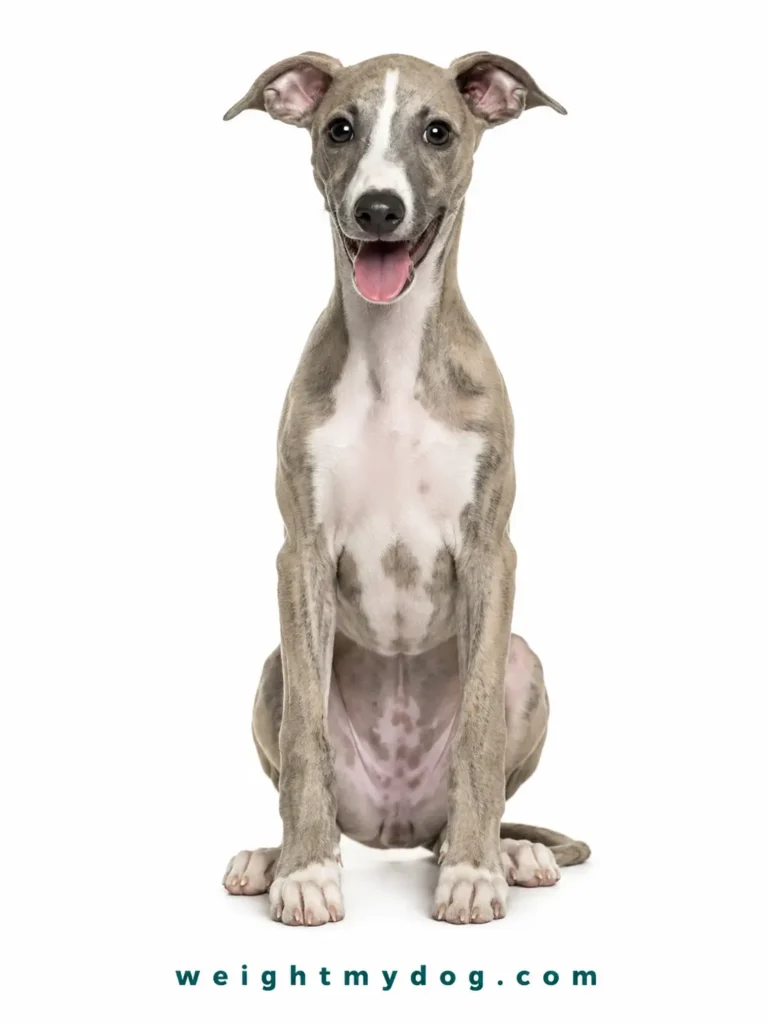
Whippets are a medium-sized, elegant sighthound breed that originated in England during the 19th century, bred for racing and coursing with remarkable speed and grace. Their sleek, short-coated physique makes them distinct among hound breeds.
These dogs are affectionate, intelligent, gentle, and laid-back companions that thrive with loving families. Despite their athletic build, they are calm indoors and adaptability is one of their most valued traits.
The Whippet breed holds registered status in North America and is popular among dog lovers for their graceful demeanor and lean muscle definition. They are independent yet affectionate adults.
Whippets fall in the medium-large size class with males standing tall and females being slightly smaller. Their ancestral hunting background gives them a naturally muscular, slim build and superior athleticism.
Understanding the Whippet personality — gentle, intelligent, and sporadic in bursts of energy — helps owners provide balanced care that supports both mental and physical health across all life stages.
Their behavioral traits reflect a breed that is content lounging on a couch but also capable of explosive sprints. This 50/50 nature makes proper weight management and nutrition absolutely essential for every Whippet owner.
Whippet Weight Calculator
| Age | ♂ Male (Expected) | ♀ Female (Expected) | Your Dog |
|---|
How to use the Whippet Weight Calculator
Get your Whippet's ideal weight in under 10 seconds. No account needed.
Enter your dog’s details
Enter your Whippet's current age, weight, and gender. Works in both lbs and kg — supports weeks, months, and years.
Get your instant weight results
See your Whippet's predicted adult weight range, current ideal weight, visual growth chart, and health status — instantly calculated.
Check your dog’s health status
Find out if your Whippet is underweight, ideal, or overweight based on breeder and parent-breed data — and get a personalised feeding guide.
Male Whippet Growth, Weight & Height Chart by Age
| Age | Male Weight | Male Height |
|---|---|---|
| 4 Weeks | 1 – 3 lbs (0.5 – 1.4 kg) | 3 – 5 in (8 – 13 cm) |
| 2 Months | 5 – 10 lbs (2.3 – 4.5 kg) | 6 – 8 in (15 – 20 cm) |
| 3 Months | 9 – 15 lbs (4.1 – 6.8 kg) | 9 – 12 in (23 – 30 cm) |
| 4 Months | 13 – 20 lbs (5.9 – 9.1 kg) | 12 – 15 in (30 – 38 cm) |
| 5 Months | 16 – 24 lbs (7.3 – 10.9 kg) | 14 – 17 in (36 – 43 cm) |
| 6 Months | 18 – 28 lbs (8.2 – 12.7 kg) | 16 – 18 in (41 – 46 cm) |
| 7 Months | 20 – 32 lbs (9.1 – 14.5 kg) | 17 – 19 in (43 – 48 cm) |
| 8 Months | 22 – 35 lbs (10.0 – 15.9 kg) | 18 – 20 in (46 – 51 cm) |
| 9 Months | 24 – 38 lbs (10.9 – 17.2 kg) | 18 – 21 in (46 – 53 cm) |
| 12 Months | 25 – 40 lbs (11.3 – 18.1 kg) | 18 – 22 in (46 – 56 cm) |
| 18 Months (Adult) | 25 – 40 lbs (11.3 – 18.1 kg) | 18 – 22 in (46 – 56 cm) |
Female Whippet Growth, Weight & Height Chart by Age
| Age | Female Weight | Female Height |
|---|---|---|
| 4 Weeks | 1 – 2 lbs (0.5 – 1.0 kg) | 3 – 4 in (8 – 10 cm) |
| 2 Months | 4 – 8 lbs (1.8 – 3.6 kg) | 5 – 7 in (13 – 18 cm) |
| 3 Months | 7 – 13 lbs (3.2 – 5.9 kg) | 8 – 11 in (20 – 28 cm) |
| 4 Months | 11 – 17 lbs (5.0 – 7.7 kg) | 11 – 14 in (28 – 36 cm) |
| 5 Months | 13 – 21 lbs (5.9 – 9.5 kg) | 13 – 16 in (33 – 41 cm) |
| 6 Months | 15 – 24 lbs (6.8 – 10.9 kg) | 15 – 17 in (38 – 43 cm) |
| 7 Months | 17 – 27 lbs (7.7 – 12.2 kg) | 16 – 18 in (41 – 46 cm) |
| 8 Months | 19 – 30 lbs (8.6 – 13.6 kg) | 17 – 19 in (43 – 48 cm) |
| 9 Months | 20 – 32 lbs (9.1 – 14.5 kg) | 17 – 20 in (43 – 51 cm) |
| 12 Months | 20 – 35 lbs (9.1 – 15.9 kg) | 17 – 21 in (43 – 53 cm) |
| 18 Months (Adult) | 20 – 35 lbs (9.1 – 15.9 kg) | 17 – 21 in (43 – 53 cm) |
Puppy Growth Chart And AKC Breed Weight Standard
| Breed Size | 8 Weeks | 3 Months | 4 Months | 6 Months | 1 Year |
|---|---|---|---|---|---|
| Toy | 0.9 – 1.8 kg | 1.4 – 2 kg | 2 – 2.5 kg | 2.5 – 3 kg | 3 – 5.5 kg |
| Small | 1.5 – 3 kg | 3 – 5 kg | 4 – 7 kg | 6 – 9 kg | 6 – 11 kg |
| Medium | 3 – 5 kg | 5 – 8 kg | 8 – 13 kg | 10 – 18 kg | 11 – 23 kg |
| Large | 5 – 9 kg | 9 – 12 kg | 12 – 20 kg | 18 – 30 kg | 23 – 45 kg |
| Giant | 7 – 12 kg | 12 – 18 kg | 18 – 28 kg | 28 – 40 kg | 45 – 70 kg |
When Do Whippets Stop Growing?
Whippets typically stop active growth around 12 months of age, though muscle development and body mass can continue stabilize-ing until 18 months. Most reach their full adult weight by 12–18 months.
The growth curve slows significantly after the first 12 months. Between months 9 and 12, puppies begin transitioning into adult physique with visible muscle definition replacing rapid development.
Monthly tracking using a weight chart helps identify the trajectory of your Whippet’s growth. A weekly scale check reveals whether size gains are consistent with breed-specific milestones.
Males generally grow larger than females, with growth differences influenced by genetics, neutering, and diet. Desexing or spaying can slow development and influence size variations between counterparts.
By 18 months, most fully grown Whippets show complete bone density and muscle mass. However, behavioral maturity and coordination may develop through year 2 of their lifespan.
Using a puppy weight calculator online and comparing against a breed chart gives reliable estimates for your Whippet’s future size. Measuring height and weight at monthly intervals provides the most accurate guide.
How Much Should a 6-Month-Old Whippet Weigh?
At 6 months, a Whippet puppy should typically weigh between 11 and 14 lbs, depending on gender. Males tend toward the higher range while females average slightly lower on the scale.
A 6-month-old male Whippet may weigh approximately 14 lbs, while a female at the same age may be around 11.9 lbs or 12 lbs. These estimates serve as reference points, not absolutes.
Growth at this milestone stage is rapid, with puppies gaining weight in bursts. Diet, activity level, and genetics all influence how your Whippet develops between months 5 and 7.
Tracking your puppy’s weight using a breed-specific calculator or chart helps estimate whether size progression is normal. Deviations beyond 25% of average may require a vet assessment.
A healthy 6-month Whippet should show lean muscle with ribs that are slightly visible but not protruding. Excess fat at this age may indicate overfeeding or inadequate exercise.
Feeding your Whippet high-quality protein-rich food in controlled portions during months 4–8 supports healthy bone and muscle development. Consistency in meals and daily activity levels ensures stable, balanced growth.
Signs Your Whippet Is Underweight
An underweight Whippet may show protruding ribs, visible hip bones, and a dull coat with dry skin. These signs are indicators of malnourishment or inadequate nutrition and demand immediate vet attention.
Thin dogs that refuse to eat or show unexplained weight loss may be dealing with worms, parasites, or gastrointestinal issues. A sudden drop in body mass warrants prompt veterinary check-up and diagnostic assessments.
Underfeeding creates muscle loss and weakens the immune system. A Whippet with a score below the healthy body condition range will appear sluggish, show poor digestion, and suffer in performance during exercise.
Picky eaters can be challenging. If your Whippet refuses food or shows low appetite, switching to wet or palatable high-quality kibble may help increase caloric intake without force-feeding.
Monitoring stool quality and digestion patterns helps detect bacterial or gastrointestinal problems linked to underfeeding. Soft, loose stool or excess scratching may indicate a nutritional gap or sensitivity.
Bringing your Whippet back to healthy weight requires gradual increases in portions and diet tailored to their individual needs. A nutritionist or vet can guide appropriate calorie and protein intake for safe recovery.
Signs Your Whippet Is Overweight
An overweight Whippet is harder to identify than obese dogs due to their naturally sleek body. However, if ribs are not visible or palpable, and there is fat buildup around the stomach, your dog may be gaining excess weight.
Heavy breathing, reduced activity levels, joint stress, and a sluggish demeanor are classic signs of obesity in Whippets. Their lean build makes even small fat gains noticeably impact athleticism and speed.
Using a body condition score chart regularly helps identify overweight patterns early. A vet can perform a monthly assessment to track whether weight gain is within normal range or signals dietary imbalance.
Overfeeding, table scraps, and excessive treats are the most common causes of fat accumulation in Whippets. Free-feeding practices and begging habits contribute significantly to unhealthy weight gain over time.
Overfed Whippets face increased risks of joint problems, heart disease, dental issues, and gastrointestinal distress. The strain on their body from carrying excess pounds can interrupt their natural elegance and agility.
Addressing overweight conditions requires controlled meals, reduced calorie intake, and increased exercise. Switching from high-fat food to a lean, grain-free or breed-appropriate diet under vet supervision delivers lasting results.
How Much Bigger Will My Whippet Get?
Most Whippet puppies will reach full adult size between 12 and 18 months. Using a puppy weight calculator based on current age and weight can estimate the expected final size with 75% accuracy.
A reliable formula used by breeders involves doubling the weight at 4 months for a rough predictor of adult pounds. However, this doubling method gives only a general estimate and should not replace a vet assessment.
Genetics play the most significant role in determining how big a Whippet grows. Examining the size of parents provides a strong guide, while gender differences between males and females also influence final dimensions.
If your Whippet is still growing at 15 months, don’t panic. Muscle development may still be in progress, and height gains can occur through 18 months in male dogs with larger build trajectories.
Tracking monthly weight and height against a breed chart allows owners to see the curve of development and predict when their Whippet will stabilize. Most dogs plateau in size between 18 and 24 months.
Hormonal changes post-spaying or desexing can alter the growth rate and muscle mass distribution. Neutering before 12 months may produce slightly larger adults due to delayed bone growth plate closure.
What Is the Size of a Full-Grown Whippet?
A full-grown male Whippet stands 19 to 22 inches tall and weighs between 25 and 40 pounds. Female Whippets are slightly smaller, typically ranging 18 to 21 inches in height and 20 to 35 pounds in weight.
The average male Whippet weighs approximately 25 to 40 lbs when fully grown, with muscle mass contributing significantly to body weight. Females average around 20 to 35 lbs depending on size and diet.
Whippets stand in the medium-large size range, classified under hound breeds with lightweight, lean bodies. Their height ranges from 18 to 22 inches based on breed standard registration in North America.
Despite their medium-sized appearance, Whippets carry strong muscle under a short, sleek coat. Their slim build and lightweight structure make them exceptional runners despite their compact size relative to Greyhounds.
A full-sized Whippet’s body weight is influenced by genetics, diet quality, and activity levels. Males from larger parent breeds may exceed 40 lbs, while smaller females may stay under 25 pounds.
The size of a grown Whippet is a direct indicator of their health and nutrition history. Using a weight chart from a trusted vet or breed guide helps confirm whether your Whippet is within the healthy adult range.
The Importance of a Whippet Weight Calculator
A Whippet weight calculator is an essential tool that helps owners estimate future size, track growth milestones, and identify early signs of underweight or overweight conditions before they become serious health issues.
Online calculators provide accurate estimates by factoring in age, gender, current weight, and breed-specific data. They serve as a reliable guide for raising a healthy dog from puppy to adult stages.
The estimator tool can predict adult size with reasonable accuracy when data is entered correctly. Monthly inputs over the growth stages generate a curve that mirrors the expected development of your Whippet.
Breeders and veterinarians recommend using a weight chart alongside a calculator for maximum reliability. Together, these tools fill the gaps in estimating size that visual assessments alone cannot address.
A calculator also accounts for gender differences, breed variations, and neutering impact on growth. This makes it more comprehensive than general dog size guides that don’t account for Whippet-specific traits.
Using a FREE online Whippet weight calculator regularly supports proactive health monitoring. When combined with vet visits and diet adjustments, it becomes an invaluable part of your dog’s care routine.
Other Growth-Influencing Factors
Beyond genetics and diet, several factors shape a Whippet’s growth. Hormonal changes, neutering, spaying, and desexing timing all influence final body size and muscle mass development during key stages.
Exercise levels have a direct impact on muscle development in growing Whippets. Overexercised puppies risk joint strain and bone injuries, while underactive dogs may experience fat gain and stunted muscle growth.
Pre-existing conditions like luxating patella or hip dysplasia can stunt physical development and alter weight distribution. These inherited conditions require vet-monitored plans to ensure safe growth and proper nutrition.
Weather and environment also affect activity patterns. Whippets are sensitive to cold and chilly conditions, which can reduce outdoor exercise days, impact caloric burn, and subtly influence weight gain over months.
Chronic illnesses, bacterial infections, worms, and ticks interrupt growth cycles by redirecting energy from development to immune function. Regular vet visits and vaccinations help maintain health during critical growth periods.
Litter size and gender distribution in a Whippet’s population can influence early growth differences. Smaller litters tend to produce larger puppies due to increased nutrition access during the first critical weeks of life.
How Do I Make Sure My Whippet Is Healthy?
Keeping a Whippet healthy requires consistent attention across diet, exercise, veterinary care, grooming, and mental stimulation. No single factor alone guarantees wellbeing — it is the combination of all daily routines that truly matters.
Balanced Diet
A balanced diet for a Whippet includes the right ratio of protein, carbohydrates, and fats tailored to their age and activity level. High-quality ingredients free from artificial additives and fillers are essential for long-term health.
Lean proteins such as chicken, turkey, fish, and meat-first kibble should form the foundation of every Whippet’s diet. Carbohydrates from rice, sweet potato, and peas provide sustained energy without promoting fat gain.
Vitamins, minerals, and omega-3 fatty acids support skin health, coat quality, and joint function. A diet rich in these nutrients helps Whippets maintain their lean physique and graceful athleticism into senior years.
Exercise
Whippets need daily exercise that includes short bursts of sprinting and moderate walks. Their ancestral speed and drive require outlets that combine agility, running, and play to maintain muscle tone and mental health.
Jogging, lure coursing, and agility training are ideal activities for Whippets. Aim for 30–40 minutes of active exercise daily, split between sprint sessions and gentle walks to avoid joint strain or overexertion.
Boredom and lack of exercise lead to behavioral problems and weight gain. Ensuring your Whippet is physically stimulated every day through structured activities supports both body condition and emotional stability.
Veterinary Check-Ups
Regular vet visits — ideally monthly during growth and then annually — allow for weight monitoring, dental check-ups, and vaccinations. Immunisations protect Whippets from illnesses that interrupt development.
Vet assessments during check-up visits help detect early signs of joint problems, obesity, or nutritional deficiencies. Early intervention prevents chronic diseases and reduces long-term health care costs.
Dental hygiene is often overlooked but critical. Veterinary dental trims and at-home brushing help prevent buildup that leads to bacterial infections and digestion issues in older Whippets.
Watch Their Weight
Monitoring your Whippet’s weight using a scale and body condition score chart prevents both obesity and malnourishment. Weekly weigh-ins during growth and monthly checks in adult years provide reliable tracking data.
Sudden weight gain or loss should never be ignored. These changes may indicate hormonal issues, diet problems, or underlying health conditions that require immediate vet consultation for proper diagnosis.
Free-feeding should be avoided as it removes control over portions and caloric intake. Structured meal timing gives you full control over daily calorie consumption and helps prevent overfeeding in adult Whippets.
Mental Stimulation
Whippets are intelligent dogs that require mental stimulation alongside physical exercise. Puzzle toys, interactive games, and obedience training keep them mentally engaged and prevent boredom-driven behavioral issues.
Interactive play such as lure chasing, obedience drills, and bonding activities with family members keep Whippets happy and confident. A mentally stimulated dog is less likely to overeat or develop anxiety-related habits.
Using toys that challenge coordination and independent problem-solving gives your Whippet purposeful indoor activity during bad weather days. This mental exercise complements physical activity and promotes relaxation and calm behavior.
Nutritional Requirements for Whippets
Whippets require a diet rich in high-quality proteins, complex carbohydrates, and essential fats that support their athletic physique and fast metabolism. Nutrient density matters more than volume when feeding this breed.
Protein should constitute the primary component — ideally 40% or more of the diet. Chicken, turkey, fish, and organ meat provide complete amino acids that support muscle maintenance and lean body mass in adults.
Carbohydrates from digestible sources like rice, sweet potatoes, and carrots supply sustained energy for sprinting and long-distance runs. Complex carbs are preferred over sugary or refined options that cause digestive upset.
Fats, particularly omega-3s, from fish oil and flaxseeds maintain skin health, coat shine, and joint lubrication. Fat should contribute approximately 25% to 30% of total daily calorie intake for active adult Whippets.
Vitamins and minerals — particularly calcium, glucosamine, and chondroitin — are essential for bone density and joint support in growing and senior Whippets. Supplementing these nutrients under vet guidance improves long-term health.
Hydration is equally vital. Whippets engaged in sprinting and agility activities lose fluids rapidly and require constant access to water. Dehydrated dogs show digestive sluggishness, dull coat, and poor body condition score.
Feeding Schedule and Portions
Puppies under 12 weeks should eat 3 to 4 meals per day, each portioned correctly based on weight and growth stage. Overfeeding during early months risks digestive upset and abnormal fat gain.
Between 3 and 6 months, feed puppies 3 meals daily using breed-appropriate portions from high-quality kibble or wet food. Caloric intake during this phase should be monitored against weekly weight gains.
From 6 to 12 months, transition to 2 meals per day as the Whippet approaches adult size. At this stage, daily calorie needs range from 800 to 1200 kcal depending on activity level and body mass.
Adult Whippets typically eat 2 meals per day — morning and evening — with total daily calories ranging from 900 to 1375 kcal based on size, gender, and exercise routine.
Senior Whippets above 7 years need fewer calories — around 750 to 1000 kcal per day — as metabolism slows and activity decreases. Portion control and diet transition to senior-specific formulas become critical.
Consistency in feeding timing supports healthy digestion and prevents overeating. Using a bowl and measuring cup for portioning removes guesswork, and tracking intake helps maintain the right weight across all life stages.
Choosing the Right Dog Food
Selecting the right food for your Whippet means evaluating ingredients, protein quality, calorie density, and whether the formula meets breed-specific nutritional requirements. Not all commercial dog food brands are created equally.
Dry Food (Kibble)
Kibble is the most convenient and popular option for Whippet owners. High-quality dry food with meat-first ingredients provides balanced nutrition and supports dental health through its texture during daily feeding.
Look for kibble that contains real protein sources — chicken, turkey, or fish — without artificial additives, fillers, or grain-based substitutes. Grain-free kibble formulas work well for Whippets with food sensitivities.
Manufacturers often list caloric content as kcal per cup. For an adult Whippet needing 1000 to 1300 kcal daily, portioning kibble correctly based on the label guide prevents both underfeeding and overfeeding.
Wet Food
Wet food is highly palatable and excellent for picky eaters who refuse dry kibble. Its high moisture content contributes to hydration and supports digestion in Whippets with sensitive stomachs.
Wet food tends to be more expensive but offers higher protein density and lower carbohydrate content compared to kibble. It is particularly helpful for underweight Whippets needing increased caloric intake quickly.
Combining wet and dry food in a 50/50 ratio balances palatability, nutrition, and cost. This approach is often recommended for picky eaters and seniors transitioning to softer diet options due to dental issues.
Raw Dog Food
Raw dog food diets are controversial but growing in popularity among dedicated Whippet owners. When correctly formulated, a raw diet provides ancestral-aligned nutrition rich in lean proteins and natural fats.
Raw diets for Whippets typically include chicken, turkey, fish, organ meat, carrots, spinach, and bone segments. Freeze-dried raw options offer a convenient, safe alternative to fully raw preparations without sacrificing nutrient quality.
The risk of bacterial contamination is a genuine concern with raw feeding. Vet consultation before switching to raw is essential to ensure the diet is complete, balanced, and free from pathogens that could cause gastrointestinal issues.
Homemade Diet Options
Homemade diets give Whippet owners full control over ingredients but require careful nutritional planning to avoid deficiencies. Without the guidance of a veterinary nutritionist, homemade food can easily become unbalanced.
Proteins like chicken, turkey, fish, and lean meat should form the base of a homemade diet. Add complex carbohydrates from rice, sweet potatoes, and peas, and healthy fats from fish oil to complete the nutritional profile.
Vegetables such as carrots, spinach, and peas provide vitamins, minerals, and fiber that support digestion and immune function. Avoid sugary, fatty, or toxic foods like onions, grapes, and artificial sweeteners in any homemade preparation.
Calcium supplementation is critical in homemade diets since bone-based nutrients are often absent. Without adequate calcium and phosphorus balance, Whippets may suffer bone density loss and joint issues over time.
Portioning homemade meals correctly ensures the right calorie count per day. A nutritionist can calculate exact gram quantities based on your Whippet’s weight, age, activity level, and health conditions.
Transitioning to a homemade diet should be gradual — over 7 to 14 days — to prevent digestive upset. Mixing new food with current diet at increasing ratios helps the stomach adjust without stress or stool changes.
Treats and Snacks for Whippets
Treats should never exceed 10% of a Whippet’s daily calorie intake. High-value treats like single-ingredient chicken strips, liver chews, or freeze-dried meat sticks work best for training and bonding without disrupting diet.
Safe snack options for Whippets include apple slices, carrot sticks, peas, and cooked chicken pieces. These low-calorie, nutrient-rich options make healthy alternatives to sugary or fatty commercial treats.
Avoid treats containing artificial additives, fillers, or high-fat ingredients. Brown rice soft chews or digestible dental sticks provide both treat satisfaction and functional dental health benefits for Whippets.
Treat timing matters for training effectiveness. Using high-value treats during obedience and agility sessions builds confidence and reinforces positive behavior without creating begging habits or table distress.
Seeds like flaxseeds and pumpkin seeds can serve as nutrient-rich add-ons to treats. These ingredients provide omega-3 fatty acids and digestive support when incorporated into homemade treat recipes for Whippets.
Overuse of treats is a leading cause of weight gain in Whippets. Keeping a daily treat log alongside regular meal tracking ensures total caloric intake stays within the healthy range for your dog’s size and activity.
Common Feeding Mistakes
Overfeeding is the most common mistake Whippet owners make. Using incorrect portion sizes without measuring leads to gradual fat gain that is difficult to notice due to the breed’s naturally slim body structure.
Free-feeding — leaving food available at all times — removes portion control and invites overeating. Whippets are not inherently self-regulating eaters, and unrestricted bowl access leads to excessive calorie intake and weight gain.
Feeding table scraps is a common but harmful practice. Human food often contains high-fat, sugary, or toxic ingredients that disrupt digestion, cause gastrointestinal upset, and contribute to long-term obesity in dogs.
Skipping meals or inconsistent feeding schedules cause digestive issues and hunger-driven overeating at the next meal. Consistency in timing and portions is the single most effective tool for controlling weight and gut health.
Ignoring food sensitivities leads to chronic digestive problems. Many Whippets have grain or ingredient sensitivities that manifest as scratching, dull coat, stool changes, or stomach upset — all signs of the wrong diet choice.
Underfeeding is equally problematic. Hungry dogs that don’t consume adequate calories experience muscle loss, poor immune function, and behavioral stress. Tracking intake daily prevents both overfeeding and dangerous inadequate nutrition.
Common Problems of Obesity in Dogs
Obesity in dogs is a growing health crisis that affects quality of life, lifespan, and athletic function. For Whippets, even small weight gains of 5 to 10 pounds can have significant health consequences given their lean frame.
Joint problems — including hip dysplasia and luxating patella — worsen significantly with excess weight. The added strain on joints in obese Whippets accelerates chronic pain, reduces mobility, and shortens active lifespan.
Heart disease is directly linked to obesity in canine populations. Excess fat buildup around organ areas forces the heart to work harder, increasing risk of cardiac conditions that are largely preventable through diet and exercise.
Digestive diseases, bloating, and gastrointestinal problems increase in obese dogs. The excess stomach pressure from fat buildup disrupts normal digestion and can cause serious conditions like gastric torsion in extreme cases.
Respiratory difficulties, reduced coordination, and lower energy levels are visible behavioral signs of obesity. Obese Whippets lose their characteristic speed and agility, becoming sluggish and disengaged from normal play and activity.
Dental disease, skin infections, and poor immune function are secondary consequences of obesity. Overweight dogs are more susceptible to illnesses, slower to recover from injuries, and face greater risks during veterinary procedures.
Supplements and Their Benefits
Supplements are a valuable addition to a Whippet’s diet when used appropriately. Glucosamine, chondroitin, and calcium support joint health and bone density, particularly in growing puppies and senior dogs prone to dysplasia.
Omega-3 fatty acids from fish oil are among the most beneficial supplements for Whippets. They reduce joint inflammation, improve coat quality, support brain function, and enhance immune system response in dogs of all ages.
Probiotics promote healthy gut flora and support digestion in Whippets with sensitive stomachs. Regular probiotic supplementation reduces bacterial imbalance, bloating, and stool inconsistency linked to dietary changes or stress.
Multivitamins formulated for dogs help bridge nutritional gaps in homemade or limited ingredient diets. They ensure Whippets receive 100% of the essential vitamins and minerals needed for healthy function across all life stages.
Dental supplements — including water additives and dental chews — reduce bacterial buildup and protect teeth health. These are particularly helpful for Whippets that resist brushing and are prone to dental disease in older years.
Not all supplements are created equal — prices, ingredient quality, and science-backed formulas vary significantly between manufacturers. Always consult a vet before adding any supplement to ensure it is safe, breed-appropriate, and compatible with current diet.
Monitoring Weight and Health
Monitoring your Whippet’s weight requires more than occasional scale checks. Weekly weigh-ins during growth and monthly assessments in adult years create a consistent data set that reveals trends in body condition over time.
A body condition score (BCS) system rates dogs on a 1 to 9 scale — with 4 to 5 being ideal for Whippets. Visible ribs without excess fat covering indicate a healthy body mass and proper nutrition balance.
Tracking tools like growth charts, weight logs, and online calculators help owners maintain an accurate picture of their Whippet’s development. These tools are most effective when used consistently from puppy to adult stages.
Regular vet visits provide professional health assessments that go beyond weight. Dental checks, joint evaluations, skin condition scoring, and digestion reviews form a complete health monitoring routine for long lifespan support.
Unexplained changes in weight, appetite, stool quality, or activity level are warning signs that demand immediate veterinary attention. Early detection of health issues through consistent monitoring significantly improves treatment outcomes.
Smart monitoring combines digital tools, physical checks, and professional guidance. Logging food intake, exercise hours, and monthly weight data gives owners full visibility into their Whippet’s health trajectory and nutritional needs.
Health & Wellness
Whippet health extends beyond diet and weight. Their wellness depends on a holistic routine that includes dental care, joint support, vaccination schedules, parasite prevention, and consistent mental stimulation across all life stages.
Dental health is a frequently overlooked area. Whippets are prone to tartar buildup and dental disease — regular brushing, dental chews, and annual vet dental checks significantly reduce bacterial risks and digestive complications.
Joint wellness is critical for a breed built on speed and agility. Glucosamine, chondroitin, and omega-3 supplementation protect Whippet joints from early wear, especially in dogs engaged in regular sprinting and lure coursing activities.
Parasite control through regular flea, tick, and worm treatments protects Whippet health year-round. Missed treatments allow parasites to interrupt nutrition absorption, suppress the immune system, and cause unexplained weight loss.
Skin wellness in short-coated breeds like Whippets requires attention despite their low-maintenance coat. Hydration, omega-3 intake, and protection from cold weather prevent dry, dull skin and maintain a healthy, sleek appearance.
Emotional wellness matters as much as physical health. Whippets bonded deeply with family can suffer distress when isolated. Providing secure, loving environments, regular bonding time, and calm indoor spaces supports mental health and overall wellbeing.
Grooming
Whippet grooming is remarkably simple compared to other breeds. Their short, sleek, single-layer coat requires only weekly brushing with a soft mitt or rubber brush to remove loose hair and maintain skin health.
Bathing Whippets once every 4 to 6 weeks is sufficient. Over-bathing strips natural skin oils, leading to dry, sensitive skin in a breed that already has minimal undercoat protection against chilly weather and rough surfaces.
Nail trims should occur every 2 to 3 weeks depending on activity level. Whippets that run on hard surfaces wear nails naturally, while indoor or less active dogs may need more frequent trims to avoid discomfort and posture issues.
Ear care involves gentle weekly cleaning with a soft, damp cloth to remove buildup. Whippets have open ear structures that are less prone to infection than floppy-eared breeds but still require regular monitoring during routine care.
Dental grooming — including daily brushing using dog-safe toothpaste and dental chews — prevents tartar buildup and bad breath. Consistent dental care protects long-term health and reduces expensive veterinary dental procedures.
Whippets are sensitive to cold and benefit from protective clothing like coats and harnesses during winter walks. Gear such as collars, harnesses, and beds should be soft, secure, and comfortable to suit the breed’s lean, sensitive body.
Special Dietary Needs for Senior Whippets
Senior Whippets — generally considered those 7 years and older — require significant dietary adjustments. Their metabolism slows, caloric needs decrease, and joint support becomes a primary nutritional priority as aging progresses.
Protein remains essential for senior Whippets to maintain muscle mass as natural aging leads to muscle loss. However, protein sources should be lean and highly digestible — chicken, turkey, and fish are ideal options for older dogs.
Caloric intake for senior Whippets should decrease by approximately 20% to 30% compared to adult levels. Overfeeding a senior dog accelerates fat gain, joint strain, and the progression of age-related diseases and chronic conditions.
Joint supplements — glucosamine, chondroitin, and omega-3s — become non-negotiable for senior Whippets. Reduced activity levels and aging joints make these nutrients critical for maintaining mobility and comfort in older years.
Hydrating foods and wet diet options become increasingly important as seniors may drink less water. Softer food textures also accommodate dental issues common in older Whippets that make dry kibble difficult to eat comfortably.
Seniors should visit the vet every 6 months — rather than annually — for weight monitoring, dental assessments, blood work, and dietary adjustments. Proactive senior care extends lifespan and maintains quality of life through the final years.
Transitioning to a New Diet
Transitioning your Whippet to a new diet requires a gradual approach spanning 7 to 14 days. Abrupt food changes cause digestive upset, loose stool, and stomach distress in a breed known for a sensitive gut.
Begin by mixing 25% new food with 75% current diet for the first 3 days. Gradually increase the new food ratio every 3 Days until the complete switch is made by Day 14 without digestive complications.
Monitor stool quality, appetite, energy levels, and body condition closely during the transition. Any signs of gastrointestinal distress — bloating, vomiting, loose stool — warrant slowing the transition pace or returning to the previous diet.
Picky eaters may resist new food during transitions. Adding a small amount of wet food, broth, or high-value topping to the new kibble increases palatability and encourages acceptance without creating long-term feeding habits.
Breed-appropriate formula selection for the new diet should align with your Whippet’s current life stage — puppy, adult, or senior. Switching to the wrong formula type mid-transition can unbalance nutrition and impact growth or weight management.
Document the transition steps and Days in a feeding log. This record helps vet consultations if problems arise and provides reference for future diet changes as your Whippet ages through different life stages.
Final Thoughts
Caring for a Whippet is a deeply rewarding experience that demands attention to weight, nutrition, exercise, and health across every life stage. Whether you are raising a puppy or managing a senior dog, consistency in diet, monitoring, and vet care forms the foundation of a long, healthy lifespan.
A Whippet weight calculator is not just a tool — it is a guide for making informed decisions about feeding portions, diet adjustments, and growth milestones. Combined with regular vet check-ups and a breed-appropriate nutrition plan, it helps owners raise confident, healthy, beloved dogs.
Every Whippet is individual. Their genetics, activity levels, size, and personality all influence what constitutes the perfect diet and care routine. Tailoring your approach to your specific dog’s needs — rather than following a one-size-fits-all guide — is what truly makes the difference.
Frequently Asked Questions — Whippet Weight
How Accurate Are Puppy Weight Calculators?
Puppy weight calculators are generally 75% to 100% accurate when current age, weight, and breed data are entered correctly. They provide a reliable estimate of adult size but should always be used alongside vet assessments for greater accuracy.
The accuracy of any calculator depends on how consistent and reliable the input data is. Mixed-breed dogs or those with unusual genetics may show variations that reduce estimator precision beyond typical breed-specific formula expectations.
How Often Should I Weigh My Whippet Puppy?
Weigh your Whippet puppy weekly during the first 6 months to track growth milestones and detect early signs of underfeeding or overfeeding. After 6 months, monthly weigh-ins are sufficient as growth rate slows toward adult size.
Consistency in weighing days and timing — such as every Monday morning before feeding — produces the most reliable data. Use a digital scale accurate to 0.1 lbs or 0.05 kg for precise puppy weight monitoring.
How Big Will My Whippet Get?
A fully grown male Whippet typically weighs 25 to 40 pounds and stands 19 to 22 inches tall. Females are slightly smaller, ranging from 18 to 21 inches in height and 20 to 35 pounds in weight.
Predicting exact size depends on parent genetics, gender, and diet quality during the growth stages. Checking parent sizes and using a breed-specific weight chart gives the most reliable estimate of your Whippet’s future dimensions.
What Factors Affect Whippet Growth Rate?
Whippet growth rate is influenced by genetics, diet quality, exercise levels, neutering timing, health conditions, and caloric intake. Pre-existing conditions like dysplasia or hormonal imbalances can significantly alter the normal development trajectory.
Nutrition during the first 12 months is the single most influential factor. Protein and calorie adequacy during rapid growth stages determines muscle mass, bone density, and final body size in adult Whippets.
Can a Puppy’s Paw Size Determine Their Final Size?
Paw size is a popular but unreliable predictor of adult dog size. While larger paws in puppies may suggest bigger adult bodies, this method lacks scientific accuracy and should not replace a breed-specific weight calculator or vet estimate.
For Whippets specifically, paw size predictions are even less reliable due to their naturally lean, proportional build. Comparing parent sizes and tracking monthly weight using a chart remains a far more accurate approach to estimating future growth.
Do Mixed-Breed Puppies Grow Differently?
Mixed-breed puppies — including Whippet crosses with terriers, Greyhounds, or other breeds — often grow unpredictably due to genetic diversity. Their growth rate, final size, and body composition depend on which parent breed traits are most dominant.
Weight calculators for mixed-breed dogs are less precise than breed-specific tools. Monthly monitoring, vet guidance, and comparison against both parent breed charts offer the most reliable path to estimating adult size and nutritional needs.
When Do Whippets Stop Growing?
Most Whippets stop active growth by 12 months, with muscle development and body mass stabilizing by 18 months. Males may continue growing slightly longer than females, particularly in muscle mass and height development toward full maturity.
Behavioral maturity often continues beyond physical growth, extending until 24 months in some Whippets. Tracking monthly weight and body condition through this period ensures diet and exercise remain appropriately tailored to current developmental stage.
How Much Bigger Will My Whippet Get?
If your Whippet is still under 12 months, they likely have growth remaining. Doubling the weight at 4 months gives a rough estimate of adult pounds. This formula is useful as a general guide but varies by gender, genetics, and diet quality.
After 12 months, any remaining size gain is primarily muscle mass rather than height or bone growth. Using a breed-specific calculator and comparing current weight to average adult ranges reveals how close your Whippet is to their full size.
What Is the Size of a Full-Grown Whippet?
A full-grown Whippet stands 18 to 22 inches tall and weighs between 20 and 40 pounds depending on gender and genetics. Males occupy the larger end of the range, while females typically fall between 18 and 35 pounds.
Their medium-large, lightweight frame makes them one of the fastest dogs relative to body size. A full-sized Whippet maintains a lean, muscular physique that reflects breed standard expectations established since the 19th century in England.
How Do I Control My Whippet’s Weight?
Controlling your Whippet’s weight requires consistent portioning, scheduled meals, daily exercise, and regular vet check-ups. Avoiding free-feeding, table scraps, and excessive treats are the most impactful daily habits for weight management.
Use a body condition score chart monthly to assess whether weight is within the healthy range. Adjusting portions by small increments and tracking changes over weeks provides controlled, gradual correction without stressing your dog’s digestive system.
What Should I Never Overfeed My Whippet?
Never overfeed high-fat foods, sugary treats, table scraps, or calorie-dense kibble beyond recommended portions. These foods rapidly increase body fat, disrupt digestion, and elevate the risk of obesity-related diseases in Whippets.
Carbohydrates from refined grains and starchy fillers should also be limited. While complex carbs are beneficial in moderate amounts, excess carbohydrate intake in a Whippet’s diet leads to fat storage, energy spikes, and digestive instability over time.
Table of Contents
Toggle